What the EP630 Conveyor Belt Is
The EP630 Conveyor Belt is a multi-ply rubber belt built on an EP (polyester/nylon) fabric carcass with a nominal tensile strength of 630 N/mm per ply width. In everyday plant language it is often called an EP630 belt or a 630-grade EP belt. The number expresses carcass strength, not a fixed load rating for every conveyor, so final capacity always depends on the whole system design.
It sits in the middle of the common EP range, above EP500 and EP400, and below EP800, EP1000 and heavier grades such as EP1250 and EP1600. That position makes it a practical choice for medium-duty bulk handling where a lighter belt would be overstressed but a very heavy carcass would add unnecessary weight and cost.
How the Belt Is Built
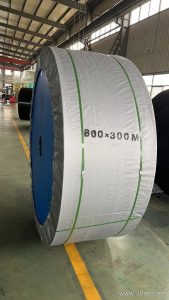
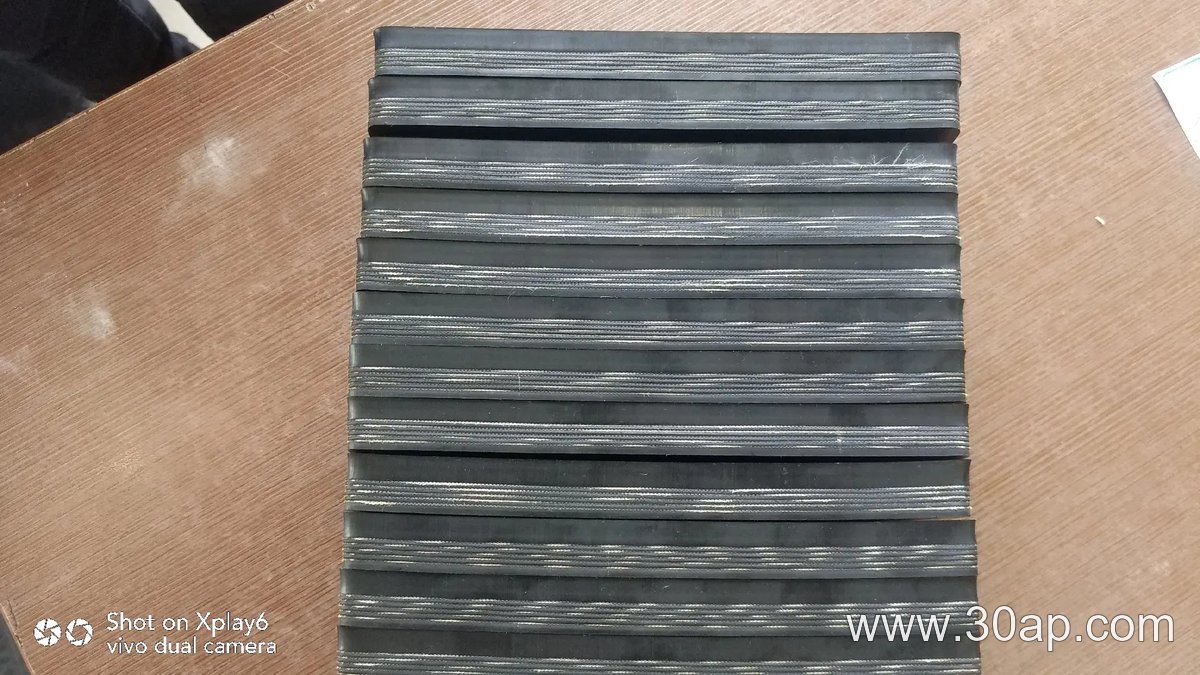
The carcass consists of several plies of EP fabric, usually two to six layers, bonded with rubber skim. Top and bottom cover compounds protect the fabric from abrasion, impact, moisture and the material being carried. Cover thickness is normally stated as two figures, for example 4+2 mm or 5+2 mm, where the first number is the top cover and the second is the bottom cover. Common combinations include 3+1.5, 4+2, 5+2, 6+2 and 8+3 mm.
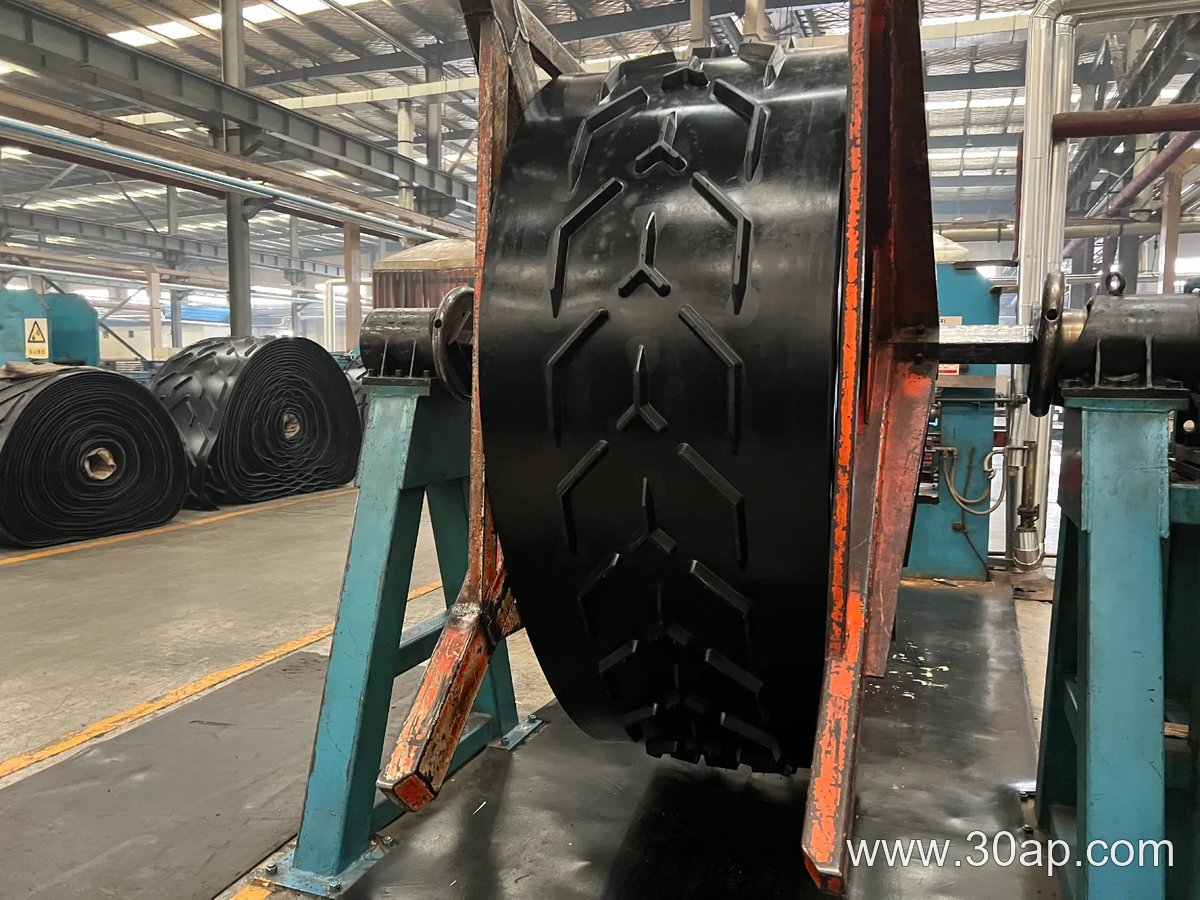
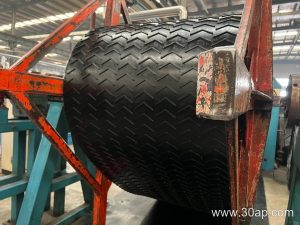
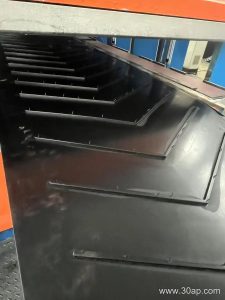
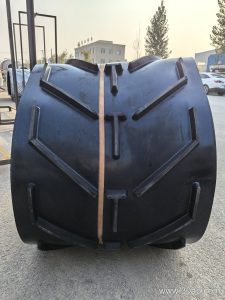
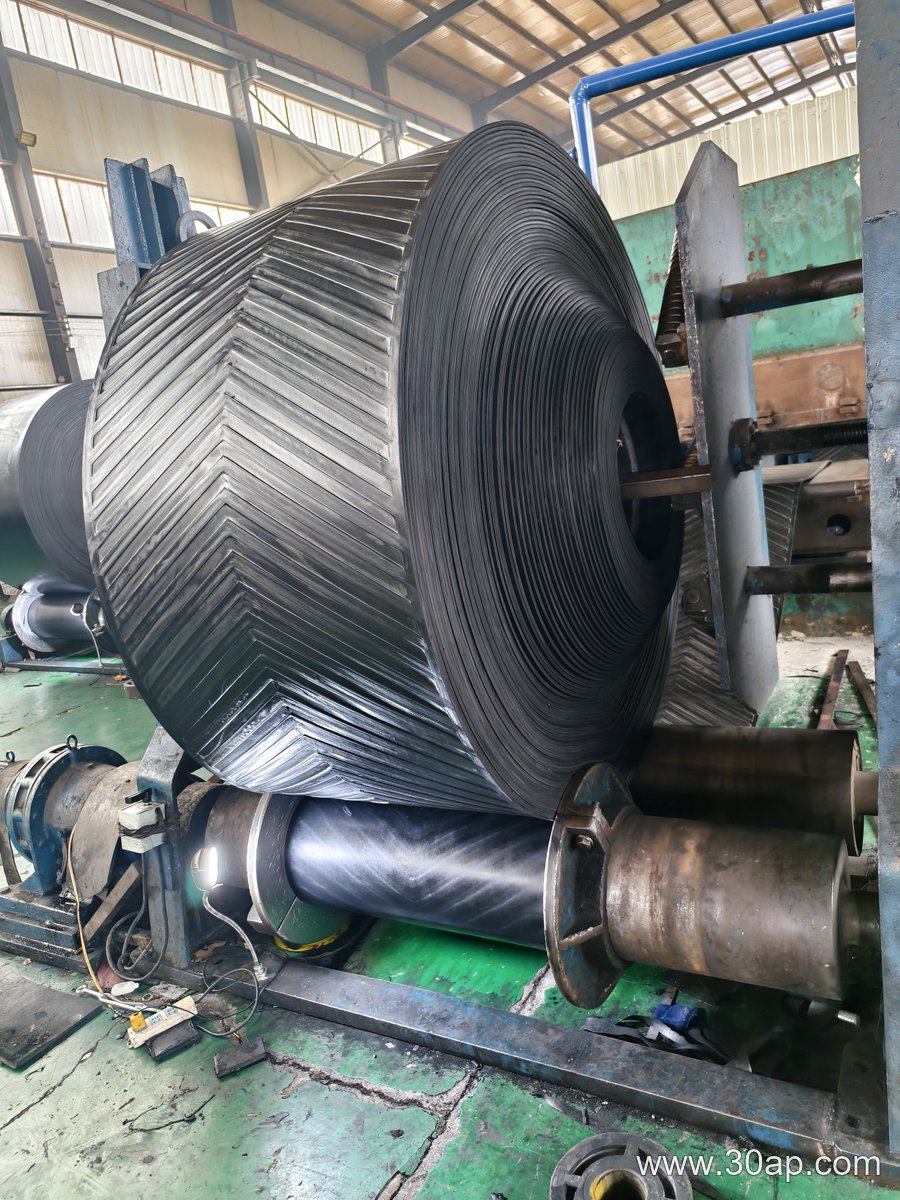
The rubber compound can be selected for different duties: abrasion resistant, heat resistant, oil resistant, flame retardant, antistatic, cold resistant, or resistant to acids and alkalis. Surface forms also vary. A smooth cover suits general transport, while patterned or chevron belts give extra grip on inclines, and corrugated sidewall belts contain material on steep or vertical routes. These are variants of the same belt family, not replacements for the EP630 grade itself.
Typical Service Conditions
An EP630 belt is often found on conveyors moving crushed stone, sand, gravel, coal, cement clinker, fertilizers, grain and similar bulk materials. It also appears in recycling lines, foundries, ports and quarry plants. Because the carcass is flexible and resistant to fatigue, it works well on conveyors with moderate transitions and reasonably small pulleys.
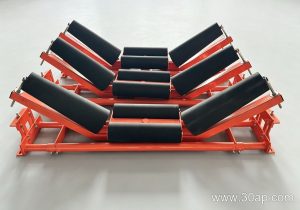
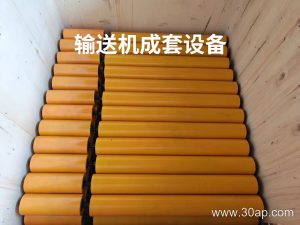
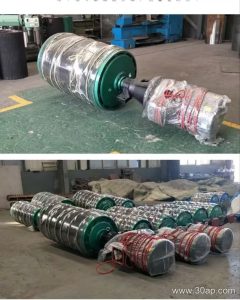
The belt interacts with several other components. A conveyor pulley at the head end drives the belt, while a tail pulley returns it and bend pulleys guide the route. Idler rollers support the loaded and return strands, and conveyor brackets hold the idlers and pulleys in alignment. Belt width must be matched to the material size, capacity and pulley face, but no single belt width demands one specific pulley diameter. Pulley diameter follows the carcass type, number of plies and the manufacturer’s recommendation.
Common Widths and Related Data
EP630 belts are produced in many widths. The table below shows reference values that help in early planning; actual availability and tolerances should be confirmed with the supplier.
| Parameter | Typical reference values |
|---|---|
| Strength grade | EP630 |
| Belt width | B500, B650, B800, B1000, B1200, B1400, B1600 |
| Cover thickness | 3+1.5, 4+2, 5+2, 6+2, 8+3 mm |
| Carcass plies | 2 to 6 layers, depending on design |
These figures are reference data, not a promise of stock or a universal specification. Different manufacturers use different compounds, ply counts and tolerances, so the same nominal grade can behave differently in service.
What a Buyer Should Check
- Confirm the actual tensile grade and ply construction, not just the trade name.
- State the material, lump size, capacity and incline so the cover and surface form can be chosen correctly.
- Check the smallest pulley diameter and the transition distance, because they affect belt life.
- Match the belt width to the conveyor structure, idler roller spacing and pulley face.
- Ask for the recommended cover compound if the belt will carry hot, oily, abrasive or flammable material.
- Review splice type and joint strength, since the joint is often the weakest point.
Installation and Care
Correct alignment matters more than many operators expect. Misaligned idlers, worn conveyor pulleys or loose conveyor brackets can cause edge wear and tracking problems even on a good belt. Keep the belt clean, avoid excessive tension, and inspect covers for cuts, gouges and exposed fabric. When a belt is stored, keep it away from direct sunlight, ozone sources and sharp objects.
For a comparison, a steel cord belt may be preferred on very long, high-tension routes, while a PVC or PVG belt may suit lighter or fire-sensitive duties. The EP630 Conveyor Belt remains a balanced choice for general medium-duty conveying where strength, flexibility and cost need to work together.