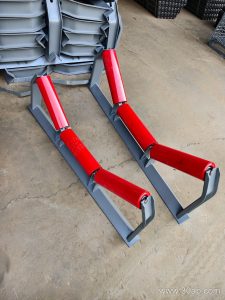
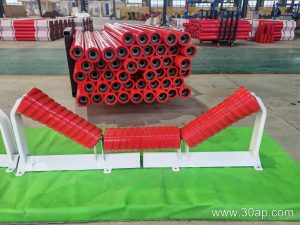
What a 315mm Diameter Conveyor Pulley Is
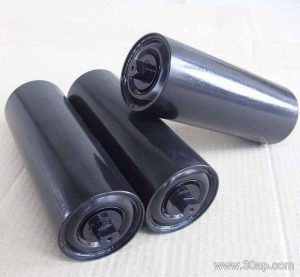
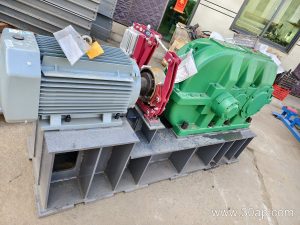
A 315mm diameter conveyor pulley is a cylindrical rotating component used to support and drive a conveyor belt. With an outside diameter of approximately Ø315 mm, it sits in a middle size range that suits many medium-duty belt conveyors. This pulley is often specified as a drive pulley, tail pulley, or bend pulley, and the exact role depends on where it is mounted along the conveyor line. The term conveyor pulley covers all these positions, but a drive pulley transmits power, a tail pulley returns the belt, and a bend pulley changes belt direction without driving.
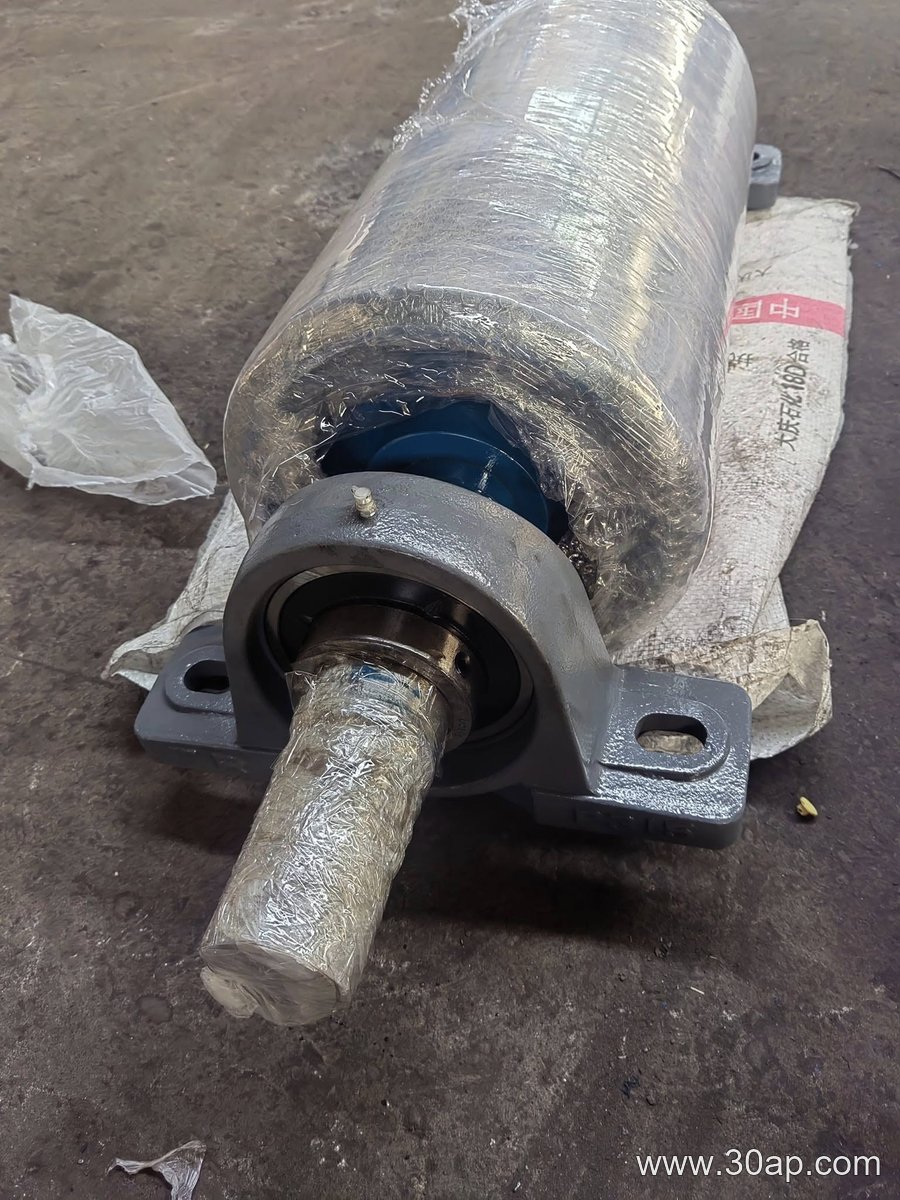
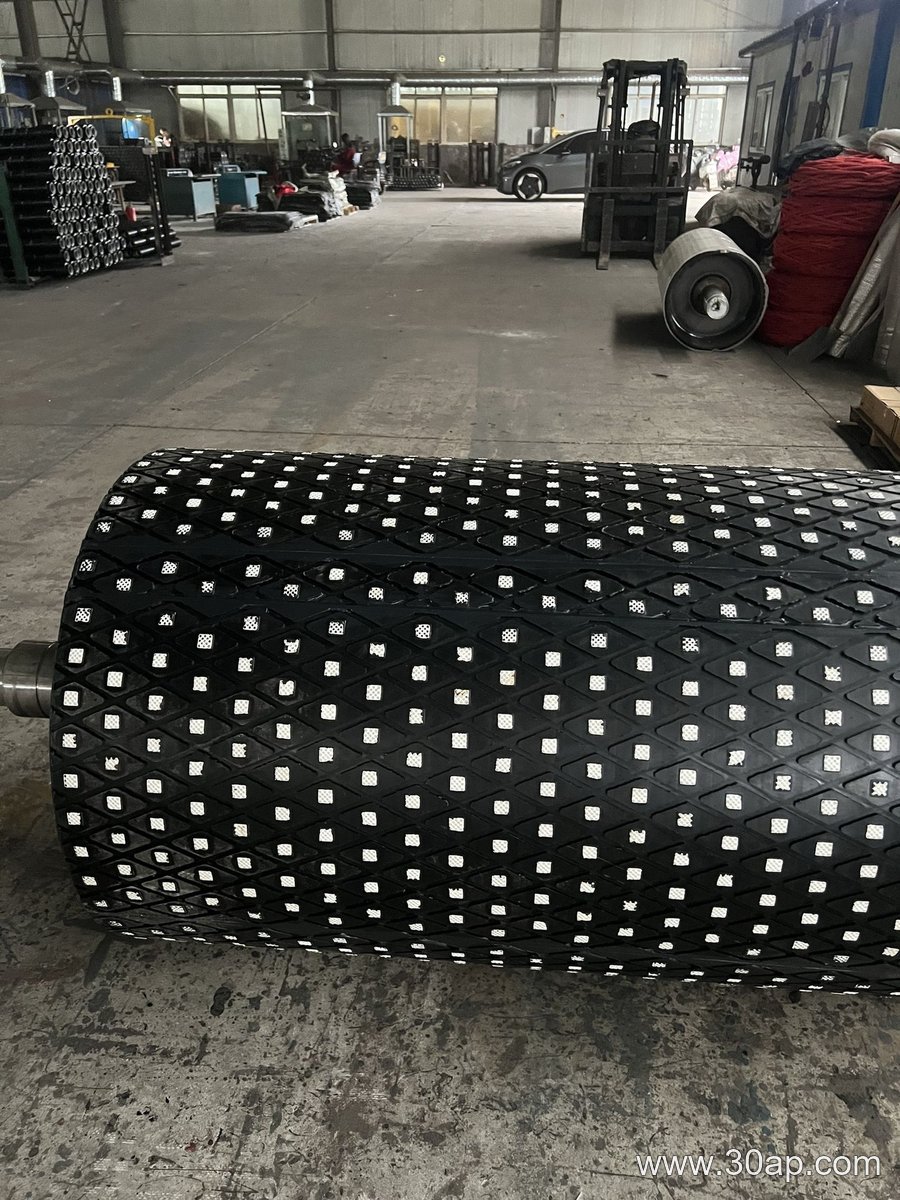
Construction and Key Dimensions
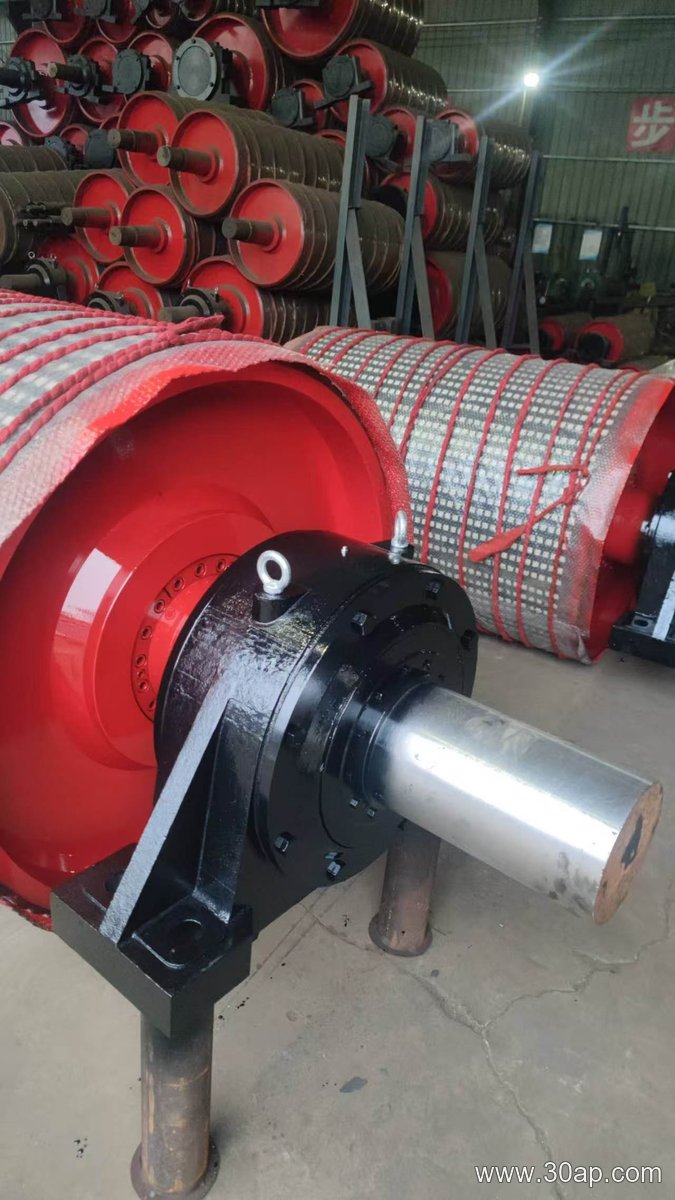
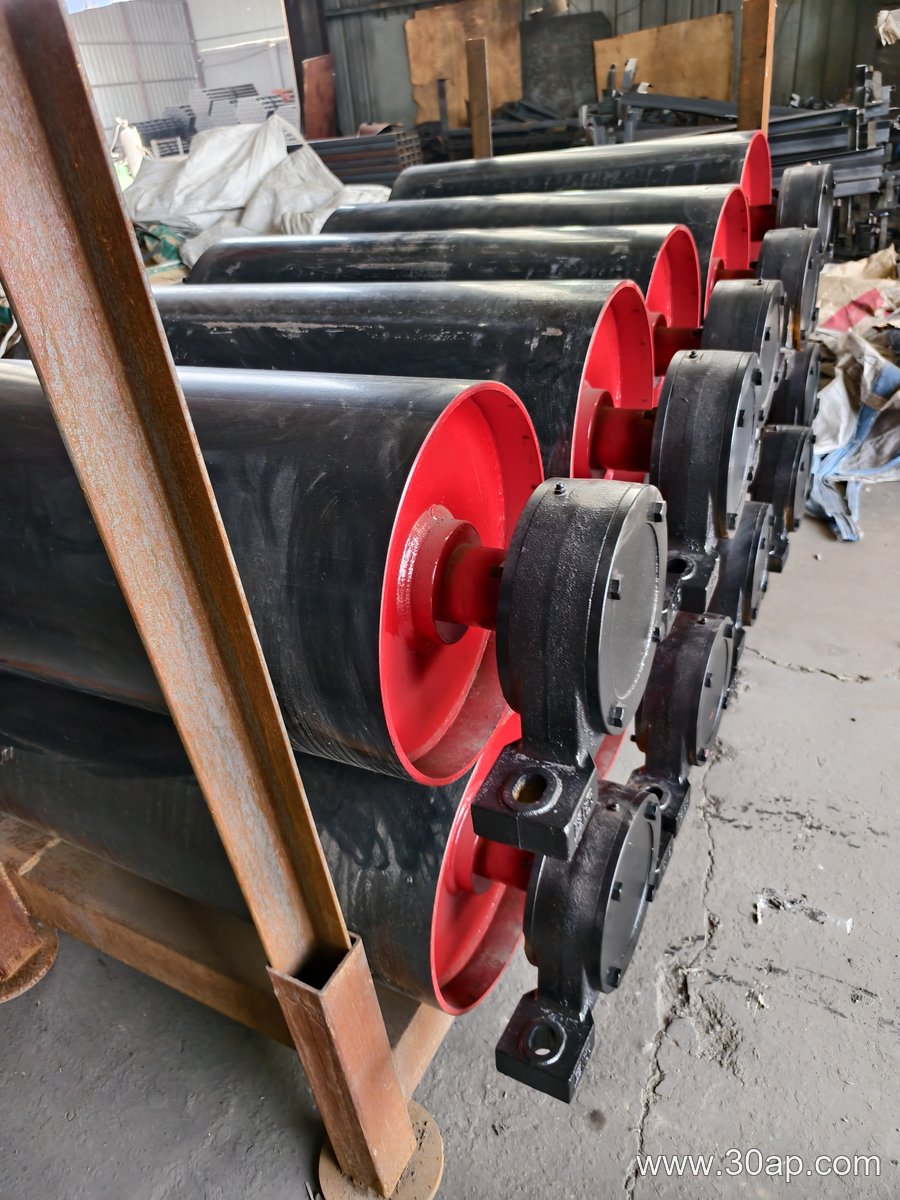
A pulley of this diameter is typically built from a steel shell, end discs, and a shaft. The shell may be machined smooth or covered with rubber lagging. Common surface forms include plain, cold-bonded rubber, hot-vulcanized rubber, diamond grooved, herringbone grooved, and ceramic lagging. Lagging thickness is often 8 mm, 10 mm, 12 mm, 15 mm, or 20 mm, selected according to grip requirements and operating conditions. The shaft diameter is not determined by the 315 mm shell size alone; it is calculated from torque and load. Typical shaft sizes in this class include Ø60, Ø70, Ø80, Ø90, Ø100, Ø120, and Ø140 mm. The pulley face width is usually wider than the conveyor belt. For example, a B650 belt may run on a pulley with a face width around 750 mm, while a B800 belt may use a face width near 950 mm.
Where a 315mm Pulley Fits
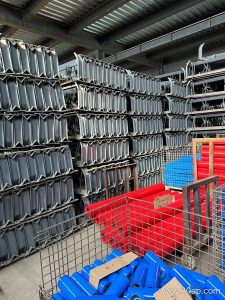
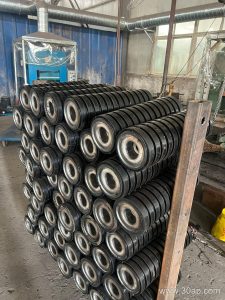
This diameter is common in aggregate plants, limestone mines, and crushing and screening circuits. It also appears in coal preparation plants and power plant coal handling systems. In these settings, the pulley works with a conveyor belt, idler rollers, and conveyor brackets to keep material moving. A 315 mm pulley may serve as a tail pulley at the feed end, a bend pulley at a transfer point, or a drive pulley on a shorter conveyor. When more traction is needed, a lagged surface is used; when material buildup is a concern, a plain or grooved surface may be preferred. For comparison, a smaller bend pulley might be used only to redirect the belt, while a larger drive pulley would be chosen for higher torque. The 315 mm size is not a universal match for every belt width, and it should not be treated as a fixed pairing with any single belt specification.
Selection and Buyer Checklist
Buyers should confirm the pulley role, belt width, face width, shaft diameter, lagging type, and bearing arrangement before ordering. The belt width does not dictate one specific pulley diameter; a B1000 belt, for example, could run with different pulley sizes depending on the conveyor layout and load. A common reference such as B1200 × Ø1000 or B800 × Ø500 shows how belt width and pulley diameter are separate choices. For a 315 mm pulley, the shaft is sized by torque and bending load, not by belt width alone. It is also important to check the conveyor bracket and bearing housing dimensions, because these must match the shaft ends. Maintenance includes checking lagging wear, bearing condition, and alignment. A worn lagging surface can reduce grip, while misalignment can shorten belt life. The pulley should be inspected during scheduled shutdowns, and any replacement should follow the original design requirements.
Typical Parameters at a Glance
| Parameter | Common Range or Example |
|---|---|
| Outside diameter | Ø315 mm |
| Belt width examples | B500, B650, B800, B1000 |
| Face width examples | About 600 mm for B500; about 750 mm for B650; about 950 mm for B800; about 1150 mm for B1000 |
| Shaft diameter examples | Ø60, Ø70, Ø80, Ø90, Ø100, Ø120 mm |
| Surface options | Plain, rubber lagging, diamond grooved, herringbone grooved, ceramic lagging |
| Lagging thickness | 8 mm, 10 mm, 12 mm, 15 mm, 20 mm |
| Pulley types | Drive pulley, tail pulley, bend pulley, take-up pulley, snub pulley |
These values are reference data, not fixed combinations. A 315 mm diameter conveyor pulley should be selected according to the actual conveyor design, load, and environment. Whether it is used as a drive, tail, or bend pulley, the goal is the same: reliable belt support, proper traction, and long service life.