What a Custom Conveyor Bracket Does
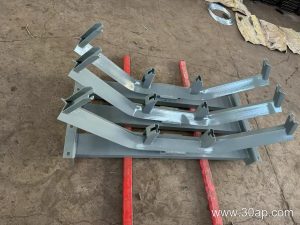
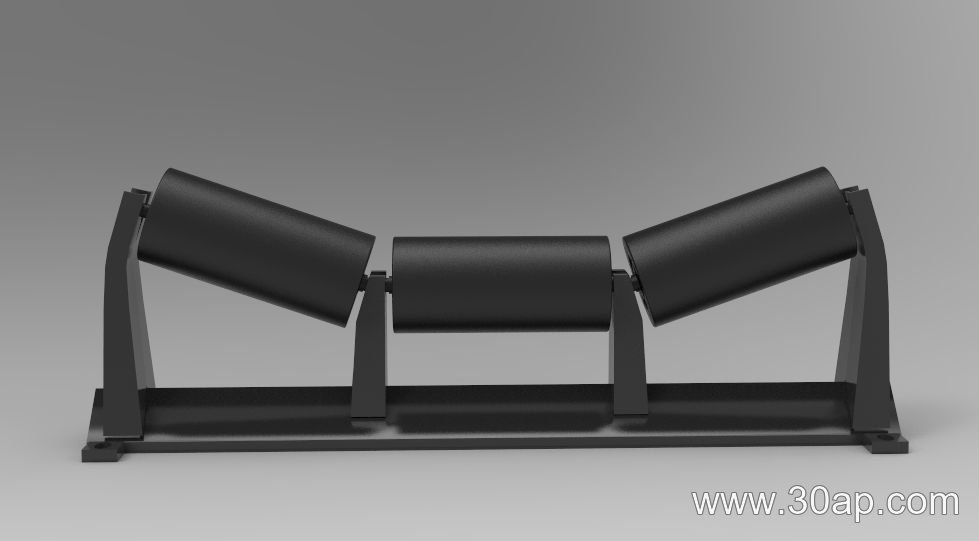
A custom conveyor bracket is the fabricated support that holds idler rollers in position along a belt conveyor. It is not a single universal part. The bracket is made to match the belt width, the trough angle, the roller diameter, and the mounting arrangement of a specific conveyor section. When a standard bracket does not fit the frame, the pulley center height, or the transition zone, a custom version is produced from angle steel, channel steel, or bent steel plate.
The bracket keeps the conveyor belt running in the intended profile. It also transfers the load from the belt and material down to the conveyor frame. A well-made custom bracket therefore affects belt tracking, roller life, and the cost of maintenance. The term custom conveyor bracket is often used together with conveyor bracket or simply bracket, but it always refers to the same fabricated support component.
How It Is Built
Most brackets are welded or bolted assemblies. The main body may be a piece of angle or channel, cut to the required crossbeam length. Roller seats, mounting holes, and slots are then drilled or punched. The slot pattern is what allows a bracket to accept different roller positions. For adjustable designs, the slot or a set of holes lets the user change the trough angle on site.
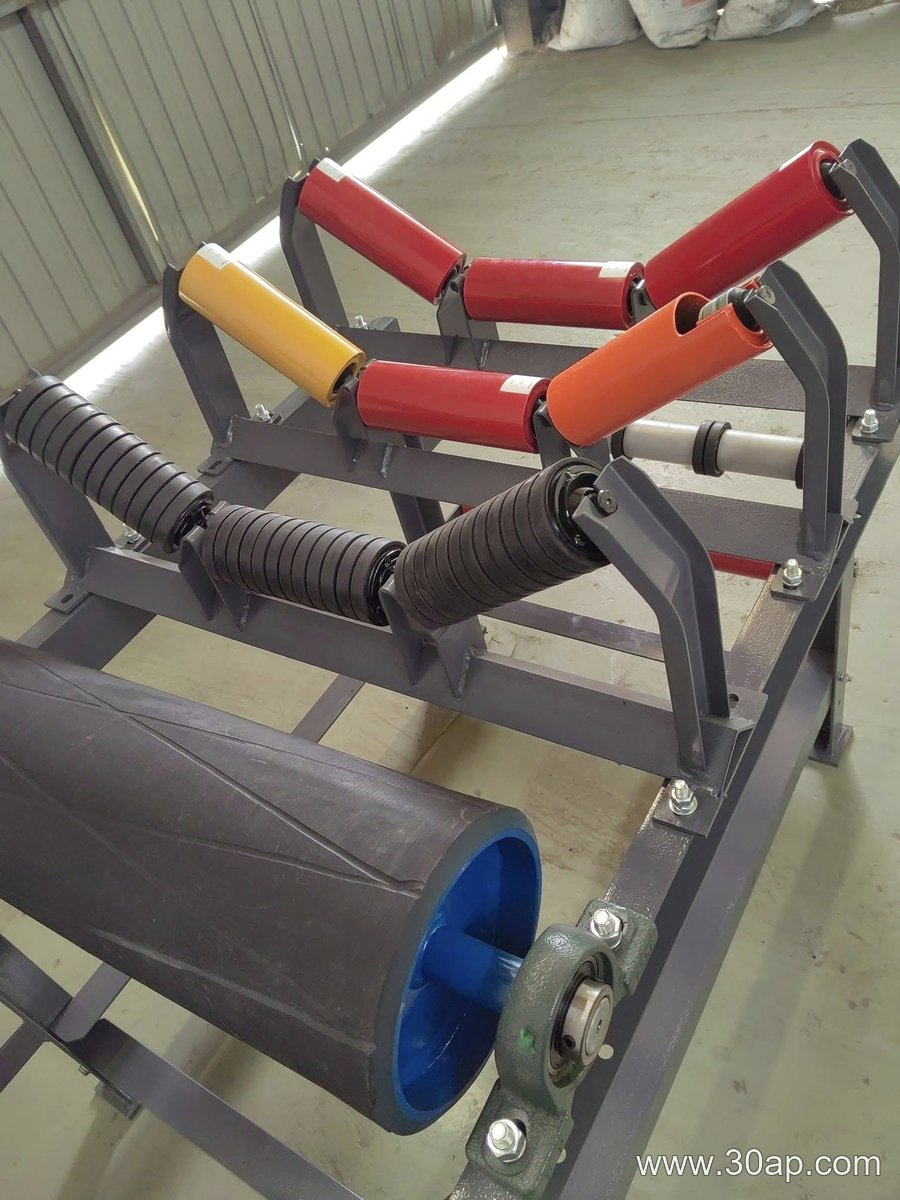
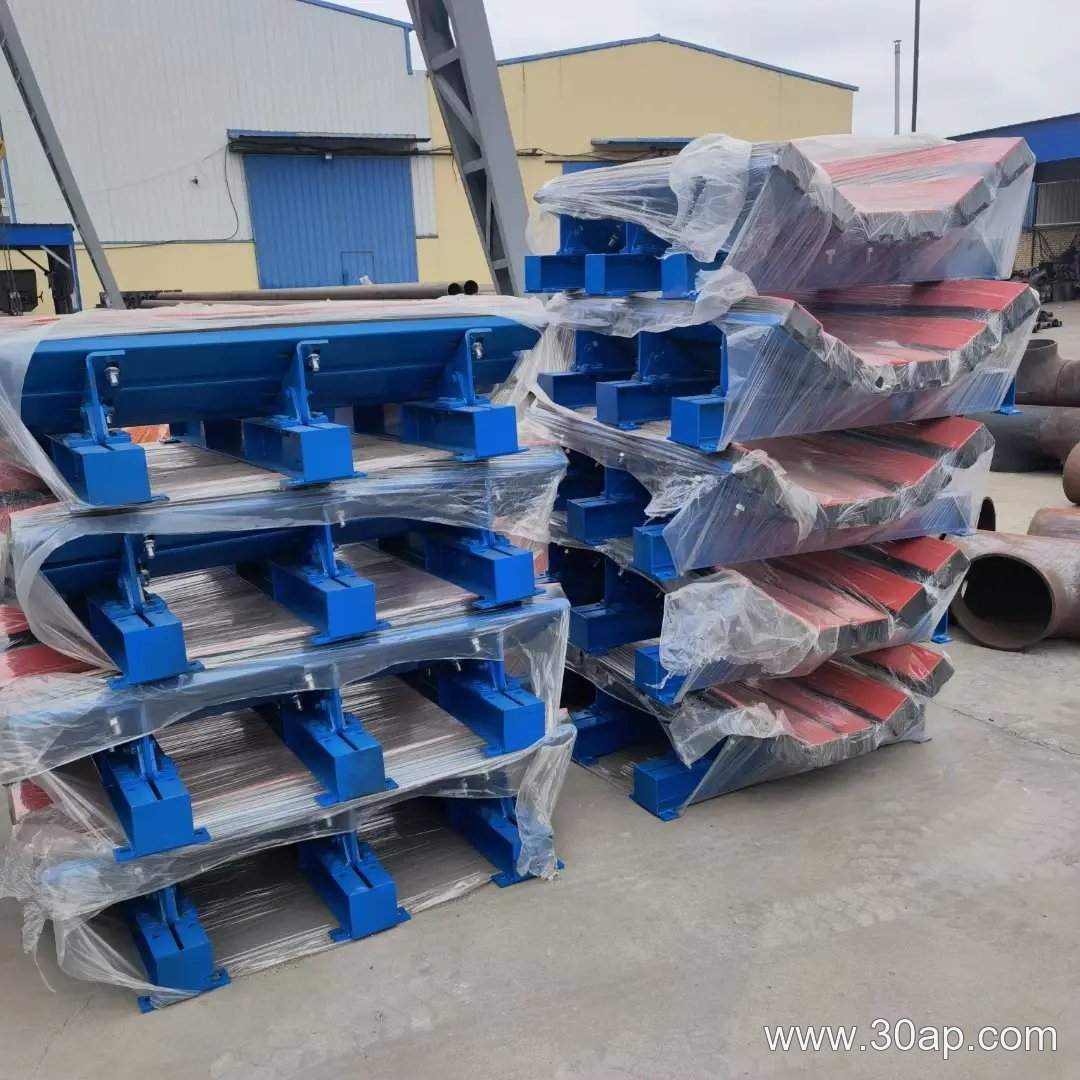
Surface treatment depends on the working environment. In a dry indoor transfer point, a painted finish is often enough. In a quarry or a washing plant, a heavier coating or galvanized finish may be chosen to resist moisture and fines. The bracket must be strong enough to carry the belt, the material, and the roller without bending. At the same time, it should not be so heavy that installation becomes difficult.
Common Types and Their Roles
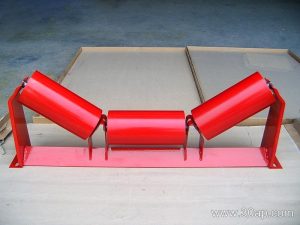
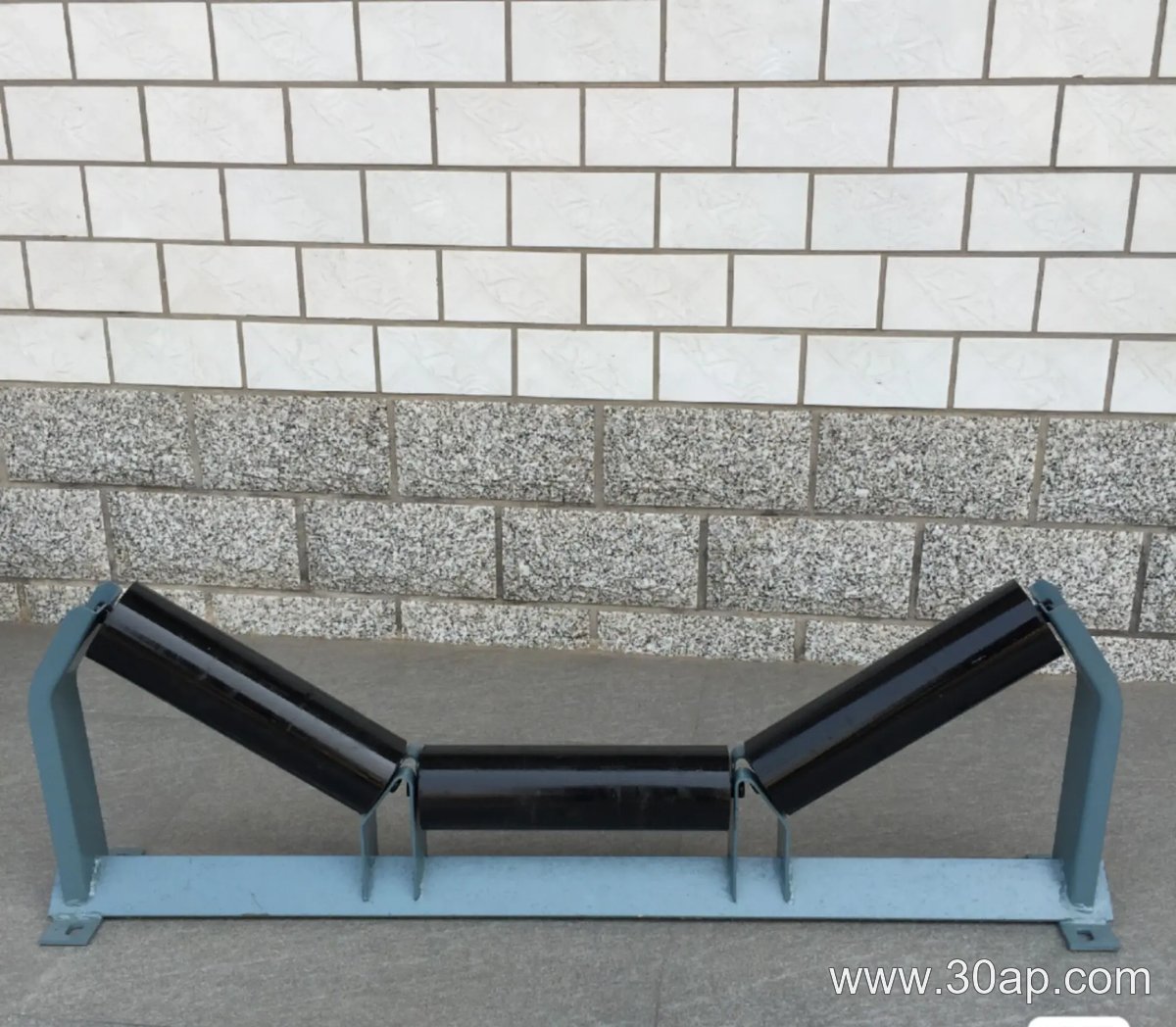
Brackets are usually grouped by the position and function of the rollers they carry. A troughing bracket supports the carrying side of the belt and sets the trough angle. A return bracket supports the empty side. A transition bracket is placed near a pulley, where the belt changes from a flat profile to a troughed profile. An impact bracket sits under a loading point and carries impact rollers. A self-aligning bracket helps correct belt misalignment. A suspended bracket hangs from the frame instead of sitting on top of it.
- Troughing bracket – carrying side, sets the trough angle
- Return bracket – empty side, often flat or V-shaped
- Transition bracket – near a pulley, supports the belt in change of profile
- Impact bracket – under the loading chute, carries impact rollers
- Self-aligning bracket – corrects small tracking errors
- Adjustable bracket – allows the trough angle to be changed
These types are not interchangeable. A return bracket cannot replace a troughing bracket, and a transition bracket has a different job from an impact bracket. The correct choice depends on the location in the conveyor and the load it must carry.
Where It Is Used
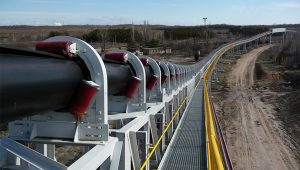
Custom brackets appear in many bulk handling sites. In a limestone quarry, they support the belt through the crushing and screening circuit. In a coal washing plant, they carry the belt through wet and abrasive conditions. In a cement plant, they are used on clinker and raw material conveyors. In a port or a steel plant, they may be part of a long overland or stockyard conveyor. The same bracket design can also be found in a fertilizer plant or a grain silo, where dust and moisture control matter.
The working place decides the material and the finish. A bracket that works well in a dry sand line may not last in a wet washing plant. That is why a custom bracket is often specified together with the conveyor belt, the idler roller, and the conveyor pulley layout.
Matching Belt Width, Trough Angle, and Roller Diameter
A bracket is not defined by belt width alone. The trough angle and the roller diameter also shape the design. The table below shows common reference combinations, not fixed rules. A wider belt can use different trough angles and roller diameters depending on the conveyor design.
| Belt width | Trough angle | Roller diameter |
|---|---|---|
| B650 | 30 degrees | Ø89 |
| B800 | 35 degrees | Ø108 |
| B1200 | 45 degrees | Ø133 |
| B1600 | 35 degrees | Ø159 |
Adjustable brackets can be set between common trough angles such as 20, 30, 35, and 45 degrees. A forward tilt of about 1.5 to 2 degrees is sometimes used to help belt tracking. The mounting hole spacing and the crossbeam length change with belt width and trough angle, so they are determined by the design rather than by a single fixed number.
What a Buyer Should Check
Before ordering a custom conveyor bracket, confirm the belt width, the trough angle, and the roller diameter. Check the mounting hole pattern on the existing frame. Confirm whether the bracket is fixed or adjustable. State the environment, because dust, water, and temperature affect the material and coating choice. Ask for the load rating and the roller seat dimensions. A bracket that fits the frame but not the roller will not work, and a bracket that fits the roller but not the frame will not install.
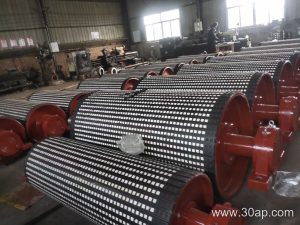
It also helps to review the full conveyor layout. The drive pulley, tail pulley, and bend pulley each have their own support needs, and the brackets along the carrying and return runs must match the belt path. When the bracket, the idler roller, and the conveyor belt are selected together, the conveyor runs straighter and lasts longer.