What a Port Conveyor Belt Is
A port conveyor belt is the load-carrying component in a bulk material handling system that moves coal, iron ore, grain, fertilizer, or containerized cargo over long distances between ship loaders, stackers, reclaimers, and storage yards. In this environment, the belt is not simply a piece of rubber; it is a engineered composite that must resist abrasion, impact, moisture, and often oil or chemical exposure. The same product is also known as a dock conveyor belt or harbor conveyor belt, and these terms refer to the same heavy-duty belt construction used in port operations.
Unlike a general-purpose factory belt, a port conveyor belt is typically built with a high-tensile carcass and thick covers. The carcass may be EP (polyester-nylon) fabric, NN nylon fabric, or steel cord, depending on the duty. The cover grade and thickness are selected to match the material being carried and the loading conditions.
Construction and Common Specifications
The belt body consists of a carcass, skim layers, and top and bottom covers. The carcass provides strength and elongation resistance, while the covers protect the carcass from wear and environmental attack. A port conveyor belt often uses multiple fabric plies, commonly 2 to 6 layers, or a single steel cord layer for very high tensions.
Below are reference parameters that appear in port belt specifications. These are typical ranges, not universal requirements, and final values are determined by the conveyor design and the manufacturer.
| Parameter | Common reference values |
|---|---|
| Belt type | EP conveyor belt, NN nylon conveyor belt, steel cord conveyor belt, PVC or PVG belt for special duty |
| Tensile strength grade | EP200, EP315, EP400, EP500, EP630, EP800, EP1000, EP1250, EP1600, EP2000 |
| Belt width | B500, B650, B800, B1000, B1200, B1400, B1600, B1800, B2000 |
| Cover thickness (top + bottom) | 3+1.5 mm, 4+2 mm, 5+2 mm, 6+2 mm, 8+3 mm |
| Carcass plies | 2 to 6 layers for fabric belts; steel cord belts use a single layer |
| Special properties | Abrasion resistant, heat resistant, oil resistant, flame retardant, antistatic, cold resistant, acid and alkali resistant |
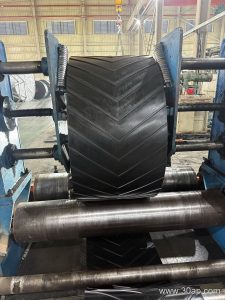
| Surface form | Smooth, patterned, chevron, or corrugated sidewall |
These values are listed as examples. A belt width of B1200 might be paired with different pulley diameters depending on the system, and a specific tensile grade does not dictate one fixed cover thickness. The buyer should always confirm the belt data sheet against the conveyor design.
Where Port Conveyor Belts Are Used
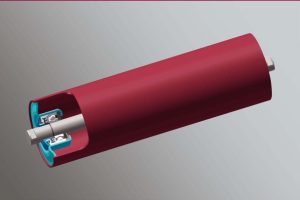
Ports and terminals rely on these belts in several locations. A ship unloader discharges material onto a belt that feeds a yard conveyor. A stacker-reclaimer uses a belt to build and reclaim stockpiles. A shiploader uses a belt to load vessels at the berth. In each case, the belt runs over idler rollers and wraps around conveyor pulleys at the head, tail, and bend stations.
Because port conveyors often run continuously and handle abrasive cargo, the belt cover must resist cutting and gouging. For coal and coke, flame retardant and antistatic properties are often specified. For grain and fertilizer, oil resistance and cleanliness may matter more. Cold climates may require a cold-resistant compound, while chemical terminals may need acid and alkali resistance.
Selection and Buyer Checklist
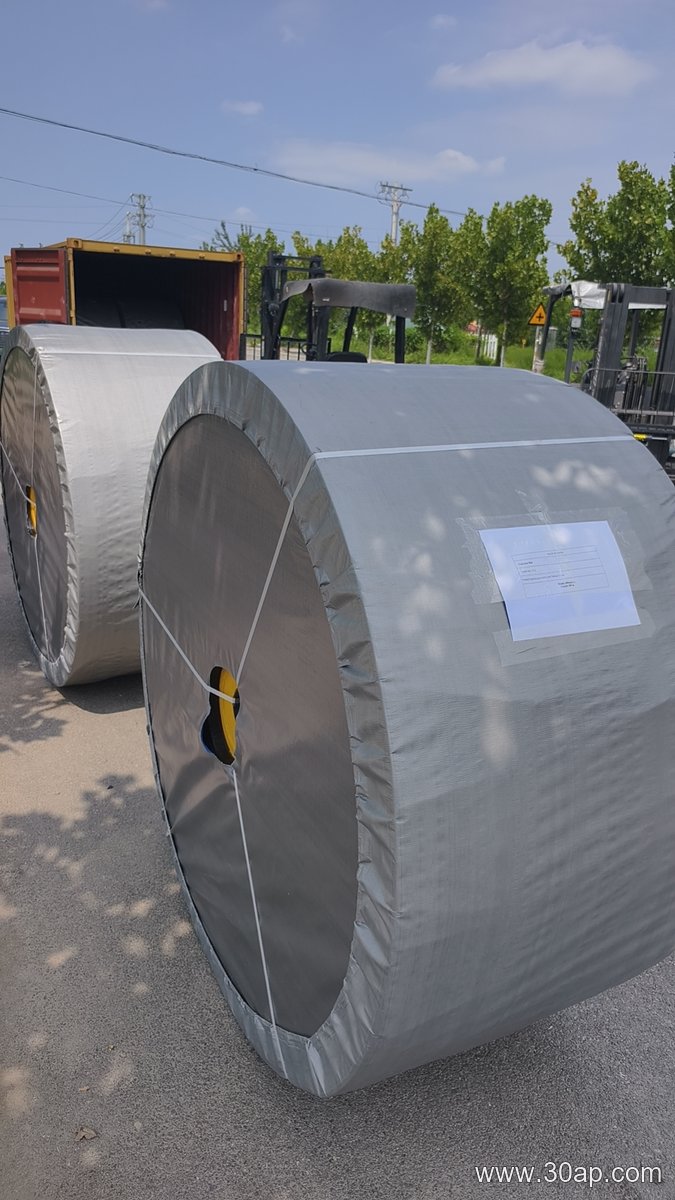
When specifying a port conveyor belt, the buyer should start with the material characteristics: lump size, density, temperature, moisture, and chemical content. Then review the conveyor layout: trough angle, transition distance, pulley diameters, and take-up type. The belt tensile grade must match the maximum running tension with an appropriate safety factor. Belt width must be wide enough to carry the required tonnage without spillage, but not so wide that it causes unnecessary stress on the conveyor structure.
Other points to confirm include:
- Cover thickness and grade for the top and bottom sides.
- Carcass type and number of plies, or steel cord construction.
- Whether a patterned or chevron surface is needed for inclined sections.
- Flame retardant and antistatic requirements for the site.
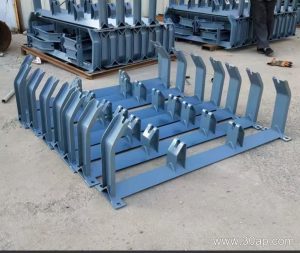
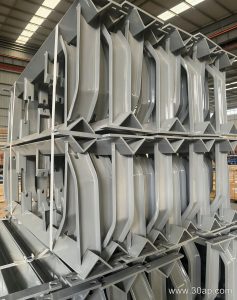
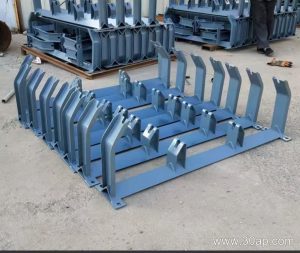
- Compatibility with the existing conveyor pulleys, idler rollers, and brackets.
- Splice method and whether vulcanized or mechanical splicing is preferred.
Do not assume that one belt width can only match one pulley diameter. The pulley size is selected from the belt tension, carcass flexibility, and space available. A larger pulley generally reduces bending stress and extends belt life, but it also requires more space and may affect the conveyor bracket arrangement.
Maintenance and Operational Notes
Even a well-built port conveyor belt needs correct operation and maintenance. Misalignment, material buildup on rollers, and seized idler rollers can cause edge damage and premature wear. Regular inspection of the belt surface, splices, and pulley lagging helps prevent unplanned downtime. When the belt is not in use, avoid leaving heavy material sitting on the belt for long periods, as this can deform the carcass.
For replacement, record the original belt specifications and compare them with the new order. If the conveyor duty has changed, such as a higher throughput or a different material, review the belt grade and cover thickness with the supplier. The goal is a port conveyor belt that matches the system, not one that simply fits the width.