What a High Temperature Conveyor Belt Is
A high temperature conveyor belt is a heavy-duty rubber belt built to carry hot clinker, sinter, cement, foundry sand, coke, ash, or similar materials without losing its shape or delaminating. The belt is not simply a standard belt with a different label. Heat resistance comes from the compound, the carcass, and the way the cover is bonded to the fabric or steel cords. In daily speech, people also call it a heat-resistant conveyor belt, and that is the same product.
The belt still performs the same job as any other belt on a conveyor: it rides over idler rollers, wraps around the drive pulley and tail pulley, and returns on the lower run. What changes is how the belt behaves when the surface temperature climbs. A general-purpose belt may harden, crack, or separate between plies. A belt made for hot service is designed to keep its flexibility and its grip on the load.
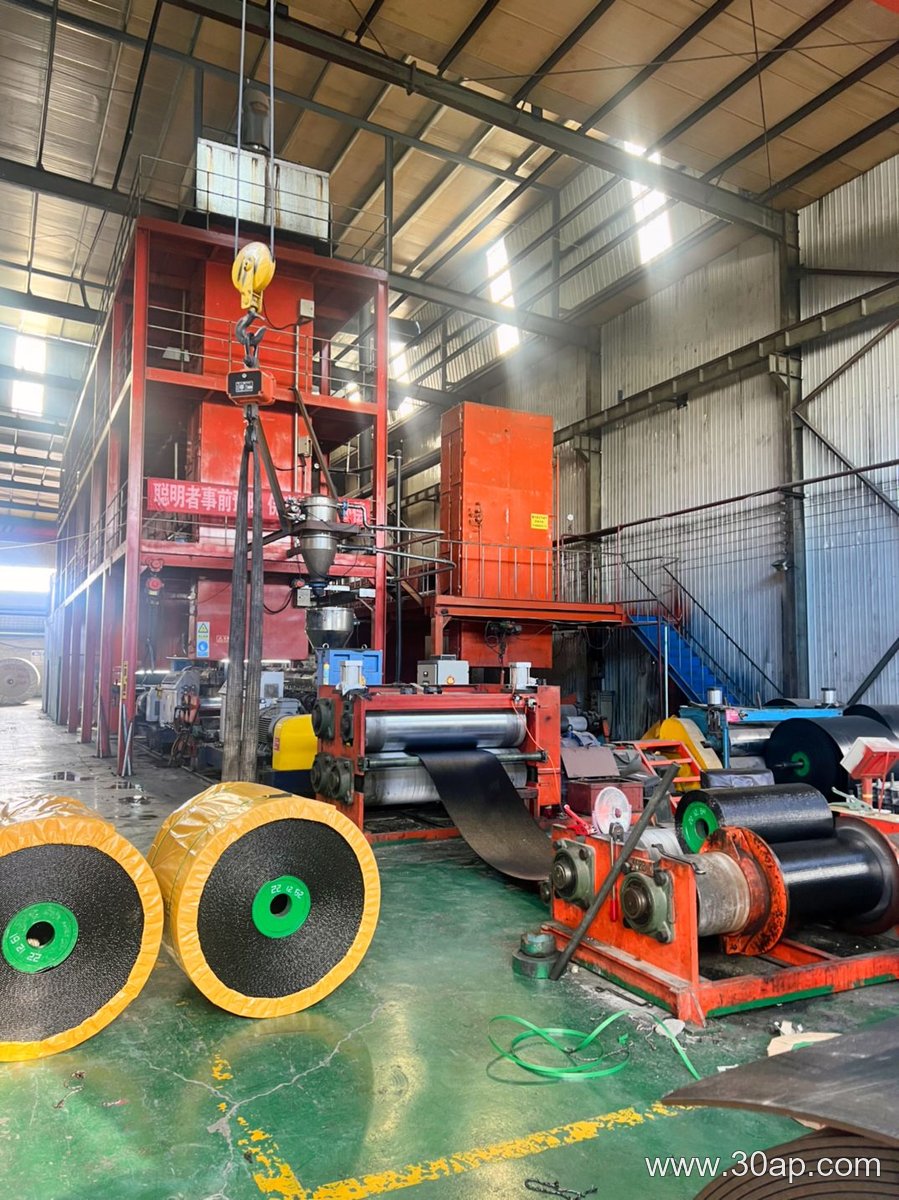
Construction and Compound Choices
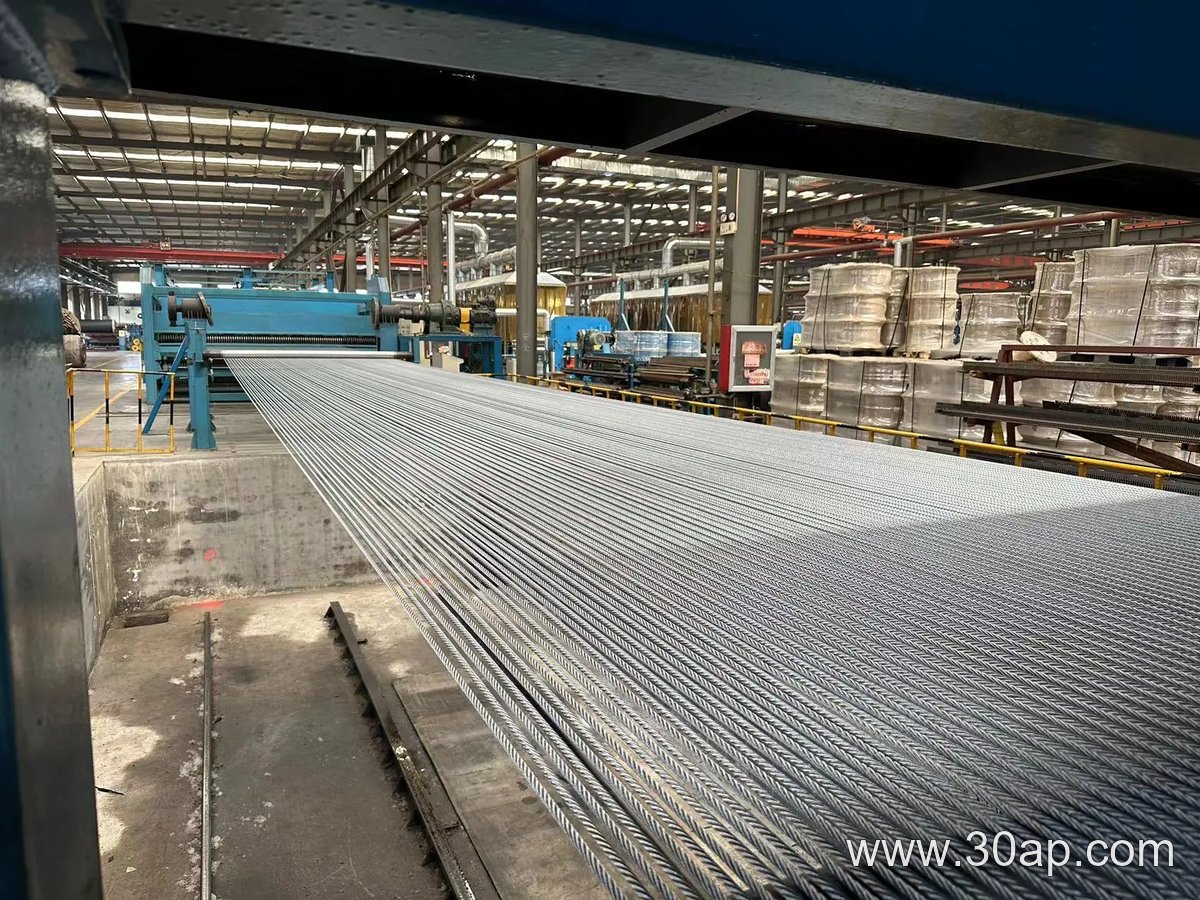
Most hot-service belts use a multi-ply carcass. Common constructions run from two to six fabric plies, and heavier belts may use steel cord where the tension and the temperature both demand it. The carcass is usually EP or NN, with EP offering low stretch and NN giving good fatigue resistance. The cover is the part that faces the heat.
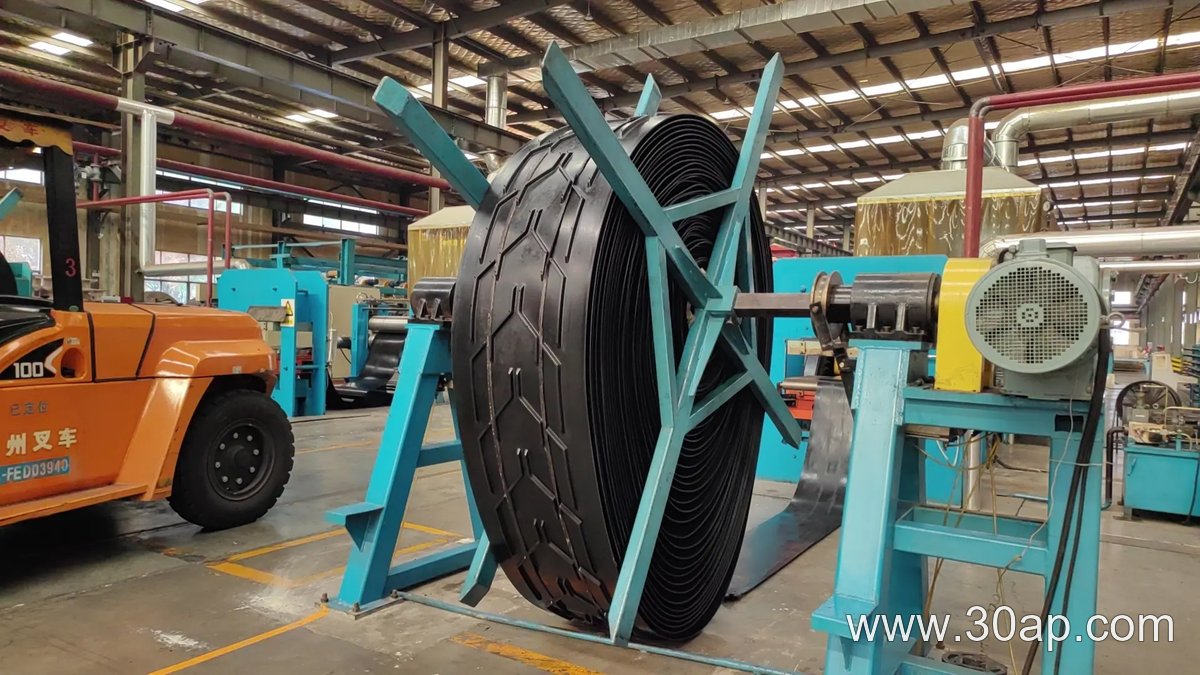
- Cover compounds are formulated with heat-stable polymers and curing systems that resist hardening.
- Cover thickness is often 4+2 mm, 5+2 mm, 6+2 mm, or 8+3 mm, where the first figure is the top cover and the second is the bottom cover.
- An anti-static or flame-retardant version may be needed where dust or gas is present, but that is a separate property from heat resistance.
Belt width is selected to match the conveyor, not the other way around. Common widths include B650, B800, B1000, B1200, and wider. A wider belt does not automatically require a larger pulley, and a single belt width can work with different pulley diameters depending on the load and the belt construction. Shaft diameter is a design decision for the conveyor builder, not something that can be read off the belt width.
Where It Fits in a Conveyor Line
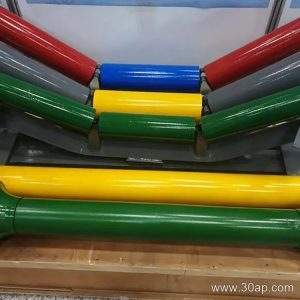
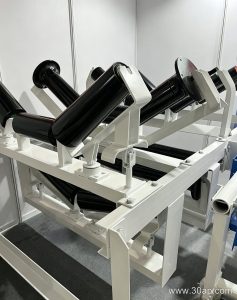
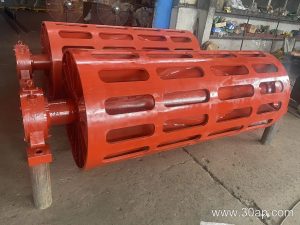
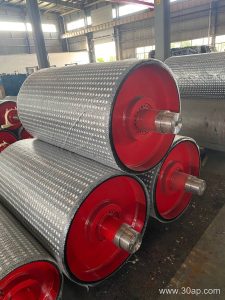
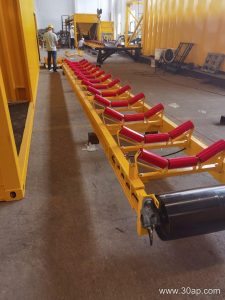
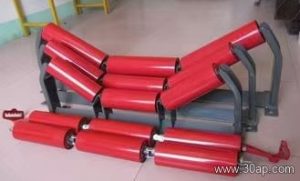
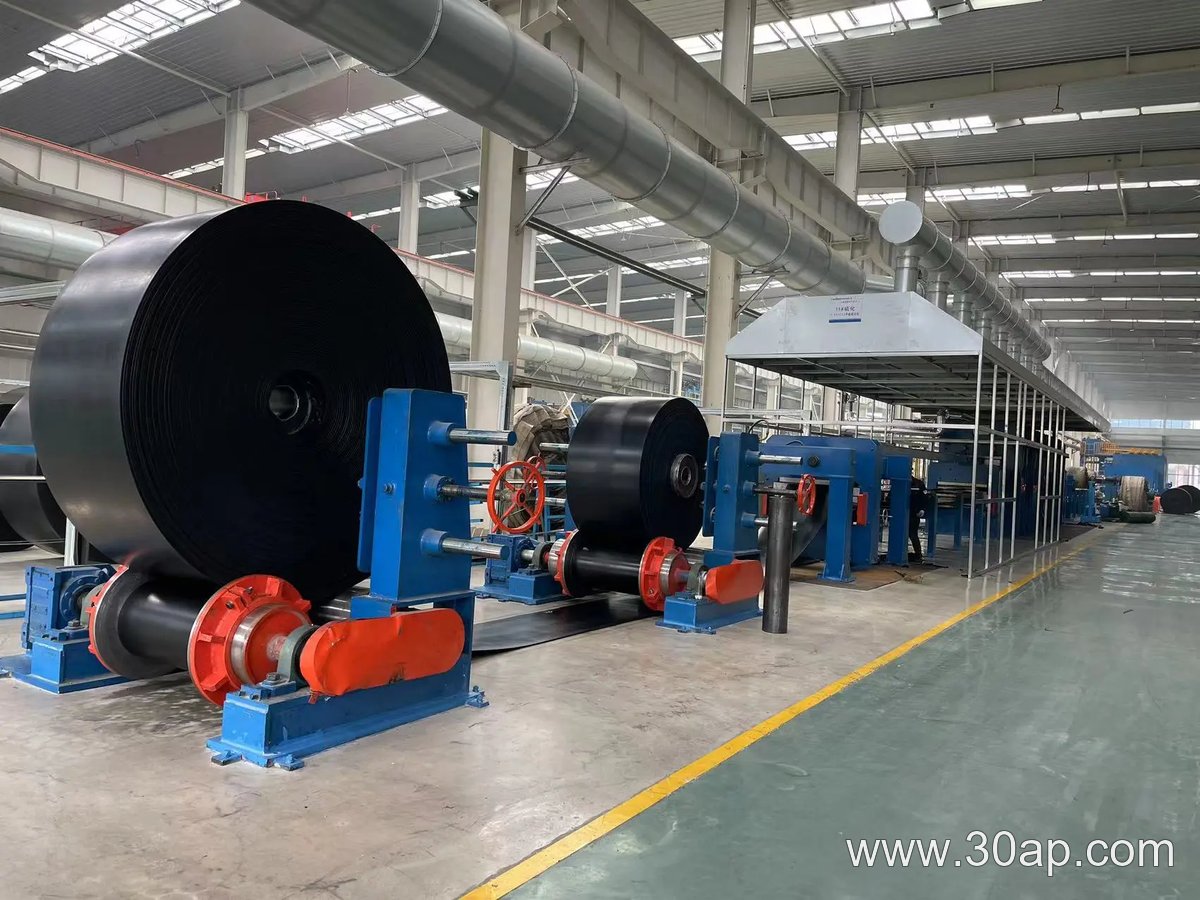
Hot material handling usually means a short transfer, a clinker pit, a kiln discharge, or a foundry shakeout. In these positions, the belt meets the load at a temperature that a standard belt cannot tolerate. The belt may run over a series of idler rollers and pass over a bend pulley before it reaches the drive pulley. Each of those components is chosen for the duty, and none of them is a substitute for the other. A drive pulley pulls the belt, a tail pulley returns it, and a bend pulley changes its direction. The belt itself is the only part that carries the hot load.
Surface form matters on inclines. A smooth cover is common on flat runs, while a patterned or chevron surface can help hold material on a slope. For very hot and abrasive loads, a heat-resistant belt with a plain cover and adequate thickness is often the better choice than a patterned belt, because the pattern adds stress points.
What Buyers Should Check
Before ordering, confirm the actual material temperature, not just the process temperature. A belt rated for 120°C continuous service may see short peaks well above that at the transfer point. Ask about the peak temperature and how long it lasts. Also check the belt speed, the load weight, and the pulley diameters on the existing conveyor.
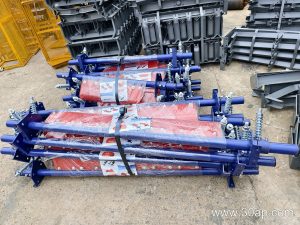
Belt tension is another point. A hot belt stretches differently from a cold one, so the take-up must allow adjustment. Idler roller spacing and pulley lagging should suit the belt, not the other way around. If the conveyor has a conveyor bracket or support frame that is too close to the hot zone, the belt may be damaged at the edges even if the cover is correct.
Finally, keep spare belt and splicing materials on hand. A hot-service belt can fail at a splice if the splice compound is not matched to the cover. Store the belt away from direct sunlight and heat, and follow the manufacturer’s storage advice. For a reliable installation, the belt, the pulleys, and the idler rollers should be treated as one system, with each part chosen for the temperature and the load it will actually see.