What a Parallel Idler Bracket Does
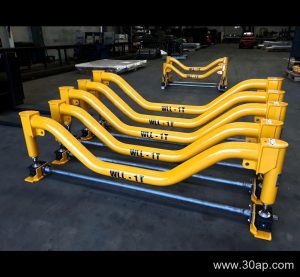
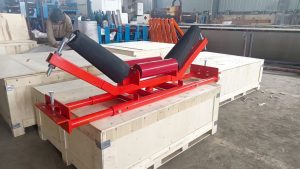
A parallel idler bracket is the stationary support that holds return idlers in a conveyor line. It sits under the carrying belt on the return run, keeping the idler roller in a level position so the belt travels smoothly back to the tail end. In many plants this part is simply called a flat return bracket, because the rolls it carries sit parallel to the ground rather than at an angle.
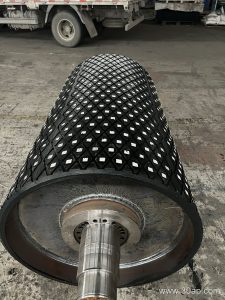
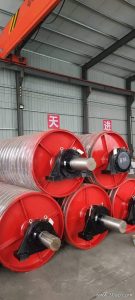
The bracket is not a pulley. Drive pulleys, tail pulleys and bend pulleys transmit power or change belt direction, while a parallel idler bracket only supports the belt and its load on the return side. That distinction matters when ordering, because the two product families are not interchangeable.
How the Bracket Is Built
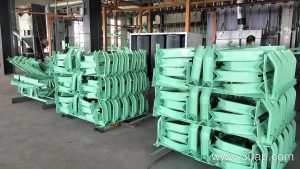
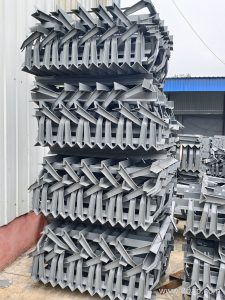
Most parallel idler brackets are fabricated from angle steel, channel steel or folded steel plate. The frame is welded or bolted into a shape that accepts one or more return rolls and bolts to the conveyor stringer. The mounting slots are usually slotted rather than round, which allows a small amount of adjustment during installation.
A typical assembly includes:
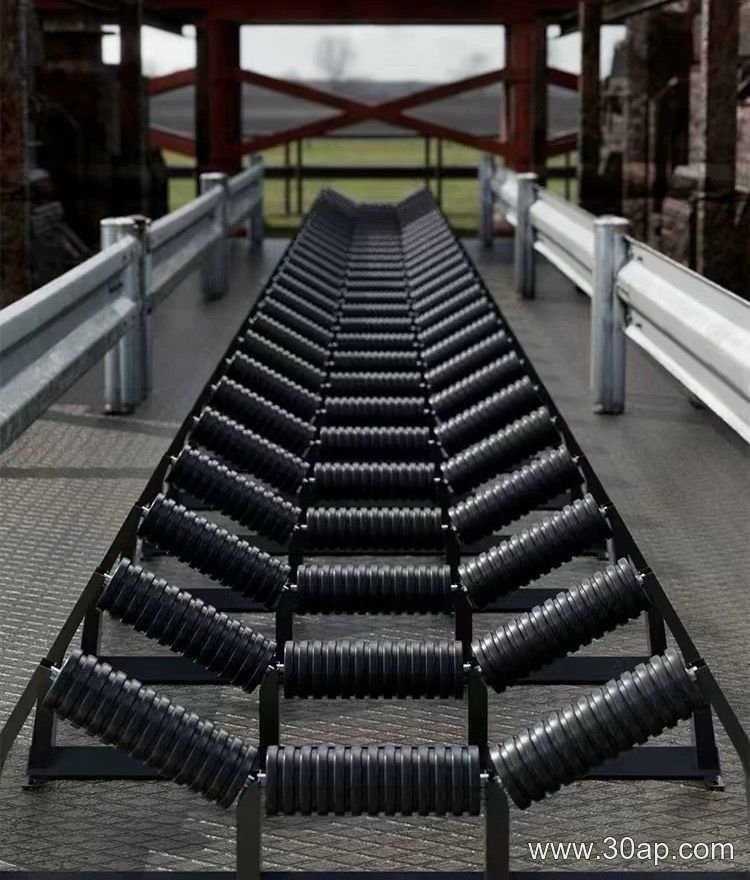
- A base plate or cross member that fits the conveyor frame
- Vertical or angled side plates that locate the idler shaft
- Slotted holes for alignment and belt tracking
- Welded or bolted joints for rigidity
Because the bracket is a fixed support, it does not tilt or train the belt by itself. It simply holds the return idler in position. Where belt training is needed, an adjustable or self-aligning bracket may be used instead, but that is a different function.
Where It Fits in the Conveyor
The parallel idler bracket is used on the return strand of a conveyor belt, between the head and tail sections. It appears in quarries, sand and gravel lines, crushing and screening plants, and cement plants. It can also be found in grain silos and fertilizer handling systems where a flat return support is required.
On a long conveyor, several parallel brackets are spaced along the return run. The spacing depends on belt width, belt tension and the load carried. A parallel idler bracket is not the same as a troughing bracket, which supports the carrying side at a trough angle. The two work together on the same machine but serve opposite sides of the belt.
Choosing the Right Size and Fit
Buyers should match the bracket to the conveyor design rather than to a single number. Common belt widths include B500, B650, B800, B1000, B1200 and larger sizes up to B2200. Return idler diameters such as Ø89, Ø108, Ø133, Ø159 and Ø194 are common, and the bracket must accept the shaft and roll chosen for the application.
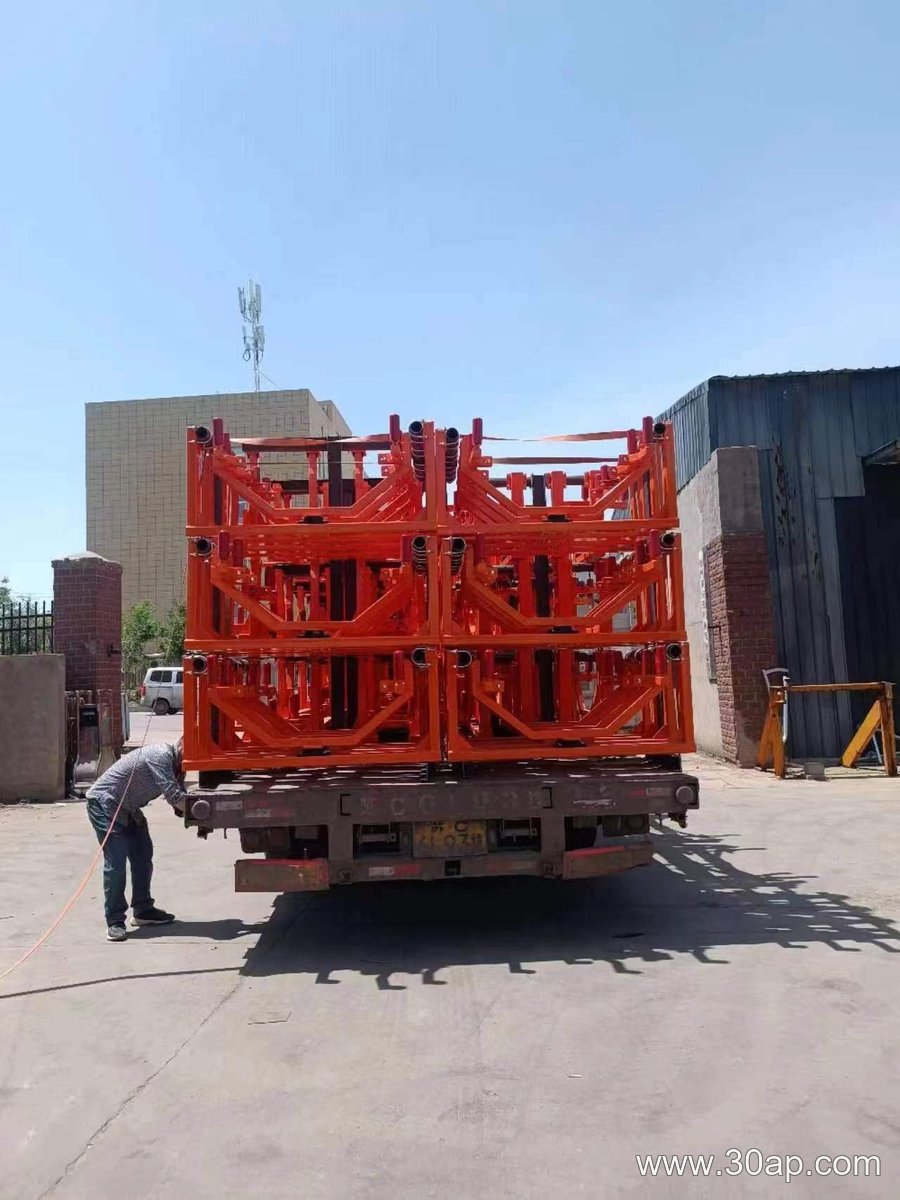
There is no rule that one belt width can only use one idler diameter. A B800 conveyor may use Ø108 or Ø133 return rolls depending on load and design speed. Likewise, a B1200 belt does not force a single roll size. The mounting hole spacing and cross member length change with belt width and frame design, so these dimensions should be confirmed against the conveyor drawing.
For reference, a parallel bracket might be quoted as B800 with Ø108 return rolls, or B1200 with Ø133 rolls. These are examples of common combinations, not fixed supply promises. The actual bracket must fit the stringer spacing and the idler shaft end.
What to Check Before Ordering
- Belt width and return idler diameter
- Shaft end type and fixing method
- Mounting hole spacing on the conveyor frame
- Material and surface treatment for the working environment
- Whether a fixed or adjustable bracket is required
A parallel idler bracket is a simple part, but it affects belt life and tracking. If the bracket is misaligned or the wrong height, the belt can run off or wear the idler roller quickly. Checking the frame dimensions and the return roll before purchase avoids most installation problems.
In short, the parallel idler bracket is the flat return support of a conveyor. It is built from steel, mounted under the belt, and sized to the conveyor rather than to a single universal specification. When it matches the return idler and the frame, it keeps the conveyor belt running straight and stable.