What an Ore Conveyor Belt Does
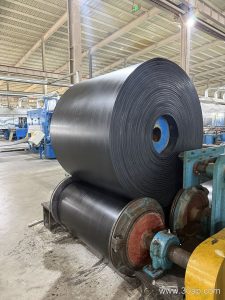
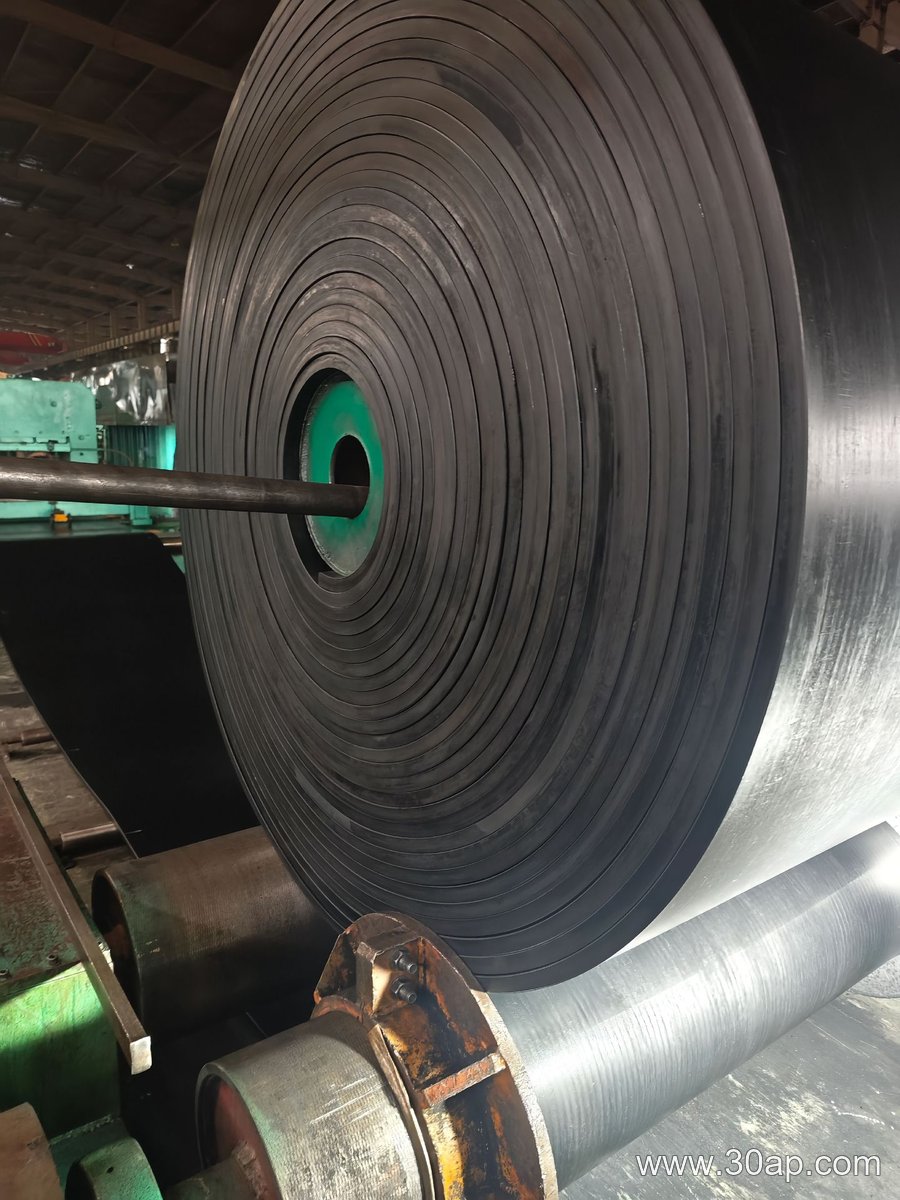
An ore conveyor belt is the load-carrying element in a bulk handling system that moves crushed rock, lump ore, and mineral concentrate from one point to another. It runs as an endless loop over a head or drive pulley, a tail pulley, and bend pulleys, supported between those points by idler rollers. The belt is not simply a rubber strip; it is a composite engineered to survive abrasion, impact, and tension while tracking straight on the structure.
The same product is often called a mining conveyor belt or a bulk material conveyor belt. Those are accurate equivalent names for the same item, not different products. Drive, tail, and bend pulleys are separate components and are not interchangeable terms.
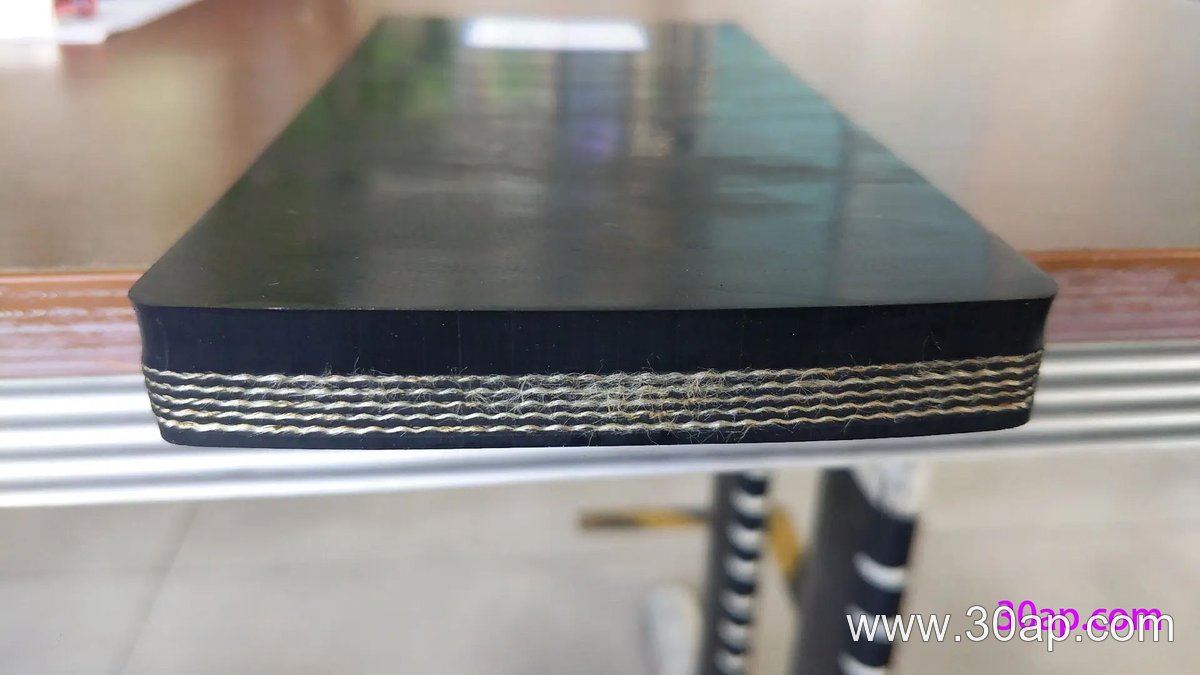
Construction of the Belt
A typical ore conveyor belt has three functional layers. The carcass carries the tension. Common carcass options include EP (polyester-cotton) fabric, NN nylon fabric, and steel cord. The cover rubber protects the carcass from the ore. A breaker or impact layer may sit under the top cover where large lumps drop onto the belt.
Fabric belts usually have two to six plies. Steel cord belts use a single layer of steel cables instead. Cover thickness is written as top plus bottom, for example 6+2 mm or 8+3 mm, with thicker covers used where abrasion is severe. Belt width matters because it sets the tonnage a system can carry; widths such as B800, B1000, B1200, and B1400 are common in ore duties, but the correct width is determined by the conveyor design, not by habit.
Special grades are available for difficult conditions. Heat-resistant covers suit hot sinter or clinker, oil-resistant covers handle oily material, and flame-retardant or antistatic grades are chosen where fire or static risk exists. Chevron or patterned covers help on inclines by stopping material from sliding back.
Where It Is Used
Ore conveyor belts appear in open-pit mines, underground mines, crushing plants, stockyards, and port loading terminals. A primary crusher discharge belt often needs high impact resistance. A long overland conveyor may need a steel cord belt to handle high tension over a long distance. A transfer belt feeding a mill may need a wear-resistant cover.
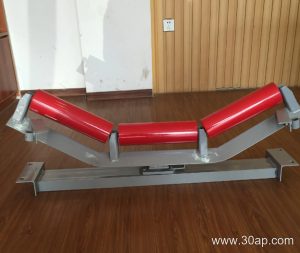
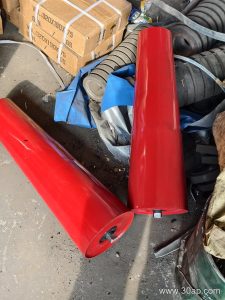
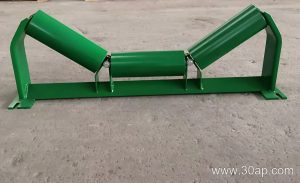
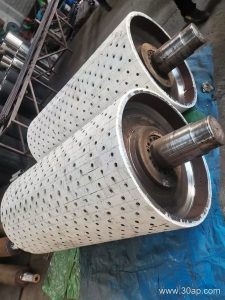
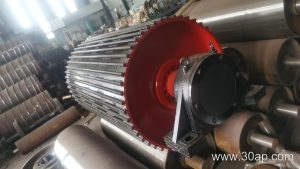
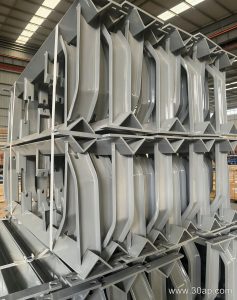
The belt does not work alone. It depends on idler rollers to support the load, a conveyor pulley to transmit drive force, and a conveyor bracket to hold the rollers and structure in alignment. Poor alignment of any of these shortens belt life.
What Buyers Should Check
- Material size and drop height, which set the impact rating and breaker layer.
- Material temperature and chemical nature, which decide whether a standard, heat-resistant, or oil-resistant cover is needed.
- Belt width and speed, which together define the required carrying capacity.
- Tension and take-up, which decide whether fabric or steel cord construction is suitable.
- Cover thickness and grade, based on abrasion and expected service life.
- Splice method, because a poor splice is a common failure point.
No single belt width fixes a specific pulley diameter, and shaft size must come from the conveyor design and load calculation rather than from width alone. Buyers should ask the supplier for the actual construction, cover grade, and recommended operating limits instead of assuming that one catalog number fits every duty.
Operation and Maintenance Notes
Training the belt after installation is important. Misalignment causes edge wear and can damage the carcass. Inspect idler rollers for seized bearings, because a dragging roller can cut a groove in the cover. Check the conveyor pulley lagging for wear and the conveyor bracket bolts for looseness. Keep the loading point centered so material does not pile on one side.
Store spare belts away from direct sunlight, heat, and ozone sources. When joining a belt, follow the supplier’s step sequence for the chosen splice type. A correctly specified and maintained ore conveyor belt can run for years, but matching the belt to the real duty is the first step toward that result.