What a Feed-End Pulley Does
The feed-end pulley is the roll positioned at the material loading zone of a belt conveyor. Its job is to support the conveyor belt at the point where bulk material first lands, keeping the belt stable so the load can be carried away without excessive spillage or belt wander. Because this pulley sits near the feed chute, it often works alongside impact idlers and skirtboards to manage the initial settling of the load. In many layouts the feed-end pulley also acts as a conveyor pulley that helps maintain belt tracking as the belt transitions from the loading area into the carrying run.
It is not a drive pulley, nor is it a tail or bend pulley. Those subtypes serve different positions and duties. Drive pulleys transmit torque, tail pulleys often provide return-end support, and bend pulleys change belt direction in a take-up circuit. The feed-end pulley is selected for its location and the way it interacts with the loading stream.
Construction and Surface Options
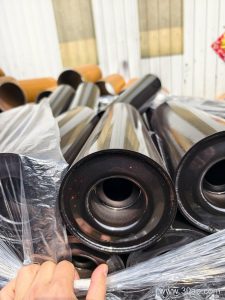
A typical unit consists of a cylindrical shell, end discs, a shaft, and bearing housings. The shell may be machined from steel pipe or fabricated from plate, then balanced for smooth rotation. Common surface forms include plain finish, rubber lagging applied by hot vulcanizing or cold bonding, and patterned lagging such as diamond or herringbone. Ceramic lagging is also used where abrasive material and slip risk are concerns. Lagging thickness often falls in the range of 8 mm to 20 mm, depending on belt speed, load, and ambient conditions.
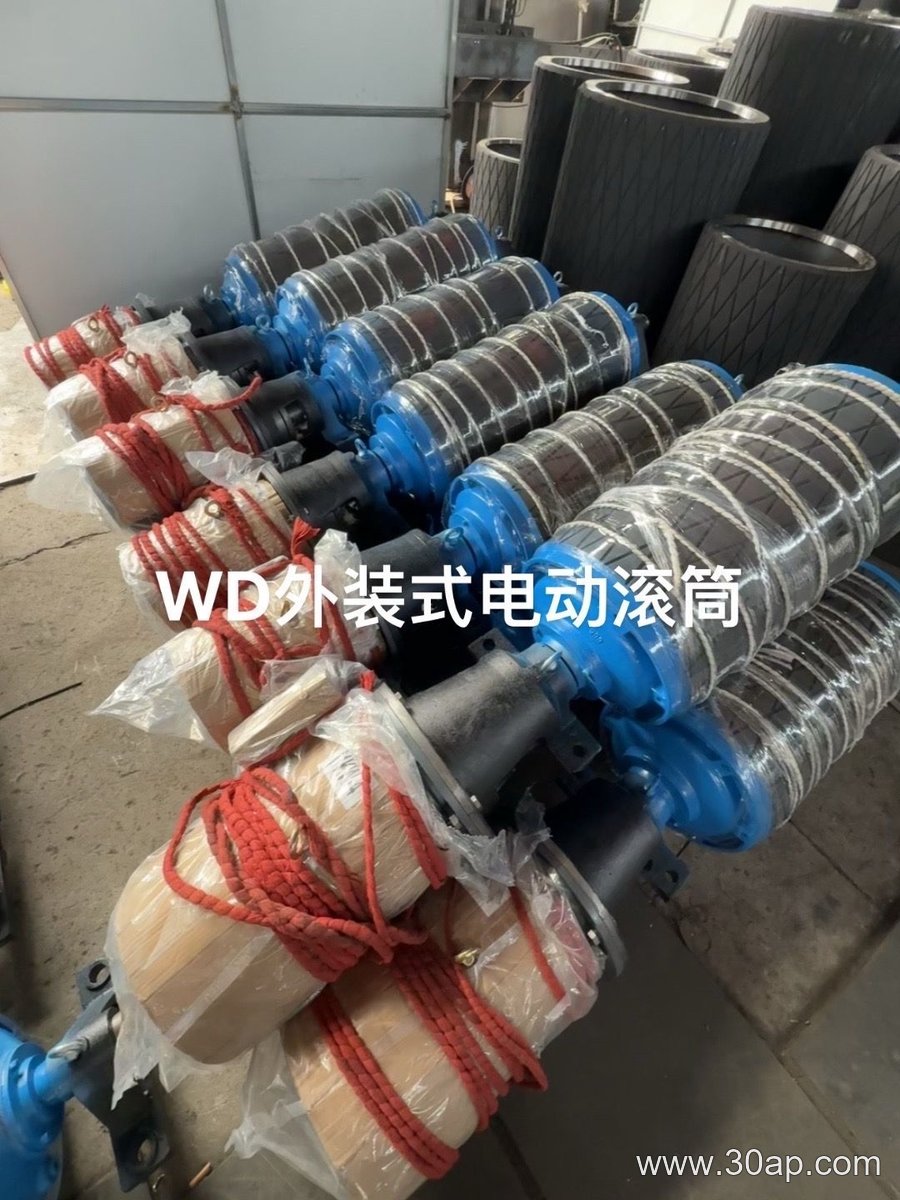
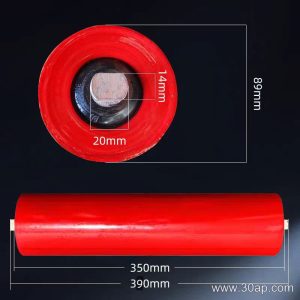
The shaft diameter is determined by torque and load, not by belt width alone. A common shaft range runs from Ø50 to Ø200, but the final size comes from engineering calculations. Shell diameter can vary widely, for example Ø200 to Ø1800, and pulley face width usually exceeds belt width to allow for belt tracking. For instance, a B1200 belt might use a face width around 1400 mm, while a B800 belt may have a face width near 950 mm. These are reference relationships, not fixed pairings.
Where It Fits in a Conveyor
The feed-end pulley is often found in crushing and screening plants, aggregate lines, and tunnel muck handling. In a limestone quarry, it may sit under the primary crusher discharge, where the belt receives coarse rock. In a coal preparation plant, it can be located after a transfer chute that feeds washed coal onto the belt. The pulley must tolerate continuous impact and abrasive fines, so the bearing seals and lagging choice matter as much as the shell thickness.
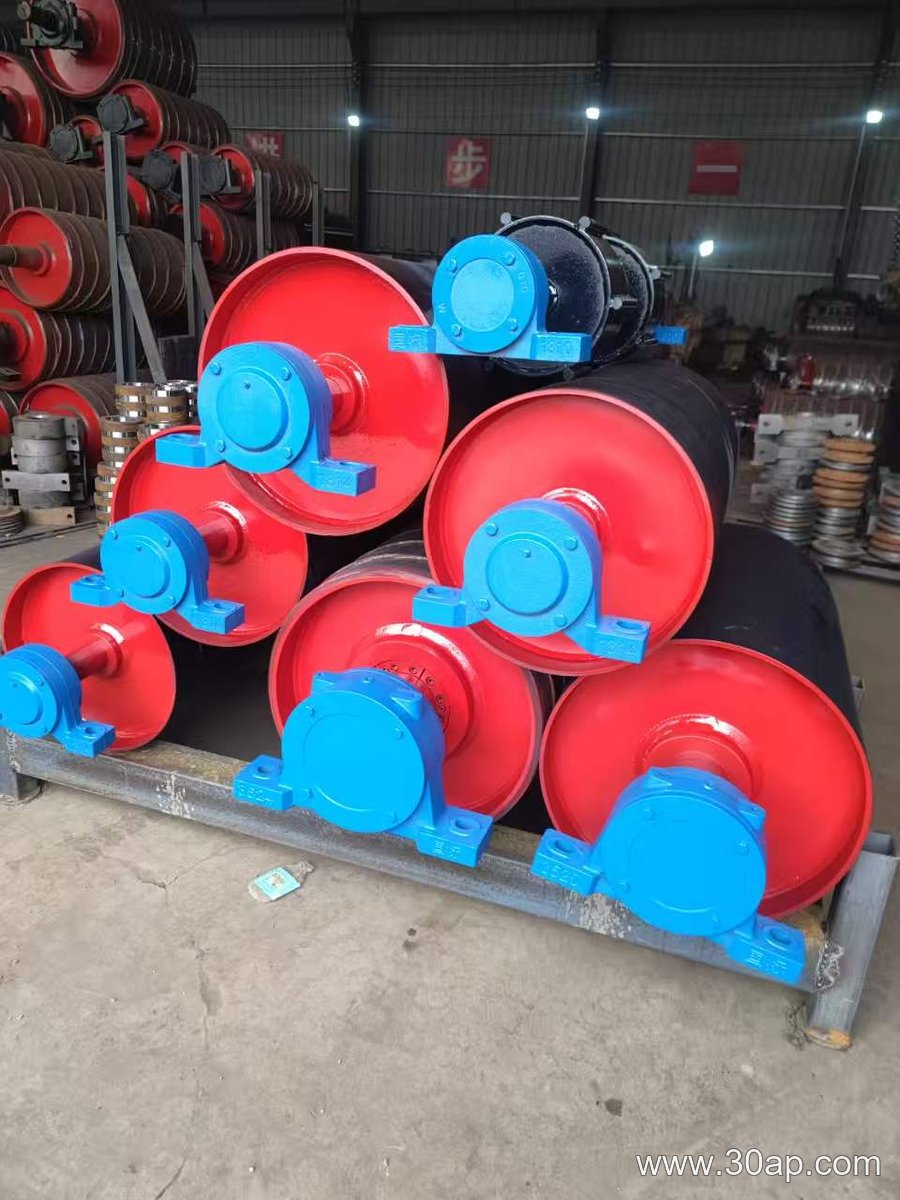
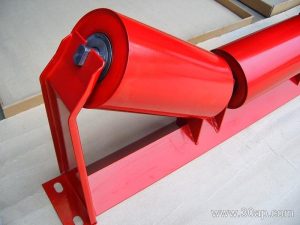
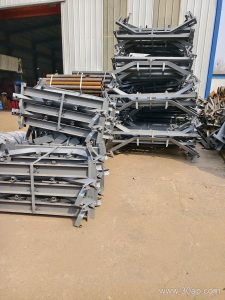
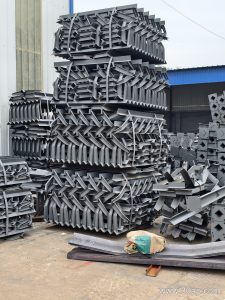
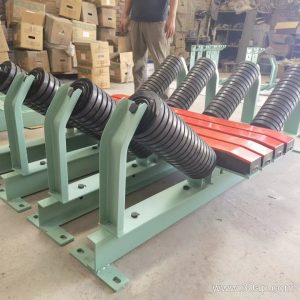
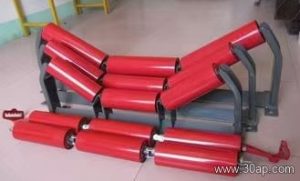
When the loading point is also a transition from an incline, the feed-end pulley may work with a conveyor bracket that holds the bearing housing and allows adjustment. Nearby, an idler roller may support the belt just before or after the pulley. These components are not interchangeable, but they cooperate to keep the belt centered and the material contained.
Selection and Buyer Checklist
Buyers should confirm several points before ordering. First, the actual belt width and the required face width. Second, the expected load and belt tension, which guide shaft diameter and bearing size. Third, the material characteristics: lump size, moisture, temperature, and abrasiveness. Fourth, the environmental conditions, such as dust, washdown, or corrosive atmosphere. Fifth, the lagging type and thickness that match the friction and wear requirements.
- Belt width and pulley face width
- Shell diameter and wall thickness
- Shaft diameter and material grade
- Bearing type and sealing arrangement
- Lagging surface and thickness
- Balancing and runout tolerances
It is also wise to ask whether the pulley will be supplied with a keyed shaft, locking assembly, or tapered bushing, because mounting details affect installation time and future maintenance. A feed-end pulley that is correctly sized and surfaced can reduce belt mistracking and extend the life of adjacent components. If the loading zone is particularly aggressive, a slightly larger diameter may help reduce belt stress, but the final choice should come from the conveyor designer, not from a single size rule.