What an Idler Seal Does on a Conveyor Roller
An idler seal is the small but critical barrier that keeps dust, water, and fine particles out of the bearing housing inside a conveyor roller. Without it, even a well-made idler roller would fail quickly in a quarry, a coal handling line, or a cement plant. The seal is not a single universal part. It is usually a combination of a labyrinth path, a contact lip, and sometimes a protective cap that works together to protect the bearing.
Because the idler roller turns continuously under load, the seal must allow free rotation while blocking contamination. That balance is what separates a durable roller from one that seizes after a few months.
How the Seal Is Built Inside an Idler Roller
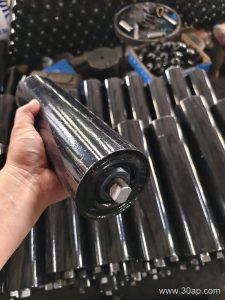
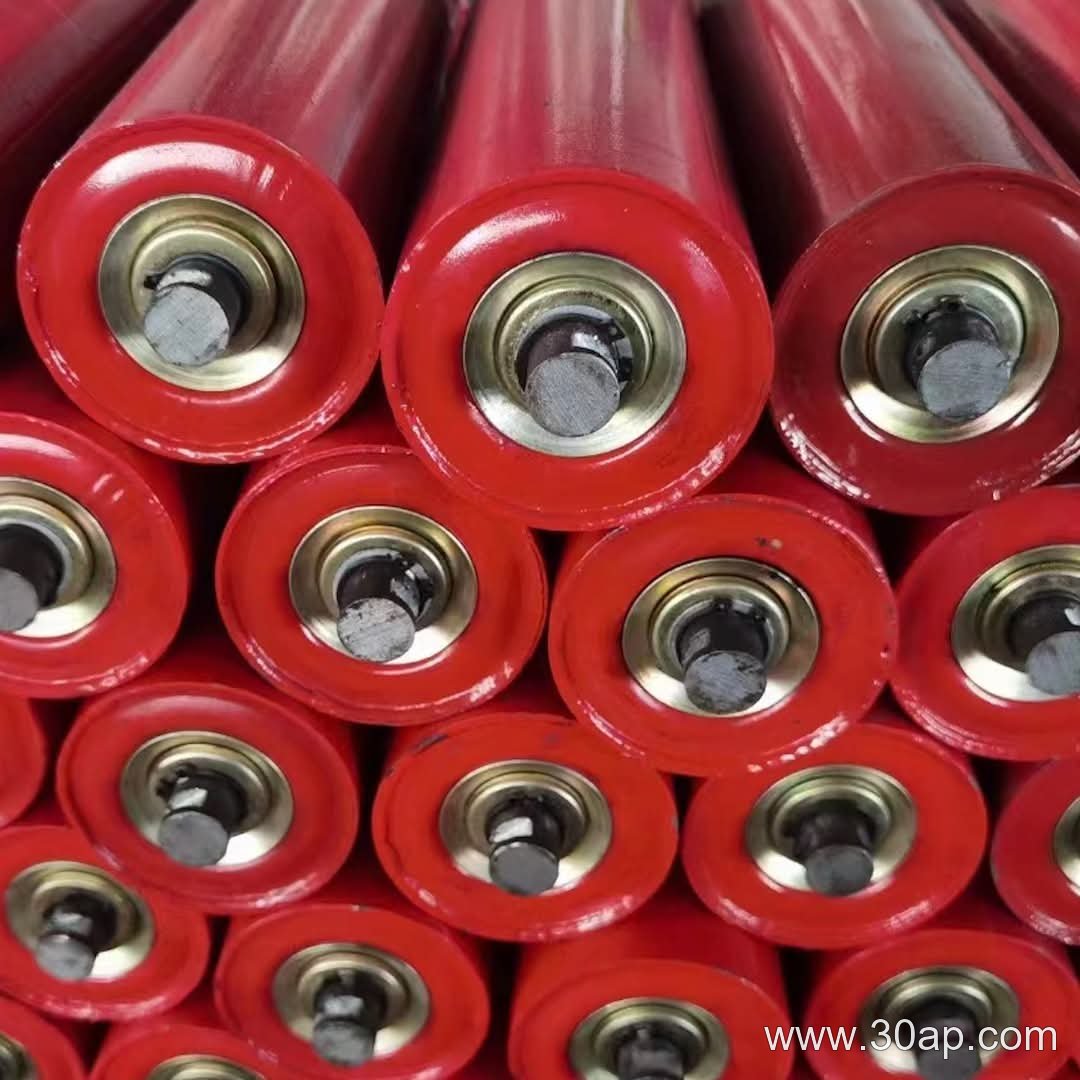
A typical idler seal sits at each end of the roller shell, just outside the bearing. Common designs include a labyrinth seal, a felt or rubber lip seal, and a metal or plastic shield. Many rollers use a multi-stage arrangement: an outer labyrinth ring throws off coarse grit, a grease-filled gap slows fine dust, and a contact lip wipes the shaft surface.
The bearing itself may be a 6204, 6205, 6305, 6306, 6308, or 6310, depending on the roller diameter and load. The seal must match that bearing size and the shaft finish. A rough shaft can wear a lip seal quickly, while an oversized labyrinth can let too much play into the assembly.
Where Idler Seals Matter Most
Sealing requirements change with the application. In a limestone mine or a sand and gravel line, abrasive dust is the main enemy. In a coal handling plant or a port unloading facility, moisture and fine coal particles can combine to form a paste that pushes past simple shields. In a fertilizer or grain handling system, the concern may be chemical attack or product contamination rather than just wear.
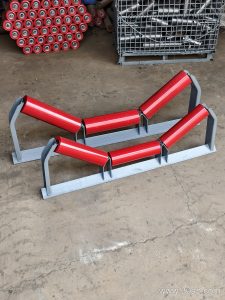
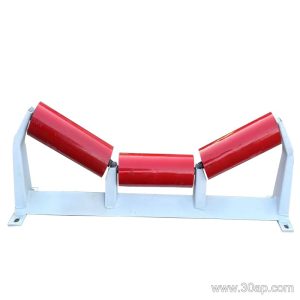
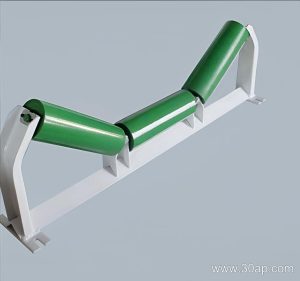
The seal also matters on different roller positions. A troughing idler on the carrying side sees continuous material impact and dust, while a return roller may face belt tracking forces and occasional water. A buffer roller with rubber rings is used at loading points, and its seal must survive shock and vibration. A spiral roller used for cleaning the belt has a different exposure because it contacts the belt surface directly. In each case, the idler seal is selected to match the environment, not just the roller diameter.
What a Buyer Should Check Before Ordering
When specifying an idler seal, a buyer should confirm the roller diameter, the bearing size, and the shaft diameter. Common roller diameters include Ø63, Ø76, Ø89, Ø102, Ø108, Ø127, Ø133, Ø159, Ø178, Ø194, and Ø219. These are not interchangeable with belt widths in a fixed way. A B800 belt may use a 315 mm roller length in a three-roll troughing set, but the seal is chosen by the roller end dimensions, not by the belt width alone.
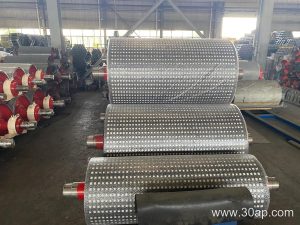
Also check the surface form of the roller: steel tube, nylon, ceramic, or rubber ring. The seal should be compatible with the roller shell material and the operating temperature. For a conveyor pulley, drive pulley, tail pulley, or bend pulley, the sealing approach is different because those are larger drum assemblies. The idler seal is specific to the rotating roller, not to the pulley.
Ask about the seal type, the number of stages, and the grease retention feature. A good supplier can explain how the seal performs in dusty or wet conditions. Do not assume that one seal fits every idler roller or every conveyor bracket. The bracket and shaft end also affect how the seal sits and how easily it can be replaced.
Maintenance and Replacement Notes
Idler seals are not usually replaced on their own in the field. In most cases, the complete roller is swapped out when the seal fails and the bearing starts to drag or make noise. However, understanding the seal helps maintenance teams choose the right replacement roller for a given section of the conveyor. If a roller fails early, the seal design and the operating environment are often the first things to review.
Keeping the belt aligned, avoiding excessive material build-up, and using the correct roller for the load point can extend seal life. For a conveyor belt that runs in a wet or abrasive location, a sealed idler roller with a multi-stage labyrinth is often a practical choice. The key is to match the idler seal to the actual conditions, not to a generic specification.