What an Aggregate Conveyor Belt Does
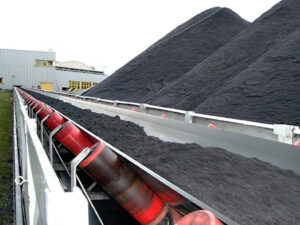
An aggregate conveyor belt is the load-carrying component that moves crushed stone, sand, gravel, and recycled material between stages of a crushing or screening circuit. It is not a generic part picked from a catalog by length alone. The belt has to match the material, the loading method, the pulley arrangement, and the environment where the conveyor sits. In practice, the same belt may run outdoors in a quarry, under a hopper, or on a portable plant that is relocated several times a year.
The belt itself is a composite. A carcass of fabric plies or steel cords provides tensile strength, while rubber covers protect the carcass from abrasion, impact, and moisture. Edge construction and the quality of the splice also matter, because most belt failures begin at the edges or at the joint rather than in the middle of the belt.
Construction and Common Specifications
Aggregate duty usually calls for a robust carcass and a thick top cover. EP and NN nylon belts are common in this service, while steel cord belts are chosen for long center distances and high tension. Cover grade may be selected for wear, heat, oil, or flame resistance depending on the plant. People sometimes ask about PVC or PVG belts, but those are generally used in different industries, so they are mentioned here only as a comparison rather than as a substitute for an aggregate belt.
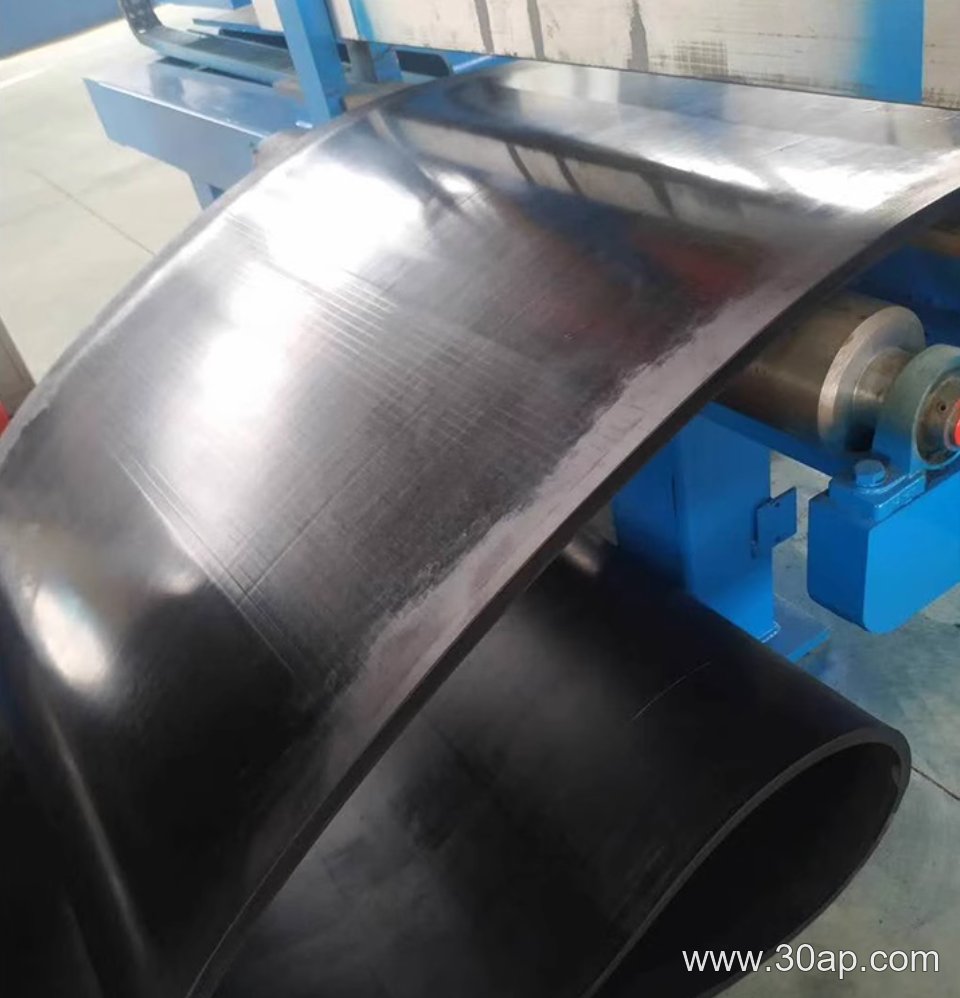
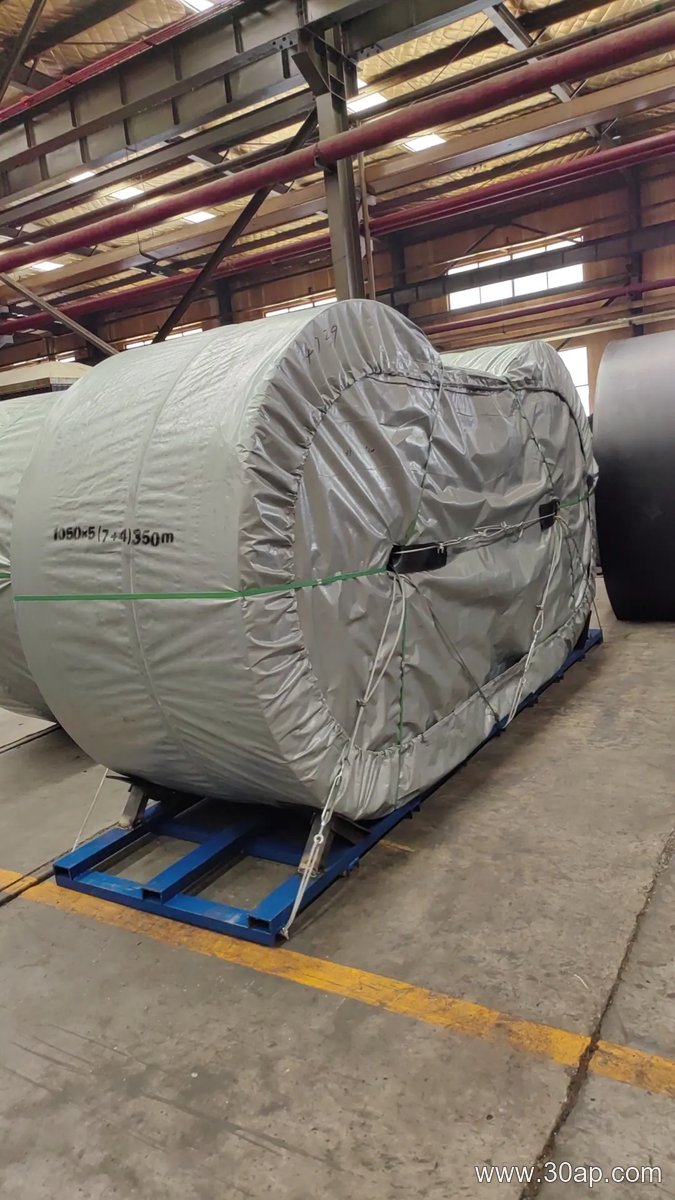
Widths such as B500, B650, B800, B1000, B1200, and wider are available, and the correct width depends on the tonnage, lump size, and troughing angle. Strength grades like EP200, EP400, EP630, and EP1000 appear in aggregate work, but the required grade comes from the conveyor design, not from a rule of thumb. Cover thicknesses such as 4+2, 5+2, or 6+2 mm are common where abrasion is severe. These figures are reference data only; actual selection is confirmed by the belt supplier and the conveyor designer.
Where It Fits in the Plant
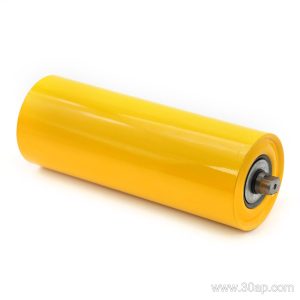
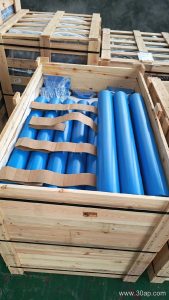
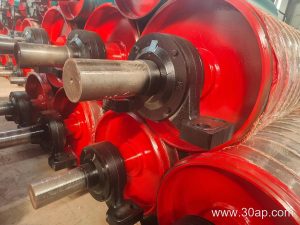
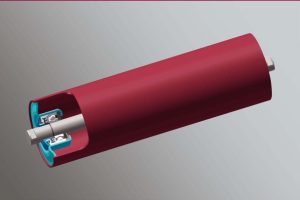
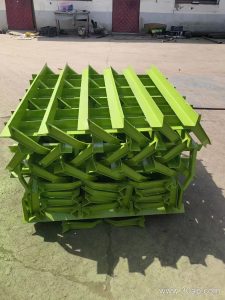
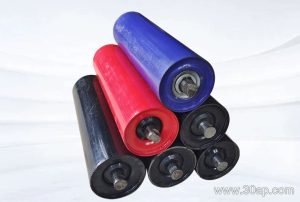
You will find this belt on primary, secondary, and tertiary conveyors, on stackers, and on transfer points between screens. It works alongside a conveyor pulley at the head and tail, idler rollers that support the belt along the run, and a conveyor bracket that holds the idlers in alignment. The drive pulley, tail pulley, and bend pulley each have a different job, and they are not interchangeable. A drive pulley transmits torque, a tail pulley returns the belt, and a bend pulley changes direction without driving. Confusing these roles leads to poor belt tracking and premature wear.
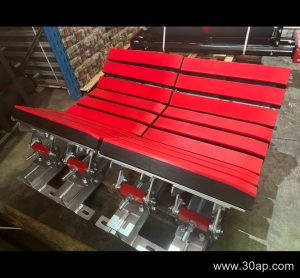
Loading conditions shape the choice as much as the material does. A belt fed by a chute with a large drop needs impact resistance and a suitable idler spacing. A belt carrying fine, wet sand may need a different cover compound than one handling sharp, dry granite. Where dust is present, antistatic and flame-resistant properties may be requested, but the buyer should confirm what the site actually requires.
What Buyers Should Check Before Ordering
- Belt width, length, and splice type for the specific conveyor.
- Carcass type and strength grade matched to the calculated tension.
- Cover compound and thickness for the material and the loading point.
- Pulley diameters and the belt’s minimum pulley requirement.
- Idler roller spacing, trough angle, and transition distance.
- Environmental conditions such as temperature, moisture, and chemical exposure.
One common mistake is assuming that a given belt width fixes the pulley diameter or the shaft size. It does not. Belt width, pulley diameter, and shaft diameter are separate design decisions, and they must be checked together. A wider belt does not automatically mean a larger pulley, and a pulley diameter should never be guessed from belt width alone.
Installation and Maintenance Notes
Correct installation protects the investment. The belt should be centered before tensioning, and the splice should be inspected after the first few hours of running. Misalignment at the tail pulley or a worn idler roller can cause edge damage that spreads quickly. Regular checks of the belt surface, edges, and fasteners help catch problems early. Keeping the return side clean reduces buildup on rollers and pulleys, which is a frequent cause of tracking faults.
A replacement belt should be ordered with the same critical dimensions and a comparable construction, unless the conveyor is being redesigned. Changing cover thickness or carcass type without checking the pulley and take-up capacity can create new problems elsewhere. When in doubt, provide the conveyor data to the belt supplier and let the selection follow the actual duty rather than a generic catalog entry.