What a Cold Resistant Conveyor Belt Is
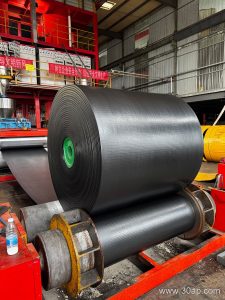
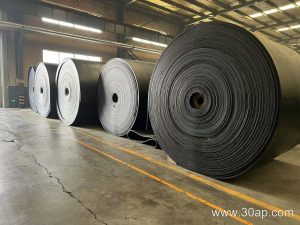
A cold resistant conveyor belt, also called a low temperature conveyor belt or arctic-grade belt, is a rubber conveyor belt engineered to stay flexible and strong when the ambient temperature drops well below freezing. Standard belting often turns stiff and brittle in cold weather, which can lead to cracking at the edges, snapped cleats, and premature failure. A belt made for cold climates uses a rubber compound that keeps its elastic behavior at low temperatures, so it can still wrap around pulleys and track properly on a conveyor system.
These belts are not simply ordinary belts with a different label. The cover compound, the carcass construction, and the bonding between layers are all selected so the product keeps working in cold stores, outdoor mines, and winter port operations.
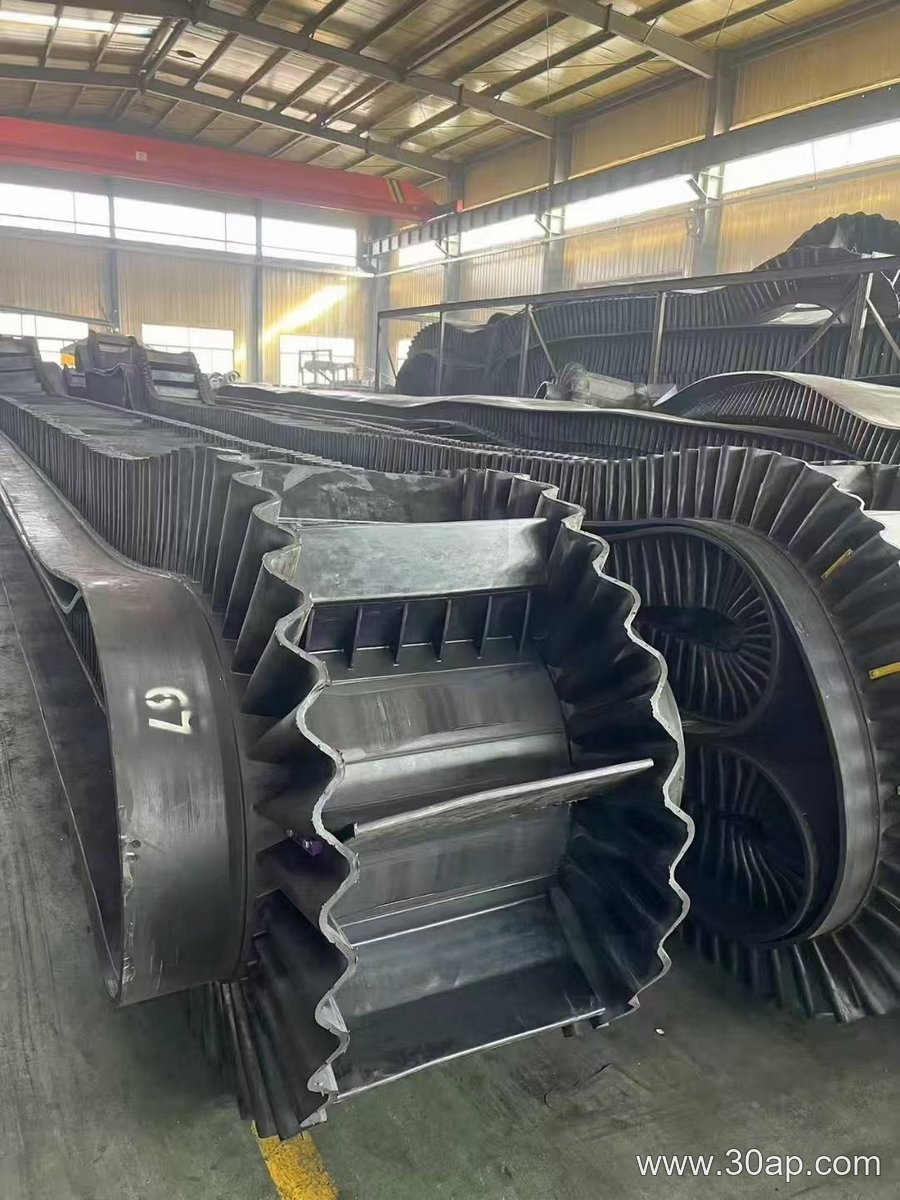
How the Belt Is Built
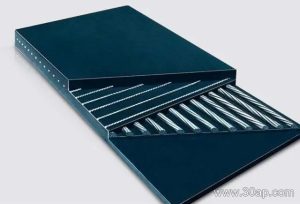
The structure follows the same basic logic as other rubber conveyor belts, but each part is adjusted for cold service.
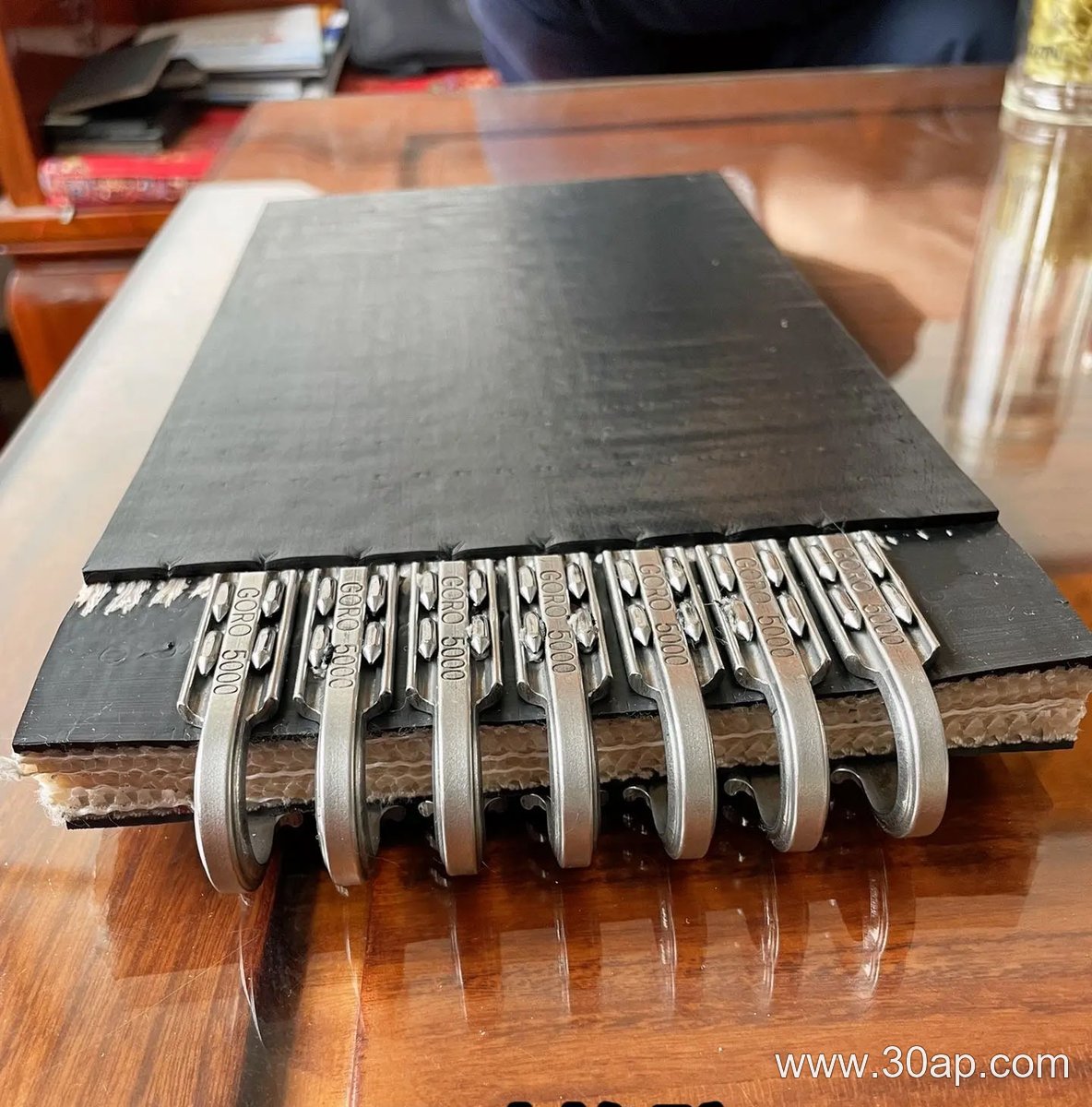
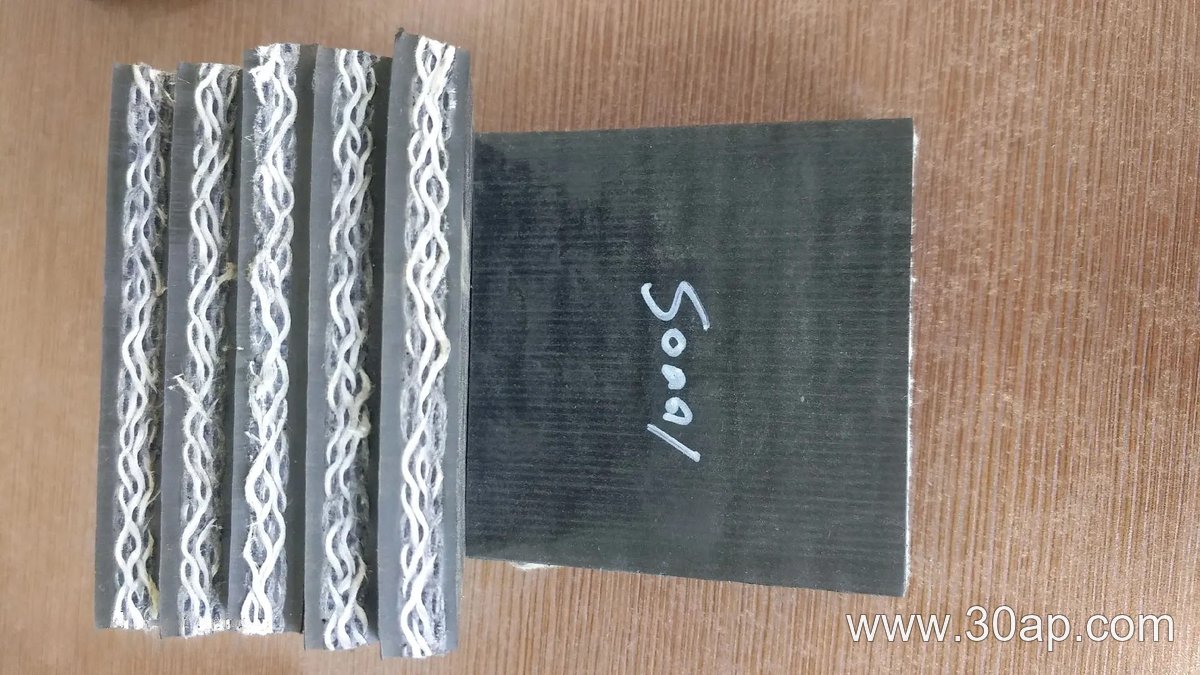
- Cover rubber: A low temperature compound, often based on a blend that resists hardening, forms the top and bottom covers. Common cover thicknesses are 3+1.5 mm, 4+2 mm, 5+2 mm, 6+2 mm, and 8+3 mm, chosen according to the load and impact level.
- Carcass: The strength layer is usually EP (polyester-cotton) fabric, NN nylon fabric, or steel cord, depending on the required tension and the size of the system. A typical cold resistant belt may have 2 to 6 fabric plies.
- Bonding: The skim rubber between plies must stay flexible at low temperatures; otherwise the layers can separate when the belt bends.
Strength grades such as EP200, EP315, EP400, EP500, EP630, EP800, EP1000, EP1250, EP1600, and EP2000 are reference points. The correct grade depends on the conveyor length, the load, and the pulley arrangement, not on a single fixed rule.
Where It Is Used
Cold resistant belting is common in places where the temperature stays low for long periods or swings between freezing and thawing. Typical applications include:
- Refrigerated warehouses and cold storage rooms
- Outdoor mining and quarrying in cold regions
- Fertilizer, salt, and aggregate handling in winter
- Food processing plants that operate below freezing
- Ports and rail yards in northern climates
In these settings, the belt has to start under load after sitting still in the cold. A belt that stiffens can slip on the drive pulley, misalign, or crack near the edges. The cold resistant version reduces those risks and keeps material moving.
Other Belt Types for Comparison
It helps to know how this product differs from related belts. A heat resistant belt is built for high temperature service and would not perform well in freezing conditions. A flame resistant or antistatic belt focuses on fire and static safety, not low temperature flexibility. Patterned belts, such as chevron or cleated types, can also be made in a cold resistant compound when a slope or incline needs extra grip. These are separate subtypes with their own design priorities, so they should not be treated as direct replacements for a cold resistant belt.
Specification and Selection Notes
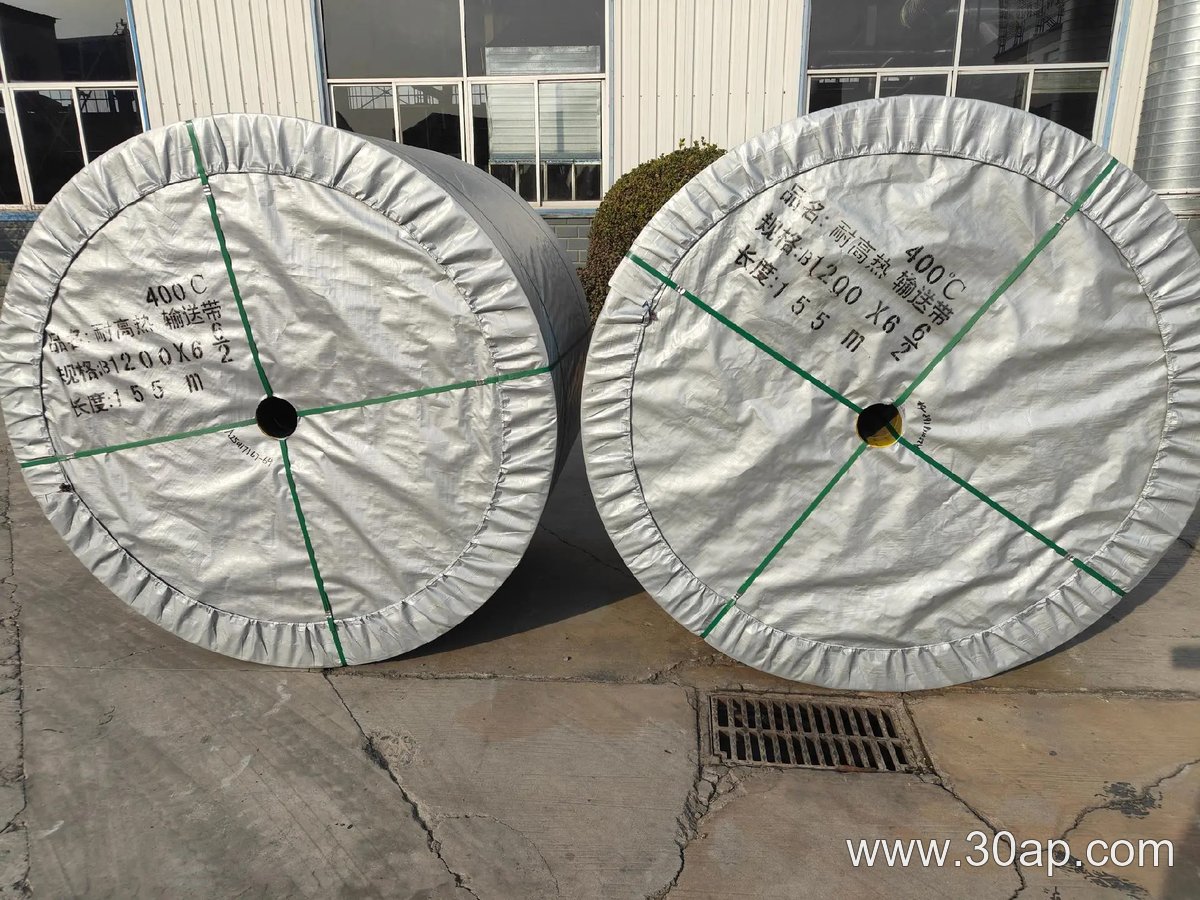
Belt width is usually chosen to match the conveyor system. Common widths include B500, B650, B800, B1000, B1200, B1400, B1600, B1800, and B2000. Width alone does not determine the pulley diameter or shaft size; those values come from the overall conveyor design. A wider belt may run on a range of pulley diameters, and the same width can be used with different drive, tail, and bend pulleys.
When selecting a cold resistant conveyor belt, the buyer should confirm:
- The lowest operating temperature the belt will face
- The material being carried, including lump size and abrasiveness
- The required tensile strength and number of plies
- Cover thickness and whether a patterned surface is needed
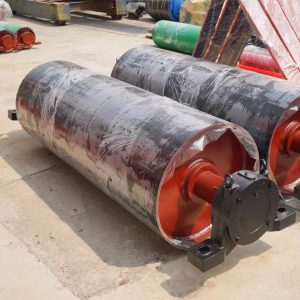
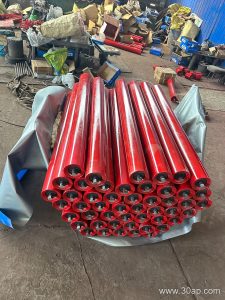
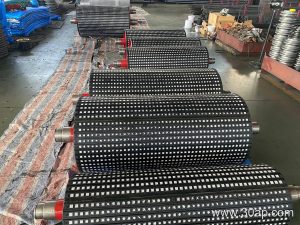
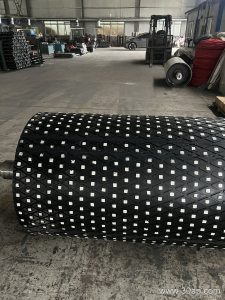
- Compatibility with idler rollers, conveyor pulleys, and conveyor brackets in the existing frame
It is also worth asking how the belt will be stored and installed. A belt that is coiled tightly in freezing weather and then forced open can be damaged before it ever runs. Gradual warming and proper handling reduce that risk.
Maintenance in Cold Service
Cold resistant belts still need regular attention. Check the belt edges for small cracks, watch for material buildup on idler rollers, and make sure the conveyor pulley surfaces are clean and aligned. A misaligned belt rubs against the structure and can fail faster in cold weather because the rubber is less forgiving. Tension should be set according to the manufacturer’s guidance for the specific belt, not copied from a different product. With the right compound, the right carcass, and sensible maintenance, a cold resistant conveyor belt can deliver dependable service through the coldest parts of the year.