What a Conveyor System Idler Does
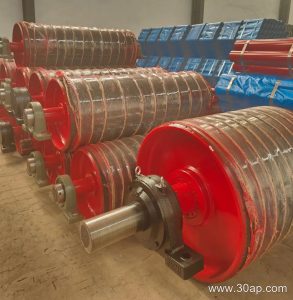
A conveyor system idler is the rotating support that carries the conveyor belt along its route. You will find these components on both the carrying side and the return side of a bulk handling conveyor, where they reduce friction, maintain belt shape, and help keep material moving smoothly. In a quarry, a cement plant, or a coal-fired power station, dozens or even hundreds of idlers work together to support a loaded belt. The idler is not a drive component, so it should never be confused with a conveyor pulley. Drive pulleys, tail pulleys, and bend pulleys transmit power or change belt direction, while idlers simply support and guide the belt.
Construction and Common Subtypes
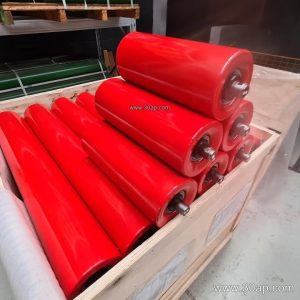
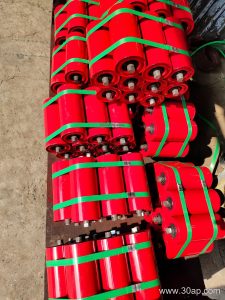
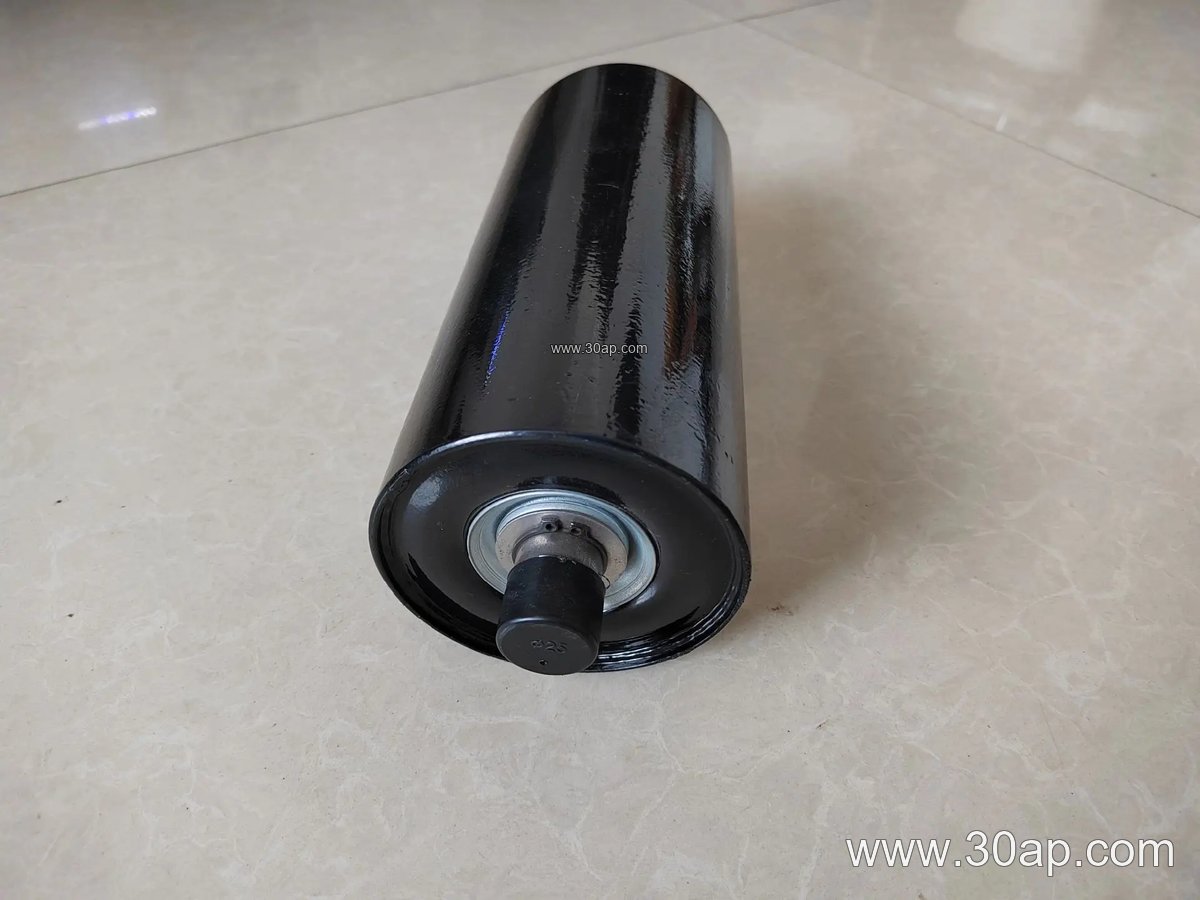
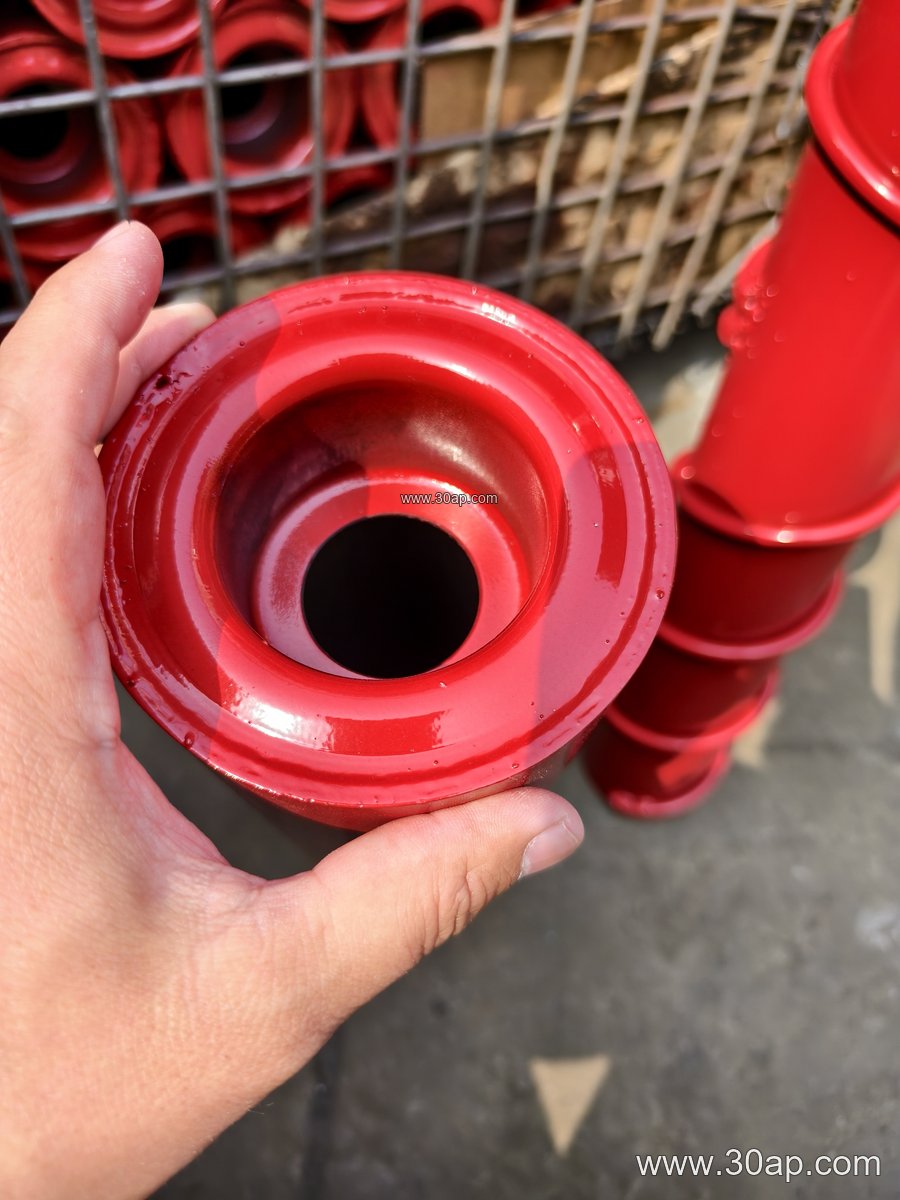
Most idlers share a simple build: a steel tube shell, a shaft, bearing housings, and seals. The shell may be plain steel, nylon-coated, ceramic-covered, or fitted with rubber rings for impact absorption. Bearing sizes such as 6204, 6205, 6305, 6306, 6308, and 6310 are common, but the correct bearing depends on load, speed, and idler diameter rather than on belt width alone.
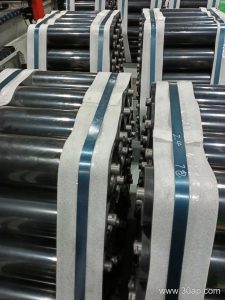
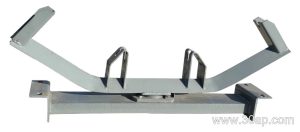
Different positions on the conveyor call for different designs. Troughing idlers, also called carrying idlers, are usually arranged in a three-roll set to form a trough that keeps bulk material centered. A two-roll or single-roll arrangement may appear in lighter duties. Return idlers support the empty belt on its way back, and V-return idlers help with belt training. Impact idlers with rubber rings are placed under loading points to cushion falling rock or ore. Self-aligning idlers, including friction and tapered types, correct belt wander on long runs.
Where Idlers Are Used
You will see conveyor system idlers in limestone mines feeding a crusher, in aggregate plants moving sand and gravel, and in cement works transporting clinker and raw meal. Power plant coal handling, steel plant sinter lines, and port ship-loading conveyors also rely on them. The working environment matters: a dusty quarry, a wet wash plant, and a high-temperature cement line each put different demands on seals and lubrication.
Matching Idler Diameter and Belt Width
Buyers often ask how roll diameter relates to belt width. There is no single fixed rule, but common practice links larger belt widths to larger roll diameters and heavier frames. The table below shows typical combinations, not mandatory pairings.
| Belt width | Typical idler diameter | Common trough angle |
|---|---|---|
| B500 | Ø76 to Ø89 | 20° to 30° |
| B650 | Ø89 to Ø102 | 20° to 35° |
| B800 | Ø89 to Ø108 | 30° to 35° |
| B1000 | Ø108 to Ø127 | 30° to 35° |
| B1200 | Ø108 to Ø133 | 30° to 45° |
| B1400 | Ø127 to Ø159 | 35° to 45° |
| B1600 | Ø133 to Ø178 | 35° to 45° |
| B1800 | Ø159 to Ø194 | 35° to 45° |
| B2000 | Ø178 to Ø219 | 35° to 45° |
Roll length changes with belt width, trough angle, and roll arrangement. For a three-roll troughing set, common roll lengths run roughly 200 mm for B500, 250 mm for B650, 315 mm for B800, 380 mm for B1000, 465 mm for B1200, 530 mm for B1400, 600 mm for B1600, 670 mm for B1800, and 750 mm for B2000. Side rolls and center rolls can differ, so always confirm the drawing.
Selection and Maintenance Notes
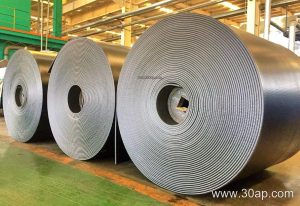
When specifying idlers, look at the conveyor belt type and load. An abrasion resistant conveyor belt carrying sharp rock needs robust shells and good seals. A heat resistant conveyor belt in a cement plant may require idlers that tolerate warm return belt contact. A flame retardant conveyor belt in an underground coal mine calls for careful attention to static and fire safety in the whole conveyor line, including idlers, brackets, and pulleys.
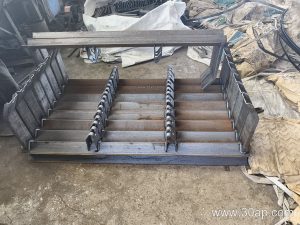
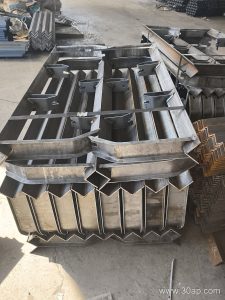
On the maintenance side, check for seized bearings, worn shells, and misaligned frames. Replace idlers in sets where possible, and keep spare rubber rings for impact stations. A conveyor bracket that has bent can tilt the idler and cause belt tracking problems, so inspect frames as well as rolls. Visit our site for conveyor system idler guidance and related components such as conveyor belt, idler roller, and conveyor pulley.