What a 1500mm Wide Conveyor Belt Is
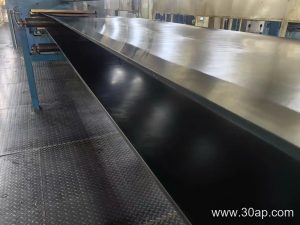
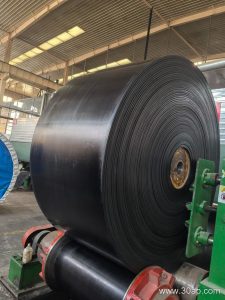
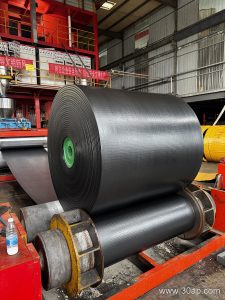
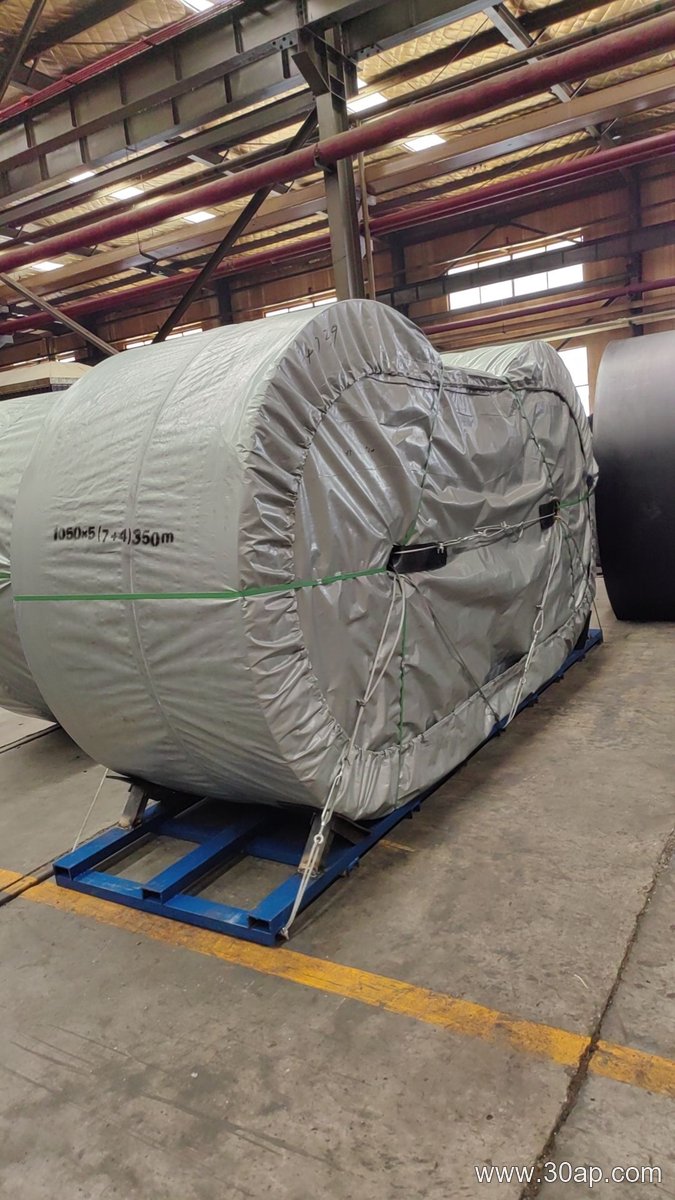
A 1500mm wide conveyor belt is a heavy-duty belting product built to run on conveyor systems where the carrying width is 1500 millimeters. It is often chosen when a single stream must move a high volume of bulk material without excessive belt speed, or when the lump size and loading conditions call for a broader carrying surface. The same product is also described as a 1500 mm wide conveyor belt or a 1.5 m wide belt, and these names refer to the same belting width rather than to different belt types.
Width is only one part of the specification. A buyer still needs to confirm the carcass type, tensile strength, cover grade and thickness, because a 1500mm wide belt can be supplied in several constructions depending on the duty.
Construction and Common Configurations
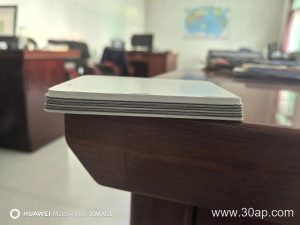
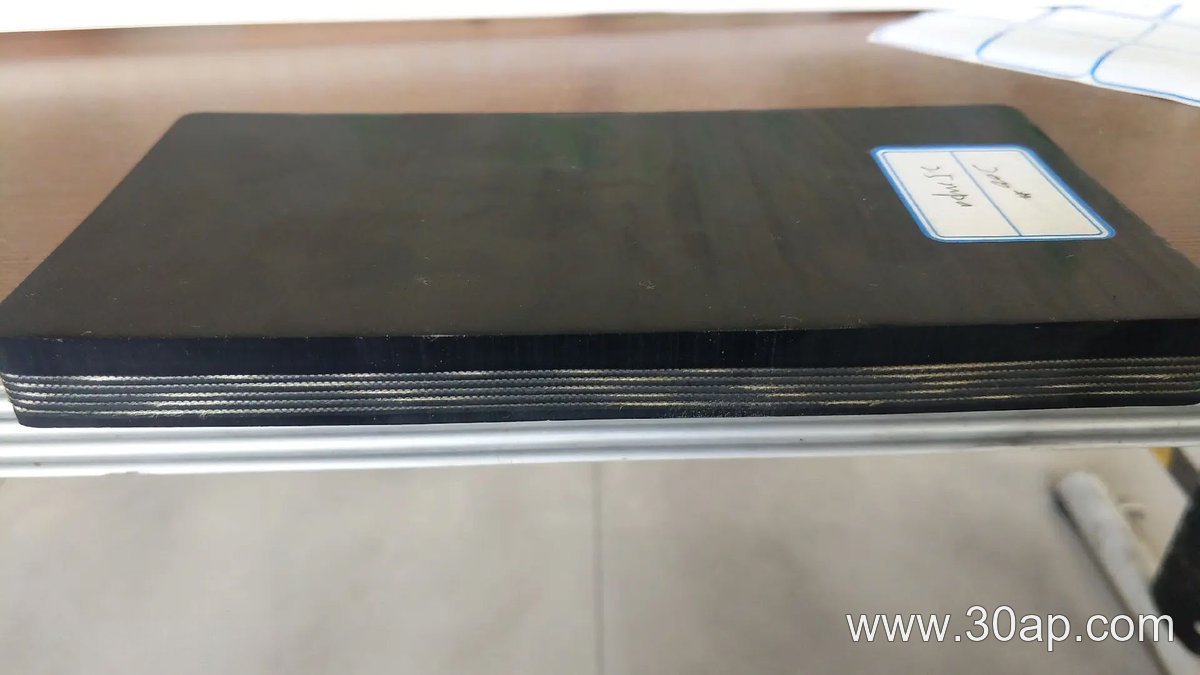
The belt body usually combines a fabric or steel cord carcass with rubber covers on the carrying side and the pulley side. Common carcass options for this width include EP (polyester-cotton) fabric, NN nylon fabric and steel cord. Tensile grades such as EP200, EP400, EP630, EP1000 or higher may be used, depending on the calculated belt tension. Cover compounds are selected for the material being conveyed: abrasion-resistant, heat-resistant, oil-resistant, flame-retardant, antistatic or cold-resistant grades are all available. Cover thickness combinations such as 4+2 mm, 6+2 mm or 8+3 mm are common in heavy-duty service, but the final choice should follow the load and impact conditions rather than a fixed rule.
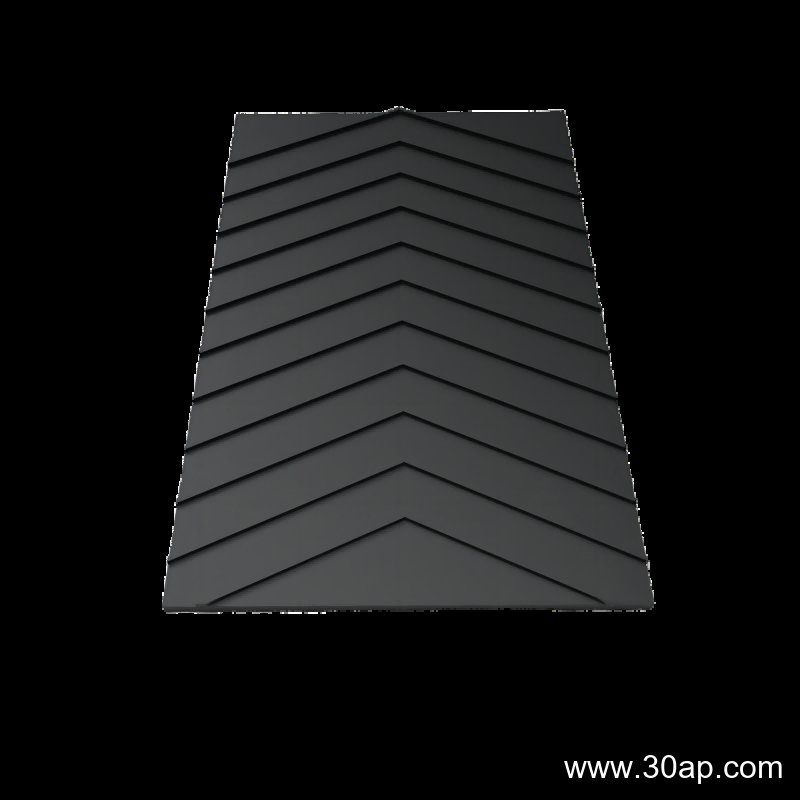
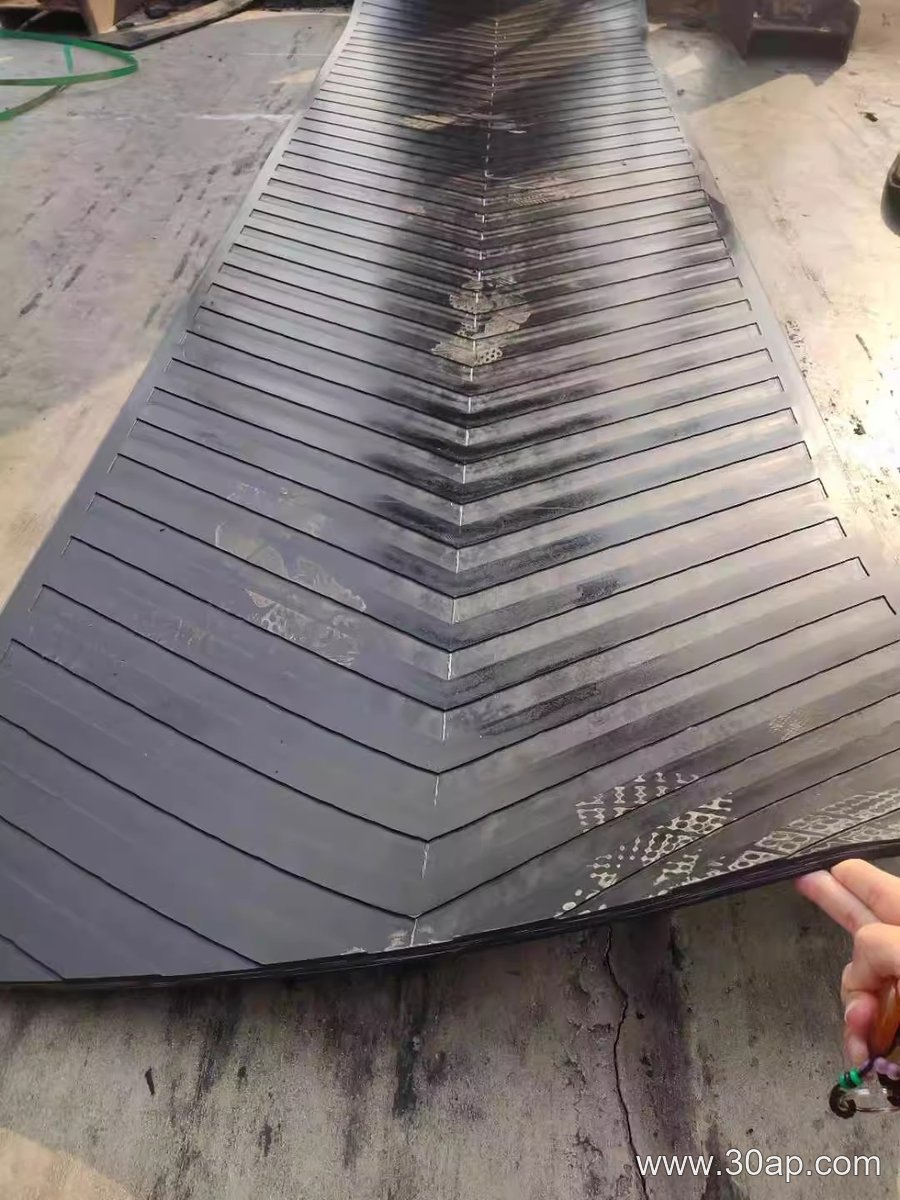
Surface forms can also vary. A smooth cover suits general bulk handling, while patterned or chevron surfaces help on inclines where material tends to roll back. Corrugated sidewall belts are a different design and are mentioned here only for comparison; they are not a direct replacement for a flat 1500mm wide belt.
Where This Belt Width Fits
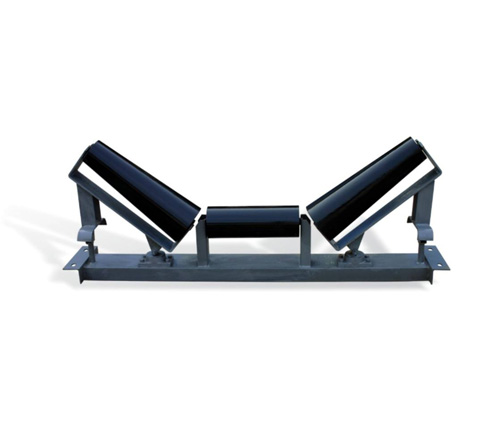
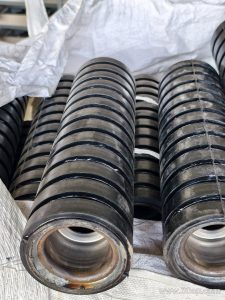
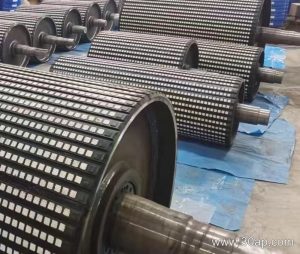
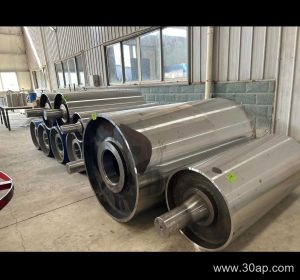
A 1500 mm belt is frequently found in primary crushing circuits, stockyard conveyors, port loading lines and large material handling systems. It suits iron ore, coal, crushed stone, sand, gravel and similar bulk materials when the required capacity is high. In these duties, the belt works with idler rollers that support the load, a drive pulley that transmits motion, a tail pulley that maintains tracking, and bend pulleys that route the belt through the system. These pulleys are not interchangeable: the drive pulley provides the turning force, the tail pulley returns the belt, and a bend pulley changes direction without driving. Conveyor brackets and frames hold the rollers and pulleys in alignment.
The width itself does not dictate a single pulley diameter or shaft size. Those values are calculated from belt tension, wrap angle, speed and the conveyor profile. A 1500mm wide belt can be paired with different pulley diameters in different installations, so the design should always be checked as a whole.
Points to Check Before Buying
- Material and duty: Confirm lump size, bulk density, temperature and any oil or chemical exposure. These determine the cover grade and carcass type.
- Tensile strength: The belt must handle the maximum running tension with a suitable safety factor. Do not select by width alone.
- Cover thickness: Thicker covers resist abrasion and impact but add weight and cost. Match the cover to the actual wear pattern.
- Roller and pulley compatibility: Check that idler roller spacing and pulley dimensions suit the belt stiffness and load. A wider belt may need more support to prevent sag.
- Tracking and splicing: Wide belts are more sensitive to mistracking. Confirm the splice method and make sure the structure is square and the pulleys are aligned.
- Environmental conditions: For cold, hot, oily or flammable environments, specify the appropriate compound instead of a general-purpose cover.
Maintenance Notes for Long Service
Inspect the belt regularly for edge damage, cover wear and splice condition. Keep idler rollers turning freely, because a seized roller can wear the cover quickly. Check that the drive pulley, tail pulley and bend pulleys remain aligned, and adjust take-up tension as recommended by the conveyor designer. When loading, center the material stream to reduce edge loading, which is a common cause of premature failure on wide belts.
A 1500mm wide conveyor belt is a capable choice for high-capacity bulk handling, but it works best when the carcass, cover and conveyor components are selected together. Buyers should treat width as the starting point and confirm every other specification against the actual operating conditions.