What a High-Angle Conveyor Idler Does
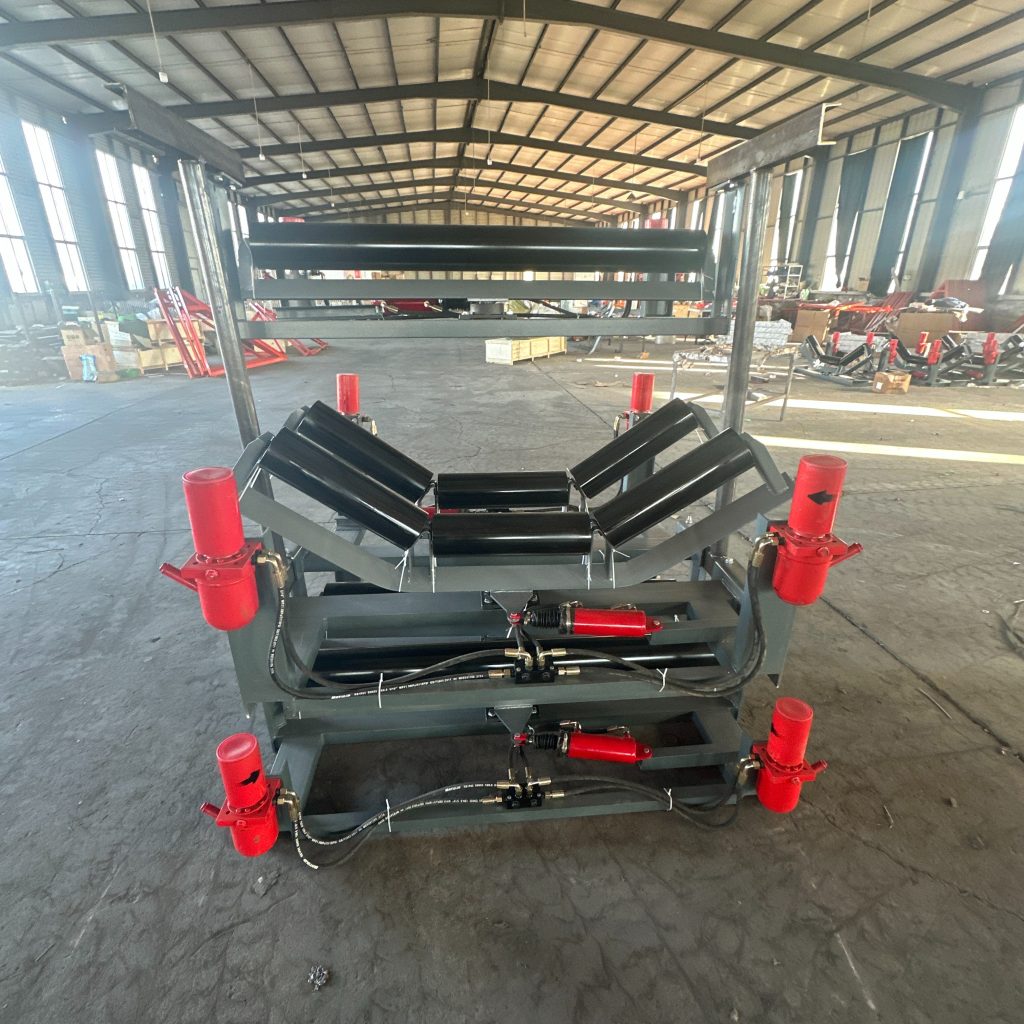
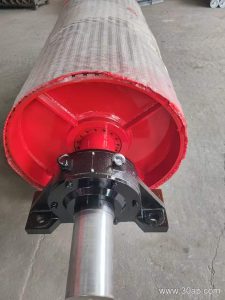
A high-angle conveyor idler is a carrying roller built to support the belt on steep inclines, typically above 18 degrees, where standard troughing rolls may allow material to slide back. Unlike a conventional idler roller used on flat or gently sloping sections, this roller works together with the belt cover and sometimes with raised side walls or cleats to keep the load stable. The high-angle conveyor idler is also known as a steep incline idler or a deep trough idler, and it is not the same as a drive pulley, tail pulley, or bend pulley. Those pulleys transmit power or change belt direction; the idler only supports and guides the belt.
Construction and Key Features
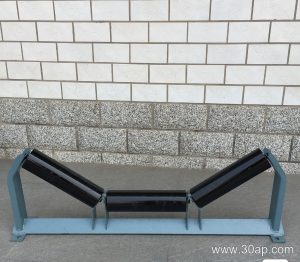
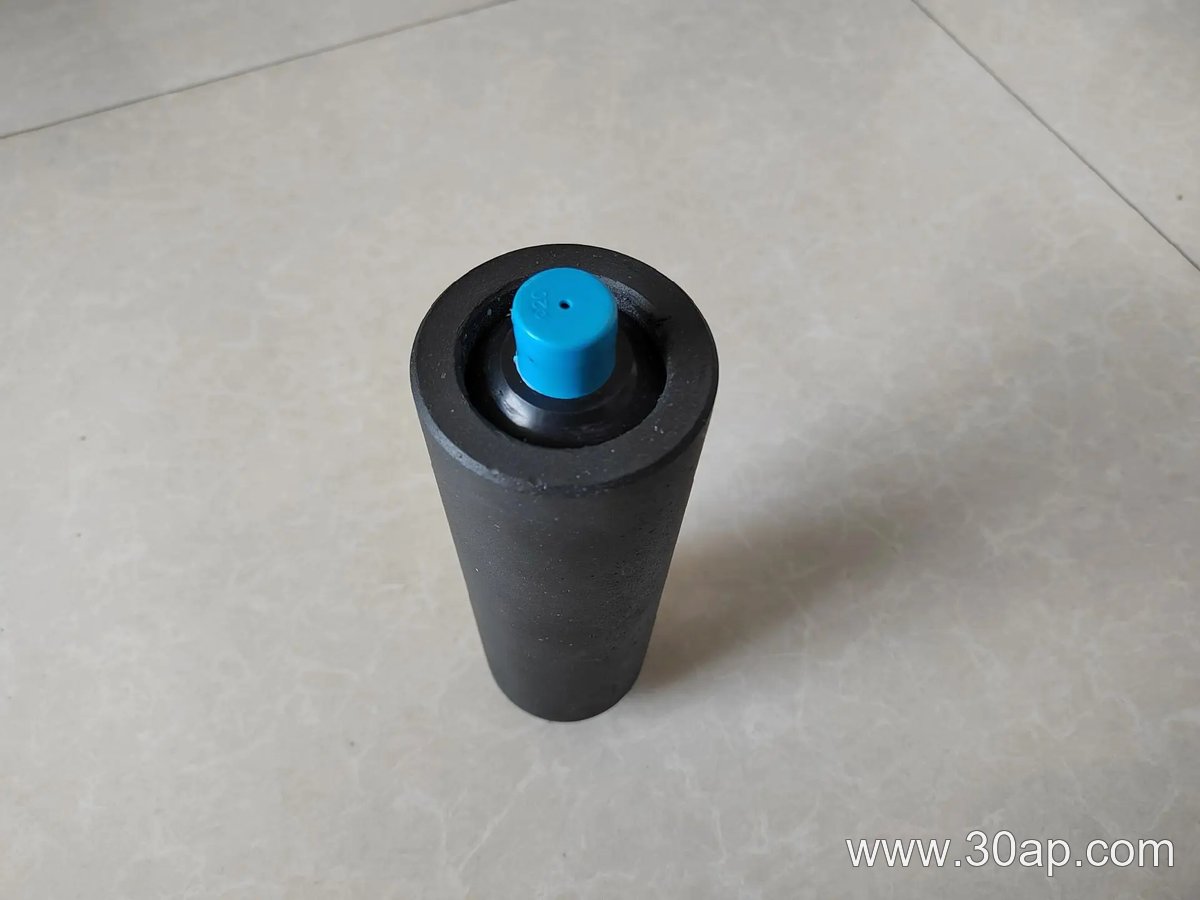
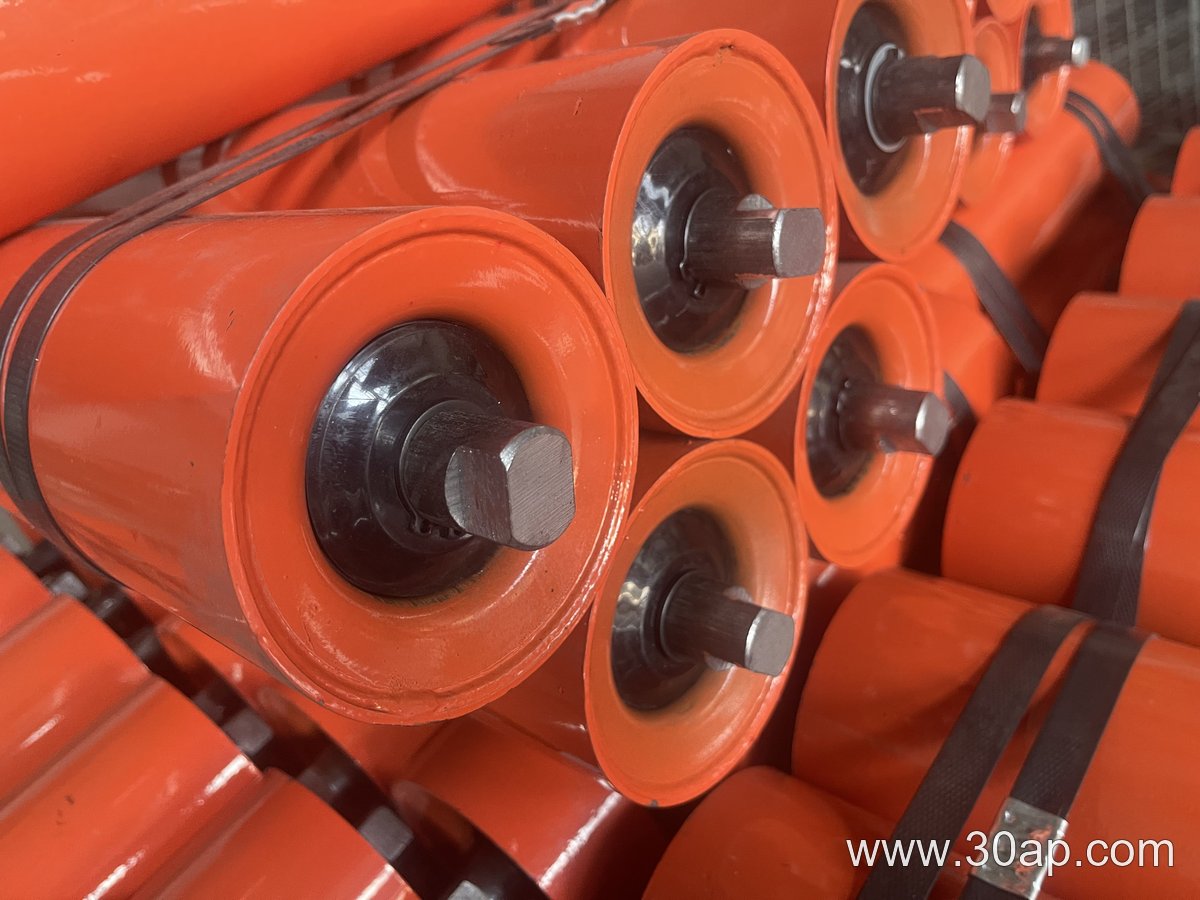
Most high-angle conveyor idlers use a steel tube shell with sealed bearings housed in the end caps. Common roller diameters for this duty include 89 mm, 108 mm, 133 mm, and 159 mm, though the final choice depends on belt width, load, and speed. The roll surface may be plain steel, nylon, rubber-covered, or ceramic-coated for extra grip or wear resistance. On steep inclines, the trough angle often reaches 35 degrees or 45 degrees, deeper than the 20 or 30 degrees used on ordinary sections. A three-roll troughing set is typical, with the side rolls angled sharply to cradle the belt. Some designs add a forward tilt of about 1.5 to 2 degrees to help center the belt and reduce spillage.
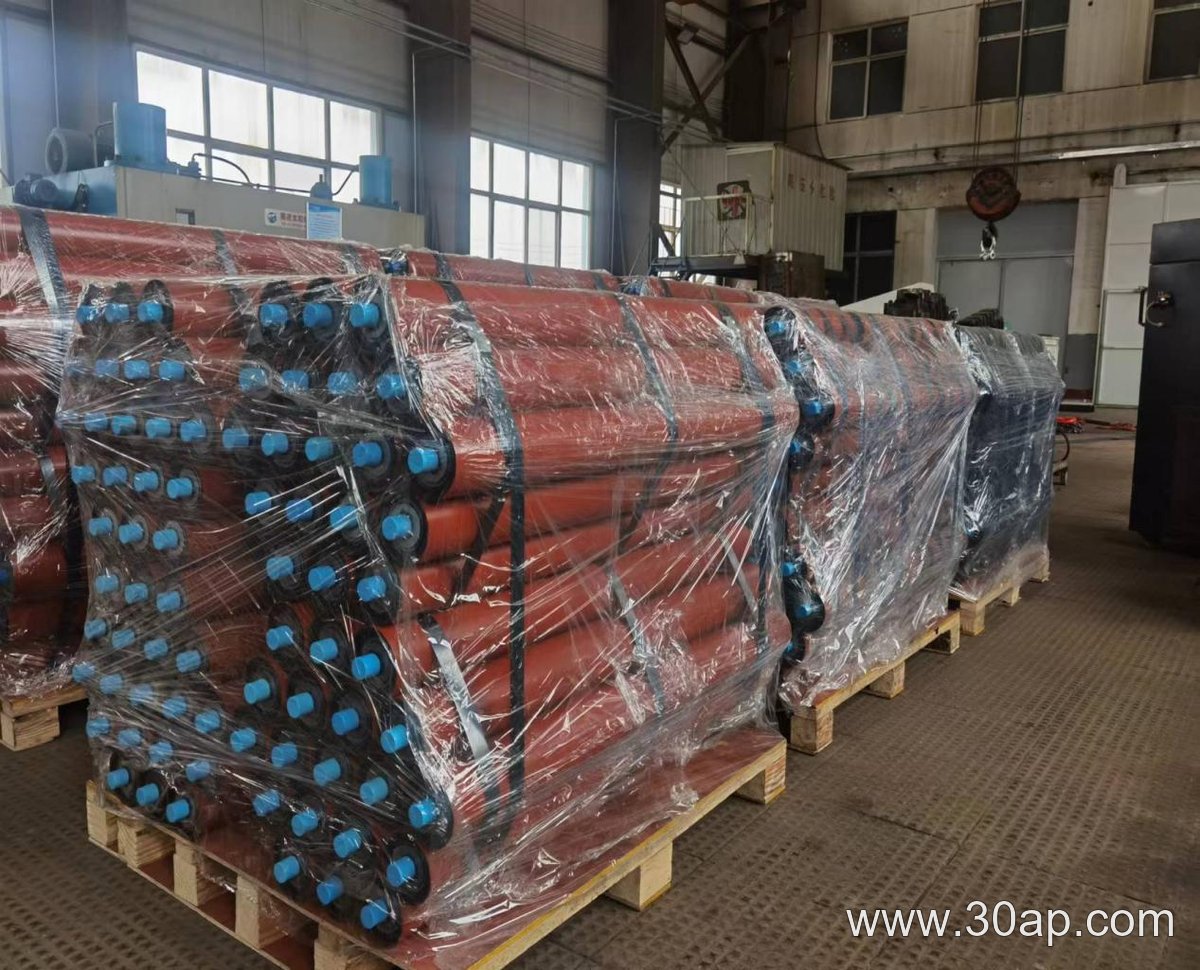
Bearing selection usually follows the load and speed. Common sizes include 6204, 6205, 6305, 6306, 6308, and 6310. A larger bearing is not automatically better for every high-angle conveyor idler, because the housing, shaft, and sealing arrangement must match the application. Roll length varies with belt width and trough form. For example, a three-roll set on a 1000 mm belt often uses side rolls around 380 mm, while a 1400 mm belt may use rolls near 530 mm. These are common references, not fixed rules; the middle roll and side rolls can differ.
Where It Fits on the Conveyor
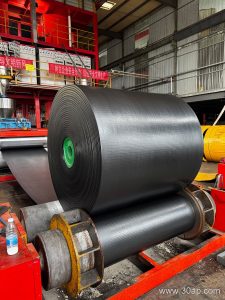
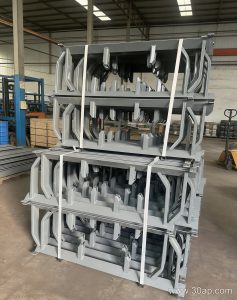
High-angle conveyor idlers appear on the carrying side of steep inclines in applications such as limestone mines, sand and gravel lines, and tunnel muck removal. They are also used in some fertilizer and grain handling systems where the belt must climb sharply without losing material. In these layouts, the idler works alongside the conveyor belt, the conveyor pulley at the head or tail, and the conveyor bracket that holds the idler frame. A return idler or a V-return idler may be used underneath the belt on the same incline, but those are different roller types and should not be confused with the high-angle carrying idler.
Selection and Maintenance Notes
When choosing a high-angle conveyor idler, consider the belt width, the trough angle, the material size and density, and the belt speed. A wider belt generally needs longer rolls and a wider bracket spacing, but one belt width does not dictate a single pulley diameter or shaft size. The shaft diameter is set by the load calculation, not by belt width alone. Sealing quality matters on steep inclines because dust and fines tend to migrate toward the lower end. Rubber or ceramic roll surfaces can improve grip, while a spiral or rubber-disc idler may help with sticky material in some cases, but those are separate subtypes chosen for different problems.
Inspect the high-angle conveyor idler for smooth rotation, seal wear, and shell damage. Replace any roller that drags or wobbles, since a seized idler on an incline can damage the belt and increase power demand. Keep the idler frame aligned and the brackets tight. A properly matched high-angle conveyor idler helps the belt track straight, reduces spillage, and supports the load on the steepest part of the route.