What a Conveyor Bracket Does on a Belt System
A conveyor bracket is the structural interface that holds idler rollers at the correct position and angle along a conveyor frame. It connects the roller assembly to the main stringers or cross members and keeps the conveyor belt tracking properly under load. In many plants, the bracket is treated as a simple piece of steel, yet it directly affects belt alignment, roller life, and maintenance downtime. For buyers, understanding the difference between a standard troughing bracket, a return bracket, and an adjustable design is the first step toward specifying the right part.
How These Brackets Are Built
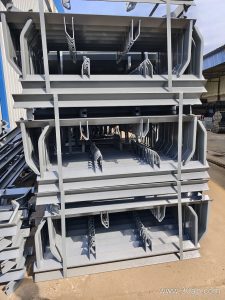
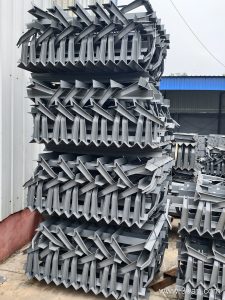
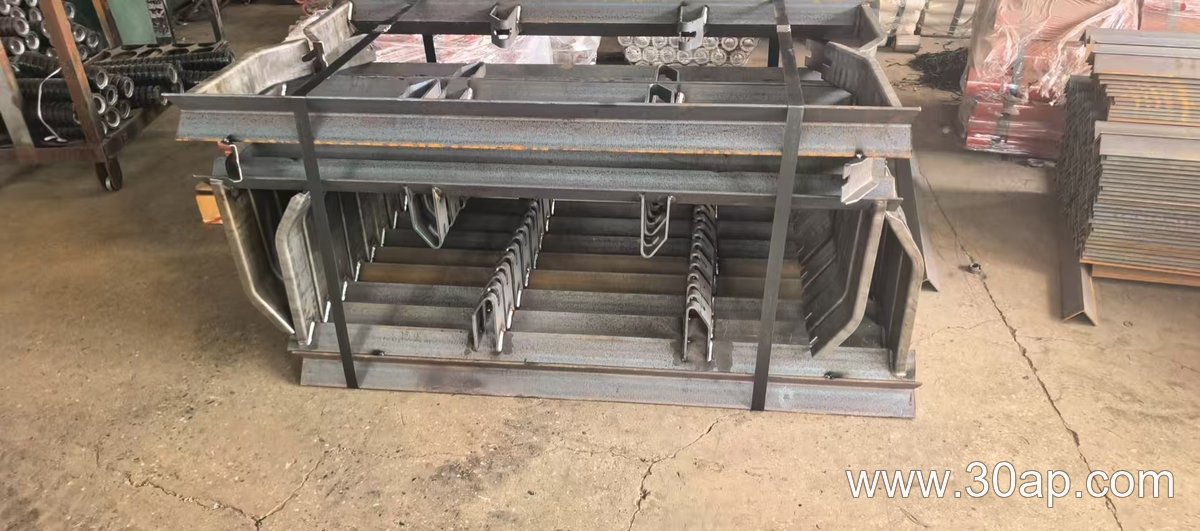
Most conveyor brackets are fabricated from angle steel, channel steel, or folded steel plate. The choice of material and thickness depends on the load carried by the belt and the spacing of the support stations. A troughing bracket usually has three mounting positions to hold the center roller and two side rollers at a defined trough angle. A return bracket is flatter and supports the belt on the return strand. Some designs include slots or multiple bolt holes so the same bracket body can accept different roller diameters or be adjusted across several trough angles.
Surface treatment is another procurement consideration. Painted, galvanized, or powder-coated finishes are common, but the correct choice depends on the environment. A wash plant or port terminal with salt air may need better corrosion protection than a dry aggregate yard.
Where Conveyor Brackets Are Used
These components appear wherever a conveyor belt changes direction, carries material, or returns empty. In a quarry or sand and gravel line, troughing brackets support the loaded belt through the crushing and screening circuit. In a coal handling system at a power plant, they hold rollers that carry coal from the stockpile to the boiler feed. The same principle applies in a cement plant, a steel mill, or a tunnel mucking operation, though the dust, temperature, and impact conditions differ.
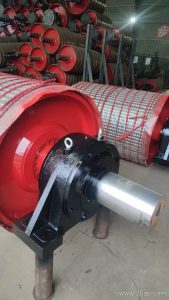
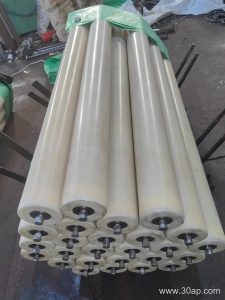
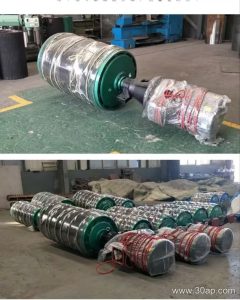
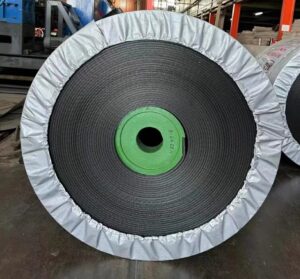
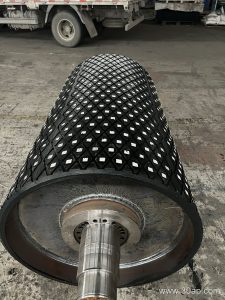
Brackets also work alongside other components. A conveyor pulley drives or redirects the belt, while an idler roller supports it between pulleys. The bracket is what ties the roller to the frame. When a bracket is loose or misaligned, the belt may drift, the roller may wear unevenly, and the pulley may see extra side load.
Matching Brackets to Belt Width and Roller Diameter
Belt width and roller diameter are related but not locked together. A B800 belt, for example, might run with Ø108 rollers in a moderate-duty application, while a B1200 system may use Ø133 or Ø159 rollers depending on load and speed. The bracket must have the correct mounting hole spacing and crossbeam length for the belt width, but those dimensions are determined by the conveyor design, not by a single universal rule.
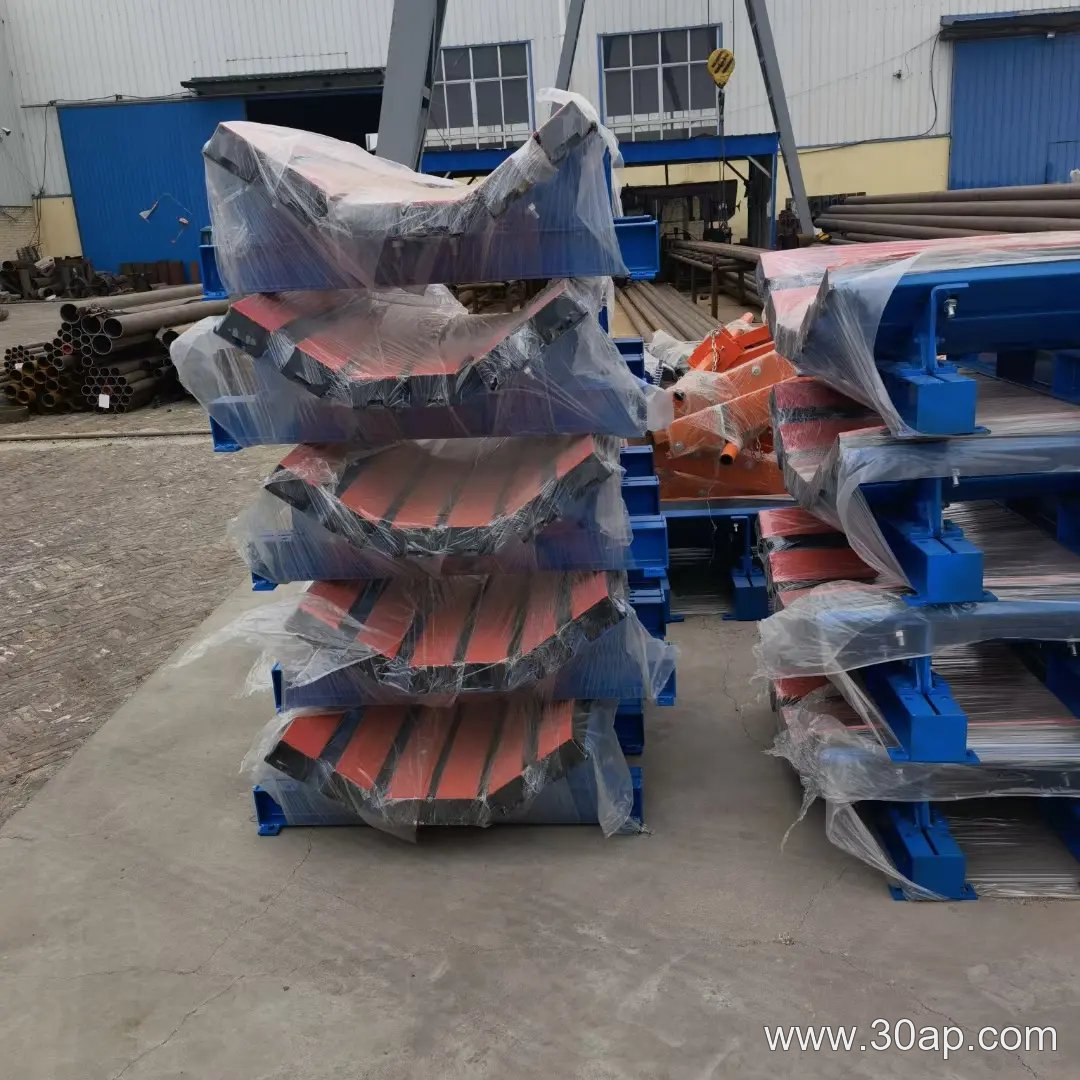
Trough angle is another variable. Common angles include 20, 30, 35, and 45 degrees. An adjustable bracket can be set to more than one of these angles, which helps when a plant wants to change the belt profile or standardize spare parts. A fixed bracket is simpler and often cheaper, but it offers no field adjustment. The right choice depends on how much flexibility the maintenance team needs.
What Buyers Should Check Before Ordering
- Confirm the belt width and the required trough angle for each support station.
- Check the roller diameter and shaft mounting details, since the bracket must accept the roller without modification.
- Decide between fixed and adjustable designs based on future maintenance plans.
- Review the material and finish against the site environment, especially if dust, moisture, or corrosive air is present.
- Ask for the installation hole pattern and crossbeam dimensions so the bracket fits the existing frame.
It is also wise to review the full support arrangement. A conveyor bracket does not work alone; it interacts with the conveyor belt, the idler roller, and the conveyor pulley. If one part is undersized or misaligned, the whole station suffers. A procurement checklist that includes both the bracket and its mating components will reduce the risk of returns and field modifications.
Practical Procurement Notes
Ordering conveyor brackets is not just about picking a part number. The buyer should know the belt width, the roller diameter, the trough angle, and the mounting method. For a B650 system with 30-degree troughing, a Ø89 roller bracket may be appropriate, while a B1400 conveyor with a 45-degree profile might use a heavier bracket and a larger roller. These are examples, not fixed rules. The final specification should come from the conveyor design or a qualified engineer.
When comparing suppliers, ask for dimensional drawings and material certificates where available. Do not assume that one bracket fits every frame. A small difference in hole spacing or crossbeam length can turn a straightforward installation into a costly delay. With the right information, conveyor bracket procurement becomes a predictable part of keeping the belt running straight and the maintenance schedule under control.