What a Return Idler Bracket Does on a Belt Conveyor
A return idler bracket is the structural component that holds the return idlers beneath the carrying run of a conveyor belt. Its job is simple to describe but important in practice: it keeps the empty belt supported, aligned, and running smoothly on its way back to the tail pulley. Without a proper bracket, return idlers can shift, vibrate, or drop out of position, which leads to belt mistracking, edge damage, and unnecessary downtime. The bracket is not a glamorous part, but it is a load-bearing one, and it must match the conveyor’s width, idler diameter, and mounting arrangement.
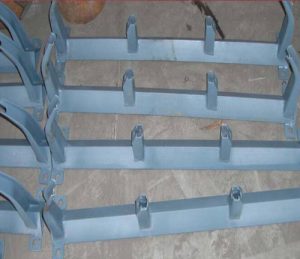
In many conveyor systems, the return idler bracket is bolted or welded to the conveyor frame stringers. It may carry a single flat return idler or a pair of V-return idlers, depending on the belt width and the material being handled. A flat return bracket is common on narrower belts, while a V-return bracket is often chosen where the belt needs extra guidance and self-cleaning action. The bracket itself is usually made from angle steel, channel steel, or folded steel plate, and it is designed to resist bending, corrosion, and the constant vibration of the moving belt.
How the Bracket Is Built and Installed
Construction of a return idler bracket starts with a frame that matches the conveyor’s return run geometry. The frame may be a simple cross member with slots for the idler shaft, or it may include adjustable plates that allow the idler to be positioned at the correct height and angle. Common materials include angle iron and channel sections, with folded steel plate used where a lighter but rigid shape is needed. The bracket often has mounting holes that line up with the conveyor stringer, and the hole spacing is determined by the belt width, the idler type, and the frame design.
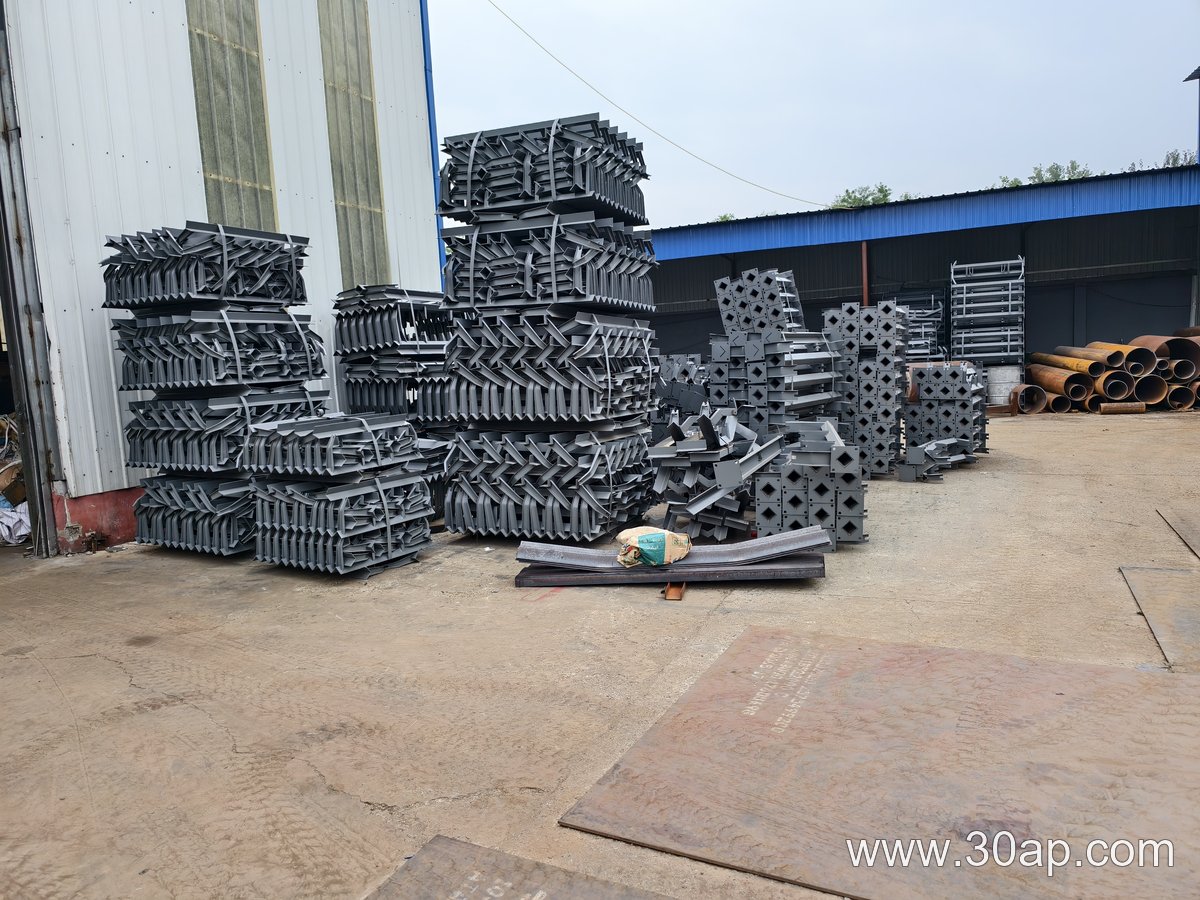
Installation is usually straightforward but requires attention to alignment. The bracket should sit square to the belt centerline so the return idler does not introduce a sideways force. On adjustable brackets, the idler position can be fine-tuned after the belt is tracked. This is especially useful when the conveyor is first commissioned or when the belt has been replaced. A fixed bracket is simpler and less expensive, but it offers no room for adjustment once installed. For that reason, adjustable return brackets are often preferred in applications where belt tension or alignment may change over time.
It is worth noting that a return idler bracket is not the same as a troughing idler bracket or a transition bracket. Those components support the loaded side of the belt and are designed around different angles and load conditions. A return bracket, by contrast, deals with the empty belt and is usually flatter or V-shaped. Mixing them up can lead to incorrect support and premature wear.
Where Return Idler Brackets Are Used
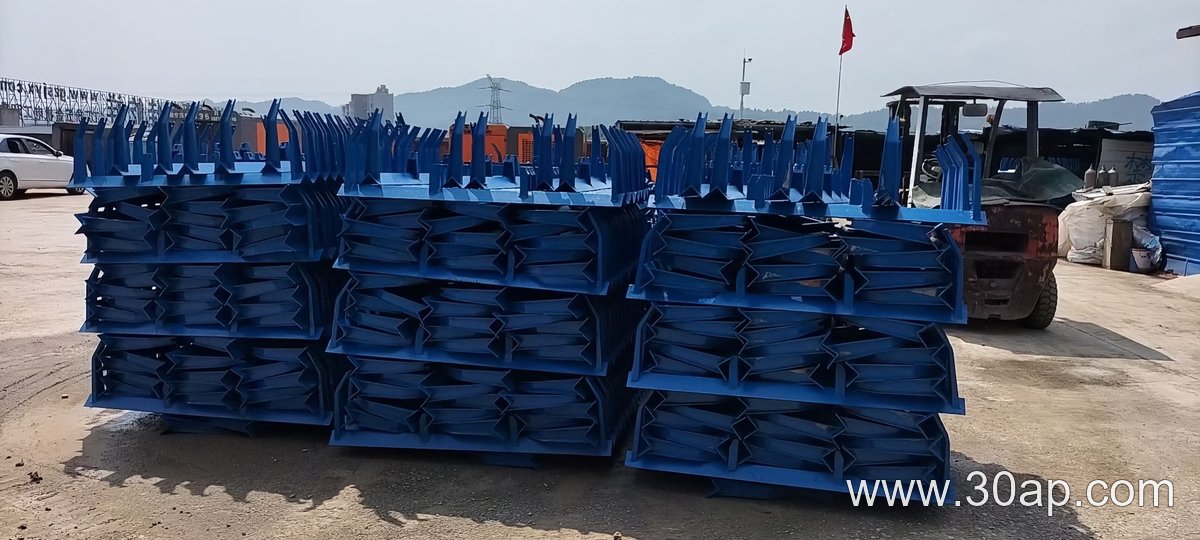
These brackets appear in almost every belt conveyor system, from small in-plant units to heavy-duty bulk handling lines. In a quarry or sand and gravel operation, they are exposed to dust, grit, and moisture, so the bracket must be robust and preferably protected against corrosion. In a coal handling plant or power station, return brackets support the belt on its return path after the material has been discharged, helping to keep the belt clean and centered. In a cement plant or steel mill, high temperatures and abrasive dust may call for heavier steel sections and careful idler selection.
The bracket also plays a role in belt training. A slightly tilted or misaligned return idler can cause the belt to drift to one side. By using a bracket that holds the idler correctly, the belt is encouraged to stay on track. In some designs, a self-aligning return bracket is used, which allows the idler to pivot slightly and correct minor mistracking. This is a different subtype from the standard fixed bracket, but it serves the same basic function of supporting the return belt.
What Buyers Should Consider
When selecting a return idler bracket, the first step is to match it to the conveyor’s belt width and the return idler diameter. Common belt widths include B500, B650, B800, B1000, B1200, and B1400, among others, and common return idler diameters include Ø89, Ø108, Ø133, and Ø159. These are reference ranges, not fixed rules. A bracket that works with a B800 belt and a Ø108 idler may not fit a B1200 belt with a Ø133 idler, because the mounting hole spacing and cross member length change with the belt width and idler size.
Another consideration is the type of return idler: flat, V-return, or spiral. The bracket must have the correct mounting features for the chosen idler. For example, a V-return bracket typically holds two idlers at an angle, while a flat bracket holds one. The bracket material and finish also matter. In wet or corrosive environments, a galvanized or painted bracket may last longer. In abrasive conditions, thicker steel or a reinforced design can prevent premature failure.
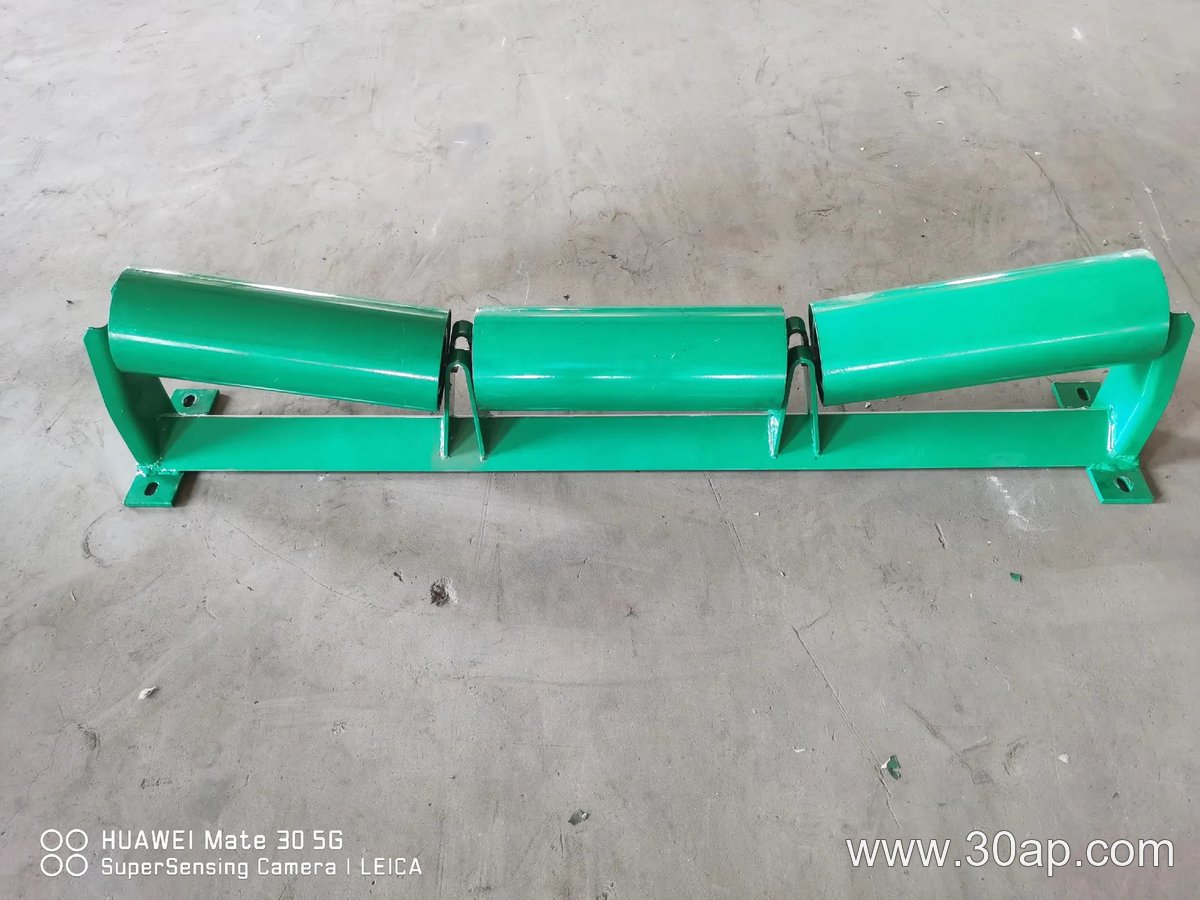
Buyers should also think about adjustability. An adjustable return idler bracket allows the maintenance team to correct belt tracking without replacing the entire assembly. This can save time and reduce spare parts inventory. However, adjustable brackets may cost more and require more attention during installation. Fixed brackets are simpler and often adequate for well-aligned conveyors with stable operating conditions.
Finally, it is important to remember that the return idler bracket is part of a system. It works together with the conveyor belt, the idler roller, and the conveyor pulley. A poorly chosen bracket can affect the performance of the entire conveyor, just as a worn idler can damage the belt. Regular inspection of the bracket for cracks, corrosion, or loose bolts is a basic maintenance task that helps avoid unplanned stoppages.
In summary, a return idler bracket is a small but critical component that supports the empty belt on its return journey. By choosing the right size, material, and type for the application, and by installing it correctly, operators can improve belt life, reduce maintenance, and keep the conveyor running efficiently.