What a 600mm Conveyor Belt Covers
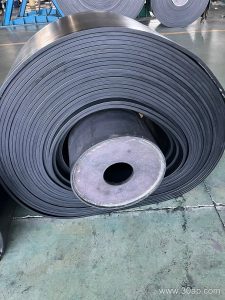
A 600mm conveyor belt is a belt with a nominal width of 600 millimeters, often written as B600 in technical documents. This 600mm belt width sits in the light-to-medium range, larger than narrow package-handling belts and smaller than heavy-duty bulk belts used in large mines or ports. When engineers ask for a 600mm conveyor belt, they are usually specifying the belt itself, not the entire conveyor, though the belt width influences the pulley face, idler roller length, and conveyor bracket spacing. The same product is also called a 600mm wide conveyor belt or a B600 conveyor belt. These are accurate equivalents, and they refer to the same item, not to different subtypes.
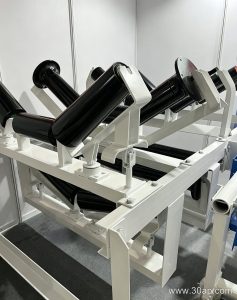
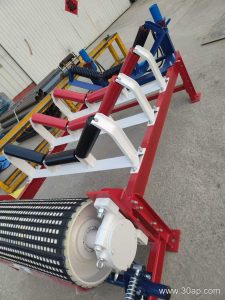
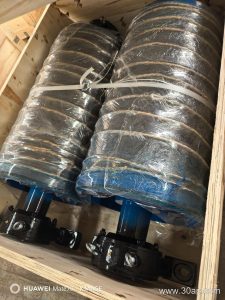
The belt does not work alone. It runs over a drive pulley, tail pulley, and bend pulleys, supported by idler rollers and held by conveyor brackets. Each of those components has its own function and should not be confused with another. The drive pulley transmits power, the tail pulley helps track the belt, and bend pulleys change the belt path. They are not interchangeable. The belt width, however, is the subject here, and it is a starting point for matching the system.
How the Belt Is Built
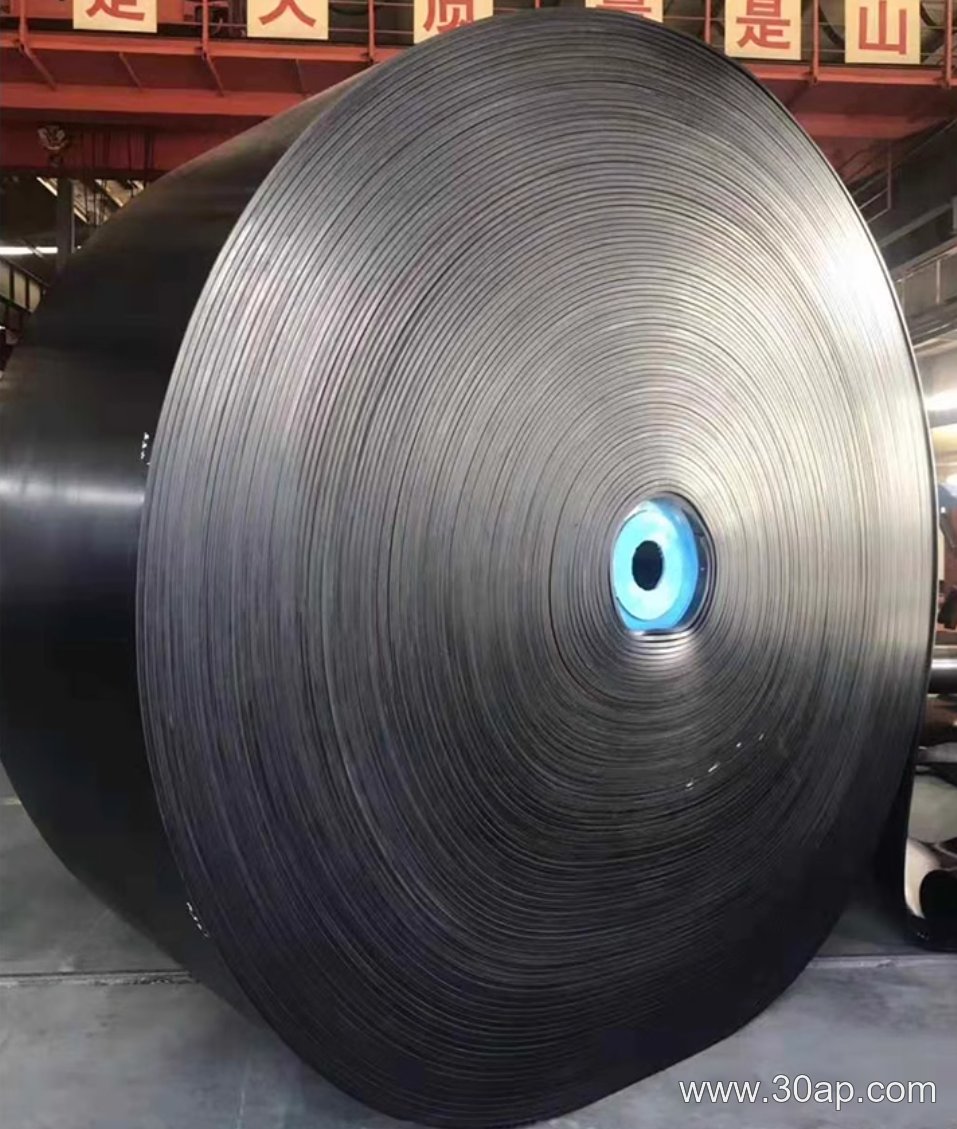
A 600mm conveyor belt is typically built from a carcass, cover rubber, and edge protection. The carcass can be fabric-reinforced, such as EP or NN nylon, or steel cord for higher tension. Common fabric belt constructions use two to six plies, depending on the load and the required strength. The cover rubber protects the carcass from abrasion, impact, heat, oil, or chemicals. Typical cover thicknesses are expressed as top plus bottom, for example 3+1.5 mm, 4+2 mm, or 5+2 mm. These values are common reference points, not universal specifications.
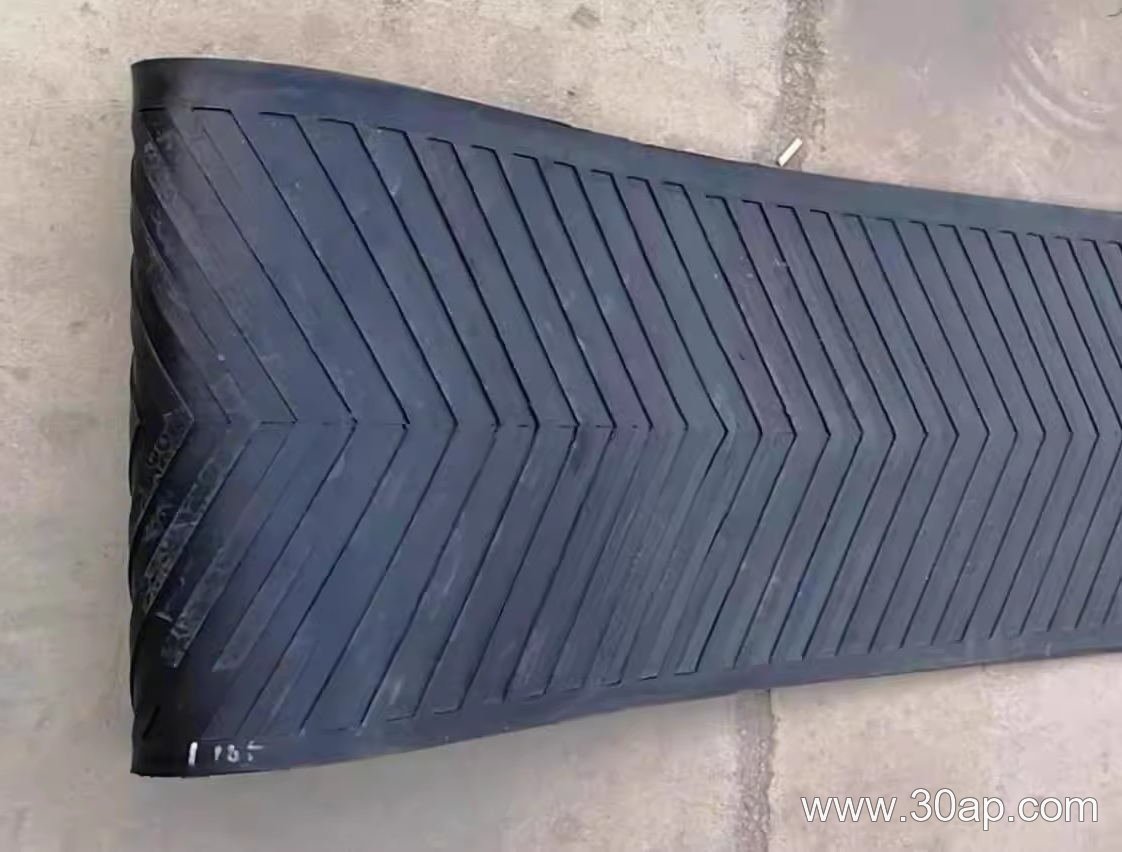
Surface form also matters. A smooth cover is standard for general conveying. A patterned surface such as a chevron or herringbone profile can help on inclines by reducing slip. Corrugated sidewall belts are a different subtype, useful when material must be contained on steep slopes. They can be mentioned for comparison, but they are not a replacement for a standard 600mm conveyor belt. Each subtype has its own design logic.
Where This Belt Width Fits
A 600mm conveyor belt often appears in medium-duty conveying lines. You may find it in a quarry feeding a crusher, in a recycling plant sorting mixed materials, or in a small port handling bulk bags and grains. It is also common in manufacturing plants moving parts between stations, and in agricultural facilities transporting seeds, fertilizer, or feed. The belt width is wide enough to handle a reasonable throughput but narrow enough to keep the structure compact.
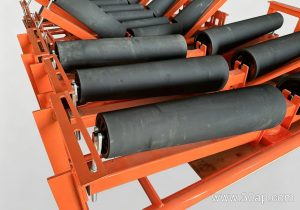
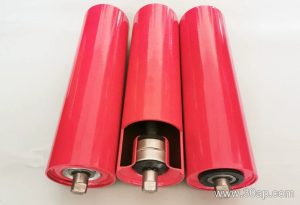
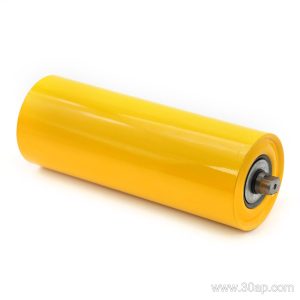
The belt works with a set of supporting components. Idler rollers carry the belt and the material load. A conveyor pulley at the head or tail changes direction or drives the belt. Conveyor brackets hold the idlers and pulleys in position. When a 600mm belt is selected, the pulley face and idler length must be wide enough to support the belt without excessive overhang. A common rule is that the pulley face should be slightly wider than the belt, but the exact relationship depends on the conveyor design. A 600mm belt does not automatically dictate one pulley diameter. Pulley diameter is chosen from belt tension, ply rating, and shaft load, among other factors.
Materials and Operating Conditions
Material choice depends on the working environment. A standard EP or NN nylon belt works well for general dry goods. For oily or greasy conditions, an oil-resistant cover is used. For hot materials such as clinker or foundry sand, a heat-resistant belt is needed. In cold climates, a cold-resistant grade helps the belt stay flexible. If the conveyor operates in a potentially explosive atmosphere, a fire-resistant and antistatic belt is often required. These are property choices, not separate product types that replace the 600mm conveyor belt.
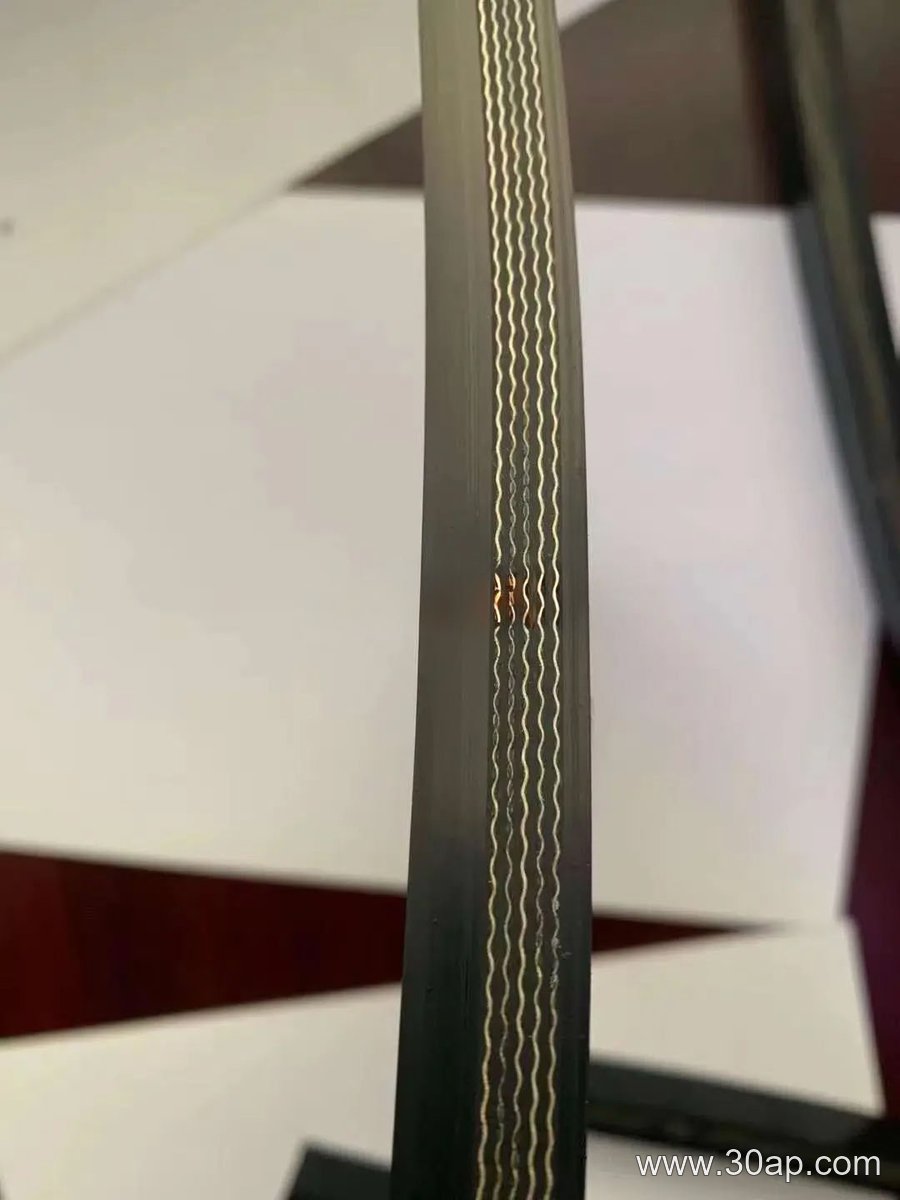
The belt strength is usually given as a grade such as EP200, EP315, EP400, and so on. Higher grades mean higher tensile strength, which allows longer conveyors or heavier loads. A 600mm belt can be supplied in several strength grades. The right grade is determined by the maximum belt tension in the system, which in turn depends on the conveyor length, the weight of the material, and the incline. A simple tension estimate can be written as P = (qb + qm) x g x L / 2, where qb is the belt weight per meter, qm is the material weight per meter, g is gravity, and L is the conveyor length. This is a rough guide, and actual design should follow the conveyor engineer’s calculation.
What a Buyer Should Check
Before ordering a 600mm conveyor belt, gather a few key details. First, confirm the belt width. A 600mm belt is not the same as a 650mm or 800mm belt, and a small difference can cause tracking problems. Second, identify the carcass type and strength grade. EP and NN nylon are common fabric options, while steel cord is used for very high tension. Third, specify the cover thickness and any special properties such as abrasion resistance, heat resistance, or oil resistance. Fourth, state the surface form if the conveyor has an incline. Fifth, check the pulley and idler dimensions. The belt must match the pulley face and the idler roller length. A 600mm belt should not be paired with a pulley that is too narrow, and it should not be assumed that one belt width always matches one pulley diameter.
Also consider the splice. A 600mm belt can be joined by mechanical fasteners or vulcanized splicing. The choice affects belt life and downtime. Mechanical fasteners are quicker, while vulcanized splices are smoother and often last longer. The operating environment and the required belt tension will guide the decision. Finally, ask about storage and handling. Belts should be stored away from direct sunlight, heat, and ozone sources to avoid premature aging.
Installation and Maintenance Notes
Proper installation helps a 600mm conveyor belt reach its expected service life. The belt should be centered on the pulleys and idlers. Misalignment causes edge wear and can lead to belt damage. The drive pulley, tail pulley, and bend pulleys must be parallel and square to the conveyor centerline. Idler rollers should be spaced according to the belt sag and load. Too much sag can cause material spillage and belt stress. Conveyor brackets should be sturdy enough to keep the idlers in position.
During operation, check the belt regularly for cuts, edge fraying, and cover wear. Small damage can be repaired before it becomes a major failure. Keep the belt clean and avoid material buildup on the pulleys and idlers. Buildup can change the belt path and cause tracking issues. Lubricate the pulley bearings and idler bearings as recommended by the manufacturer. These simple steps help maintain a reliable conveyor system.
A 600mm conveyor belt is a versatile width for many medium-duty applications. It is not a one-size-fits-all solution, and it should be selected with the same care as any other conveyor component. By understanding its construction, matching it to the right pulleys and idlers, and maintaining it properly, you can keep the conveyor running smoothly for a long time.