What a Heavy-Duty Lagged Pulley Does on a Conveyor
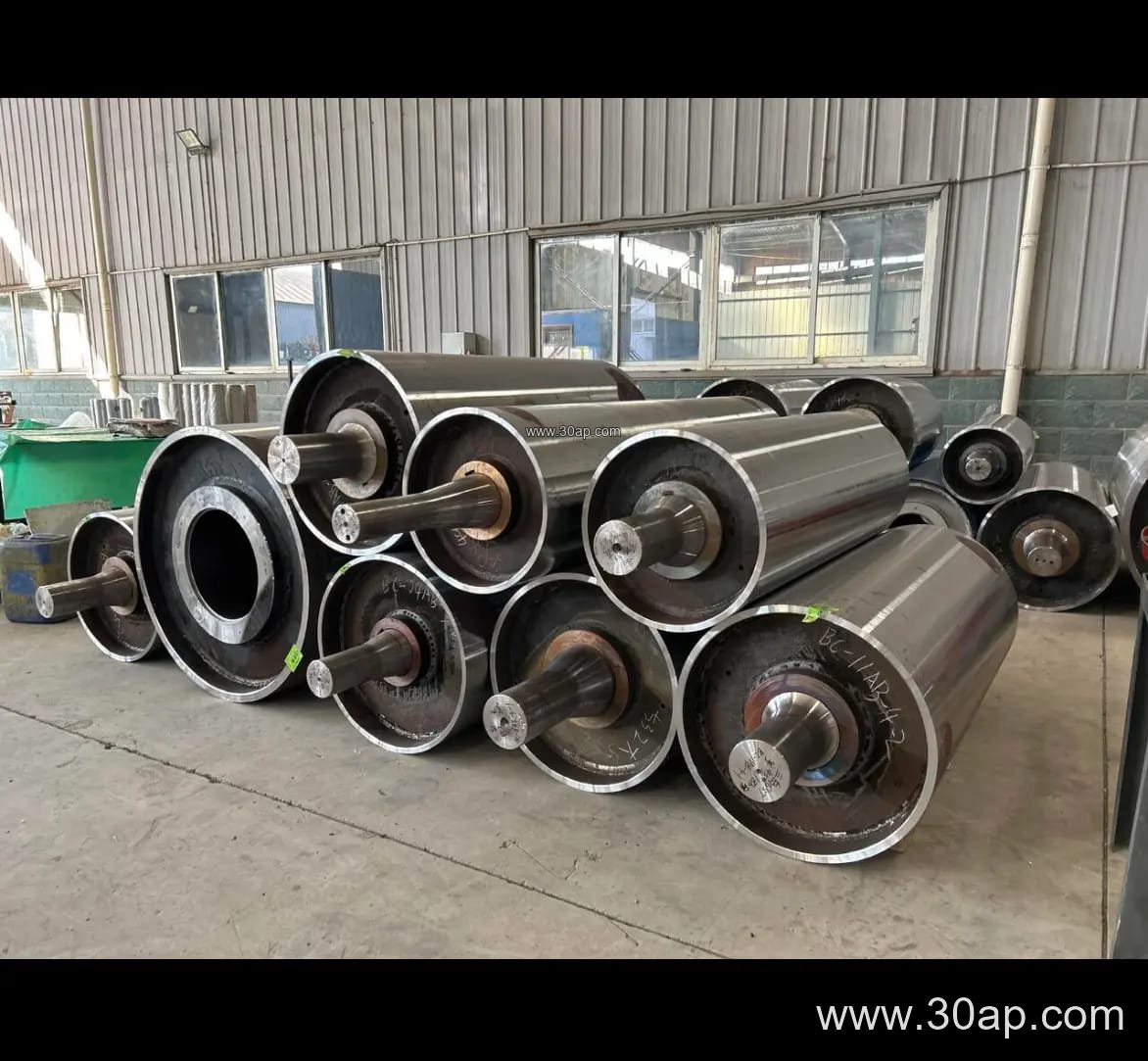
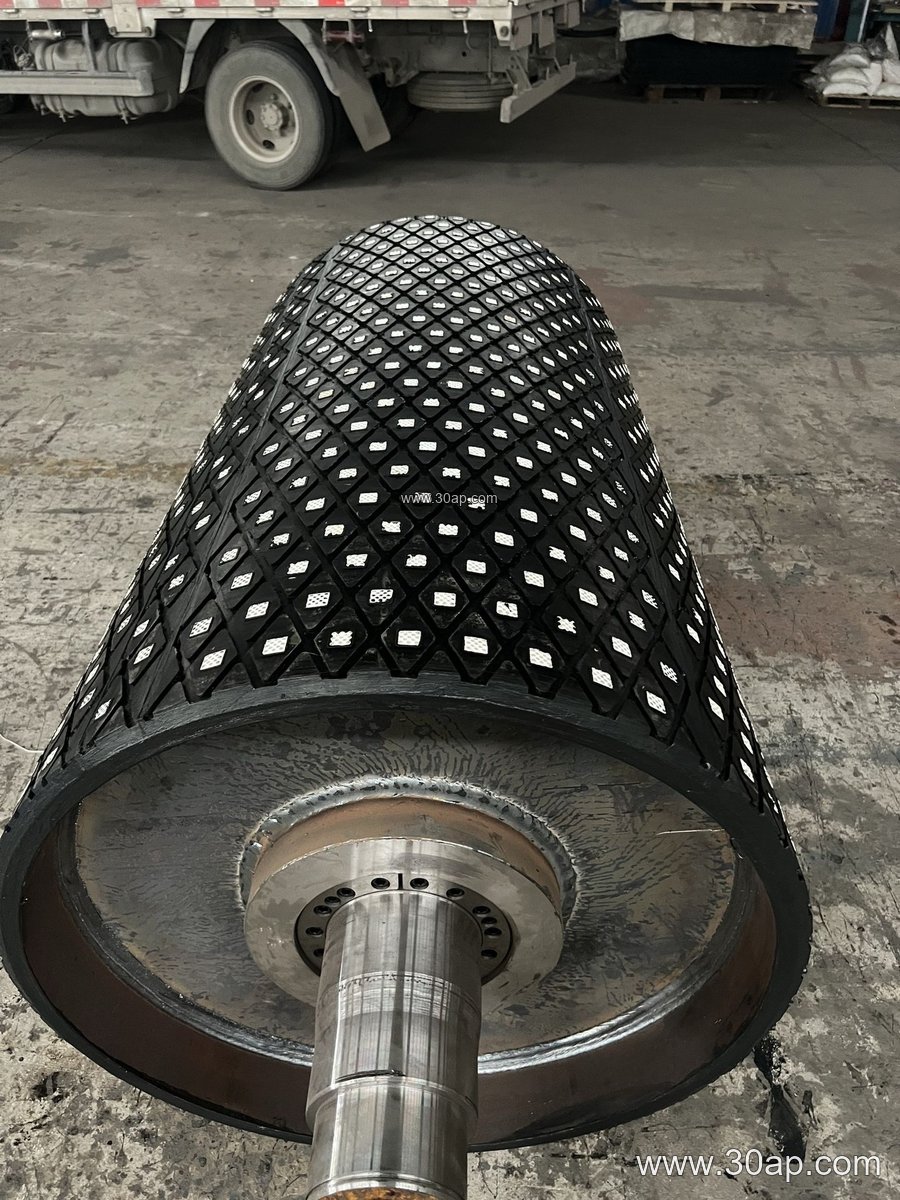
A heavy-duty lagged pulley is the traction and guidance element at the heart of a high-capacity belt conveyor. It combines a thick-walled drum shell, a reinforced shaft and hub assembly, and a vulcanized or bonded rubber lagging on the rim. The lagging raises friction between the pulley face and the belt, protects the shell from abrasive carryback, and helps shed water and fines in wet or dusty service. In quarry, iron ore, coal washing and power plant coal handling lines, this component often determines how much belt tension the drive can transmit before slip becomes a problem.
Construction Details That Matter
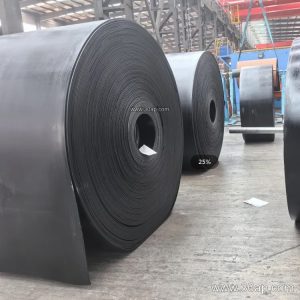
The shell is usually rolled from steel plate and machined after welding so that runout stays within a tight tolerance. End discs are keyed or welded to the shaft, and the hub connection may be keyed, shrink-fitted or bolted depending on torque. Lagging is applied as cold-bonded rubber sheet, hot-vulcanized rubber, diamond grooving, chevron grooving or ceramic tiles. Thickness commonly falls in the 8, 10, 12, 15 and 20 mm range; thicker covers suit high-torque drives and abrasive conditions, while thinner covers reduce weight on smaller frames. A wear-resistant rubber conveyor belt running over a well-lagged face will last longer because the pulley grips without excessive tension.
Where It Fits in the Conveyor Layout
The same heavy-duty lagged pulley family appears in several positions, and each position asks something different of the design. As a drive or head pulley it must deliver high torque with reliable grip; as a tail pulley it guides the return belt and often works in gritty conditions; as a bend or take-up pulley it changes belt direction under moderate load. A bend pulley is not a substitute for a drive pulley, and a tail pulley should not be specified as if it were a drive unit. In a coal mining conveyor belt system or a cement plant clinker line, engineers usually select the lagging pattern and cover thickness position by position rather than applying one specification to the whole conveyor.
Common Size Ranges and Surface Options
Pulley face width is normally wider than the belt it carries. Typical combinations include B800 x Ø500, B1200 x Ø1000 and B1400 x Ø800, but belt width alone does not fix the diameter; torque, belt speed, wrap angle and shaft load decide the final geometry. The table below lists reference values that appear in general design practice, not a supply promise.
| Parameter | Common reference values |
|---|---|
| Belt width | B400, B500, B650, B800, B1000, B1200, B1400, B1600, B1800, B2000 |
| Pulley diameter | Ø200, Ø250, Ø315, Ø400, Ø500, Ø630, Ø800, Ø1000, Ø1250, Ø1400 |
| Face width (approx.) | B400 ≈ 500 mm; B650 ≈ 750 mm; B1000 ≈ 1150 mm; B1400 ≈ 1600 mm; B1800 ≈ 2000 mm |
| Lagging thickness | 8, 10, 12, 15, 20 mm |
| Shaft diameter | Ø50 to Ø200, determined by torque and load |
| Surface form | Plain, hot-vulcanized rubber, cold-bonded rubber, diamond, chevron, ceramic |
Surface choice is often the difference between smooth running and repeat downtime. Diamond lagging improves water drainage on wet coal or aggregate lines; chevron lagging adds grip on steep inclines; ceramic tiles resist wear where fines are highly abrasive. On a high abrasion resistant conveyor belt circuit, ceramic or thick rubber lagging is frequently paired with a robust shell to spread contact pressure.
Buyer Checklist Before Ordering
- State the application position clearly: drive, tail, bend, take-up or snub. These are different duties and should not be swapped casually.
- Provide belt width, belt type and belt tension. A steel cord conveyor belt and a multi-ply fabric core belt transfer load differently, so the pulley face and lagging should match the belt construction.
- Give the shaft diameter required by the coupling and bearing housing, not a guessed value from belt width.
- Describe the environment: wet, dusty, oily, high temperature or flame-risk areas may call for flame retardant conveyor belt compatibility or oil resistant conveyor belt protection nearby.
- Confirm lagging thickness and pattern, and ask how the cover is bonded and finished.
- Check balance, runout and inspection records for the shell and welds.
Maintenance and Long-Term Reliability
Inspect lagging wear at each shutdown. Glazed, cut or debonded rubber reduces grip and can lead to belt slip, heat build-up and premature cover failure on the conveyor belt. Keep the pulley face clean, verify that the conveyor bracket and bearing seats remain aligned, and check idler roller alignment so the belt tracks centrally. Re-lagging a heavy-duty lagged pulley is often more economical than replacing the whole drum, provided the shell and shaft remain within tolerance. For continuous duty in mines, ports and aggregate plants, a planned inspection interval based on running hours usually prevents unexpected stoppages.
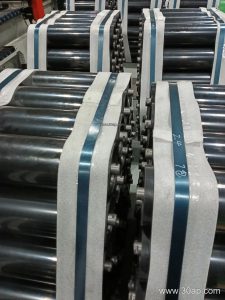
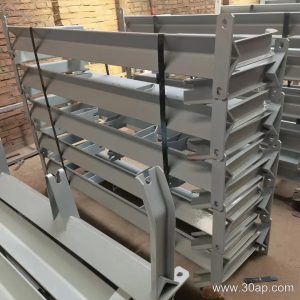
Related conveyor components such as the conveyor pulley, idler roller and conveyor bracket should be reviewed together during any upgrade, since a strong drum cannot compensate for poor belt tracking or misaligned frames. For more technical guidance on pulley and belt matching, visit mbwconveyorbelt.com and review the conveyor pulley selection notes.