What EP100 Conveyor Belt Means
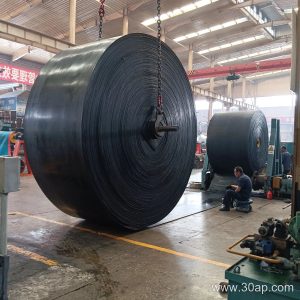
An EP100 conveyor belt is a fabric-reinforced rubber belt built on a polyester (E) and polyamide (P) carcass. The number 100 refers to the nominal tensile strength of the carcass, usually expressed in newtons per millimeter of belt width. In everyday plant language, people also call it a 100 N/mm EP belt or simply an EP belt. It sits at the lighter end of the EP range, above general-purpose low-strength belts but below heavier grades such as EP200 or EP315.
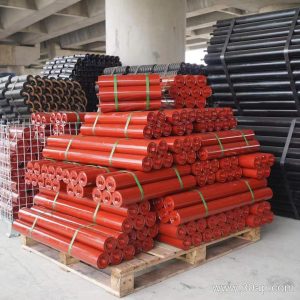
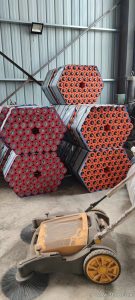
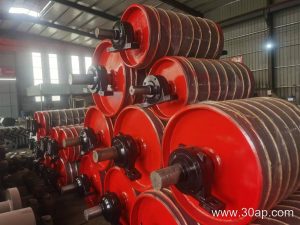
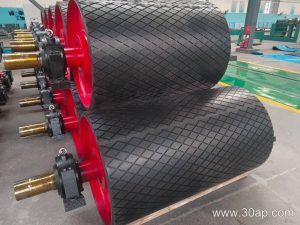
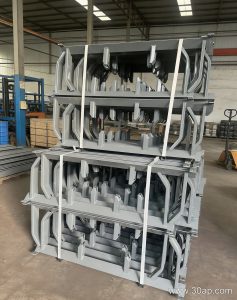
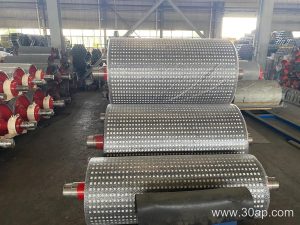
This is a product for moving bulk or packaged materials on a continuous loop. The belt itself is the carrying surface. It runs over a conveyor pulley at the head, a tail pulley at the loading end, and bend pulleys or snub pulleys where the path changes direction. Those pulleys are separate components with separate jobs, and they are not interchangeable. The belt is supported along the carrying run by idler rollers and held in line by conveyor brackets and frames.
How the Belt Is Built
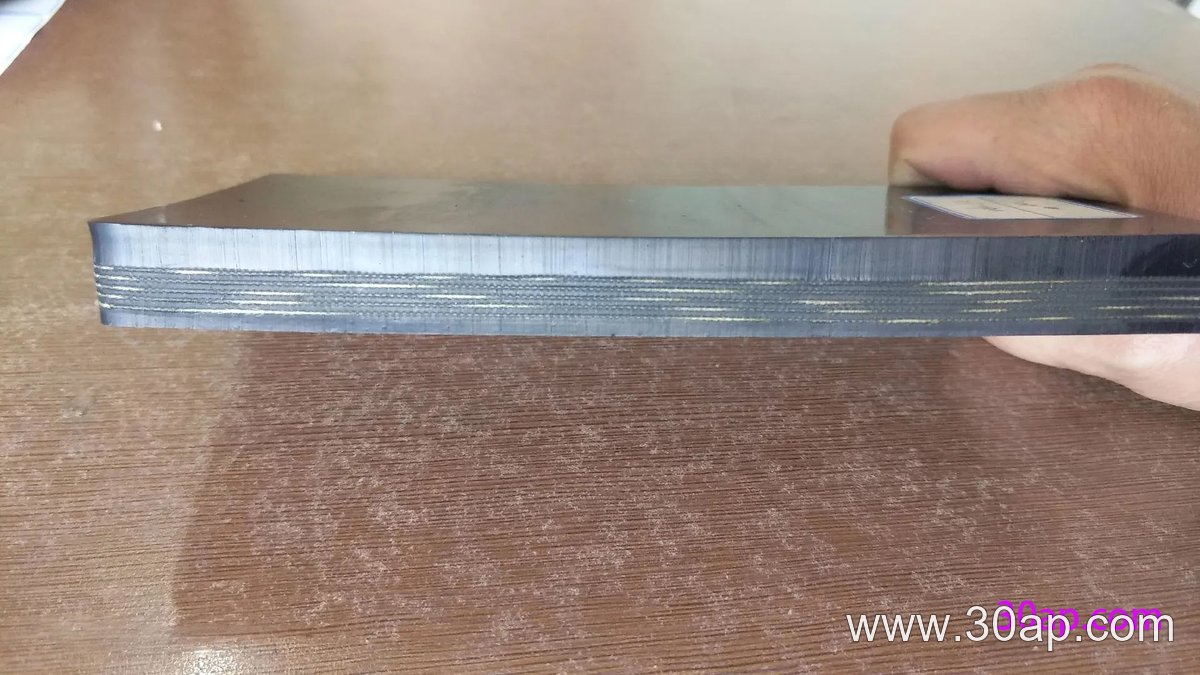
A typical construction stacks several layers. The core is the EP fabric, usually two to six plies depending on the duty. Above the carcass sits the top cover rubber, and below it the bottom cover. Cover thickness is written as a pair, for example 3+1.5 mm, 4+2 mm, or 5+2 mm. The first number is the top cover, the second is the bottom cover. Heavier covers such as 6+2 mm or 8+3 mm appear on belts that face abrasion, impact, or sharp material.
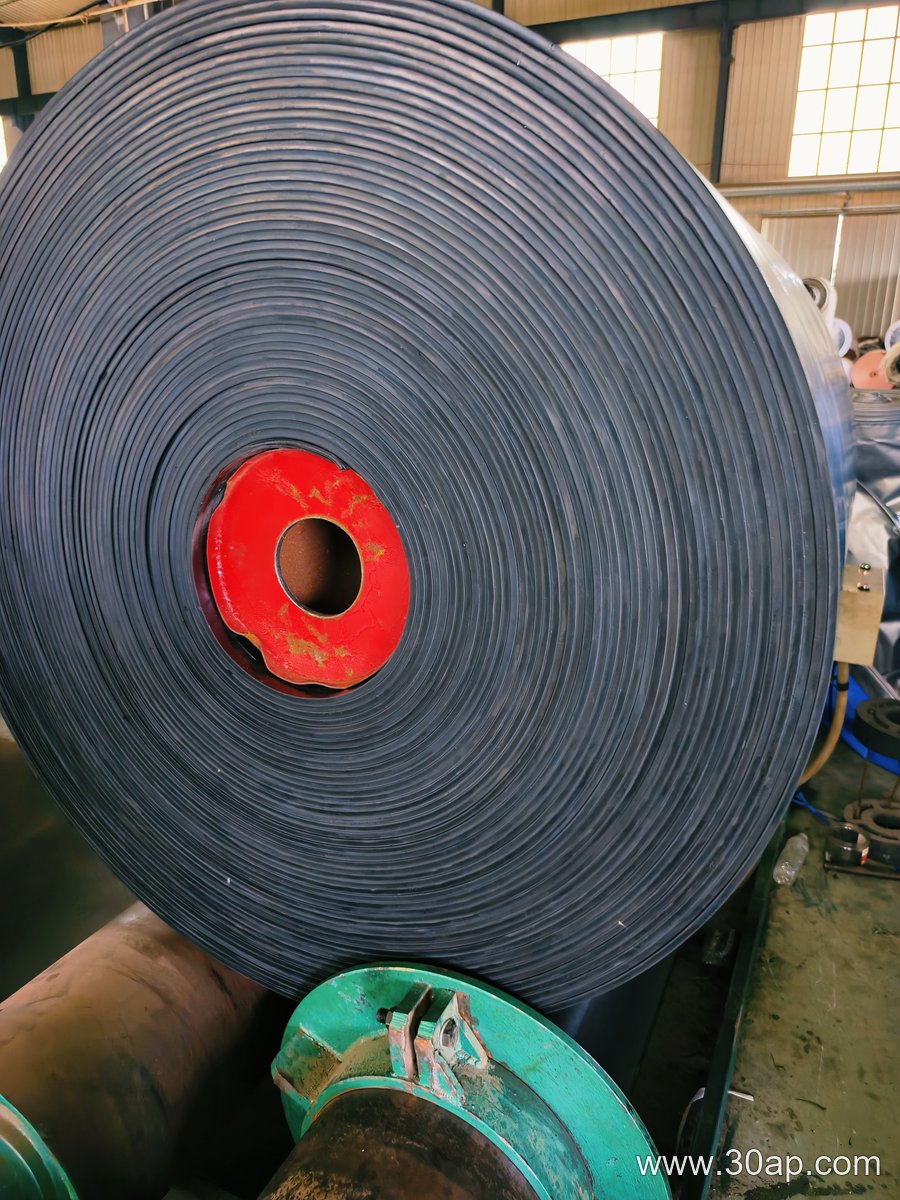
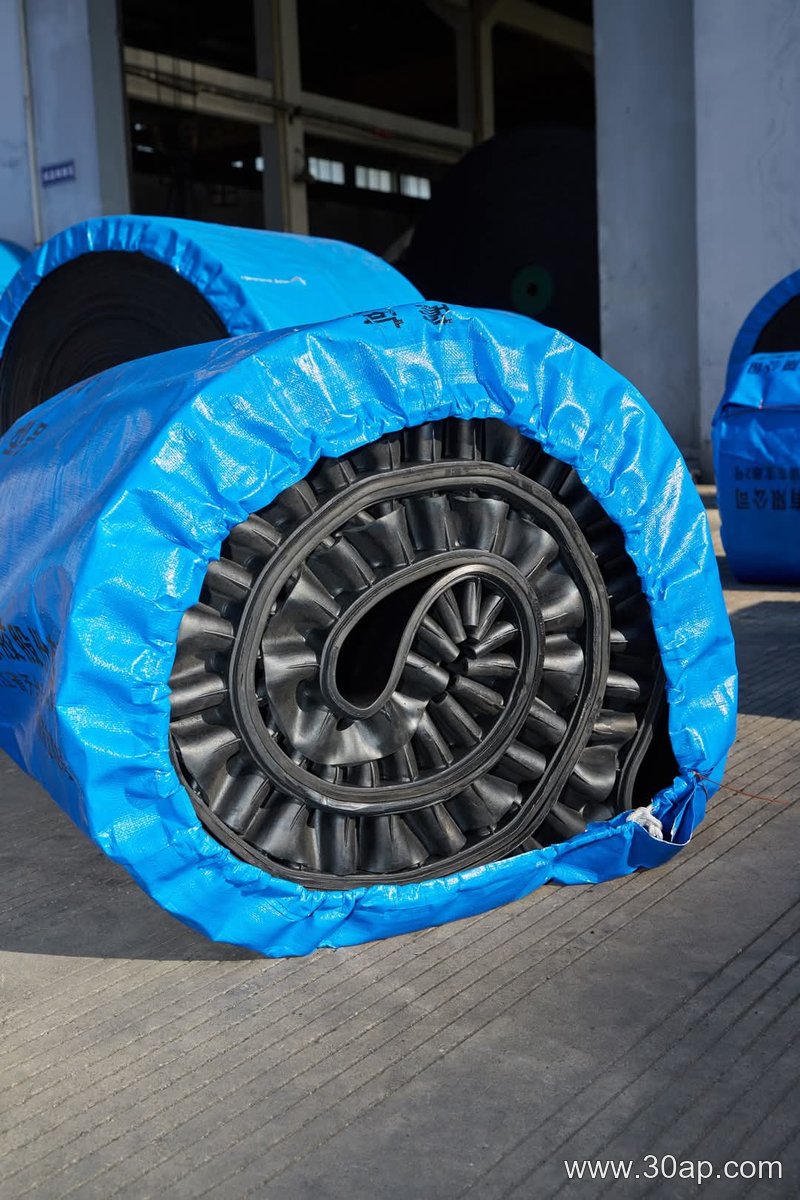
The rubber compound can be adjusted for the working environment. Common variants include abrasion-resistant, heat-resistant, oil-resistant, flame-retardant, antistatic, cold-resistant, and acid or alkali-resistant grades. Surface forms also vary. A smooth cover is standard, while patterned surfaces such as chevron or herringbone help on inclines. Corrugated sidewall belts are a different design used where material must be contained on steep angles. They are mentioned here only for comparison and do not replace the flat EP100 belt.
Edge construction matters as much as the cover. Cut edges expose the fabric plies and suit many general duties. Molded edges seal the plies in rubber and resist moisture and fraying. The right choice depends on the conveyor layout, the material, and how the belt is tracked.
Where an EP100 Belt Fits
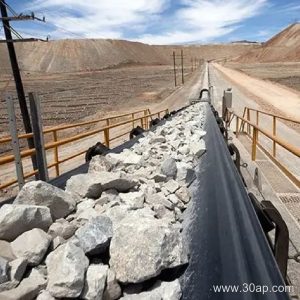
With a nominal carcass strength around 100 N/mm, this belt handles light to medium loads over moderate distances. It is common on package handling lines, small aggregate conveyors, sand and gravel transfers, fertilizer and grain handling, and light manufacturing feed systems. It also appears in recycling sort lines and in-plant logistics where the belt width is modest.
Belt width is selected from the material size, the tonnage per hour, and the troughing angle. Common widths include B500, B650, B800, B1000, and B1200, with wider options available for larger duties. Width and pulley diameter are separate decisions. A wider belt does not automatically require one specific pulley diameter, and a given belt width can run on more than one pulley size. Shaft diameter follows the pulley design and the load, not the belt width alone.
Selection Points for Buyers
- Confirm the actual peak tension, not just the average load. The EP100 rating is a nominal figure and the safety factor matters.
- Match the cover grade to the material. Abrasive rock, hot clinker, oily parts, and cold outdoor work each call for a different compound.
- Check the pulley diameters with the belt manufacturer. Too small a pulley can over-flex the carcass and shorten belt life.
- Review the loading point. Impact idlers and a suitable skirt arrangement protect both the belt and the idler rollers.
- Decide on edge type and surface pattern based on the conveyor path and the material angle.
- Ask for the splice method. Mechanical fasteners and vulcanized splices place different demands on the belt.
Installation and Tracking
A belt that runs straight starts with straight structure. The head pulley, tail pulley, and bend pulleys should be aligned and level. Idler rollers should sit square to the belt path and turn freely. Conveyor brackets and frames should be tight so the assembly does not shift under load.
During installation, tension the belt evenly and run it slowly before loading. Watch the belt through one full revolution. If it drifts, correct the structure and the pulleys first, then adjust the training idlers. Do not use the belt itself to pull misaligned frames into place.
Maintenance That Extends Belt Life
Inspect the belt regularly for cover wear, edge damage, and exposed fabric. Small cuts can be repaired before they grow. Keep the loading chute from dropping material directly onto the carcass, and keep the return run clean so material does not build up on the pulleys. Worn idler rollers and seized bearings increase drag and can damage the cover. Replace them promptly.
Store spare belts off the ground, out of direct sunlight, and away from oils and chemicals. A cool, dry, shaded area keeps the rubber in better condition. When a belt is removed for storage, roll it loosely and support it so the edges are not crushed.
Summary
The EP100 conveyor belt is a versatile fabric-reinforced belt for light and medium conveying. Its performance depends on matching the carcass, cover, width, and pulley system to the real working conditions. Buyers who check tension, material, environment, and alignment before ordering get longer service and fewer surprises on the line.