What a Large Drive Pulley Does
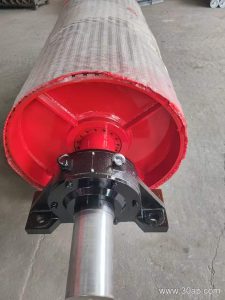
A large drive pulley is the primary powered roller in a conveyor system. It grips the conveyor belt and pulls it forward, transferring torque from the gearbox or motor to the belt. Unlike a tail pulley, which mainly serves as a turning point, the drive pulley must handle high tension, continuous friction, and often abrasive or heavy loads. In many bulk material handling operations, this component is the difference between steady output and frequent downtime.
The term “large” is relative. It usually refers to a pulley with a diameter and face width sized for high-tension belts, such as those found in quarrying, cement production, or port loading. A conveyor pulley of this scale is not a simple tube with shafts. It is an engineered assembly designed to match the belt width, speed, and load profile of a specific line.
How It Is Built
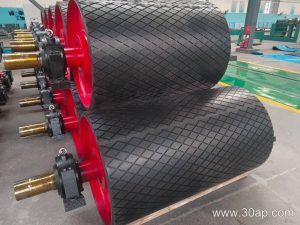
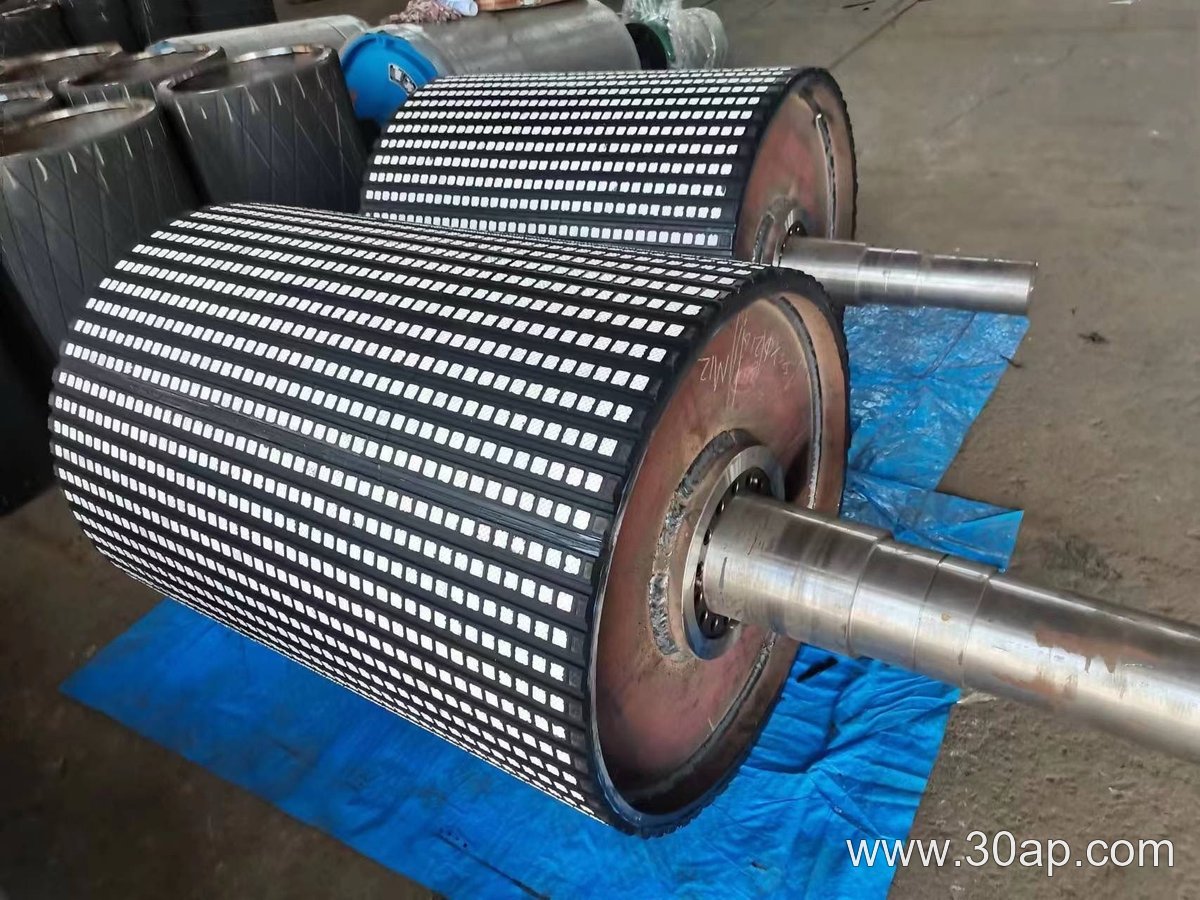
Most large drive pulleys use a welded steel drum with end discs and a shaft that extends through the bearing housings. The shell thickness and shaft diameter depend on the calculated belt tension and torque. To improve grip, the surface is often covered with rubber or ceramic lagging. A Conveyor Belt Lagged Pulley provides a higher coefficient of friction, which reduces belt slip and protects the belt from premature wear.
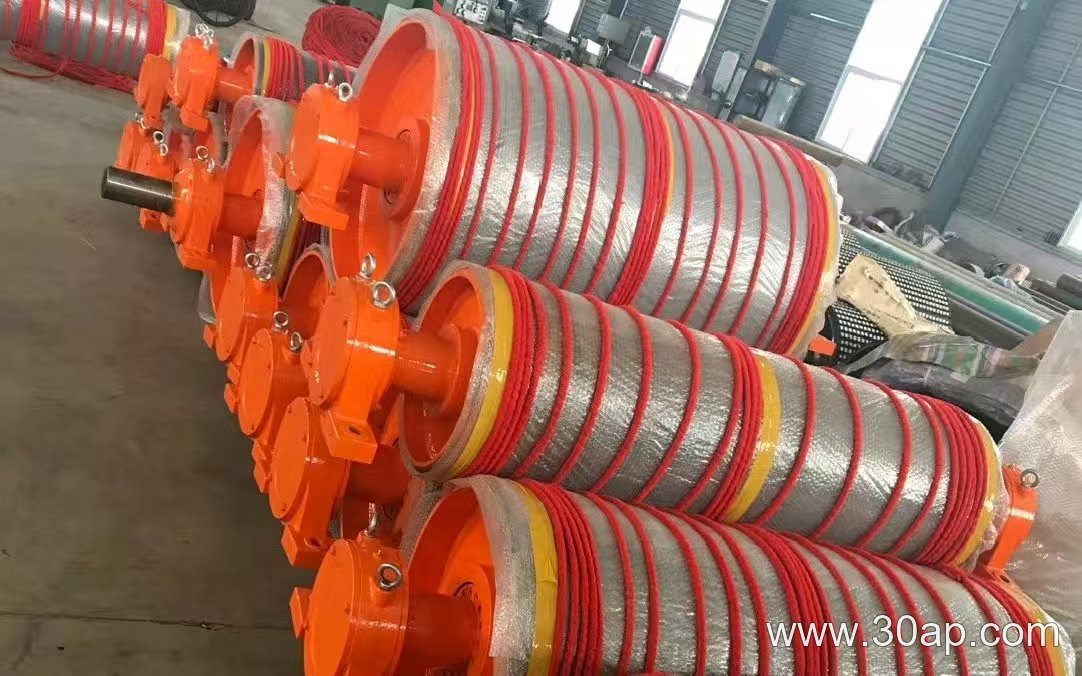
Lagging can be plain, grooved, or patterned. A Diamond Grooved Lagged Pulley is common in wet or dusty conditions because the grooves channel water and fine particles away from the contact surface. This pattern also helps with belt tracking on long overland conveyors. The pulley may be built with a crowned face or a flat face, depending on the belt type and the system’s alignment needs.
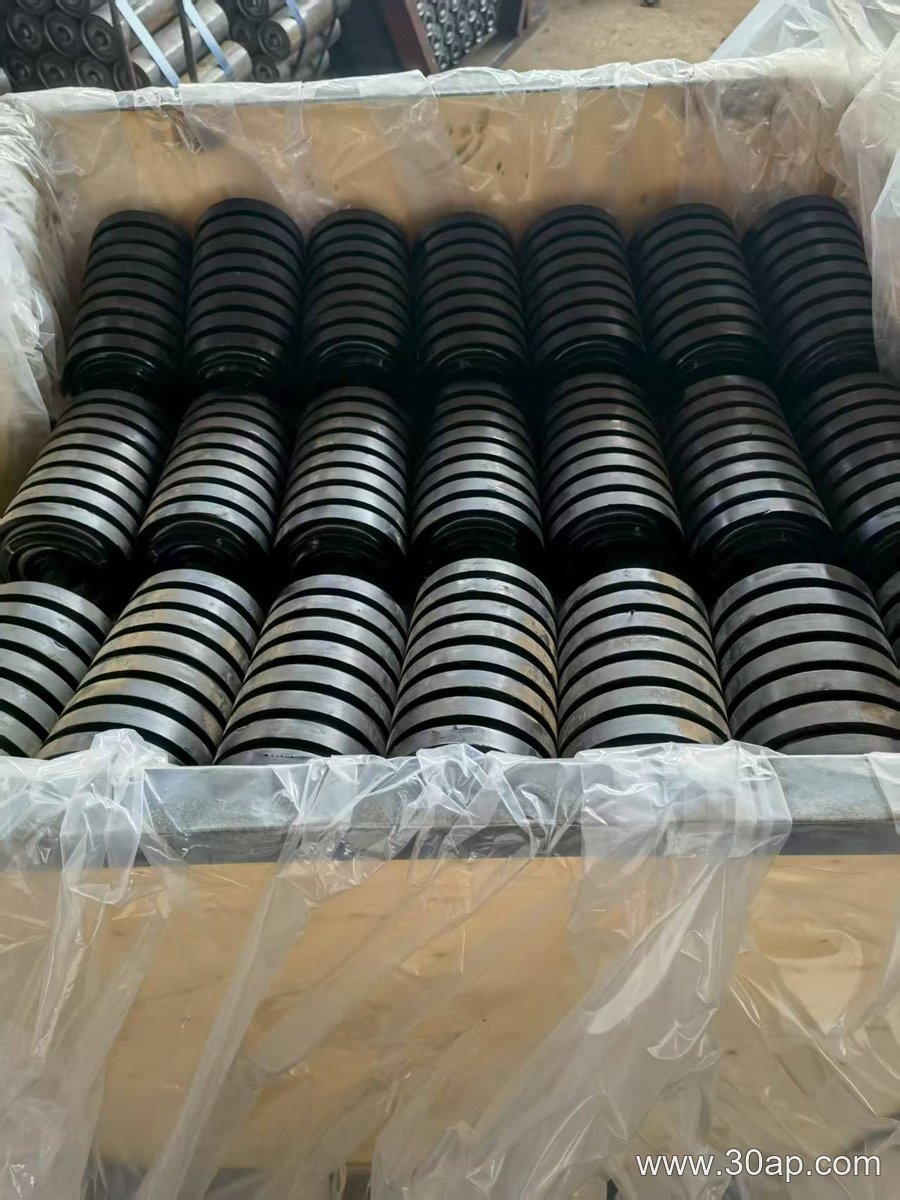
Other features include keyed shafts, tapered bushings, and removable end caps. Some designs use a shrink disc or locking assembly to connect the shaft and hub without keys. Bearing selection is critical: spherical roller bearings are often used because they tolerate misalignment and heavy radial loads. The pulley is usually balanced dynamically to reduce vibration at higher belt speeds.
Where It Is Used
You will find a large drive pulley at the discharge end or head end of a conveyor. In a quarry, it powers the primary crusher feed belt or the stockpile conveyor. In a cement plant, it drives clinker or limestone transport lines. At a port, it moves bulk cargo from ship unloaders to storage yards. In a wash plant or sand line, it handles wet, abrasive material that would quickly wear out a lighter-duty pulley.
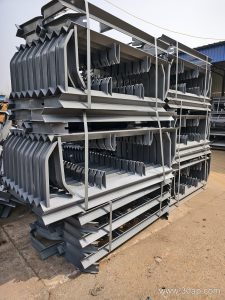
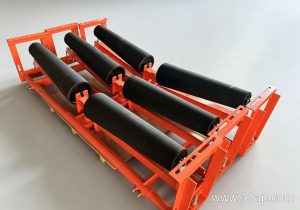
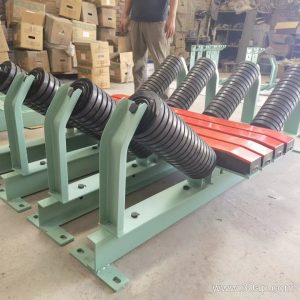
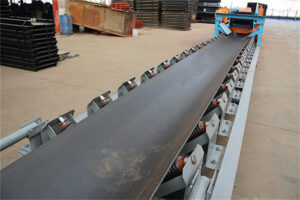
The drive end is only one part of the system. A typical conveyor also includes idler rollers on the carrying and return sides, a tail pulley for tensioning, and bend pulleys for changing belt direction. Conveyor brackets hold these components in place and allow adjustment for alignment. A conveyor belt with an EP or nylon carcass may be used for general service, while a steel cord belt is chosen for very long or high-tension lines. Heat-resistant belts are used in cement or foundry applications, and patterned belts help with inclined transport.
In a crushing line, the drive pulley often works with a screw take-up or gravity take-up at the tail. The tail pulley may also be lagged, but its main job is to keep the belt centered and tensioned. A bend pulley redirects the belt around the drive without adding power. Together, these parts form a complete drive station.
What Buyers Should Know
When specifying a large drive pulley, start with the belt width, belt speed, and maximum working tension. The pulley diameter should be large enough to avoid excessive bending stress in the belt carcass. The face width must match the belt width plus allowance for tracking. The shaft and bearing size must be calculated for the actual torque and radial load, not just the motor power.
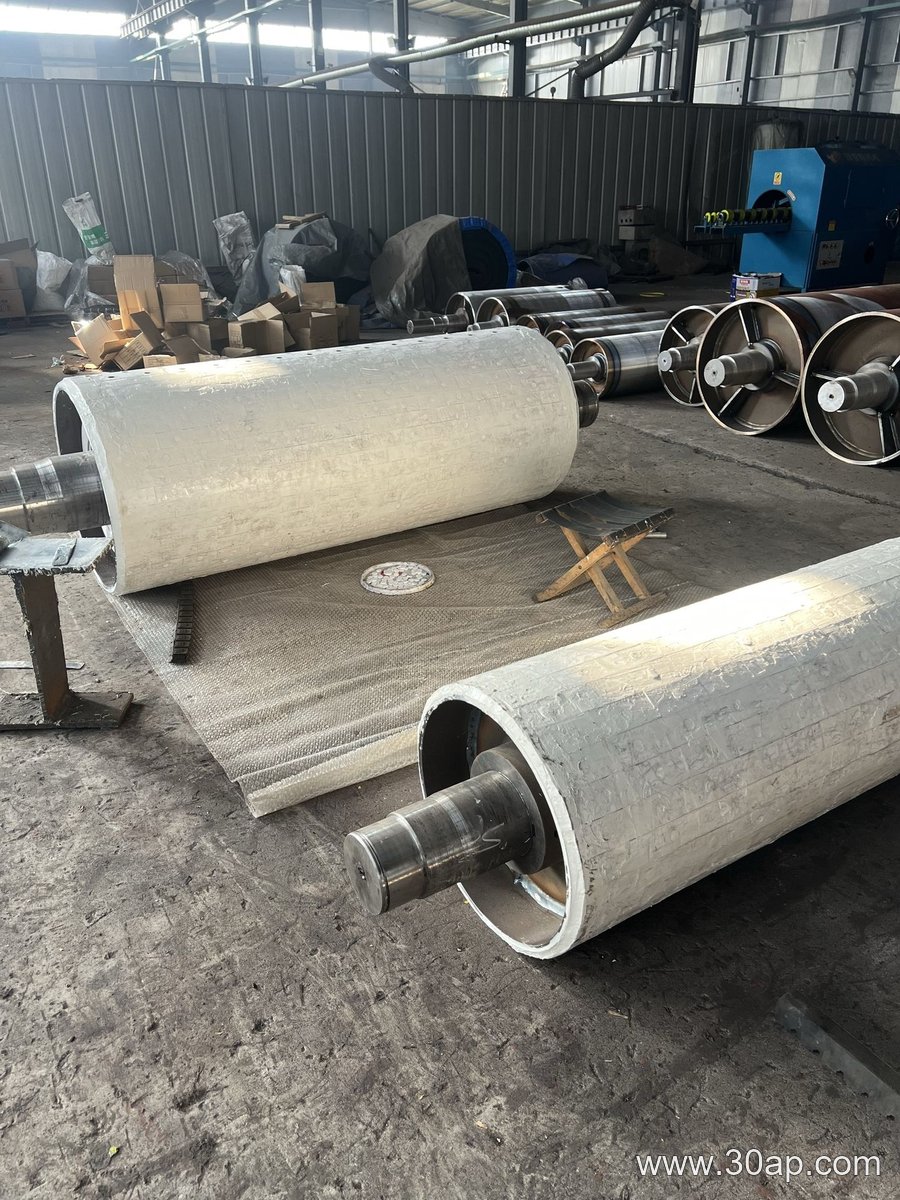
Lagging choice matters. A plain rubber lagging is suitable for many dry applications. A diamond grooved lagging is better where moisture, dust, or oil may be present. Ceramic lagging offers high wear resistance but can be harsh on some belt types. The buyer should also confirm the method of shaft attachment, the bearing type, and the lubrication system.
Installation and maintenance are equally important. Misalignment causes edge wear and belt tracking problems. A worn lagging surface reduces grip and leads to slip, which generates heat and can damage the belt. Regular inspection of the pulley face, bearings, and brackets helps prevent unplanned stoppages. Keeping spare conveyor parts pulley assemblies on hand may reduce downtime in critical operations.
Common Configurations
- Head drive pulley with rubber lagging for general bulk handling
- Diamond grooved lagged pulley for wet or dusty conditions
- Drive pulley with shrink disc coupling for high-torque applications
- Bend pulley used after the drive to redirect the belt
- Tail pulley with take-up frame for tension control
Related Components in the Drive Station
- Conveyor belt: EP, nylon, steel cord, heat-resistant, or patterned
- Idler roller: troughing, return, impact, or spiral for different belt sections
- Conveyor pulley: drive, head, tail, bend, or lagged
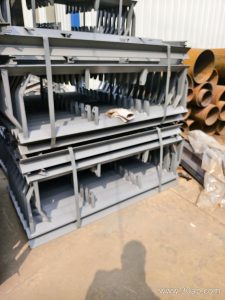
- Conveyor bracket: troughing, return, or adjustable for holding rollers and pulleys
A large drive pulley is a long-term investment. Selecting the right diameter, lagging, and bearing arrangement for the actual duty will extend belt life and keep the line running. Buyers should work from real load data and site conditions rather than a generic catalog number. When in doubt, consult the conveyor designer or a qualified engineer to match the pulley to the rest of the system.