What a Steel Plant Conveyor Belt Does
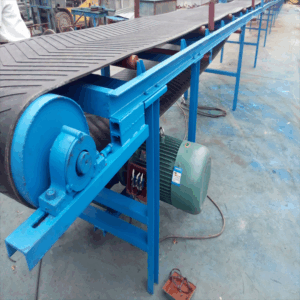
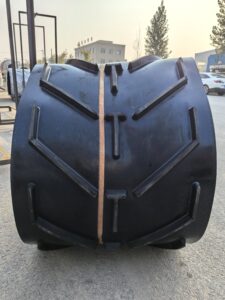
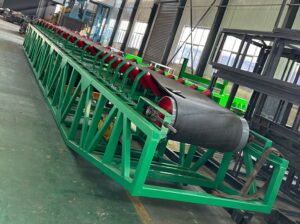
In a steel plant, raw materials arrive in bulk and must move continuously through crushing, screening, blending, and charging stages. A steel plant conveyor belt is the flexible carrying surface that makes this possible. It is not a single product but a system component engineered for abrasive, heavy, and often hot loads. You will see it carrying sinter, pellets, coke, limestone, and scrap. In many yards, the same belt also handles iron ore conveyor belt duty, moving wet or dry ore from stockpiles to processing buildings. The belt itself is only one part of the line; it works with idler rollers, conveyor pulleys, and support brackets to keep material flowing without spillage or stoppage.
How the Belt Is Built
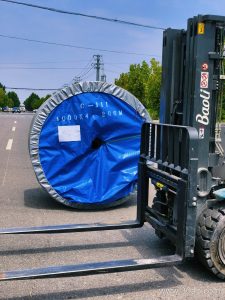
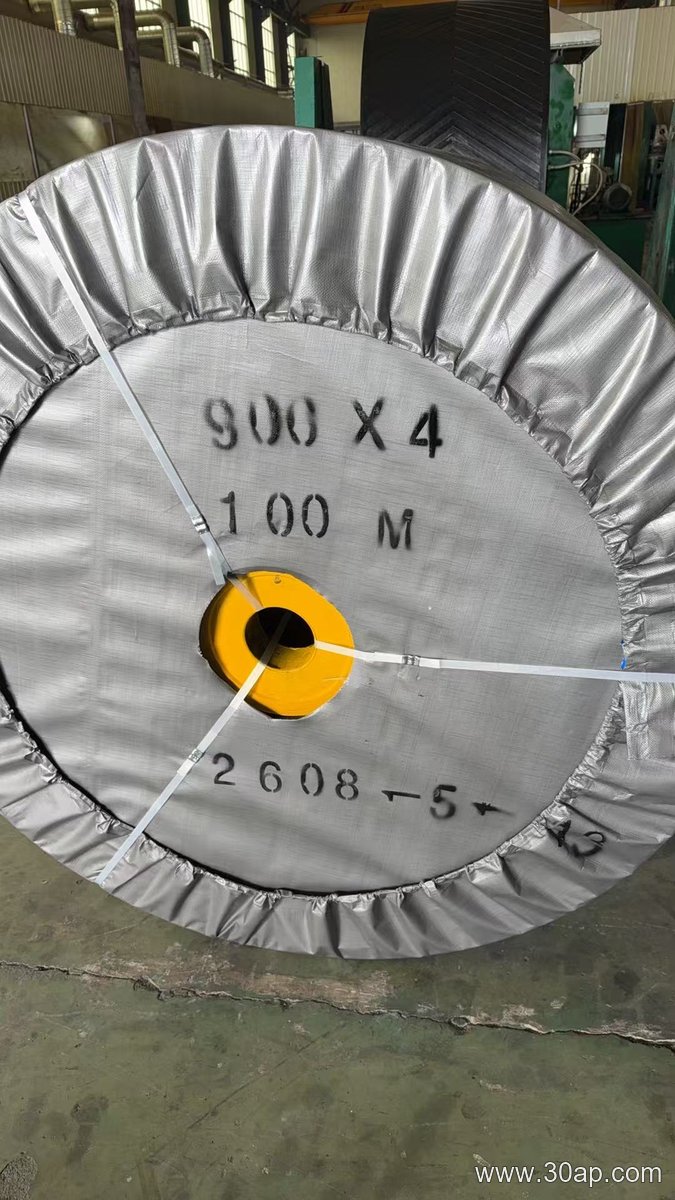
Most heavy-duty belts use a carcass of EP fabric, meaning polyester warp and nylon weft. This EP conveyor belt construction gives high tensile strength, low stretch, and good resistance to impact. The carcass is covered with rubber on both sides. The top cover protects against abrasion and cutting, while the bottom cover runs against the idlers. Cover compounds may include natural rubber, styrene-butadiene rubber, or blends with anti-abrasive and heat-resistant additives. For hot sinter or coke, special heat-resistant grades are used. The belt edges are usually cut square or molded, and the splice may be vulcanized or mechanical. A steel plant conveyor belt often runs at high tension, so the number of fabric plies and the cover thickness are matched to the load and the pulley diameter.
Key Components Around the Belt
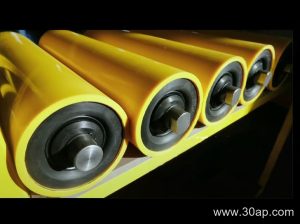
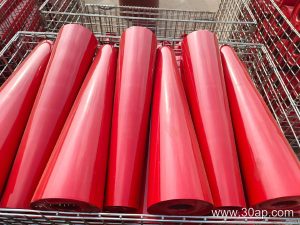
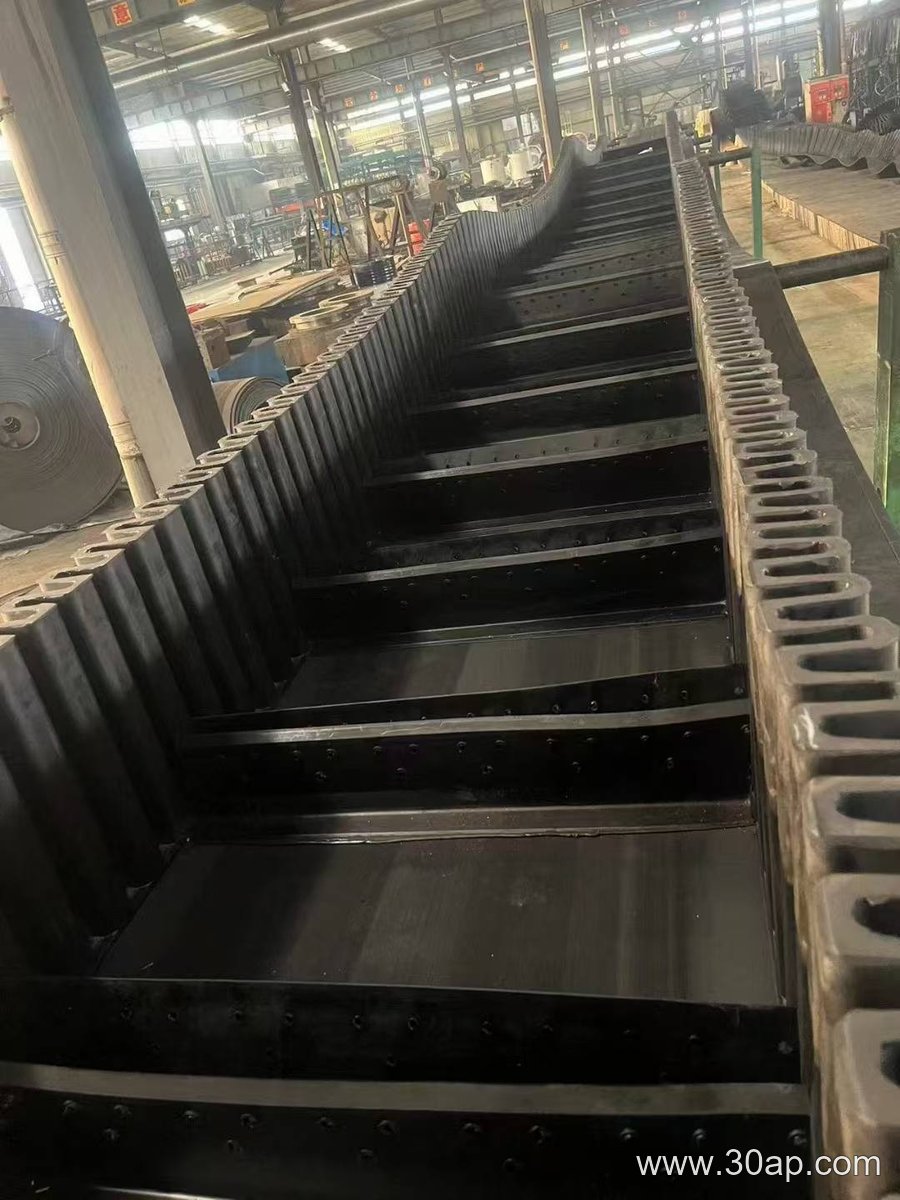
- Idler roller sets support the belt and shape the trough. Their spacing and diameter affect belt sag and energy use.
- Conveyor pulley drives the belt at the head and returns it at the tail. A lagged pulley improves grip and reduces slip.
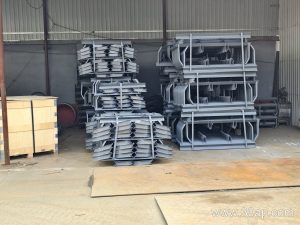
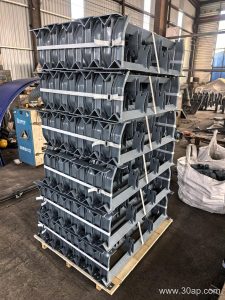
- Conveyor bracket and frame hold the idlers and pulleys in alignment. Misalignment here shortens belt life.
- Take-up systems maintain tension as the belt stretches during operation.
Where It Is Used in a Steel Plant
Steel plants use belt conveyors in many locations. A primary ore conveyor belt may carry raw iron ore from a receiving hopper to a stockyard. After blending, an iron ore conveyor belt feeds the sinter plant or direct reduction unit. Coke and limestone travel on separate lines to the blast furnace charging system. In the melt shop, belts may move scrap or additives, though some duties use other feeders. A 650mm conveyor belt is a common width for medium-capacity lines, such as transfer conveyors between bins or small stockpile discharges. Wider belts handle main trunk lines. Because steel plants run continuously, belt reliability matters as much as its initial strength.
Operating Conditions That Affect Belt Choice
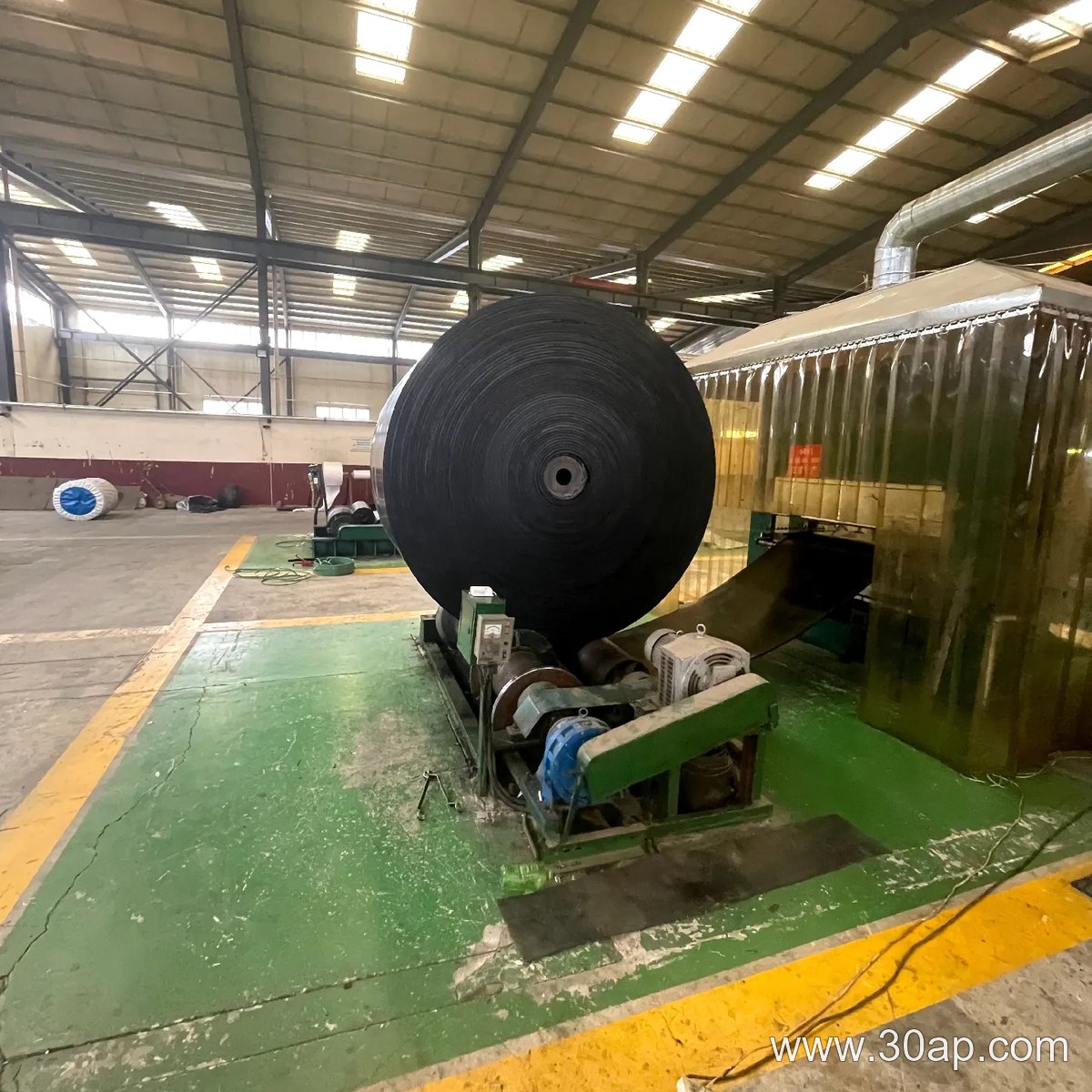
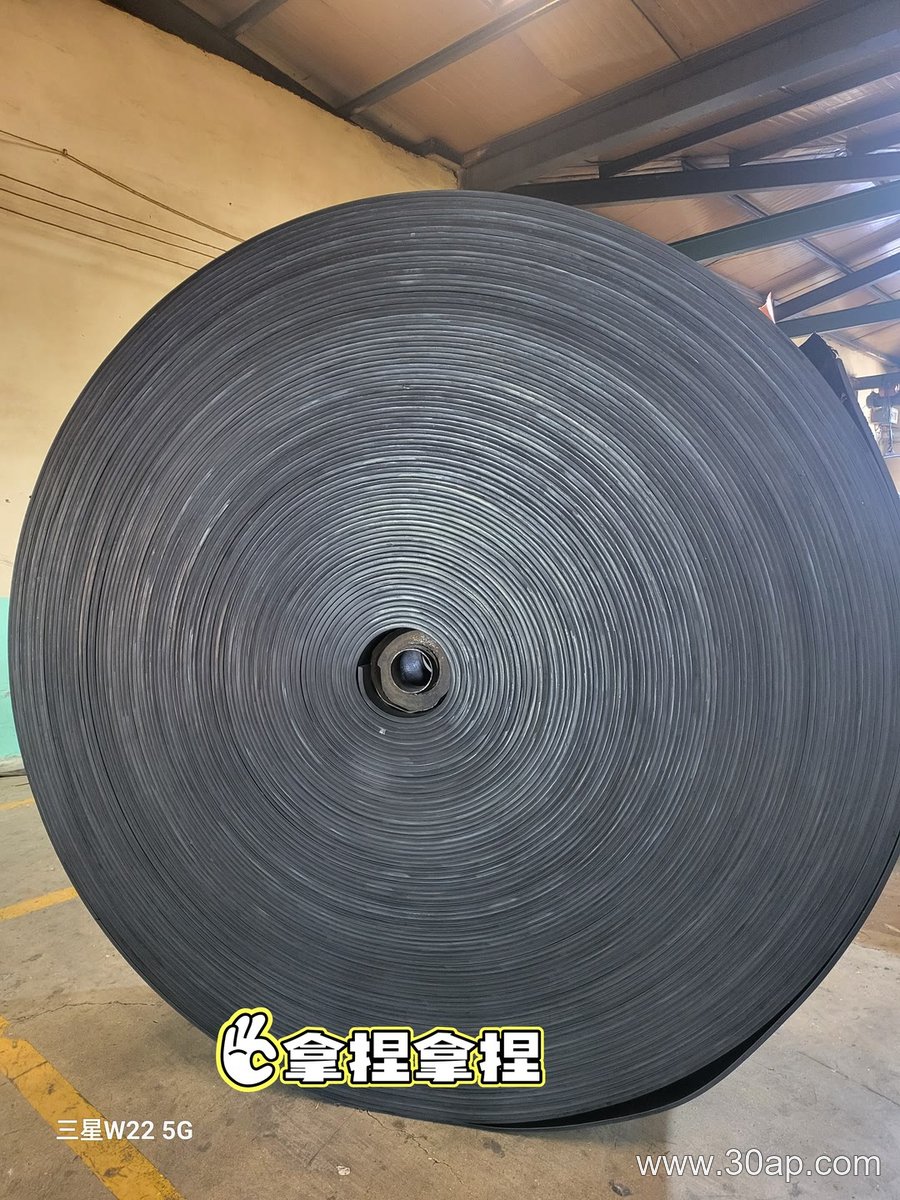
Temperature, material size, moisture, and belt speed all influence selection. Hot material can harden and crack ordinary rubber covers. Sharp ore lumps can cut the cover if impact idlers are not used at transfer points. Wet, sticky ore may need a smooth cover and a belt cleaner. A steel plant conveyor belt must also resist oil and grease in some areas. The buyer should share the material type, lump size, temperature range, and daily tonnage with the supplier. That information allows the supplier to recommend the right carcass, cover grade, and splice method.
What a Buyer Should Know
When purchasing a belt for a steel plant, do not focus only on price per meter. Ask for the fabric type, number of plies, cover thickness, and rubber grade. For an EP conveyor belt, check the tensile strength per ply and the elongation at break. Confirm the belt width and edge condition. If the line uses a 650mm conveyor belt, make sure the idlers and pulleys match that width. For ore duty, specify abrasion resistance and impact resistance. For hot duty, specify the maximum continuous temperature. Also consider the pulley diameters; a thick belt needs larger pulleys to avoid bending stress. Finally, plan for spare belt, splicing tools, and trained maintenance staff. A belt that is installed and tensioned correctly will last longer and reduce downtime.
Maintenance and Safety Points
- Inspect idler rollers regularly for seized bearings or worn shells. A bad idler can damage the belt cover.
- Check conveyor pulley lagging for wear and slippage. Replace worn lagging before it polishes the pulley.
- Keep the conveyor bracket and frame aligned. Misalignment causes edge wear and belt tracking problems.
- Clean spillage at transfer points. Buildup can press against the belt and cause mistracking.
- Never walk or work on a moving belt. Lock out the drive before maintenance.
In summary, a steel plant conveyor belt is a heavy-duty component selected for the material, temperature, and layout of the plant. Whether the line moves ore, coke, or sinter, the belt must match the idlers, pulleys, and brackets around it. Buyers who specify the full duty and maintain the system will get safer, longer, and more predictable service.