Judgment and Project Constraint
For a coal conveyor idler operating under a strict dimensional constraint, a reduced roller diameter often solves the space problem but increases the number of idlers and the frequency of bearing inspections. In a hypothetical mineral-processing plant, a retrofit conveyor must fit inside an existing gallery with a maximum clearance of 180 mm from belt bottom to structural steel. That single constraint forces the selection of a 102 mm diameter roller instead of a standard 152 mm roller, and the decision cascades into higher count and tighter maintenance intervals.
Comparison With a Larger Diameter Coal Conveyor Idler
A larger diameter roller, such as 152 mm, offers several advantages when space is not limiting. Its larger circumference reduces the number of revolutions per minute for the same belt speed, which lowers bearing rotational speed and heat generation. The larger shell also provides more surface area for the belt to ride on, distributing load over a wider contact patch. In a coal handling system, where fines and moisture can create sticky carryback, the larger diameter helps the belt track more smoothly and reduces the risk of material packing between the roller and the belt.
However, when the 180 mm clearance is fixed, a 152 mm roller plus its mounting brackets and belt thickness simply cannot fit. The 102 mm roller becomes the only viable option. This smaller diameter means the idler must rotate faster to match the same belt speed. For a hypothetical belt speed of 2.5 m/s, a 102 mm roller turns at approximately 468 rpm, while a 152 mm roller turns at about 314 rpm. That difference increases bearing friction and heat, which shortens grease life and accelerates seal wear.
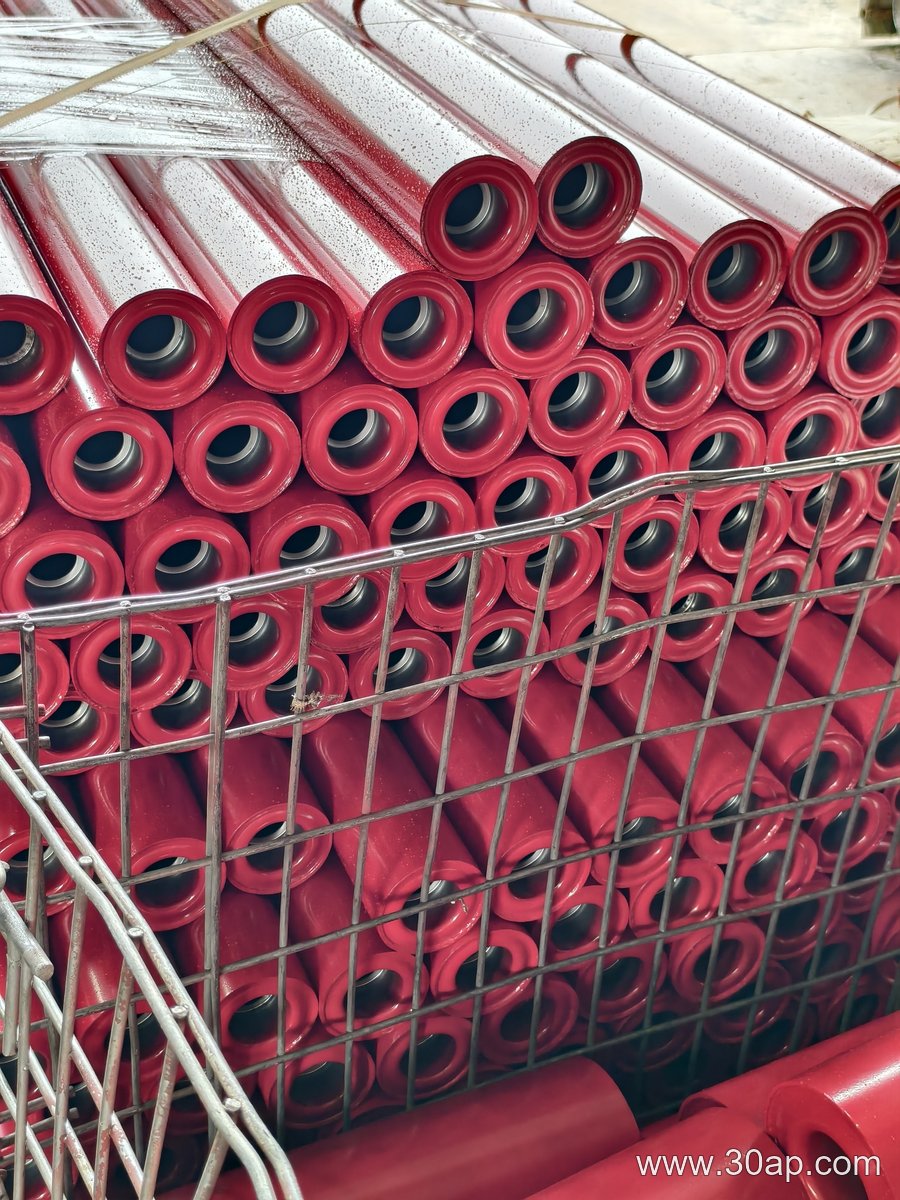
Because the smaller roller carries less load per unit length, the spacing between idlers must be reduced. In the hypothetical project, spacing drops from 1.2 m to 0.9 m, increasing the total idler count by roughly one third. More idlers mean more bearings, more grease points, and more opportunities for a single seized roller to damage the belt. The maintenance team must inspect more frequently, particularly for signs of overheating, grease leakage, and shell wear.
When the Judgment Holds
The decision to use a reduced diameter coal conveyor idler holds when the dimensional constraint is absolute and cannot be resolved by modifying the structure, moving the belt line, or changing the belt thickness. It also holds when the conveyor operates at moderate belt speeds and carries relatively free-flowing coal without large lumps or heavy impact. In those conditions, the higher rotational speed and increased count are manageable through a disciplined inspection routine.
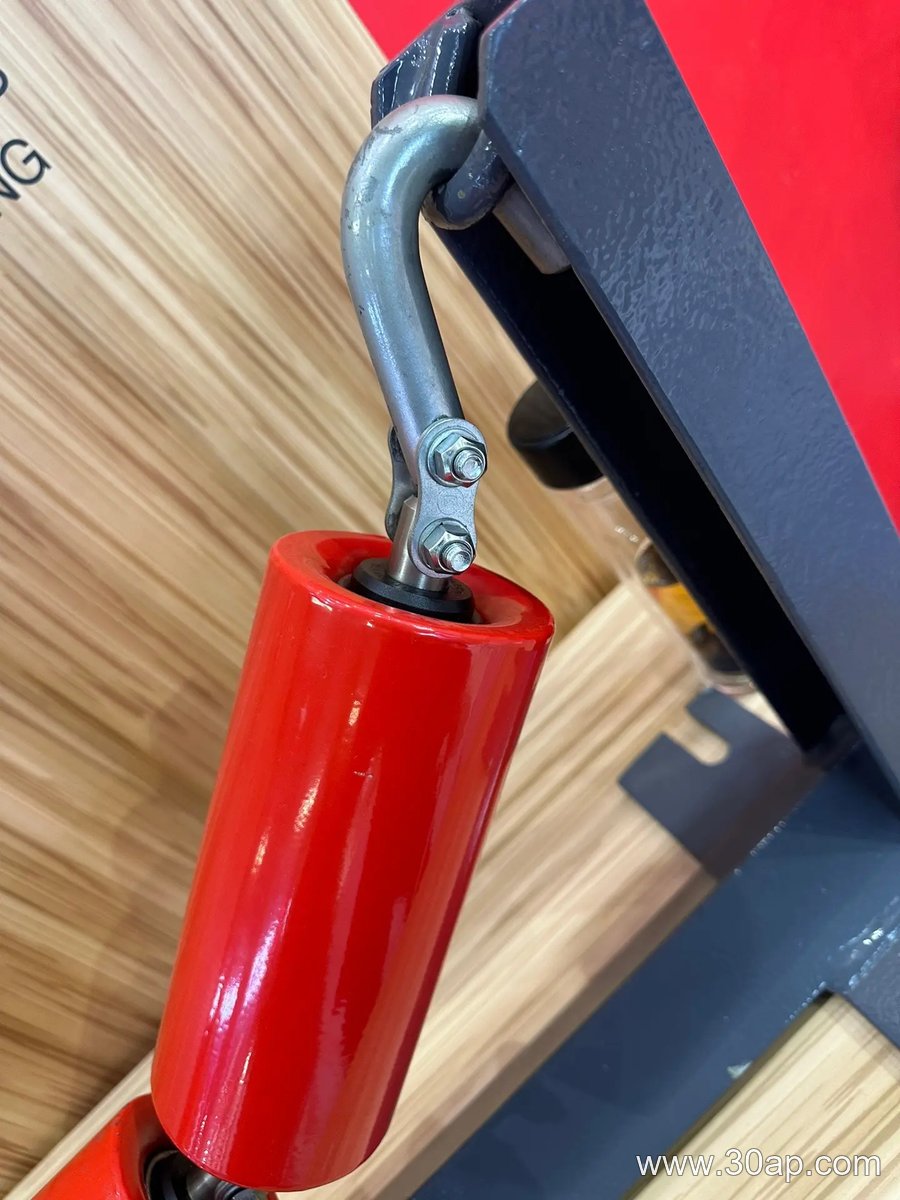
For example, in a hypothetical coal preparation plant, a 102 mm roller installed on a 0.9 m spacing performed acceptably for six months when inspectors checked bearing temperature weekly and re-greased every 500 operating hours. The plant accepted the higher maintenance burden because the alternative was a costly structural modification. This illustration shows that the judgment is not universal; it depends on the willingness to accept more frequent maintenance.
When the Judgment Does Not Hold
The judgment fails when the coal stream contains large lumps, heavy foreign objects, or high impact forces at the load point. A smaller diameter roller has less shell thickness and lower load capacity, so it may deflect or crack under impact. In that case, a larger diameter impact idler or a different conveyor layout is necessary, even if it requires structural changes. The judgment also fails when the belt speed is high enough to push the smaller roller beyond its bearing speed limit. Without knowing the exact bearing rating, an engineer should verify that the calculated rpm does not exceed the manufacturer’s stated maximum for the chosen bearing and seal combination.
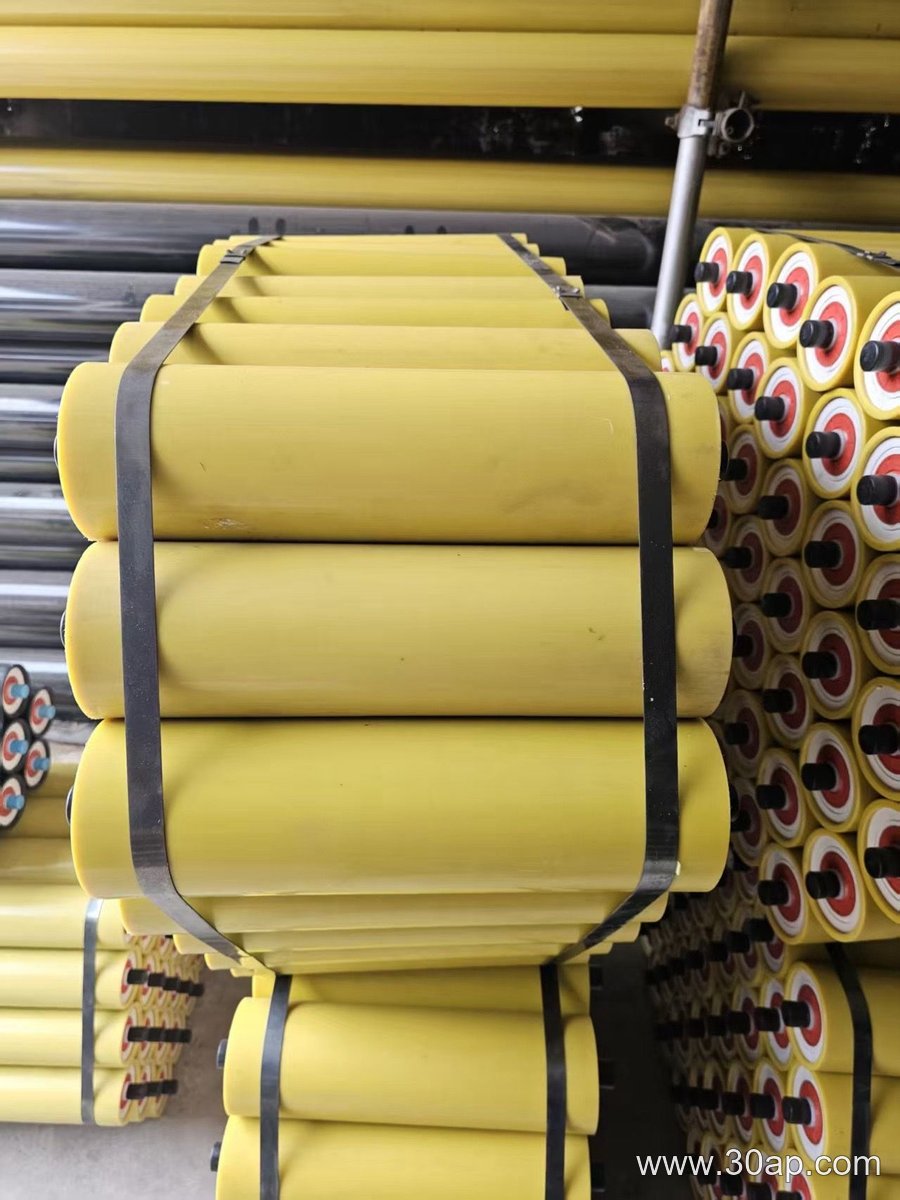
Another condition where the judgment does not hold is when the coal is extremely sticky and prone to build-up. A smaller diameter roller has a tighter gap between the shell and the bracket, which can pack with fines and cause seizure. In such cases, a larger diameter roller with a self-cleaning profile or a return idler with rubber discs may be more appropriate, but that is a different decision outside this judgment.
Maintenance Angle for This Decision
When a reduced diameter coal conveyor idler is selected, the maintenance routine must focus on three items. First, check bearing temperature at each idler after the belt has run for at least one hour. A temperature rise above ambient of more than 30°C suggests excessive friction or grease failure. Second, inspect for grease leakage at the seal area; a leaking seal on a small roller can contaminate the coal and lead to premature bearing seizure. Third, measure shell wear at the belt contact zone. Because the smaller shell has less material, it may wear through faster than a larger roller. Replace any roller with visible grooves, cracks, or a wobble that exceeds 1 mm.
These checks are not a general maintenance checklist; they are the specific consequences of the reduced diameter decision. The inspector should record the number of idlers replaced per month and compare it to the larger diameter baseline from a similar conveyor. If the replacement rate doubles, the plant may need to reconsider the dimensional constraint or accept a shorter idler life.
Practical Limits of the Decision
The core judgment is that a reduced diameter coal conveyor idler fits tight spaces but increases count and inspection frequency. This holds only when the space constraint cannot be relaxed and when the coal is relatively benign. It does not hold for high-impact, high-speed, or sticky coal applications. An engineer should calculate the required idler spacing and bearing speed using the actual belt speed and load, then compare the result to the roller’s rated capacity. Without that calculation, the decision is a guess, and a guess on a coal conveyor can lead to unplanned downtime.