Balancing Material Fit and Procurement Cost in Wet Outdoor Conveyor Belt Selection
Procuring a conveyor belt for a wet outdoor installation requires careful balancing between chemical and mechanical material properties and initial capital expenditure. When a material handling system operates continuously under rain, humidity, and varying ambient temperatures, standard rubber grades often degrade prematurely due to moisture ingress and biological growth. Procurement teams face a persistent trade-off: investing in premium polymer compounds reduces long-term maintenance frequency, whereas specifying lower-cost alternatives frequently leads to frequent unplanned replacements and higher total lifecycle expenses.
Comparative Analysis of EPDM and Chloroprene Rubber Compounds
Choosing the correct elastomeric cover for a wet outdoor conveyor belt fundamentally determines how well the system resists environmental degradation. Facility managers typically evaluate two primary polymer types for these conditions, each presenting distinct mechanical characteristics and financial implications.
Ethylene Propylene Diene Monomer EPDM Covers
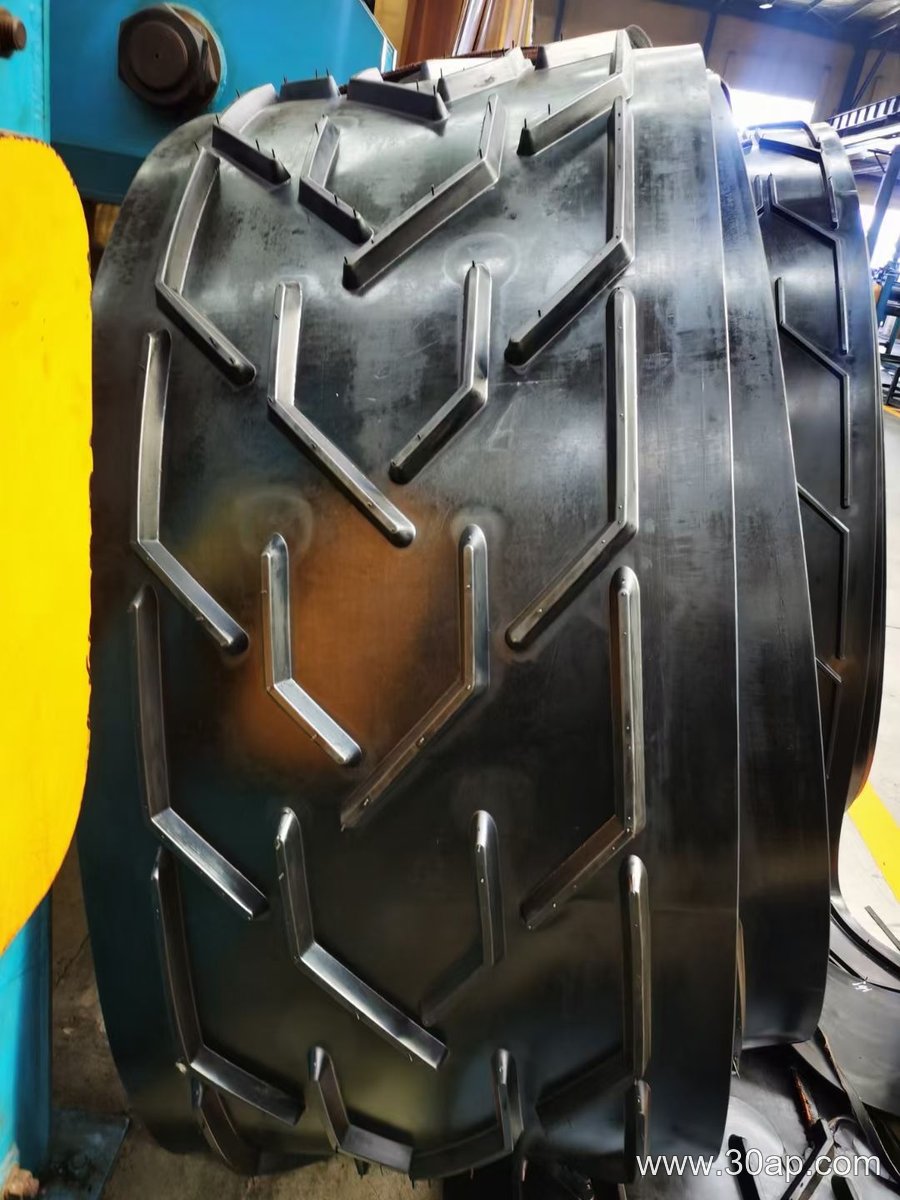
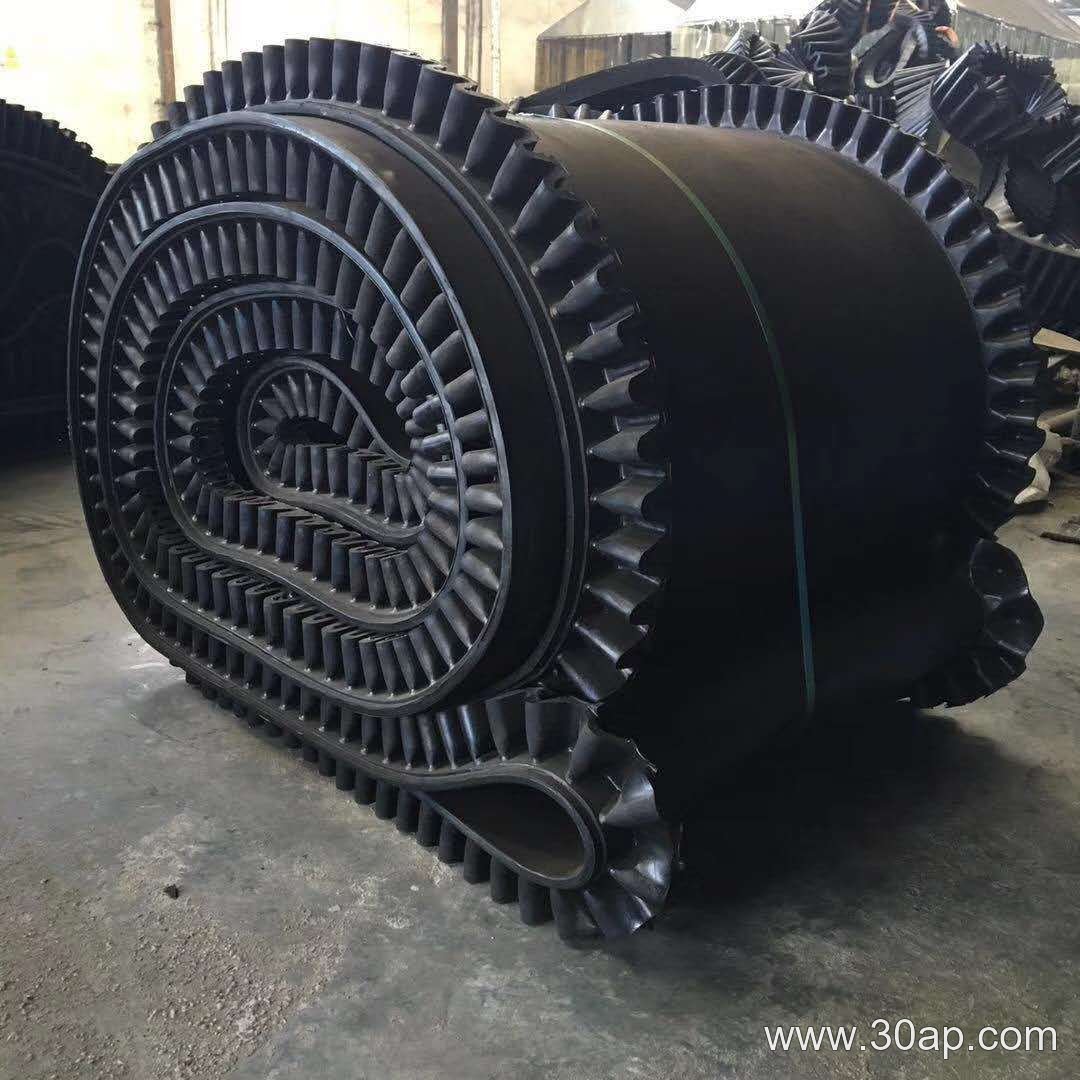
EPDM rubber offers exceptional resistance to ozone, ultraviolet radiation, and extreme moisture exposure. Because outdoor systems suffer continuous sun and rain exposure, EPDM prevents surface cracking and hardening over years of service. Its molecular structure contains a saturated backbone that resists oxidation, making it an ideal match for open-air aggregate washing plants or drainage sludge handling. However, procurement costs for EPDM compounds are notably higher. The raw polymer expense and specialized curing agents increase the initial purchasing price of the conveyor belt compared to standard general-purpose rubber formulations.
Chloroprene Rubber CR Covers
Chloroprene rubber, widely known by the trade name neoprene, provides balanced mechanical performance with moderate resistance to oils, weathering, and flame propagation. In outdoor settings where occasional hydraulic fluid drips from drive assemblies or wet mineral slurries coat the surface, chloroprene maintains adequate tensile strength and abrasion resistance. From a purchasing perspective, chloroprene typically occupies a middle tier between expensive specialty polymers and inexpensive commodity rubbers. While it handles moderate moisture and weathering effectively, prolonged exposure to standing water and intense UV radiation can accelerate surface aging compared to a dedicated EPDM formulation.
Evaluating the Purchasing Trade-Off Between Application Fit and Cost
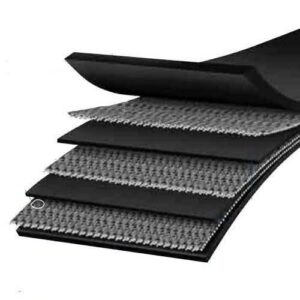
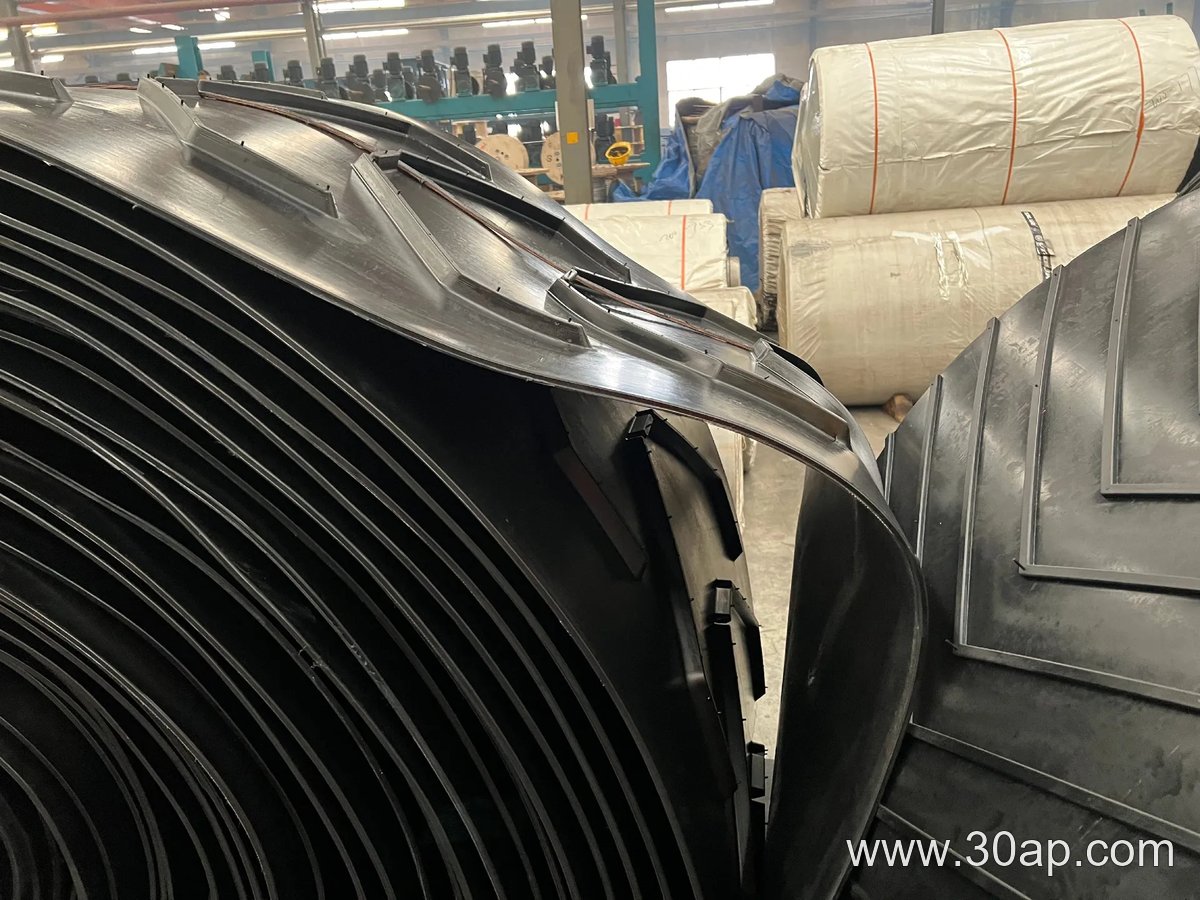
Translating technical material advantages into a sound procurement strategy involves analyzing the operational environment against budget constraints. Specifying an advanced polymer compound for a conveyor belt operating in a mildly damp, sheltered area introduces unnecessary capital expenditure. Conversely, selecting a low-cost general-purpose styrene-butadiene rubber for a fully exposed, high-moisture washing circuit inevitably results in accelerated cover peeling, carcass delamination, and costly downtime.
Industrial buyers must calculate the total cost of ownership by factoring in projected replacement intervals, labor expenses for splicing and installation, and potential production losses during unexpected stoppages. A higher upfront investment in a weather-resistant cover often proves economical over a five-to-ten-year horizon in harsh outdoor environments, whereas budget-constrained projects with lower duty cycles may successfully leverage mid-tier elastomeric compounds to control immediate capital outlay.
Key Procurement Verification Checks Before Finalizing Orders
- Confirm that the manufacturer’s specified polymer compound matches the environmental exposure level, noting specific resistance ratings to moisture and UV radiation.
- Review carcass adhesion test data to ensure that wet conditions will not cause premature ply separation or edge delamination.
- Evaluate supplier lead times for custom-compounded weather-resistant covers versus standard stock items to prevent project scheduling delays.
- Verify that the tensile strength and elongation metrics of the selected conveyor belt meet or exceed the peak tension demands of the drive pulley layout.