Handling Crushed Granite And Heavy Aggregate On A Conveyor Belt
Designing a material handling circuit for crushed granite and abrasive rock requires careful engineering of every component, particularly the primary conveyor belt moving material from the primary jaw crusher to secondary screening stations. Aggregate producers face a continuous trade-off between maximizing carcass flexibility for troughing efficiency and increasing impact resistance to withstand heavy, jagged rock drops from height. While a thinner, more flexible carcass reduces power consumption on long transfer runs, it risks premature puncture when sharp stone impacts the loading zone.
Unlike uniform factory goods, raw aggregate consists of angular stones with high bulk density and irregular shapes. When this material discharges onto a moving conveyor belt, the kinetic energy of heavy rocks imposes severe localized stress on the top rubber cover and internal reinforcement layers. Selecting the correct belt construction prevents costly downtime and ensures continuous throughput across the manufacturing or processing line.
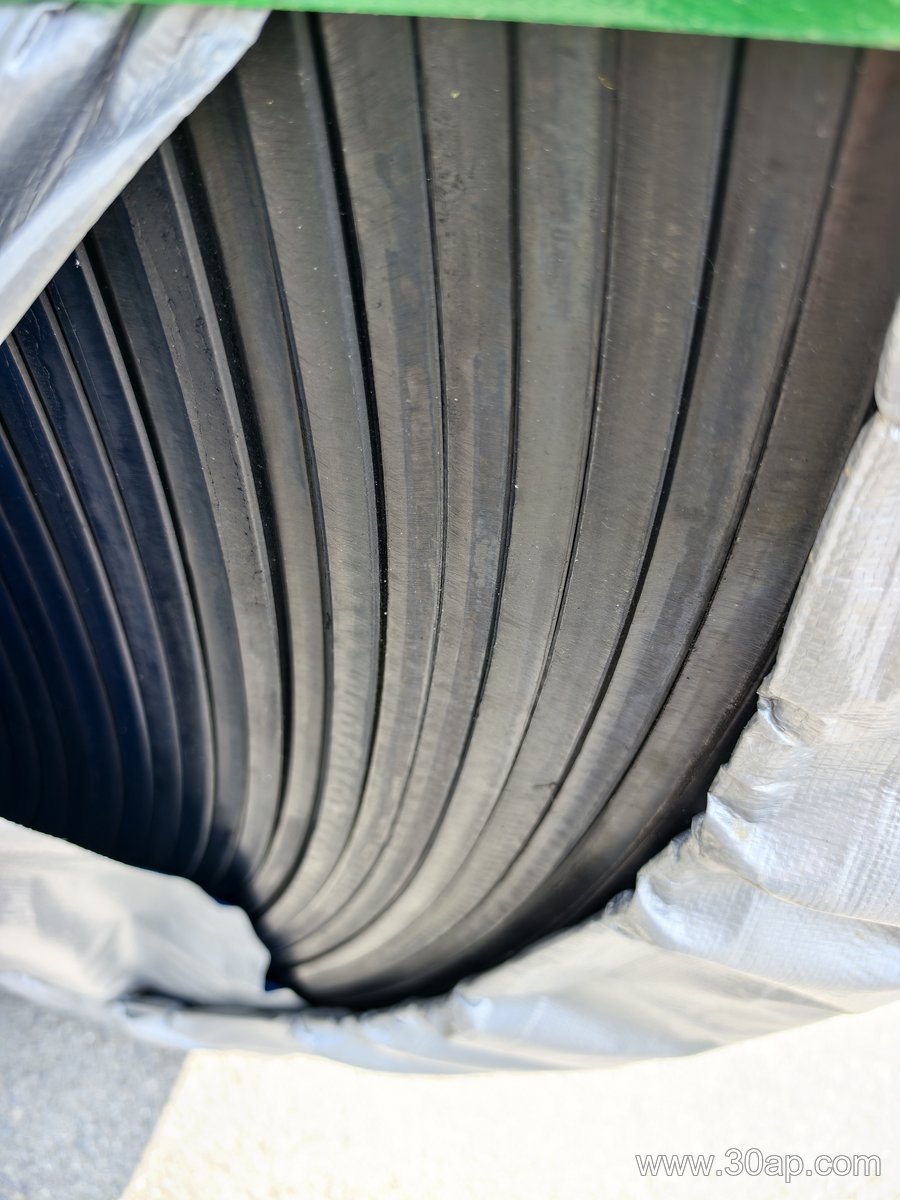
Impact Protection And Cover Compound Mechanics
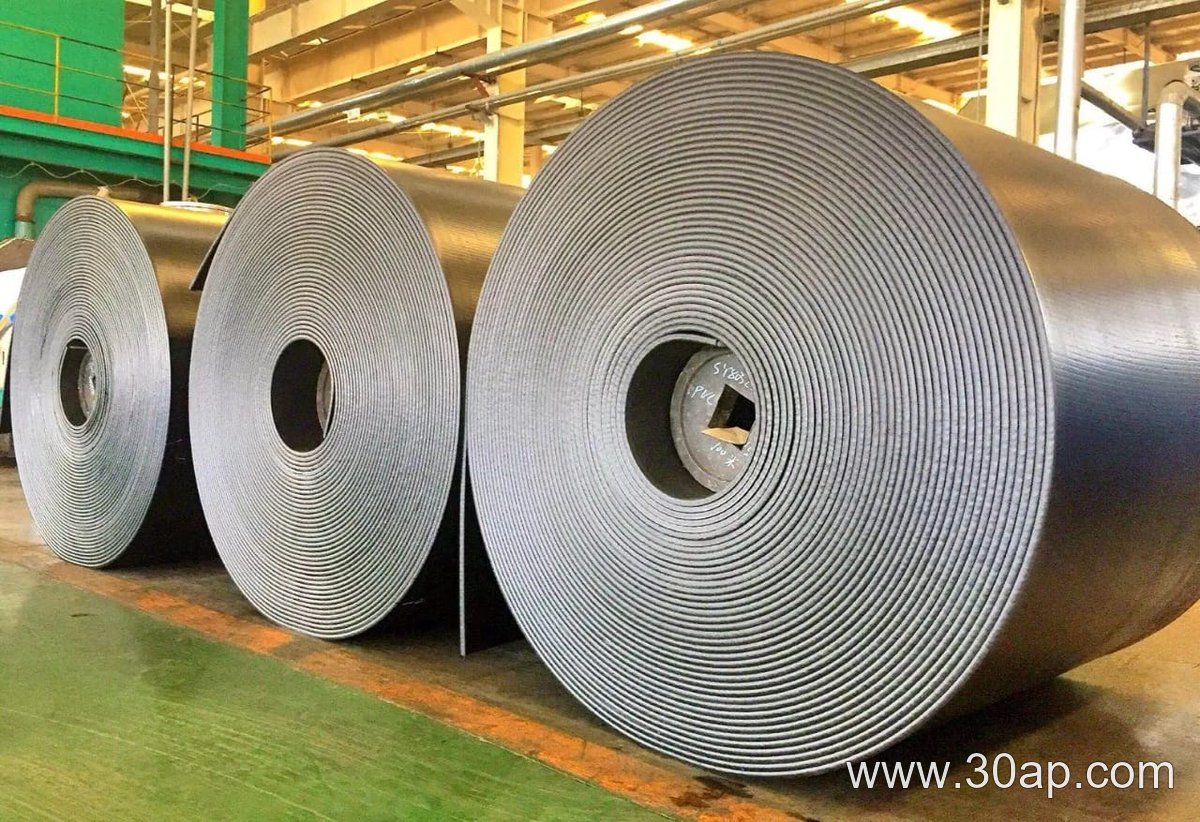
The top rubber cover of a conveyor belt operating in a hard rock aggregate application serves as the primary barrier against gouging, tearing, and dynamic shock. Engineers evaluate top cover thickness and durometer ratings based on the maximum lump size, drop height, and tonnage rate of the stone. A thicker top cover absorbs the initial impact energy of a falling boulder, distributing the force across a broader area before it reaches the internal carcass.
In addition to thickness, rubber compound formulation dictates wear performance under abrasive sliding conditions. Aggregate plants typically require specialized abrasion-resistant rubber grades that resist cutting when sharp stone edges drag across the surface during transition points. The following factors govern compound selection:
- Maximum lump size and sharp edge geometry of the quarried granite or limestone
- Vertical drop distance from chute lips to the receiving conveyor belt
- Operating speed and belt tension through loading and transfer zones
- Presence of moisture, clay, or fine sand that accelerates abrasive wear patterns
Carcass Construction And Tensile Requirements
Beneath the protective rubber covers, the internal carcass provides the longitudinal strength necessary to move heavy loads over extended center-to-center distances. For rigorous aggregate duties, engineers evaluate multi-ply fabric constructions versus steel cord designs depending on tension requirements and startup torque loads. Fabric carcasses utilizing high-modulus polyester warp and nylonweft threads offer excellent troughability and superior impact absorption capabilities, making them well-suited for medium-length overland or in-plant transfer conveyors.
Maintaining proper tension across the entire conveying line prevents slip at the drive pulley and ensures that the conveyor belt tracks correctly through varying load conditions. When calculating tension parameters for a hypothetical aggregate line processing 500 tons per hour of crushed stone, engineers account for frictional resistance, idler indentation losses, and material acceleration forces at each feed point. Proper mechanical fastener selection or vulcanized splicing ensures that the joint maintains structural integrity under cyclic fatigue.
Minimizing Wear Through Proper Transfer Station Design
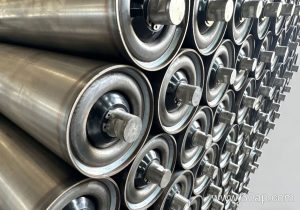
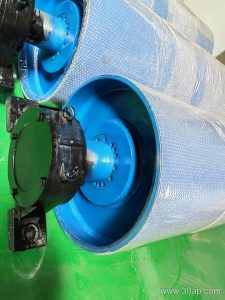
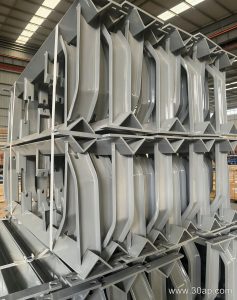
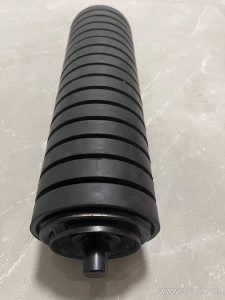
Even the highest-grade conveyor belt will experience accelerated wear if the surrounding mechanical transfer station is poorly configured. Skirtboards, impact idlers, and rubber buffer bars must work in harmony with the belt to absorb energy at the loading point. Installing impact idlers directly beneath the feed chute prevents the belt from sagging excessively under heavy rock drops, protecting both the carcass and the pulley bearings from destructive shock loads.
Regular monitoring of cleaning devices, such as primary and secondary blade scrapers, prevents carryback material from accumulating on return idlers and causing misalignment. By balancing carcass strength, rubber compound resilience, and transfer point geometry, aggregate plants achieve reliable, continuous material flow without unexpected operational interruptions.