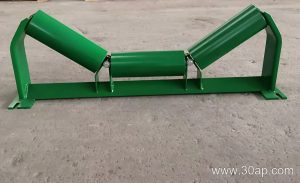
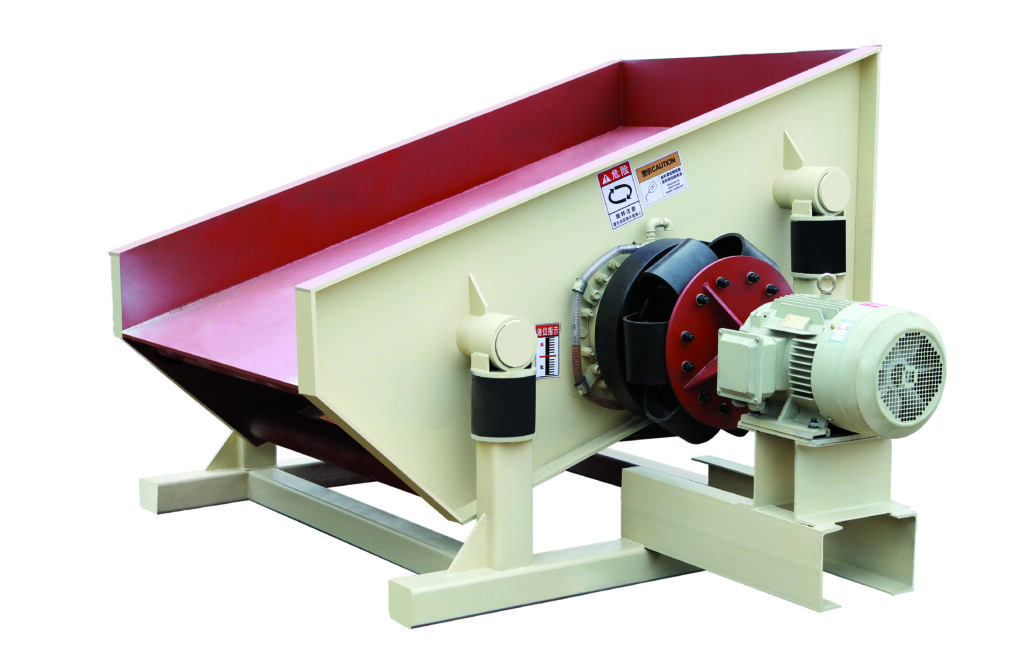
In a cement plant’s clinker gallery, heat, dust, and constant vibration test every support. A conveyor bracket that holds idlers must resist these forces without letting the belt drift. The right choice depends on how the bracket is built and how much adjustment it allows.
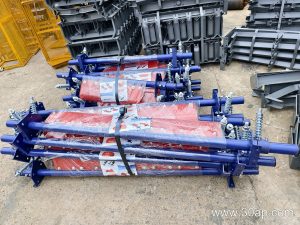
Grouping conveyor brackets by construction and duty
Fixed-weld brackets
These are welded directly to the stringer. They offer high rigidity and are used where alignment is set once and dust is light. In a clinker gallery, they can crack if thermal cycling is severe.
Bolted adjustable brackets
Slotted holes let you fine-tune idler height and tilt. They suit dusty areas because you can re-align without cutting welds. Use them where maintenance access is limited.
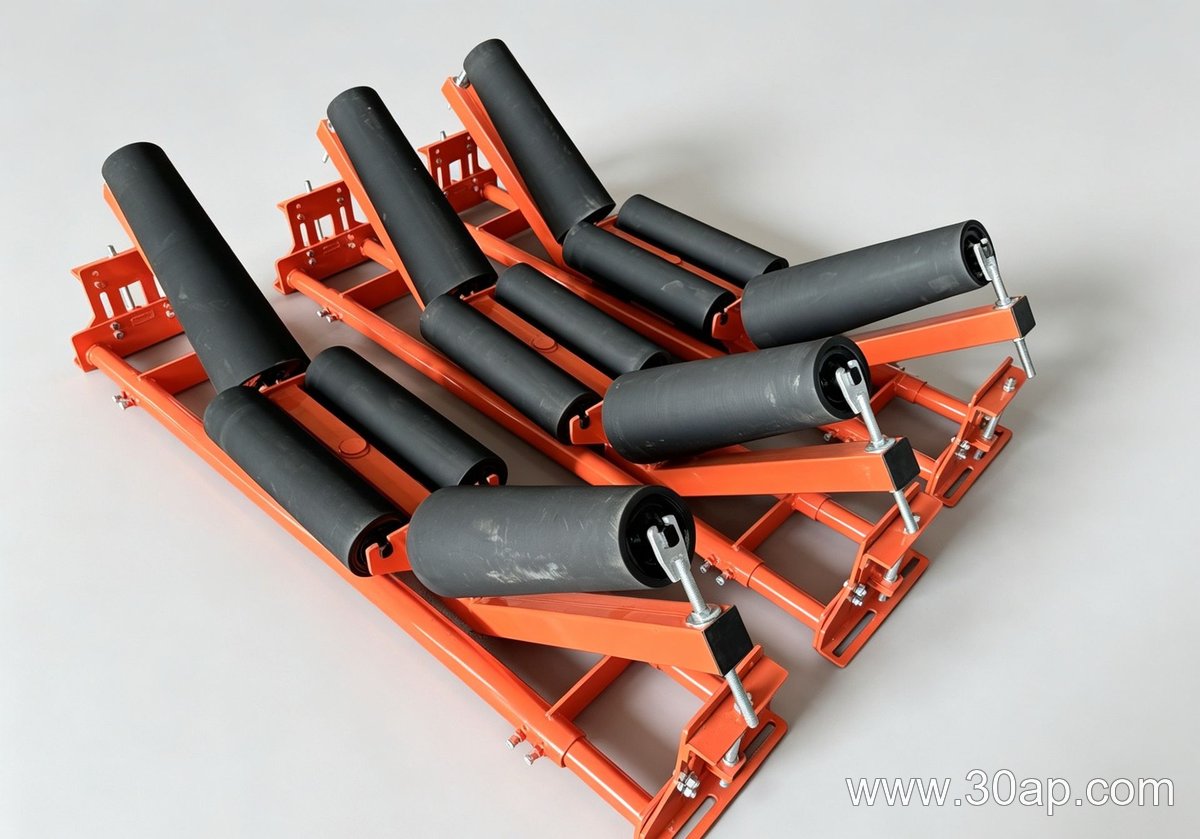
Self-aligning brackets
These pivot slightly to follow belt misalignment. They help in transition zones but need regular inspection for seized pivots in abrasive dust.
Choose a fixed bracket for clean, stable sections; a bolted adjustable type for dusty clinker galleries where re-alignment is likely; and a self-aligning bracket only where belt wander is a known issue and inspection is frequent.
Why Dust Sticks to a Conveyor Belt
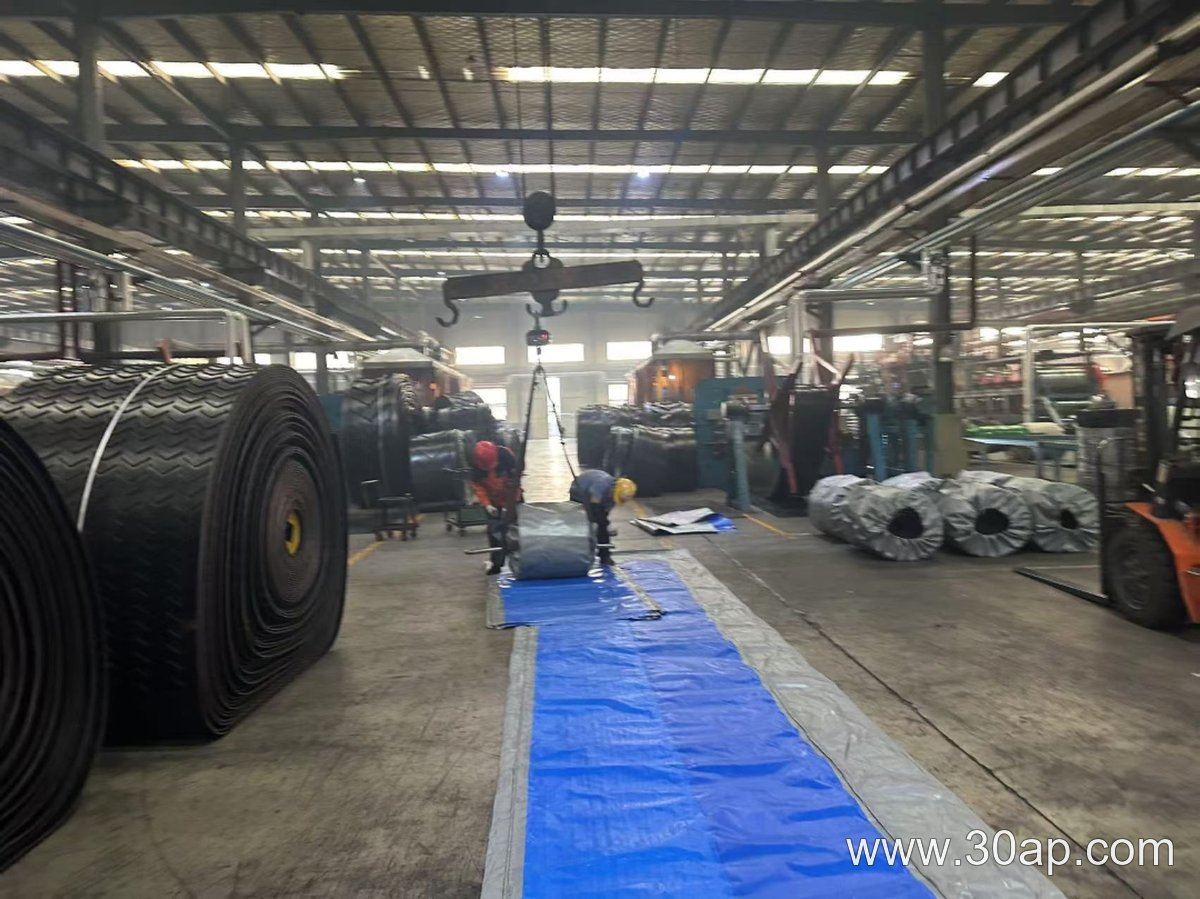
In a dusty quarry, fine rock dust does not fall off a conveyor belt at the head pulley. Moisture and electrostatic charge make it cling to the cover, so it rides the return strand and drops along the whole route.
Engineering Levers
- Belt cleaner type and blade pressure
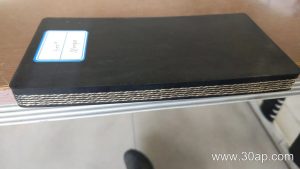
- Cover compound and surface texture
- Chute geometry and loading impact
A softer, thicker cover can improve cleaning but raises rolling resistance. The trade-off is real: better release often costs energy.
Inspecting an idler roller before it seizes
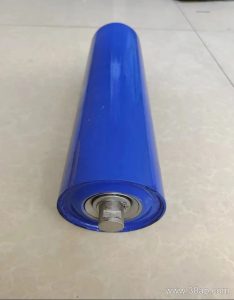
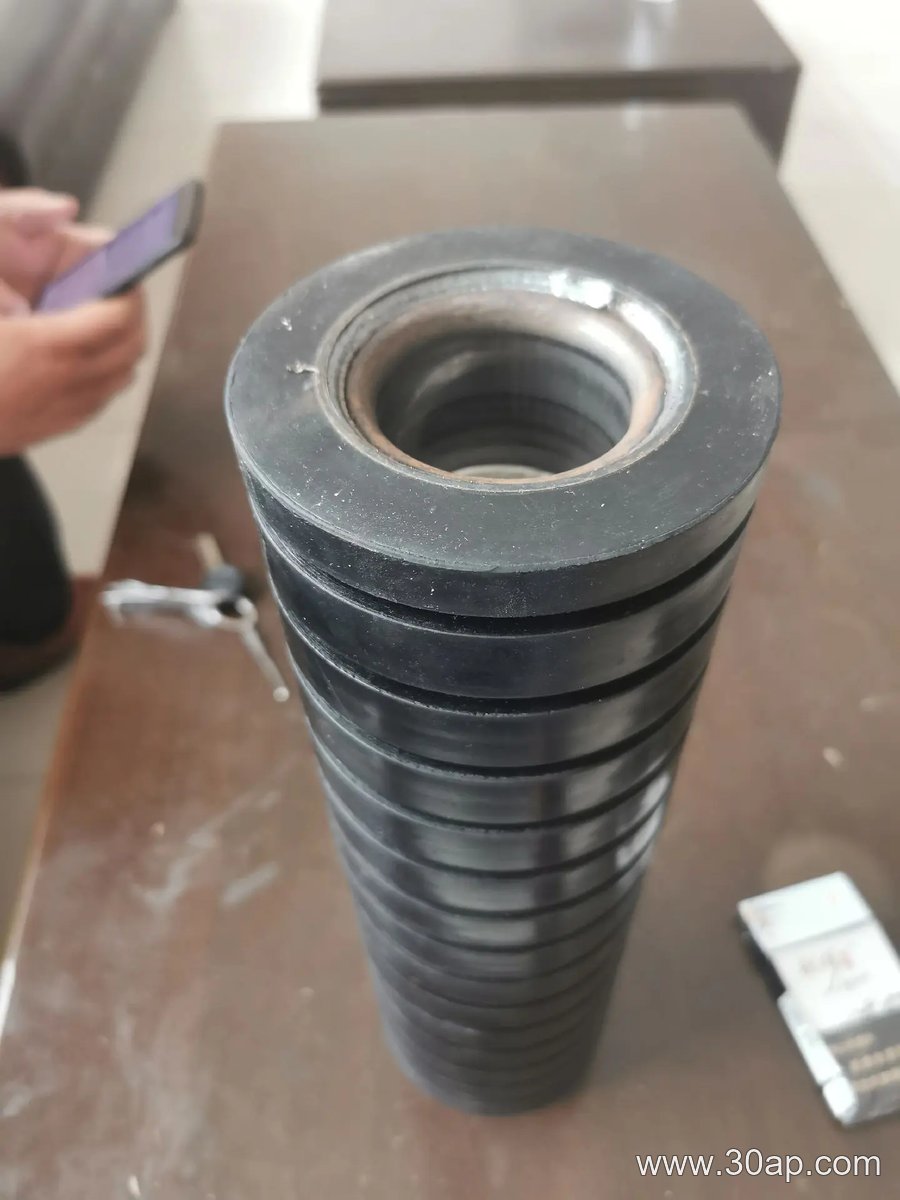
On a general manufacturing line, an idler roller usually announces trouble before it stops: a chirp, a hot bearing housing, or a belt that drifts at one station. Walk the line weekly and check each idler roller for free rotation, side play, and grease weeping at the seal.
Preventive maintenance that pays
- Clean dust from the shell and seal area.
- Confirm the roller spins by hand without grinding.
- Look for a flat spot or coating wear that changes belt tracking.
Replace an idler roller when it drags, leaks grease, or shows a scored shaft. Catching these signs early protects the belt and keeps the line running.
What Should a Procurement Team Verify Before Ordering a Port Conveyor Pulley from China
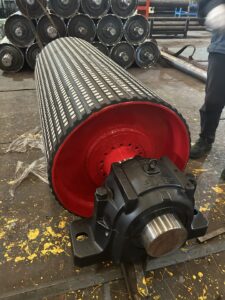
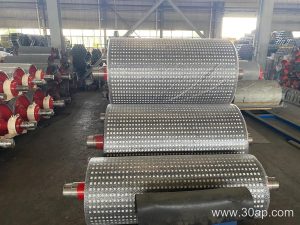
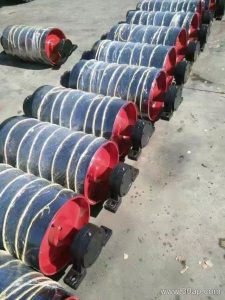
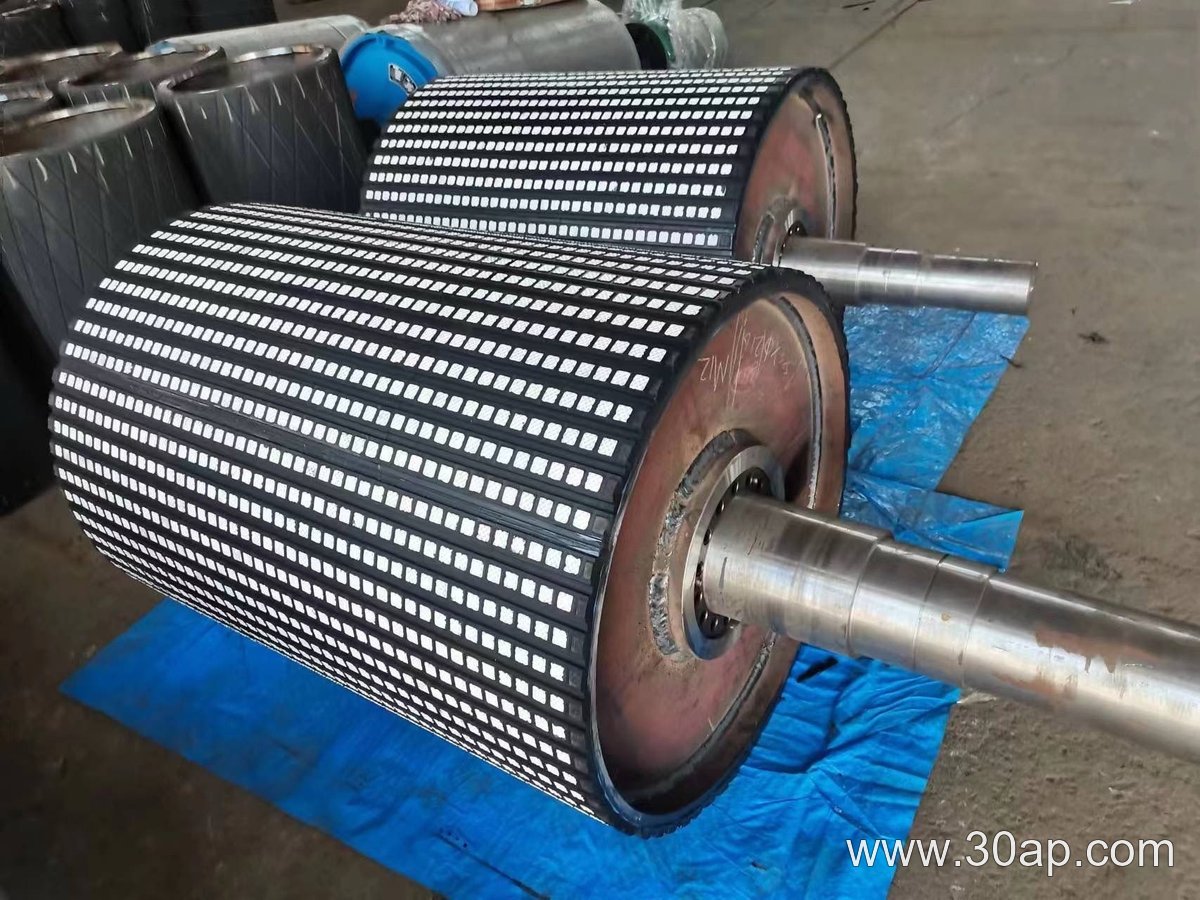
A bulk-material port terminal needs a conveyor pulley that matches its duty, not a generic catalog item. Before requesting quotes, define the belt width, shaft load, and environmental exposure.
Specification Preparation
- State the shell diameter and face width in millimeters.
- List the calculated shaft load and bearing life target.
- Describe the lagging type and the expected belt speed range.
- Note whether salt air or dust requires extra corrosion protection.
Supplier Evaluation
Ask for the manufacturing tolerance on concentricity and the welding procedure for the shell-to-hub joint. A supplier who can explain these points is easier to audit. Request a dimensional inspection report with the shipment.