Grouping idler rollers by construction and duty
In a mineral-processing plant, an idler roller is selected by how it handles abrasive dust, impact, and load. Three broad construction groups cover most needs.
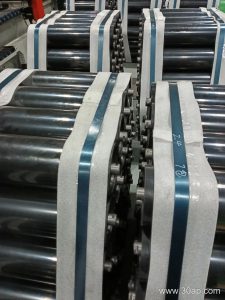
Stamped and sealed rollers
These use a formed steel shell and contact seals. They suit clean to moderately dusty conveyors where cost and weight matter.
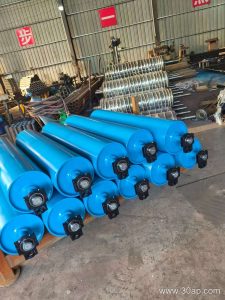
Heavy-duty tube rollers with labyrinth seals
A thick-walled tube and multi-stage labyrinth seal resist fines and moisture. Use them on primary crusher discharge and transfer points with continuous abrasive dust.
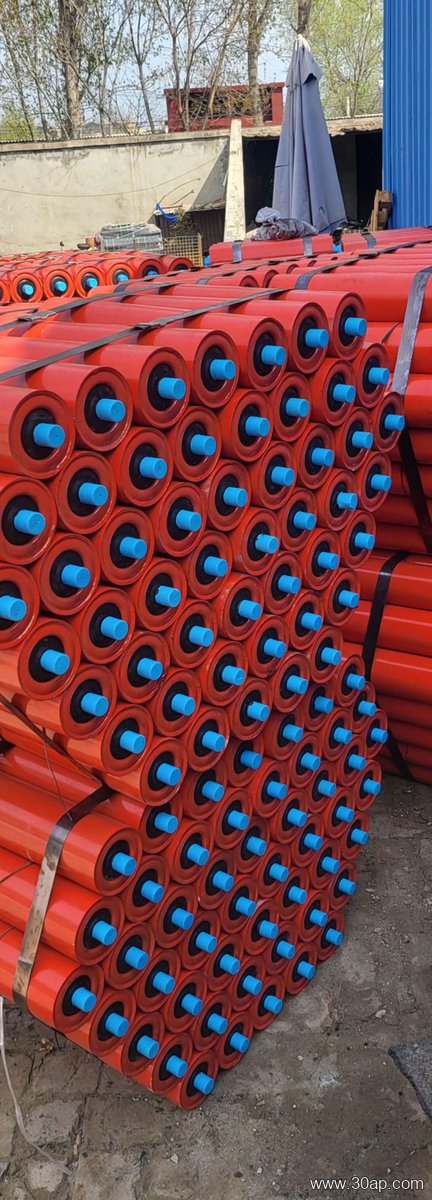
Impact and high-capacity rollers
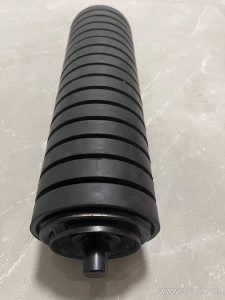
Rubber disc idlers absorb lump impact, while high-capacity trough idlers support heavy loads at wide belt widths. Specify them at load zones and high-tonnage lines.
Match the group to the duty, not the catalog page. A sealed roller in an impact zone will fail early; an impact roller on a clean line adds unnecessary drag.
Can a conveyor pulley survive wet salt air and 2000 t/h?
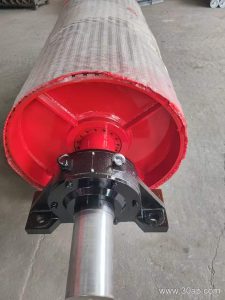
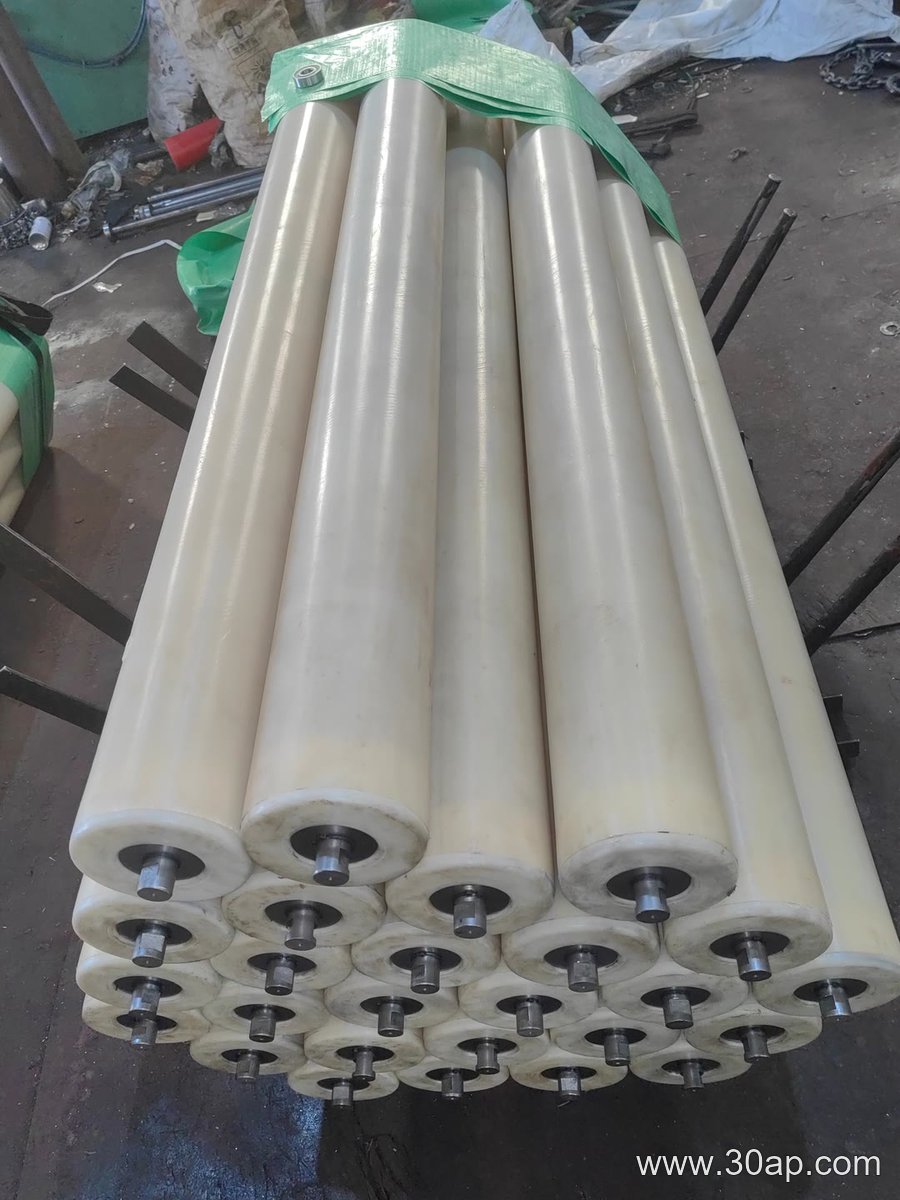
Assume a hypothetical iron ore terminal handling 2000 t/h. The conveyor pulley must resist corrosion and maintain belt traction. Wet salt air accelerates shell rust and lagging degradation. Decisions: use a 1600 mm diameter conveyor pulley with ceramic lagging for grip, and a sealed, epoxy-coated shell. This balances wear life and traction.
Specify first, then source
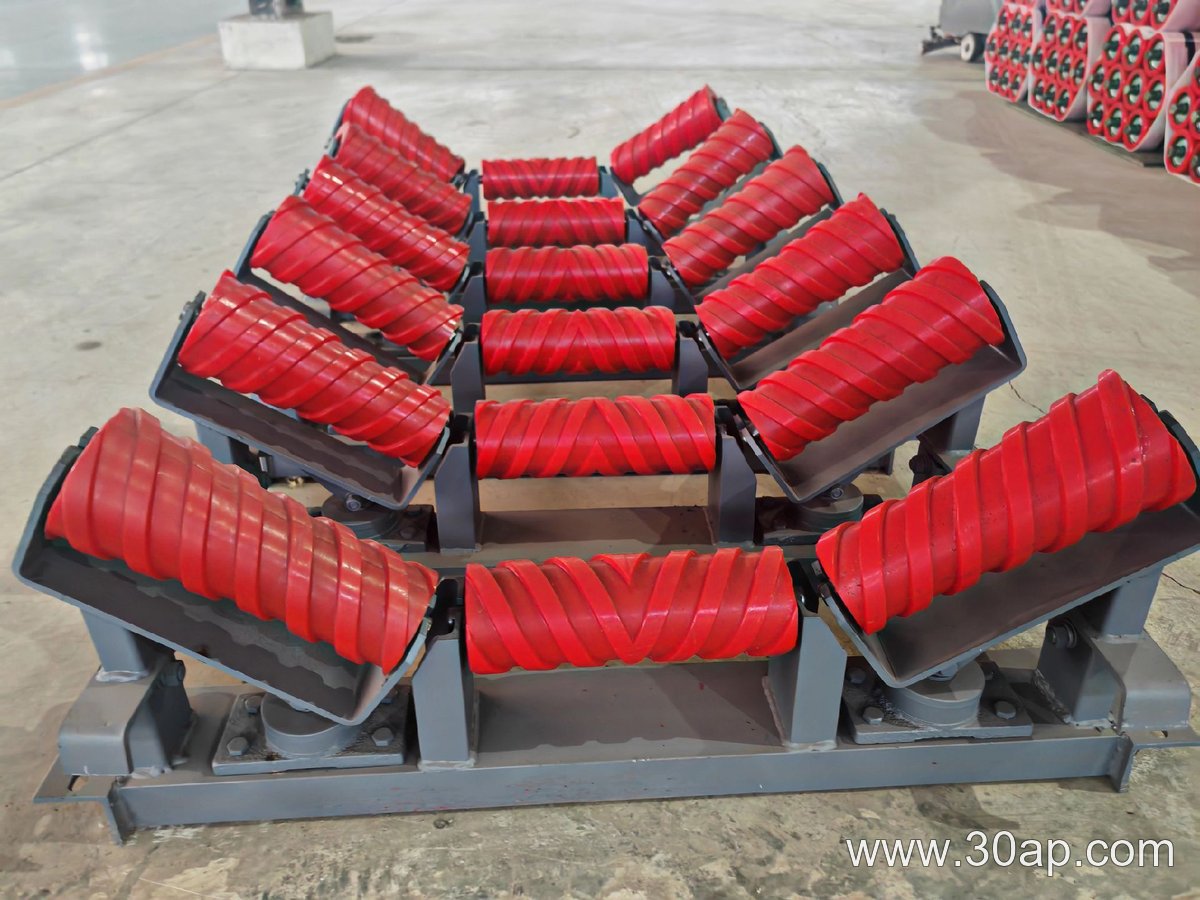
At a bulk port terminal, a conveyor bracket carries idlers through salt air, dust, and impact. Write the spec before contacting Chinese suppliers: bore diameter and tolerance, mounting hole pattern, center height, material grade, finish, weld quality, and marking. State units and inspection method.
Checks that separate capable suppliers
- Ask for a sample bracket and dimensional report.
- Confirm steel mill certificates and weld procedure.
- Review packing and traceability for spare parts.
Hypothetical values help: a 200 mm center height is an example, not a rule. Compare quotes against the same drawing, not a generic catalog number.
When Does a Cement Plant Conveyor Belt Need a Rip Detection System Instead of Visual Checks
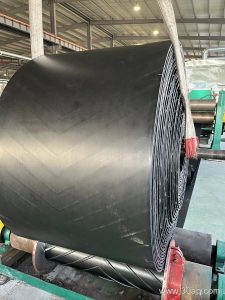
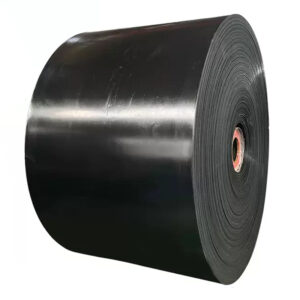
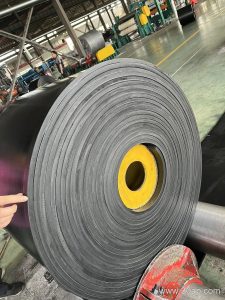
A conveyor belt in a cement plant moves limestone, clinker and gypsum at high speed. Visual checks miss hidden longitudinal rips, so detection systems add value when the belt carries sharp, heavy material and downtime is costly.
What triggers the need for rip detection
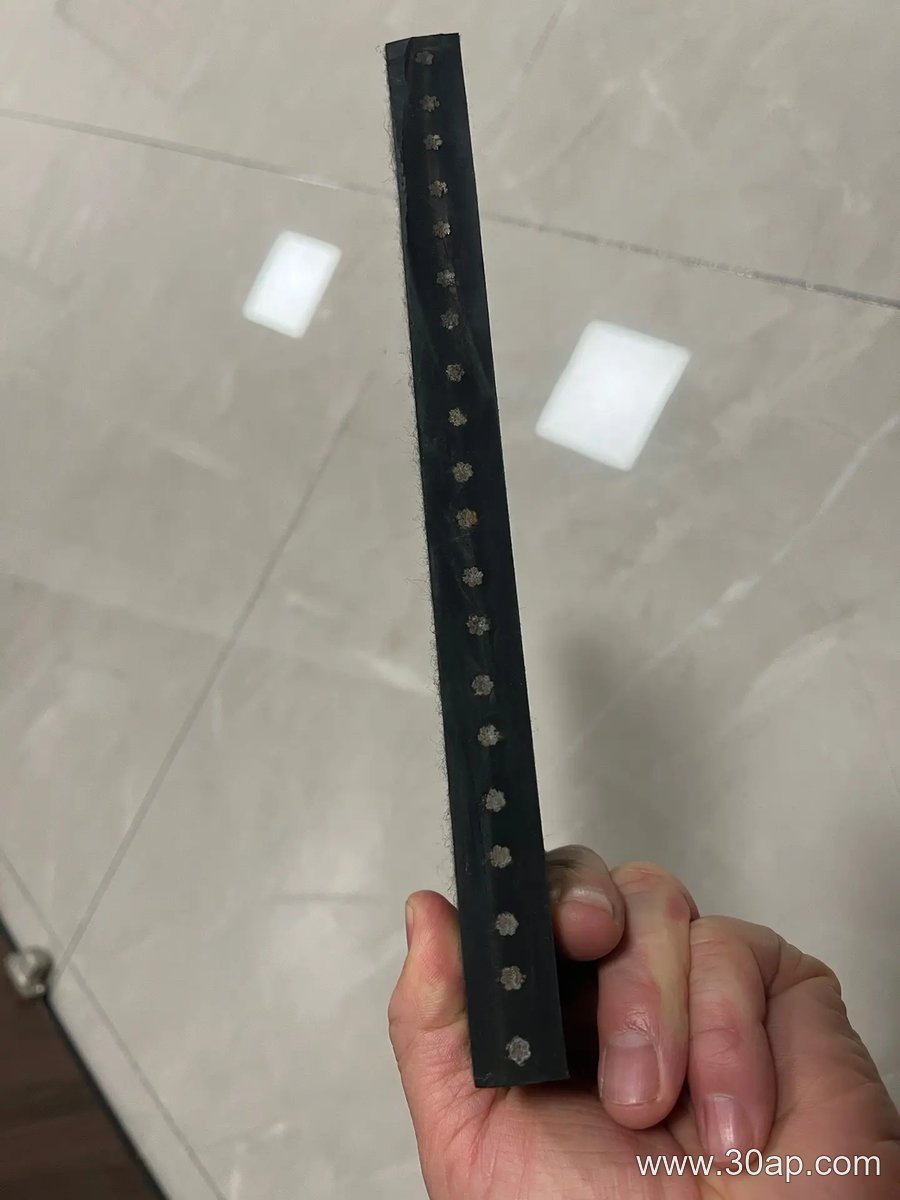
Consider a hypothetical 1.2 m wide bulk material conveyor belt feeding a crusher. If tramp metal or a lump of clinker pierces the belt, a rip can grow for several meters before an operator sees it. A rip detection system uses embedded loops or antennae to sense damage and stop the drive.
Practical checks before choosing a system
- Confirm the belt has a suitable embedded sensor loop design.
- Verify splice compatibility and sensor spacing along the belt.
- Check that the control system can trip the drive within a safe distance.
For a wide conveyor belt carrying hot clinker, heat may degrade sensor components, so temperature limits matter. Always test detection coverage after every splice and repair.