Which conveyor belt cover compound handles wet, abrasive outdoor duty without slipping?
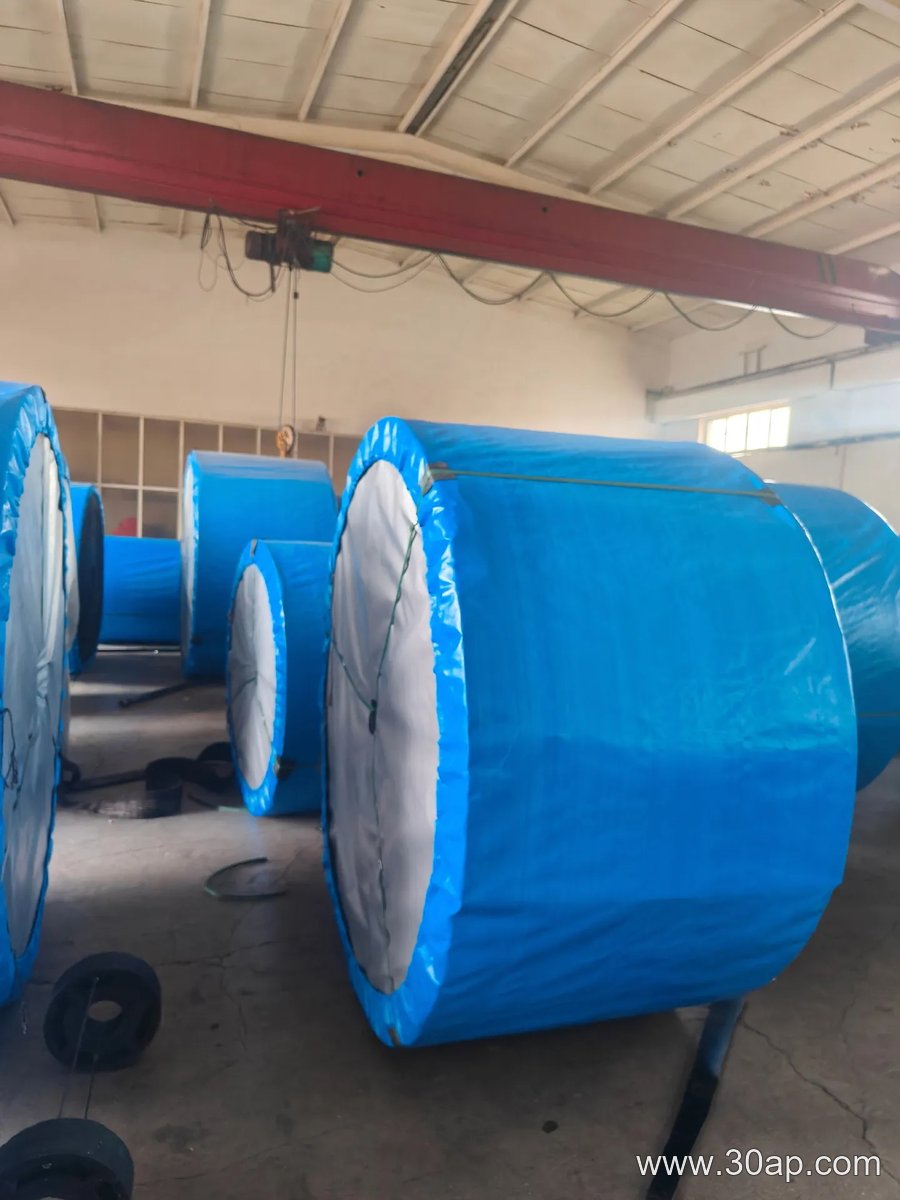
On a wet outdoor conveyor, rain and abrasive fines attack both traction and wear resistance. A conveyor belt needs a cover compound that balances grip and durability.
FAQ
- Does a softer cover always improve wet grip? It can help, but soft covers wear faster on sharp aggregate.
- Should I prioritize abrasion resistance or wet friction? For wet, abrasive duty, choose a compound with both moderate hardness and good wet traction.
- Can pulley lagging substitute for a suitable cover? Lagging helps, but the conveyor belt cover still must resist abrasion and water film.
- How do I test without a full trial? Run a short wet loaded section and inspect for polishing or glazing.
Hypothetical example: a 2000mm conveyor belt on an outdoor stockpile may use a cover with balanced wet grip and wear resistance. Always confirm with supplier data for your specific site.
Roller Shell and Seal Construction for Wet Outdoor Duty
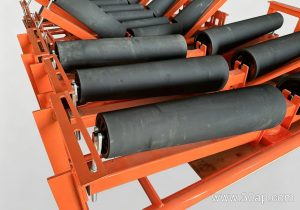
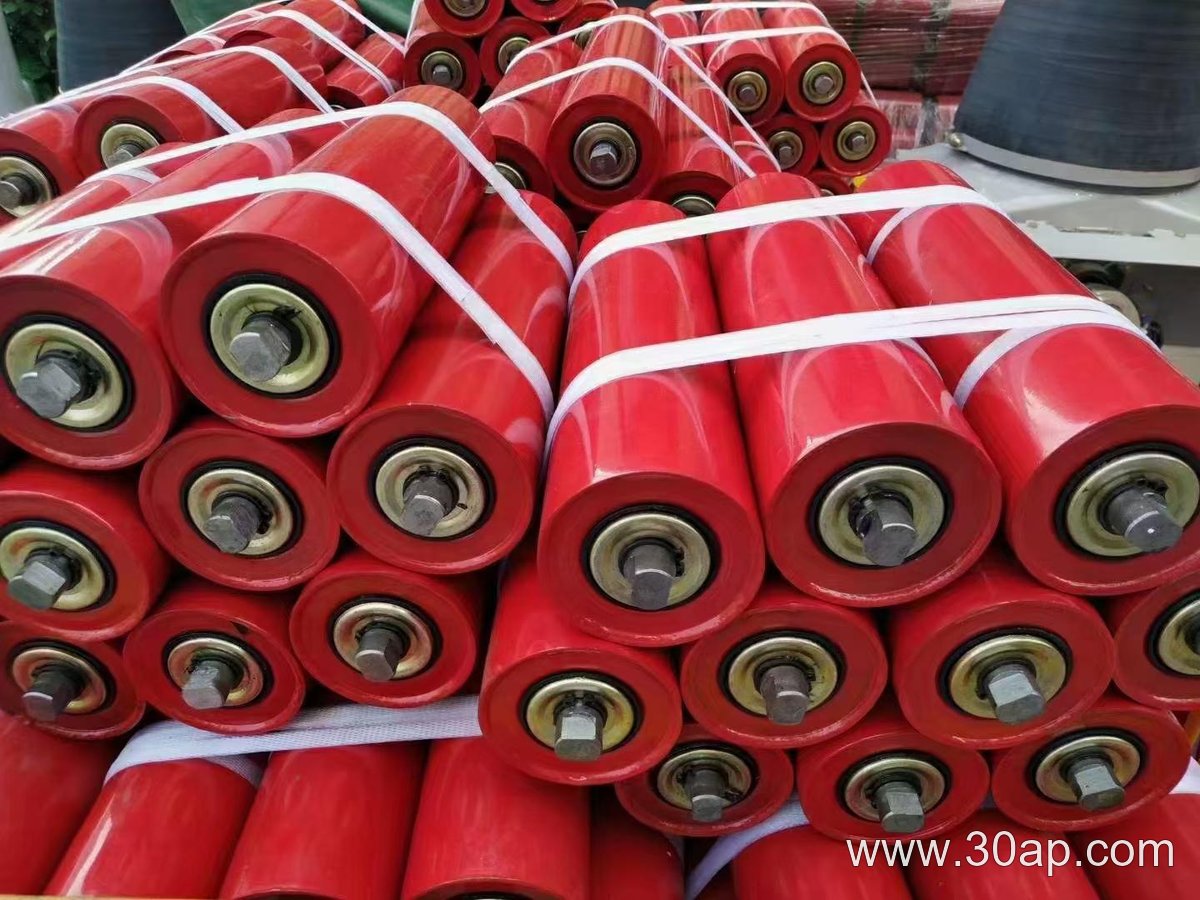
A wet outdoor conveyor exposes the idler roller to rain, washdown, and temperature swings. The main classification decision is how the bearing cavity is protected, not the roller diameter alone.
Sealed-for-Life Idler Roller
Used where re-greasing is impractical and water ingress is moderate. A contact seal and prepacked grease suit low-speed, light-to-medium duty.
Labyrinth-Sealed Idler Roller
Used for heavier grit and direct rain. The non-contact labyrinth path sheds water while retaining grease, making it a common choice for wet outdoor conveyors.
Impact Idler Roller
Used at loading points where rain softens material and increases sticking. Thicker shell and reinforced bearings absorb shock, but only where impact occurs.
Match construction to the wet condition: seal type first, shell thickness second, and mounting height last. Verify drainage at the frame so the idler roller never sits in standing water.
Which conveyor pulley design survives a wet outdoor conveyor
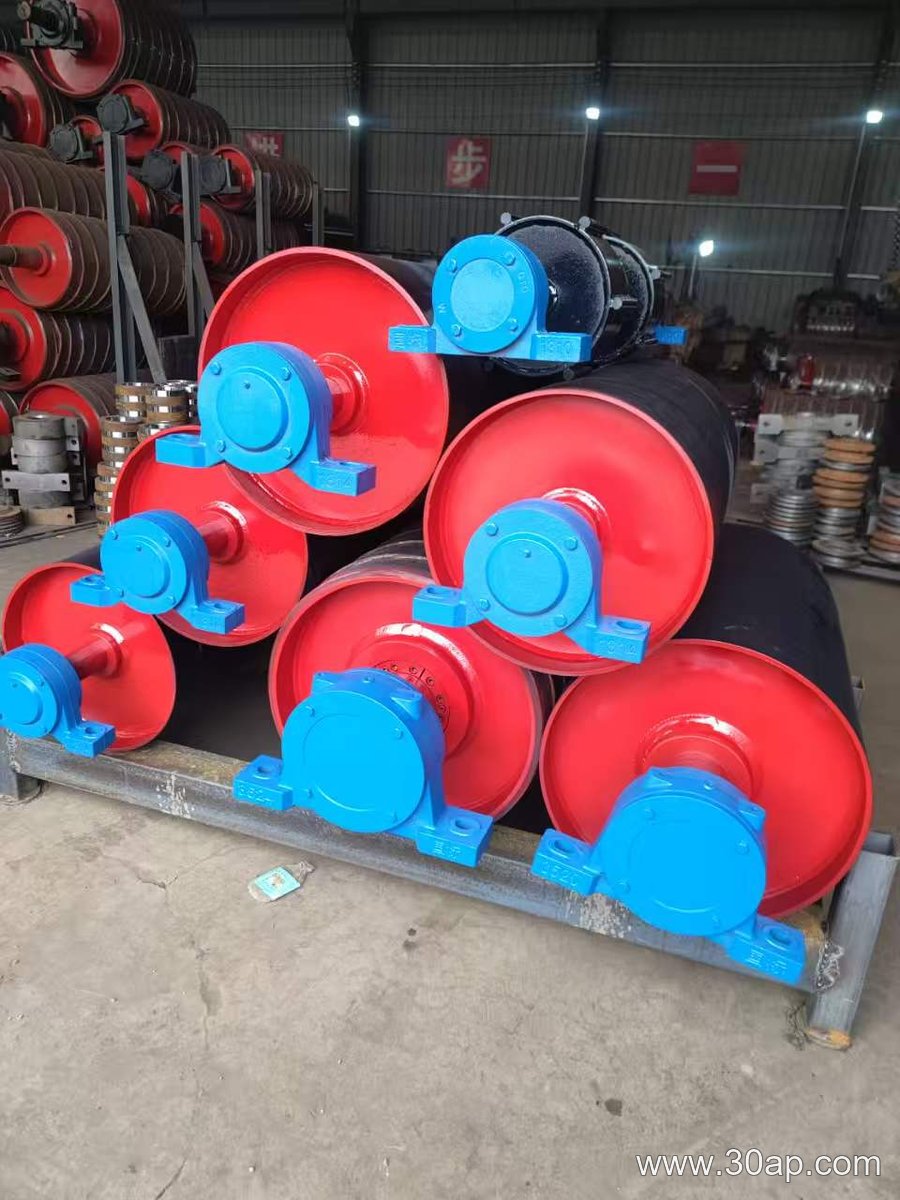
Assume a hypothetical 800 mm belt running outdoors in steady rain, with a 500 mm diameter conveyor pulley and a 3 mm rubber lagging. The trade-off is grip versus water drainage.
Engineering decision
A plain lagged conveyor pulley traps water and slips. A grooved lagging sheds it but costs more. Specify a crowned shell if belt wander is the bigger risk; choose grooving when traction loss dominates.
Start with the conveyor bracket’s worst load case
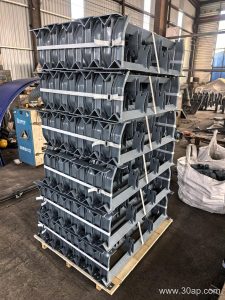
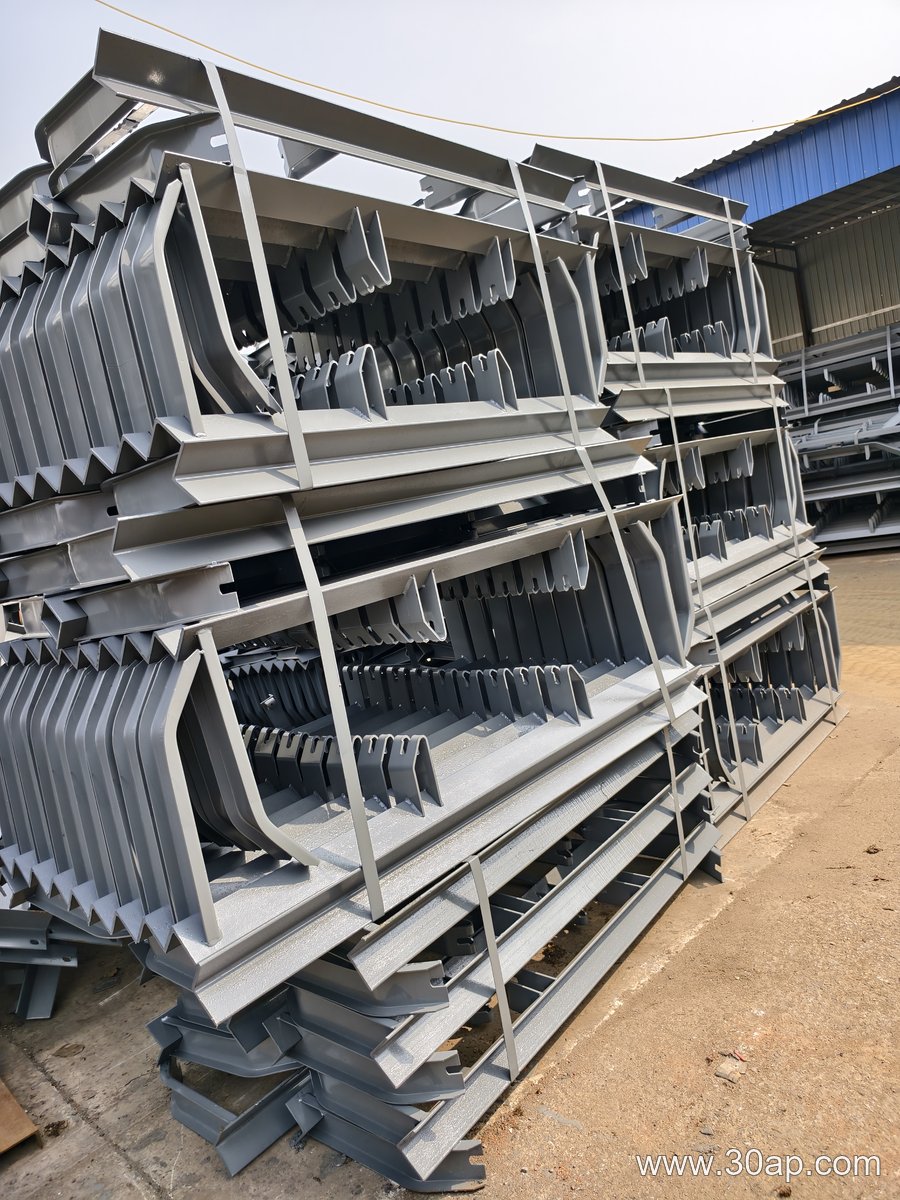
A heavy-duty conveyor bracket at a bulk port terminal must carry the belt, material, and impact without yielding. Instead of asking for ‘heavy-duty,’ define the maximum lump size, belt width, and idler spacing. A bracket rated for a 2000 mm belt with 300 mm lumps needs a thicker base plate than one on a fine coal line, so the first specification is the load path, not a steel grade.
Prepare a specification that a Chinese supplier can quote
Give the supplier a drawing with hole positions, mounting envelope, and material grade. State whether the conveyor bracket is welded or bolted, and include the surface finish. For a port terminal, specify a weld class and a primer compatible with salt air. Ask for a dimensional report and a material certificate; do not accept a generic catalogue page as a substitute.
Evaluate the supplier on process control, not price alone
A low unit price for a conveyor bracket often hides thin plate or poor hole alignment. Ask how the supplier checks flatness and hole position, and whether they use a fixture for welding. A supplier who can explain their fixture and inspection steps is usually safer than one who only sends a price list.
In short, specify the load, the envelope, and the inspection method; then choose the supplier who can repeat them.