Which Conveyor Pulley Material Balances Abrasion Resistance and Purchasing Cost at a Bulk Port Terminal
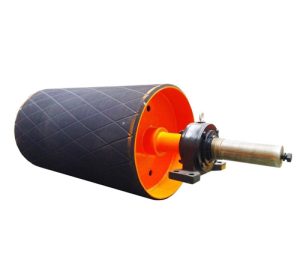
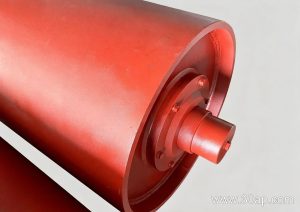
A conveyor pulley at a bulk port terminal faces constant abrasive dust and high tension. Two common shell materials are carbon steel and stainless steel. Carbon steel costs less and is easy to fabricate, but it corrodes in humid, salt-laden air. Stainless steel resists corrosion and abrasion better, yet its higher purchase price and machining cost may not suit every budget.
Application Fit Versus Purchasing Cost
For a terminal handling iron ore in a dry climate, a carbon steel conveyor pulley with a protective lagging often gives the best cost balance. In a wet, salty berth, stainless steel reduces maintenance and downtime, but the initial outlay rises sharply. The trade-off is not only material price; it includes expected service life, lagging replacement intervals, and bearing protection.
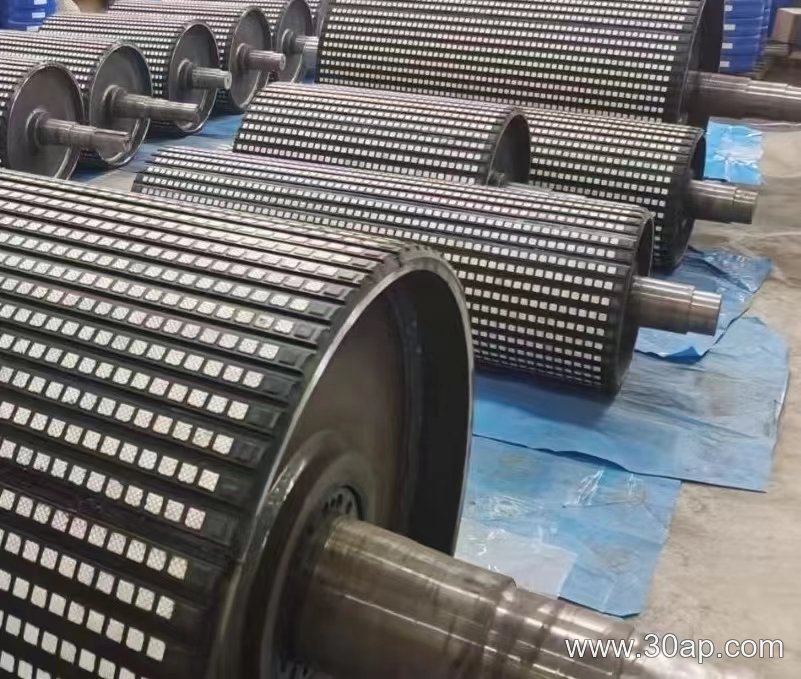
- Carbon steel pulley: lower cost, needs coating or lagging, shorter life in wet salt air.
- Stainless steel pulley: higher cost, better corrosion resistance, longer intervals between overhauls.
Before purchasing, confirm the actual environment and duty cycle. A hypothetical terminal with 80% humidity and salt spray may justify stainless steel, while a covered inland transfer point may not.
Two Ways to Fix a Conveyor Bracket to the Frame
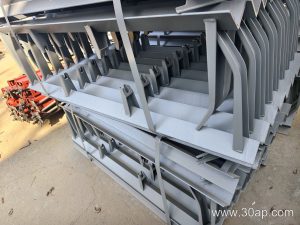
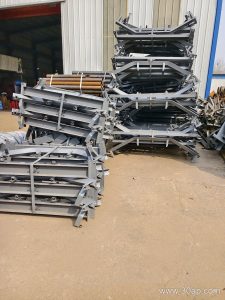
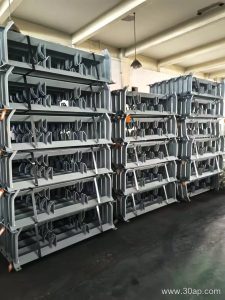
On a general manufacturing line, the conveyor bracket usually arrives in one of two forms: a bolt-on bracket with slotted feet, or a welded bracket fabricated directly onto the stringer. The choice affects installation time, alignment adjustment and long-term maintenance.
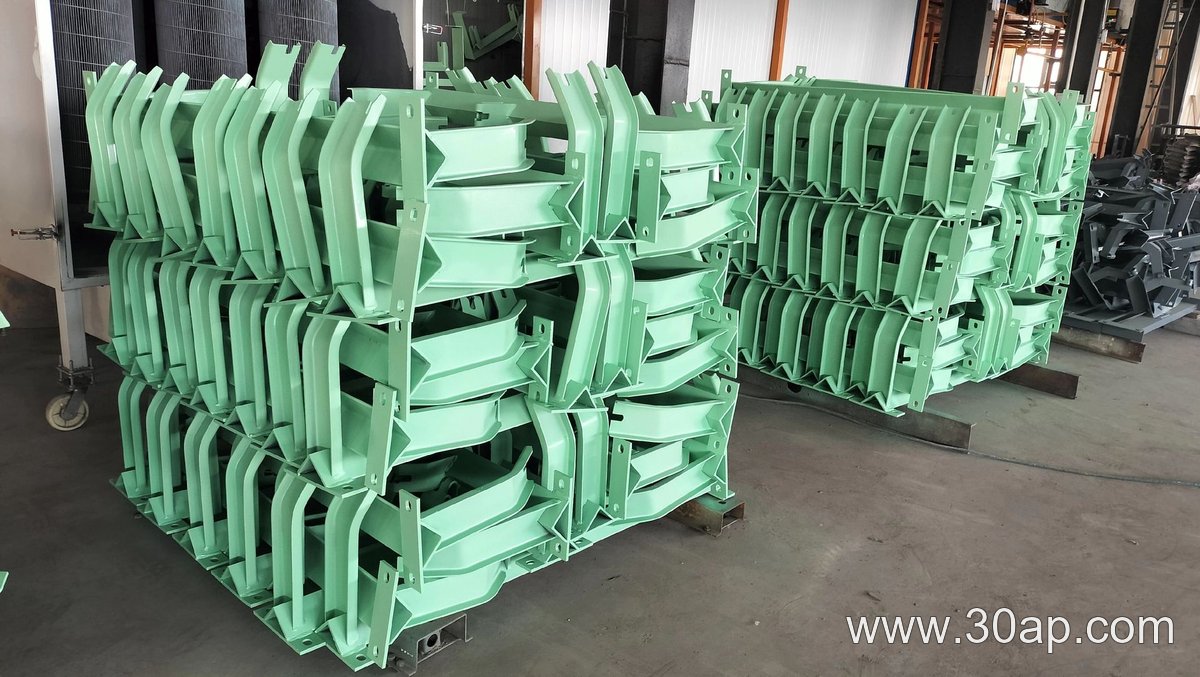
Bolt-On Conveyor Bracket
- Benefits: field-adjustable, easy to replace, no hot work at the line.
- Limitations: more joints to check for loosening; slots can shift under vibration.
- Suitable conditions: lines with frequent layout changes or where welding permits are restricted.
Welded Conveyor Bracket
- Benefits: rigid, fewer fasteners, good for constant heavy loading.
- Limitations: alignment must be set during fabrication; replacement needs cutting and re-welding.
- Suitable conditions: fixed, high-vibration duty where the frame is not expected to move.
Neither design is universally better; the decision follows how often the line is modified and how much adjustment access exists.
Why a Wet Outdoor Conveyor Belt Loses Grip
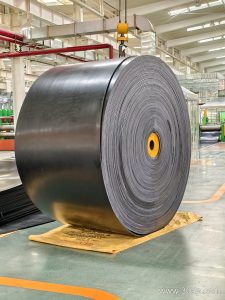
Rain forms a water film on the conveyor belt cover, cutting friction between the belt and drive pulley. A hard, smooth cover may slip under load.
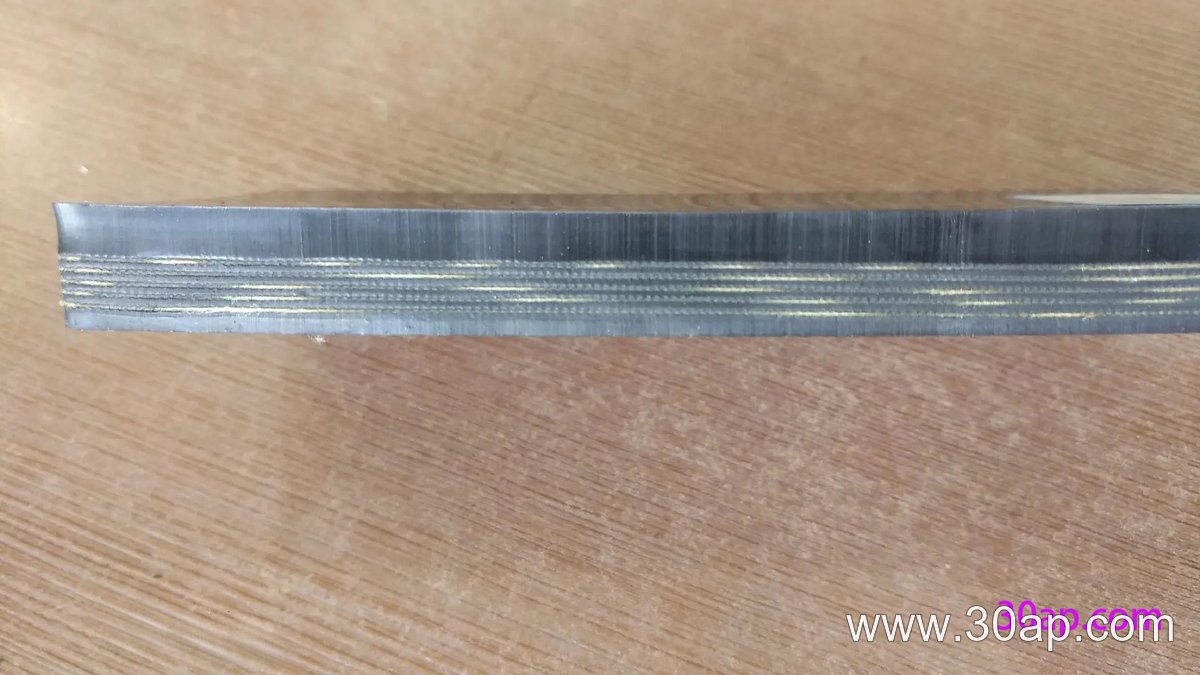
Focused Troubleshooting Sequence
- Check pulley lagging: worn or slick lagging reduces grip; replace with grooved rubber lagging.
- Inspect belt cover: if glazed or too smooth, consider a belt with a rougher cover profile.
- Verify tension: insufficient take-up tension lets the belt slip; adjust within safe limits.
- Remove water: install belt cleaners or a roof over the drive to reduce surface water.
Address lagging and tension first; if slipping persists, the conveyor belt cover compound may need a higher friction grade.
Start With the Material Being Conveyed
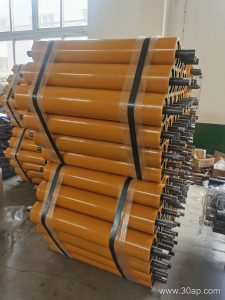
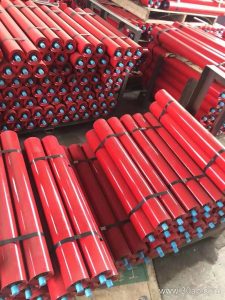
The material sets the first filter. Abrasive ore calls for a thick, hard shell; sticky clay favors a self-cleaning profile; corrosive salt demands a coated or polymer idler roller.
Check Speed and Temperature Together
High belt speed raises bearing speed and heat. If the conveyed material is also hot, standard grease may fail. A high-temperature idler roller needs heat-resistant bearings and controlled clearance.
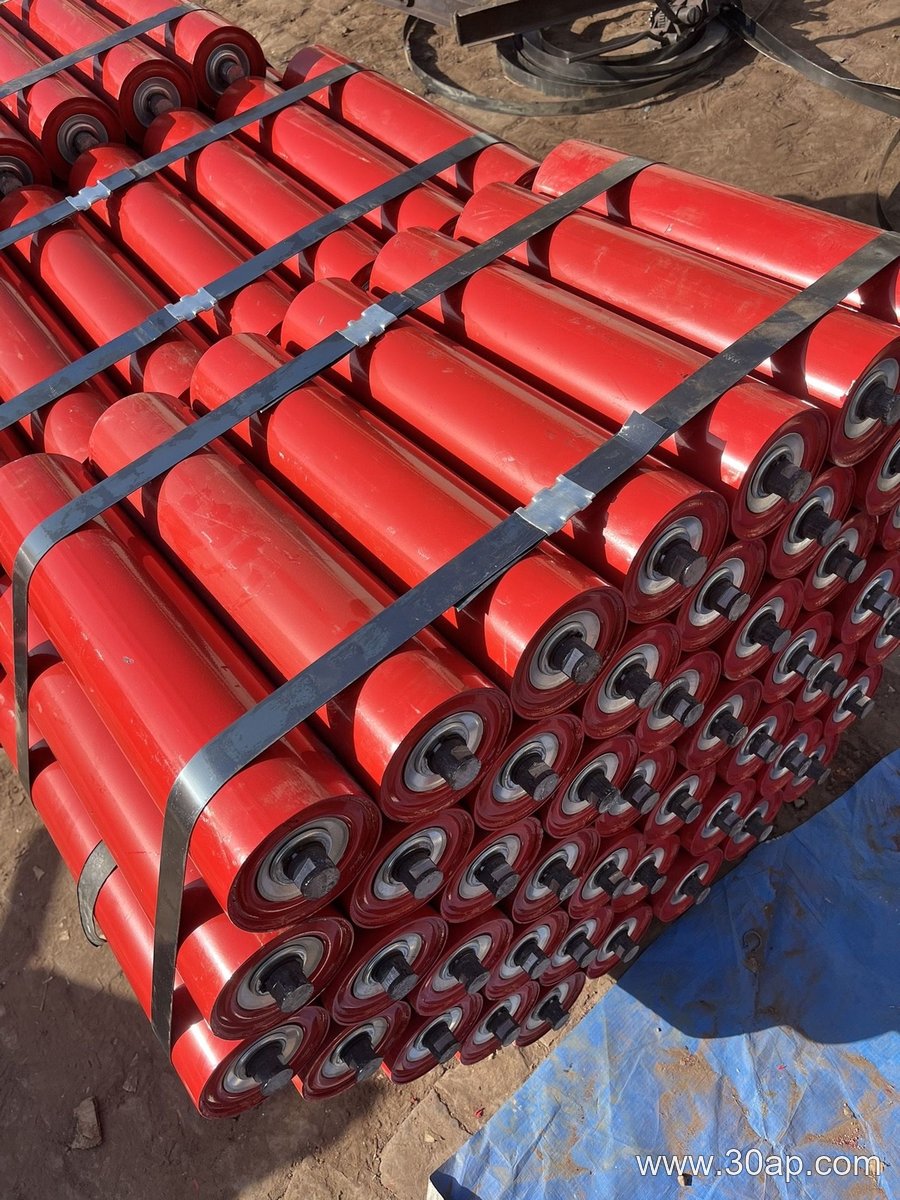
Confirm the Operating Conditions
- Dust and water: sealed, self-cleaning designs reduce ingress.
- Load and impact: choose a heavier shaft and shell at transfer points.
- Maintenance access: remote locations justify longer-life bearings.
In a bulk-material port terminal, salt spray and tidal moisture make corrosion resistance a leading condition, not an afterthought. Verify each choice against the actual duty before ordering.