Specifying a Conveyor Pulley for Abrasive Iron Ore at a Bulk Port
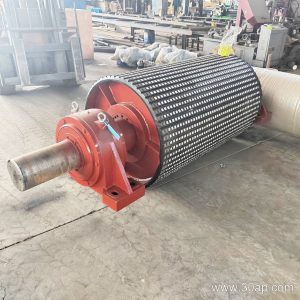
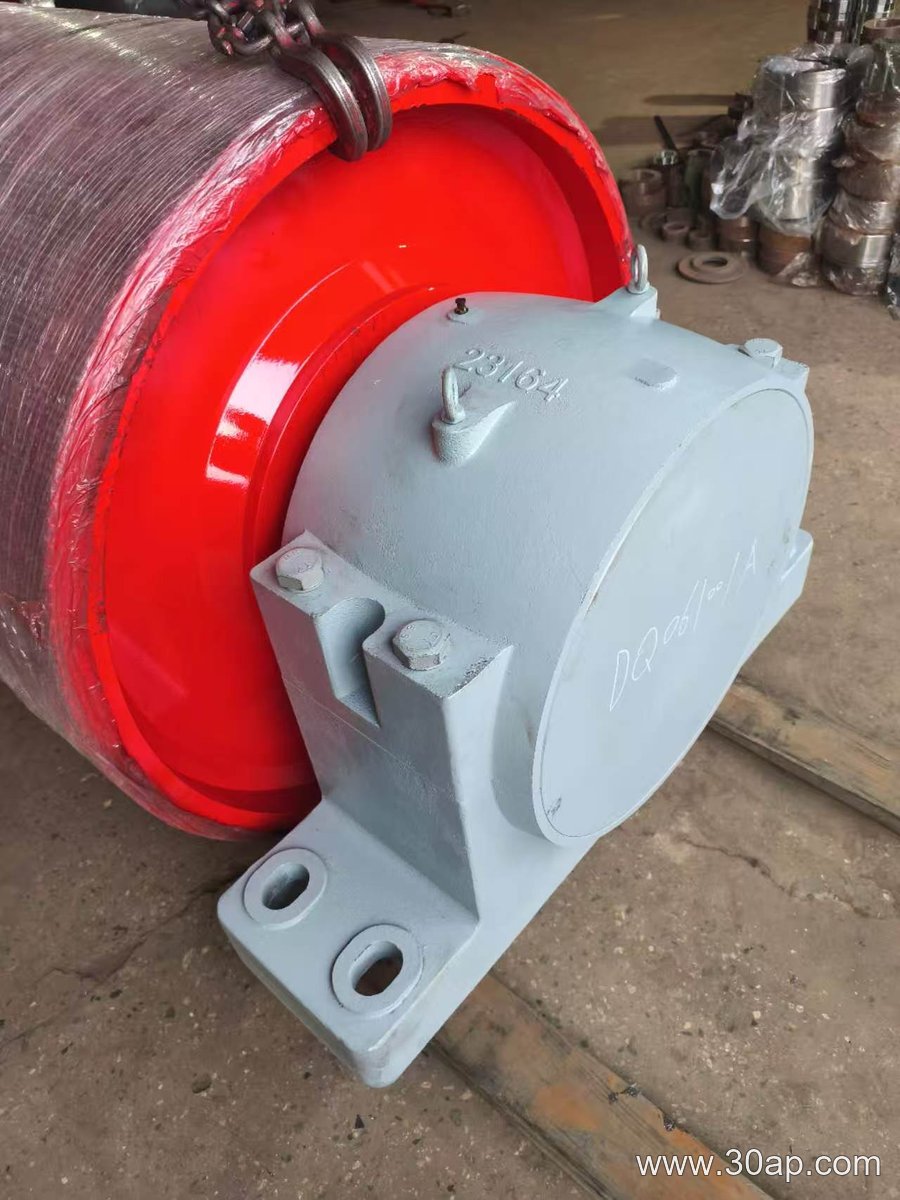
A conveyor pulley at an ore terminal faces constant grit, high tension, and dust that defeats ordinary seals. Start with three checks: shell thickness and weld quality, lagging groove pattern, and bearing sealing class.
Material-Driven Choices
- Thicker shell with full-penetration welds resists deflection under high belt tension.
- Grooved rubber lagging sheds ore fines and improves grip on a wet, dusty belt.
- Labyrinth or purge seals keep abrasive dust out of bearings, which is the usual failure point.
For a hypothetical 1,800 mm belt carrying iron ore, a fabricator might propose a 1,250 mm diameter pulley with 16 mm lagging; confirm all values against the actual duty calculation rather than assuming they transfer.
Does a Wet Outdoor Conveyor Bracket Need Drainage Details When Handling Coal Fines
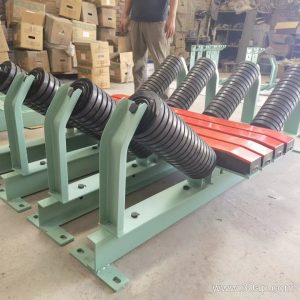
Yes. Coal fines hold moisture, and a wet outdoor conveyor bracket that traps water between its base and the frame will corrode faster than the belt it supports.
What the conveyor bracket must shed
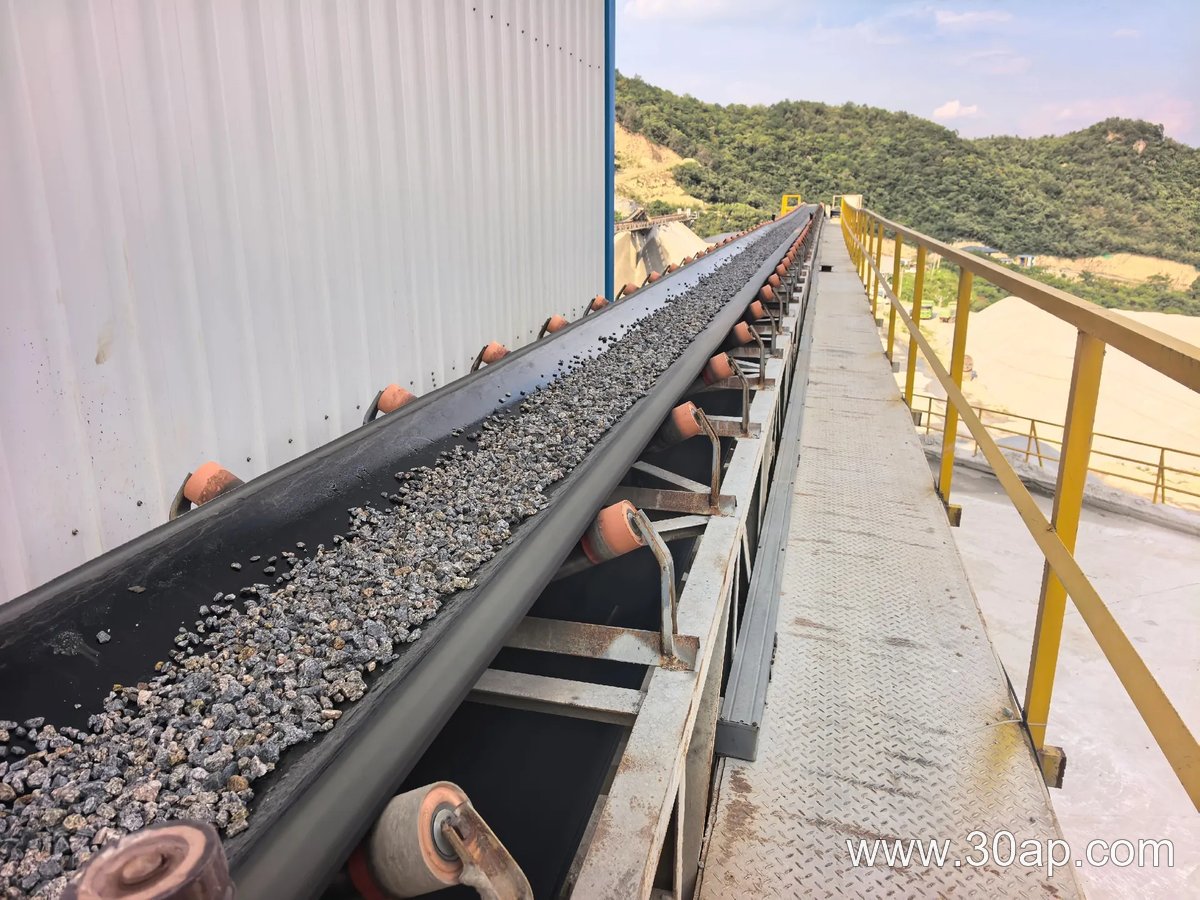
A conveyor bracket in this service sits under a troughing idler, so fines and spray collect on its top face. A flat base without a weep path keeps that slurry in contact with the steel. A slight slope or a drain slot lets it run off.
Checks for coal-fines service
- Confirm the bracket base has a clear path for water to leave.
- Check that bolt holes do not sit in a low pocket.
- Verify the coating can tolerate wet coal fines, which are mildly acidic.
These details matter more than a thicker section, because standing water, not load, usually ends the bracket’s life first.
Why Oil Resistance Matters for a Conveyor Belt
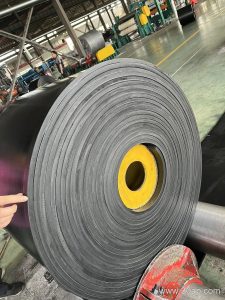
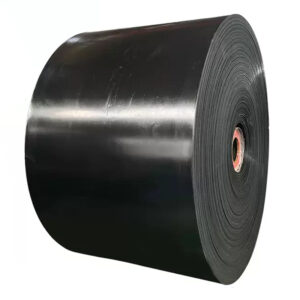
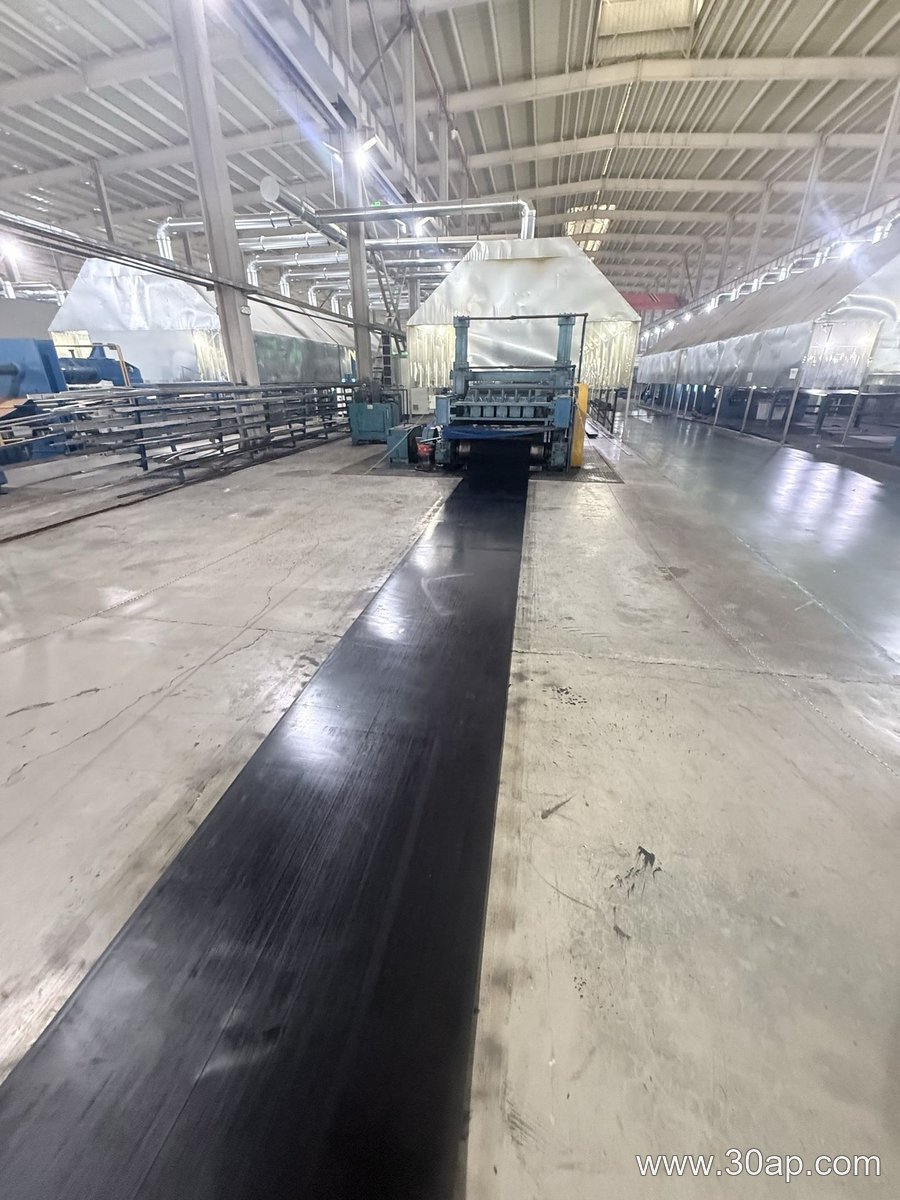
On a general manufacturing line, a conveyor belt often moves parts coated with cutting fluid or lubricant. If the cover compound lacks oil resistance, oil penetrates the rubber, causing swelling and softening. The belt then loses tension, tracks poorly, and may fail early.
What Causes Oil Attack in a Conveyor Belt
Mineral oils and some synthetic fluids attack the polymer chains in standard rubber. The cover absorbs oil, expands, and weakens. Abrasion resistance alone does not prevent this.
How to Select an Oil-Resistant Conveyor Belt
Choose a cover grade formulated with nitrile (NBR) or another oil-resistant polymer. Check that the grade suits the specific oil type and temperature. A thicker cover adds a margin, but the compound chemistry is the key factor.
Practical Checks Before Installation
- Confirm the oil exposure from the process.
- Verify the cover grade with the supplier.
- Inspect splices for compatibility with the oil-resistant cover.
Tube Cutting and Machining
Accurate cutting and machining of the idler roller tube set the baseline for concentricity. Any deviation here causes vibration and uneven belt wear, reducing the idler roller’s service life.
Bearing Housing Welding
Welding the bearing housings to the tube demands precision. Poor welds can distort the idler roller, leading to misalignment and premature bearing failure. Controlled welding preserves roundness and balance.
Dynamic Balancing
After assembly, dynamic balancing corrects mass distribution. An unbalanced idler roller runs rough, accelerating wear on both the roller and the belt. This step ensures smooth operation at speed.
Sealing and Lubrication
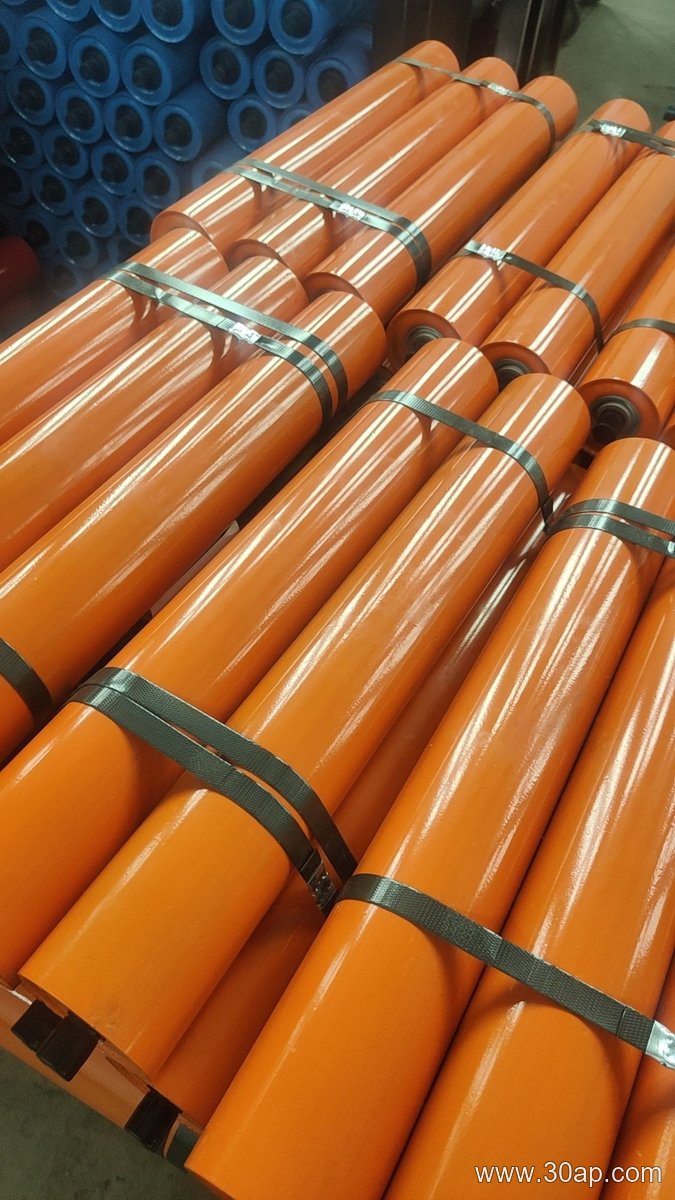
Effective sealing keeps contaminants out of the bearing cavity. In a mineral processing plant, dust and moisture are constant threats. Proper lubrication and seal selection determine how long the idler roller lasts.
Finishing and Inspection
Coating or painting protects against corrosion. Final inspection checks dimensions, runout, and rotation. Each stage builds on the last, so shortcuts in any process step directly lower the finished idler roller’s reliability.