Why Does a Conveyor Bracket Loosen in Quarry Dust?
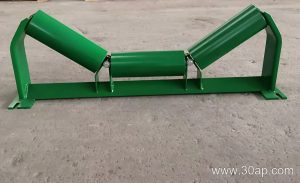
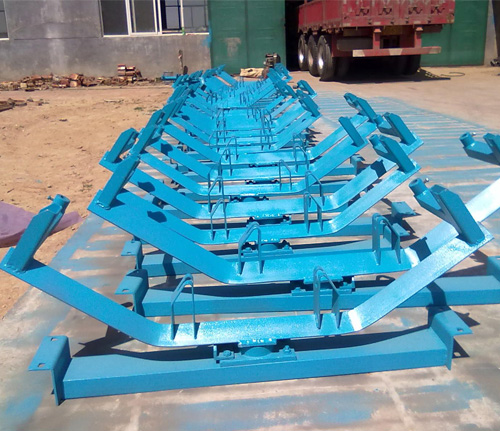
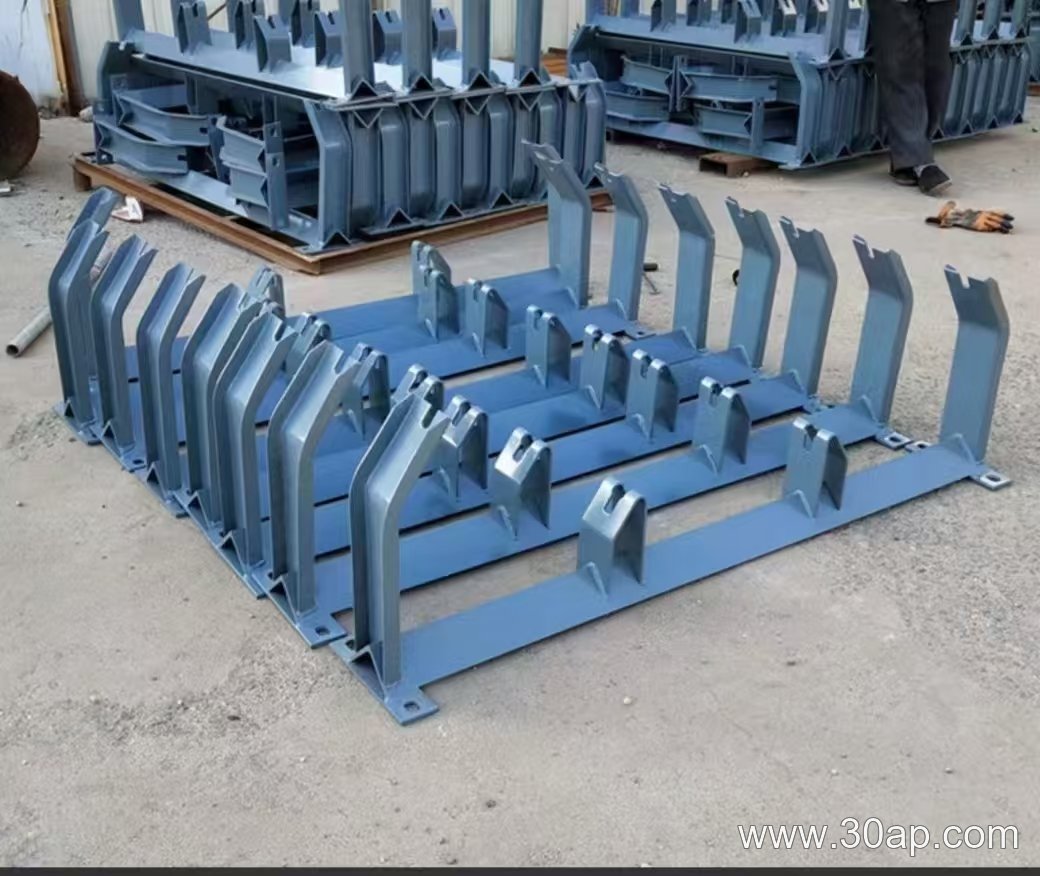
Fine quarry dust works into the bolted joint between the conveyor bracket and the frame. It acts like a lapping compound, so vibration slowly wears the contact faces and the bolt preload drops.
Checks That Solve the Problem
- Confirm the bracket foot sits flat; a gap lets dust pack under the bolt head.
- Use a hardened washer under each nut to spread clamp load.
- Re-check torque after the first shift, then at a fixed interval.
- Seal the joint face with a dry-film anti-seize, not grease, which traps grit.
What Not to Do
Do not raise torque to compensate for a worn seat. That stretches the bolt and risks a sudden failure. Replace the bracket or re-machine the foot instead.
Why a Wet Outdoor Conveyor Belt Loses Grip
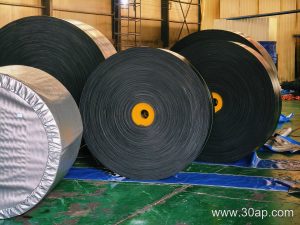
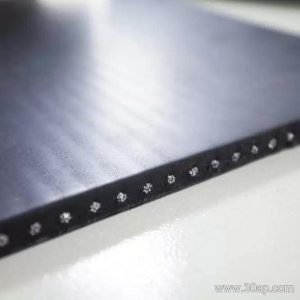
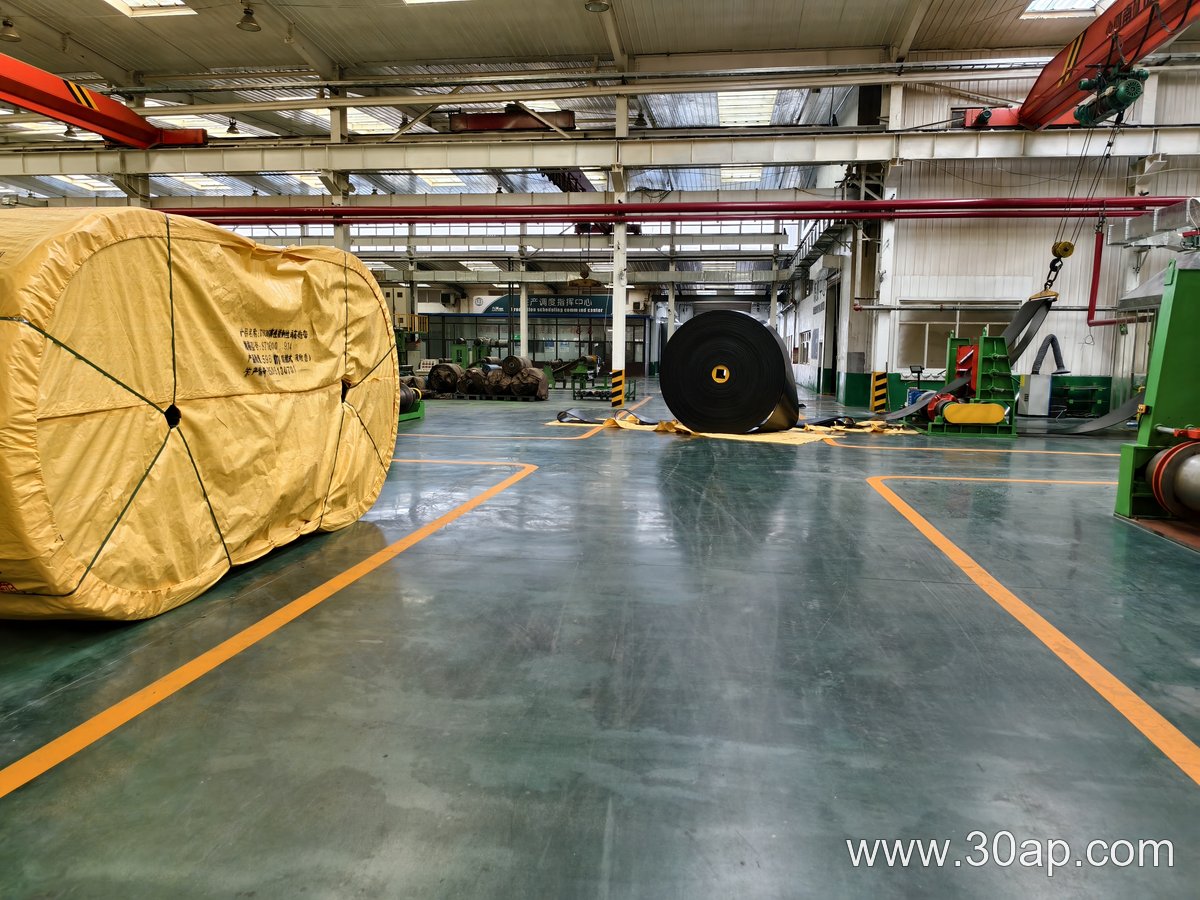
Rain forms a water film on the conveyor belt cover, lowering friction between the belt and the drive pulley. If the cover compound is too hard or smooth, the belt slips under load.
Design Choices That Restore Traction
Select a conveyor belt with a softer, patterned cover and deeper pulley lagging. These features channel water away and increase contact pressure. In a hypothetical wet outdoor transfer, a 3 mm cover with 2 mm cleats may be enough for a 15-degree incline, but always verify with the actual load and speed.
- Use a conveyor belt with a rubber cover rated for wet grip.
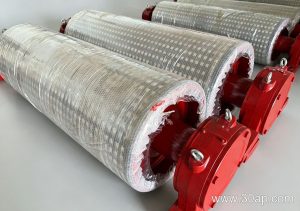
- Add grooved lagging on drive pulleys.
- Check belt tension regularly to avoid slip.
Impact and Return Idler Rollers Compared
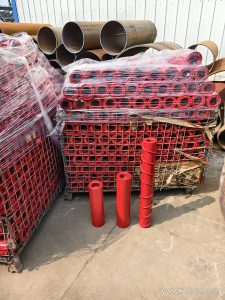
On a wet outdoor conveyor, the real choice is often between impact and return idler rollers. Each handles a different job.
Impact Idler Rollers
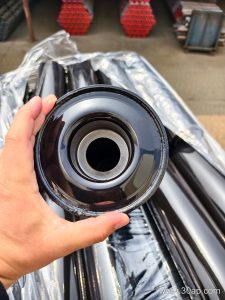
Thick shell, rubber rings, heavy bearings. They absorb falling material and shock. Limitation: heavy and costly.
Return Idler Rollers
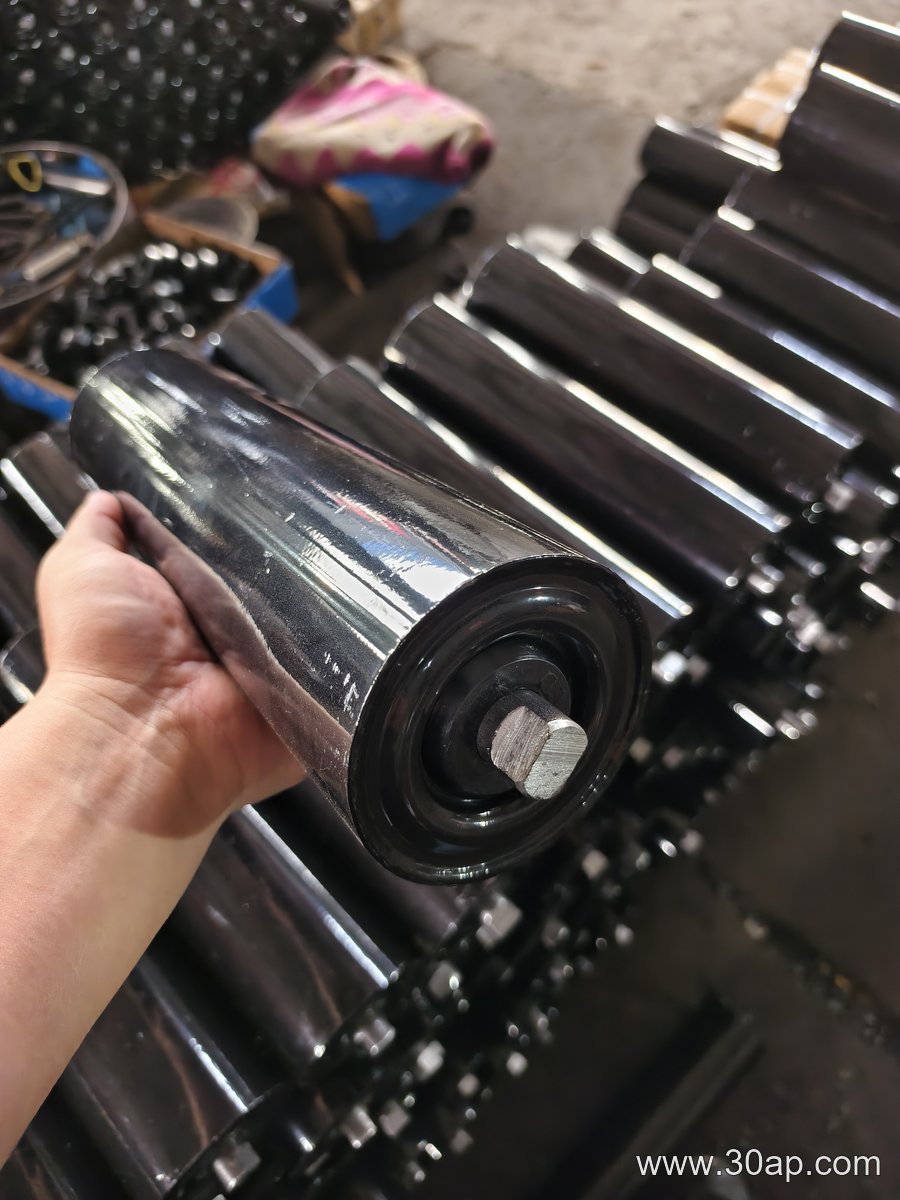
Flat, lighter, support the empty belt. Benefit: cheap and easy to clean. Limitation: poor shock resistance.
Use impact rollers at load points; return rollers along the empty strand.
Why a Wet Outdoor Conveyor Pulley Needs More Than a Level Base
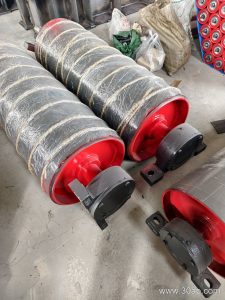
Many assume a conveyor pulley only needs to be bolted down and belted up. In wet outdoor service, water and thermal cycling change the game. The pulley must be prepared, mounted, aligned, and commissioned so moisture cannot enter bearings or shift the shell.
Preparation and Mounting
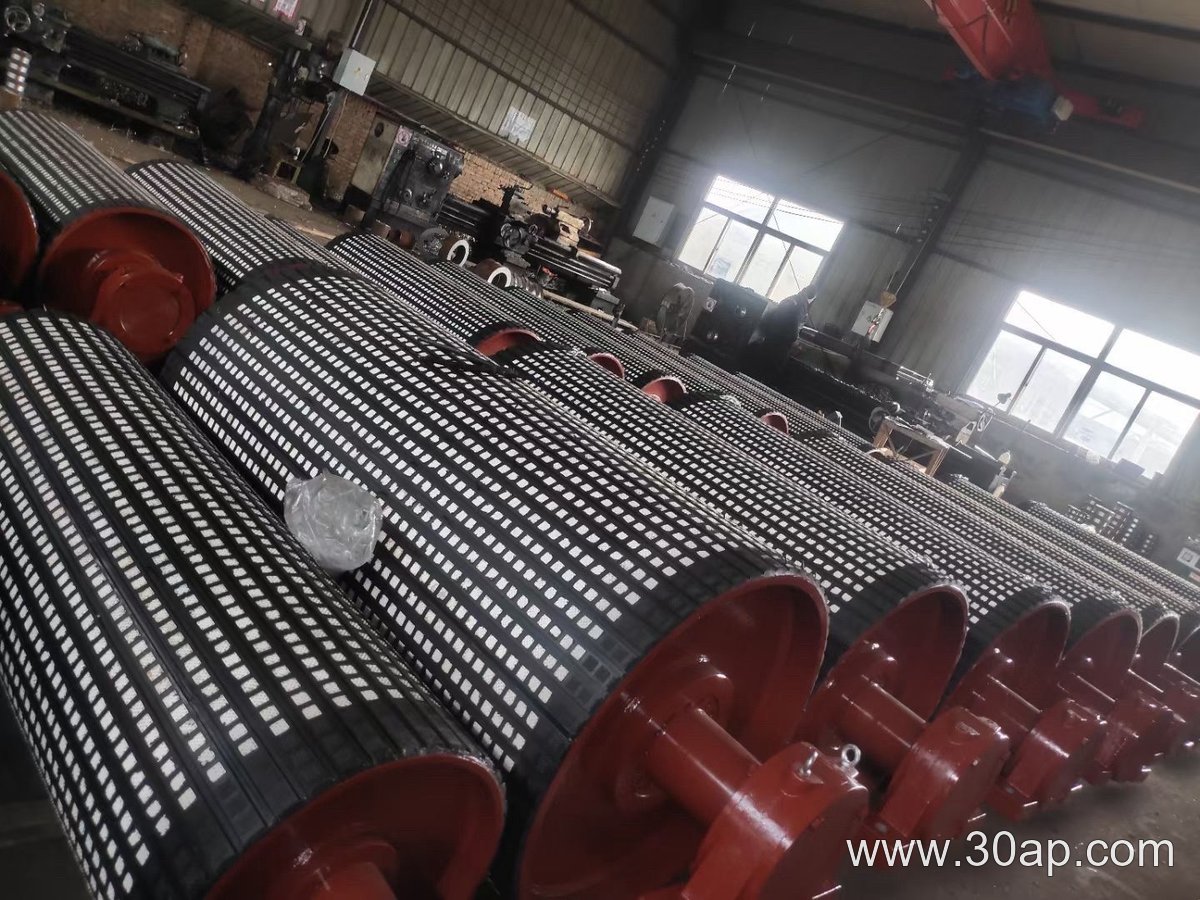
Inspect the shaft, bearing housings, and lagging for damage. Clean mounting surfaces and apply a corrosion-inhibiting compound. Mount the pulley so drain paths face downward and seals are protected from direct spray.
Alignment and Commissioning Checks
- Verify shaft squareness to the conveyor centerline within the manufacturer’s tolerance.
- Check pulley face for runout and belt tracking before full tension.
- Confirm bearing clearances and lubricant type for wet conditions.
- Run slowly, then inspect for water ingress, vibration, and belt slip.
These steps keep a wet outdoor conveyor pulley reliable without overcomplicating the install.