Material Grades and Dimensions as Cost Drivers for a Conveyor Belt
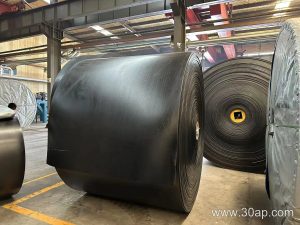
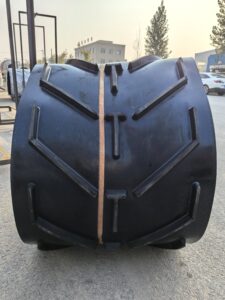
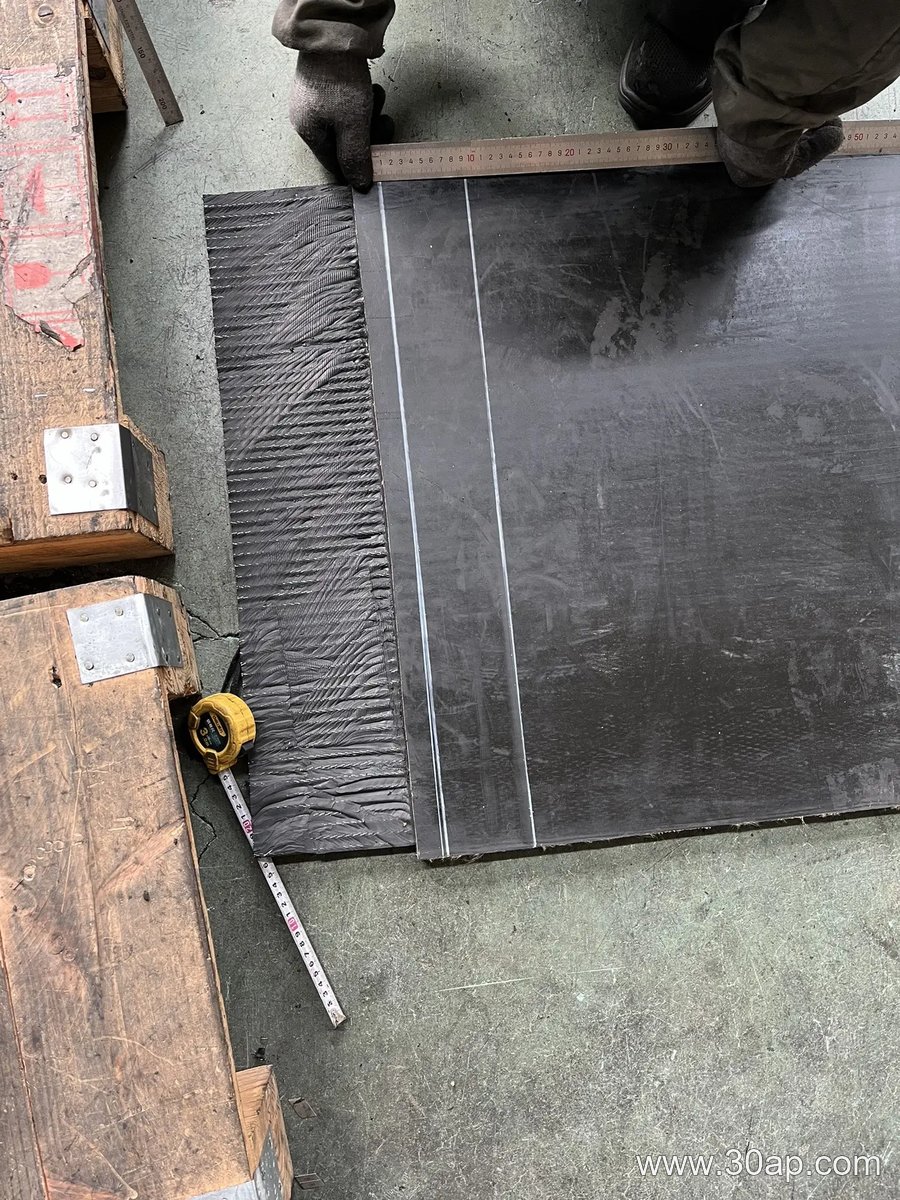
On a general manufacturing line, a conveyor belt’s cost begins with its carcass and cover compound. Stronger fabric plies or steel cords, plus thicker covers, raise material usage and weight. Wider or longer belts multiply that usage. A hypothetical 800mm conveyor belt with an EP200 carcass illustrates how grade and width interact before any price is quoted.
Manufacturing and Freight Effects
More plies, extra calendering, and tighter tolerances add processing time. Freight then follows weight and volume, so a heavier, wider conveyor belt costs more to ship. Specify only the strength and cover needed for the duty.
- Material grade sets base cost.
- Width and length scale it.
- Manufacturing complexity adds labor.
- Freight depends on mass and bulk.
What Is a Double-Sealed Idler Roller?
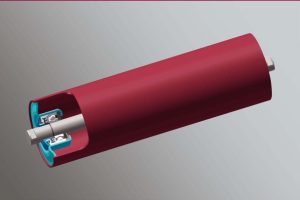
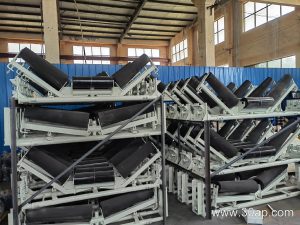
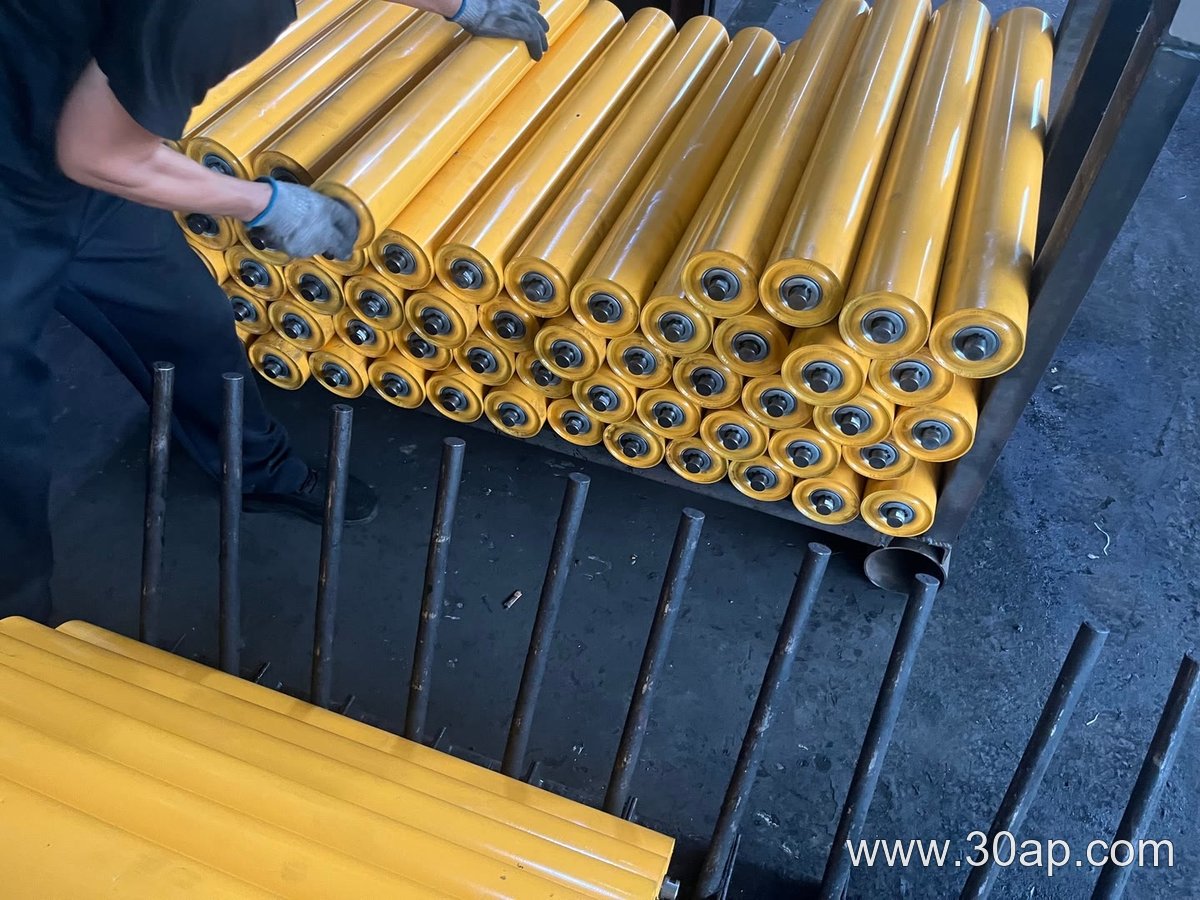
A double-sealed idler roller uses two sealing elements—typically a labyrinth and a contact lip—at each bearing housing. This construction blocks fine dust from reaching the bearing cavity.
Construction and Features
The outer labyrinth sheds bulk particles; the inner lip seal retains grease. The shell is often polymer or steel. The double barrier increases drag slightly but extends service life in gritty environments.
Uses on a General Manufacturing Line
On a high-speed line handling powders or granules, a double-sealed idler roller prevents premature bearing wear. It suits areas where washdown or airborne dust is constant.
Practical Check
Verify that both seals are intact and that the roller turns freely by hand. Excessive drag may indicate over-greasing or seal misalignment.
Understanding the Plain Lagged Pulley in Light-Duty Conveyor Systems
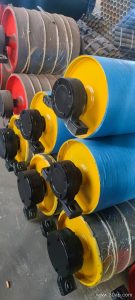
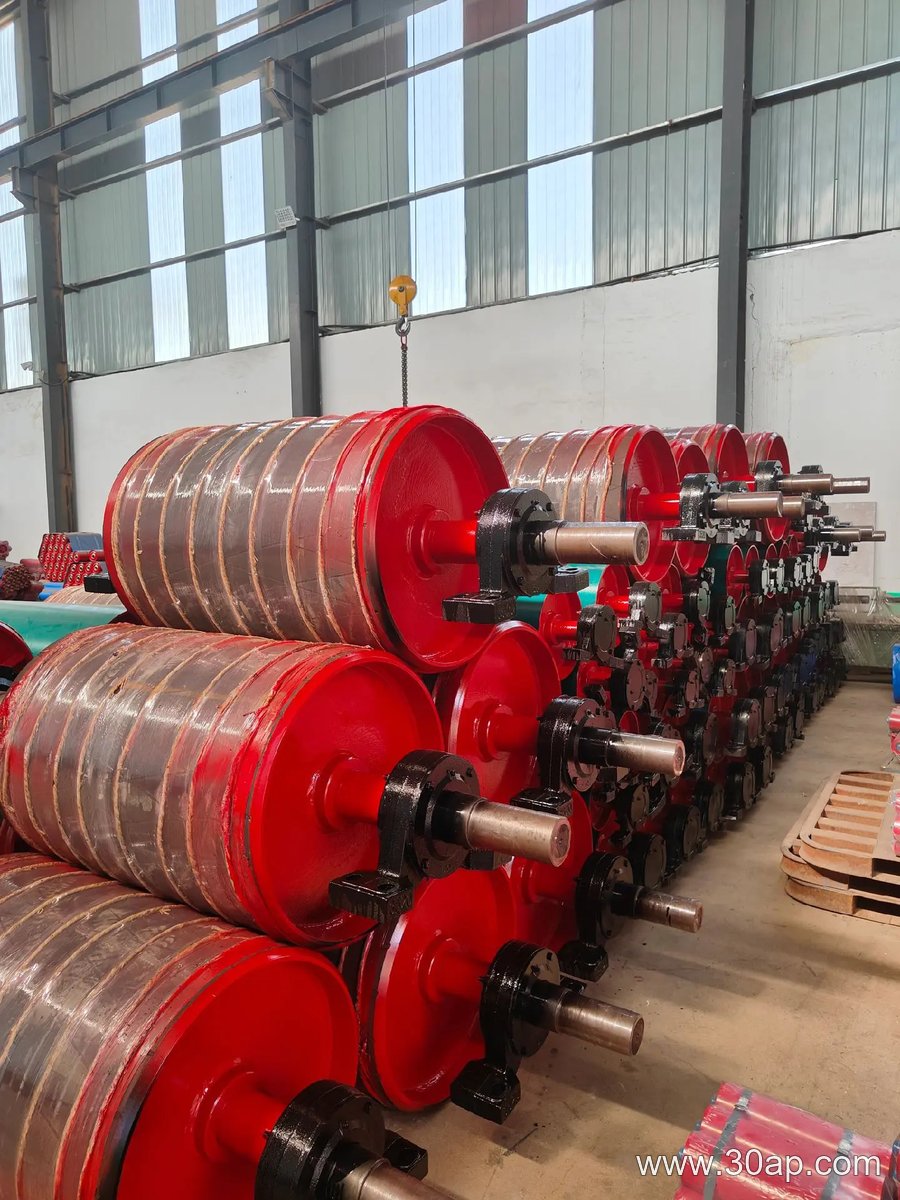
A plain lagged pulley is a conveyor pulley whose shell is covered with a smooth, untextured rubber or polymer layer. Unlike grooved or ceramic lagging, this plain surface offers moderate grip without aggressive profile. It is commonly chosen for light-duty manufacturing lines where belt tension is low and materials are not highly abrasive.
Construction and Features
The pulley consists of a steel shell, end discs, a shaft, and a bonded plain lagging. The lagging thickness is uniform, typically ranging from 6 to 12 mm, though exact values depend on the application. Key features include reduced belt wear, quieter operation, and easier cleaning compared to textured lagging.
Typical Uses
- Assembly line conveyors moving small components
- Packaging equipment with moderate speed
- Food processing lines where hygiene and smooth surfaces matter
In these settings, a plain lagged pulley provides sufficient friction to drive the belt without the risk of product damage or excessive noise.
What Drives the Cost of a Conveyor Bracket Outdoors?
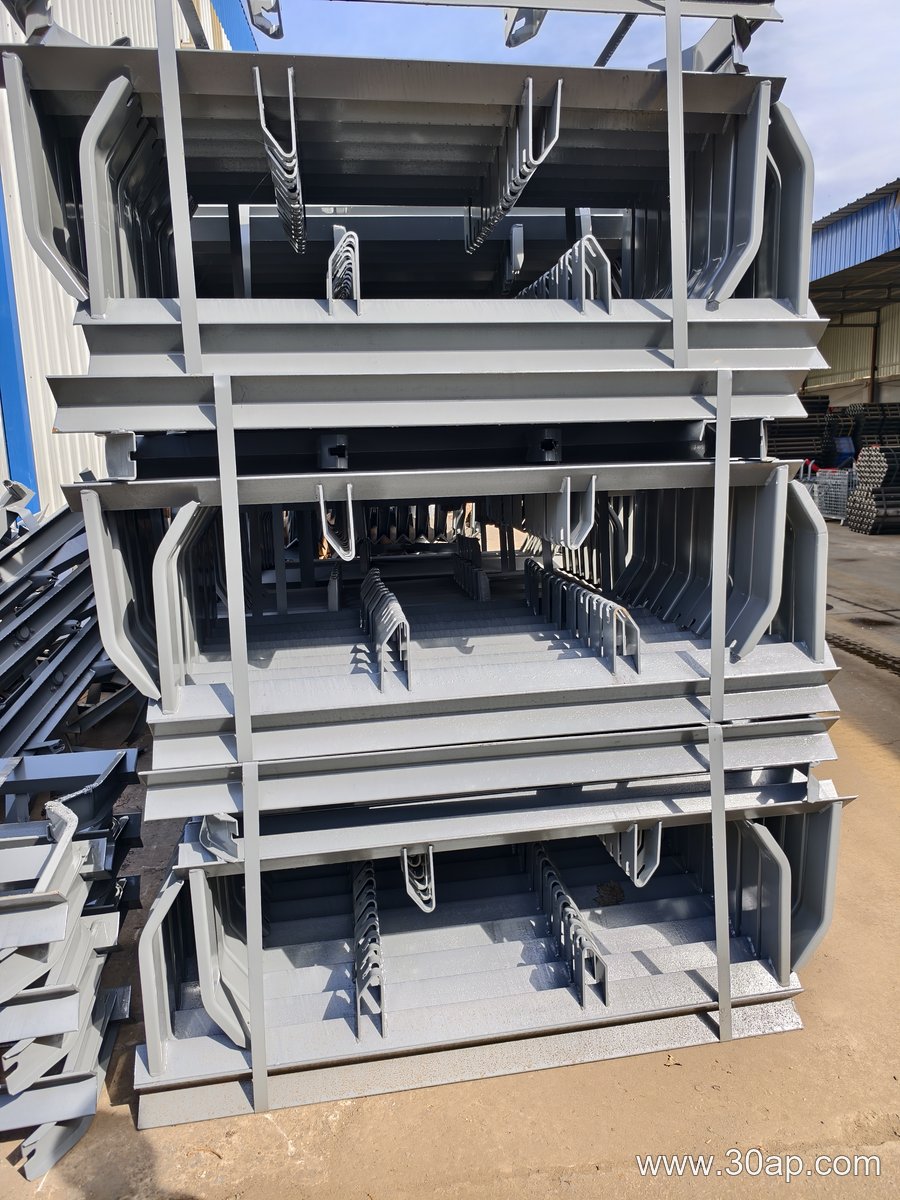
A wet outdoor conveyor exposes every conveyor bracket to rain, washdown, and standing water, so cost decisions shift toward corrosion protection and drainage details rather than lowest initial piece price.
Main Cost Factors
- Material: Carbon steel is cheaper but needs coating; stainless or galvanized steel raises material cost while reducing maintenance.
- Dimensions: Longer spans, thicker plate, and larger hole patterns add weight and material use.
- Manufacturing: Welding, bending, drilling, and coating steps each add labor and setup time.
- Freight: Heavy or bulky brackets cost more to ship, so compact designs can offset material savings.
Checks should include drainage paths, coating coverage, and bolt access before comparing quotes.