Why does a standard conveyor bracket struggle near a quarry’s secondary crusher?
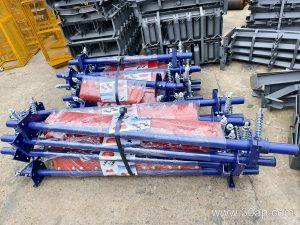
Dust near a secondary crusher is not the same as dust elsewhere on the belt. It is finer, drier, and thrown outward by impact, so a standard conveyor bracket can collect it inside the mounting pockets.
What actually happens to the bracket
Vibration shakes dust into bolt clearances and around the idler seat. Once packed, the dust holds moisture and abrasive fines against the steel, loosening the joint over time. The bracket is not overloaded; it is undermined at its contact points.
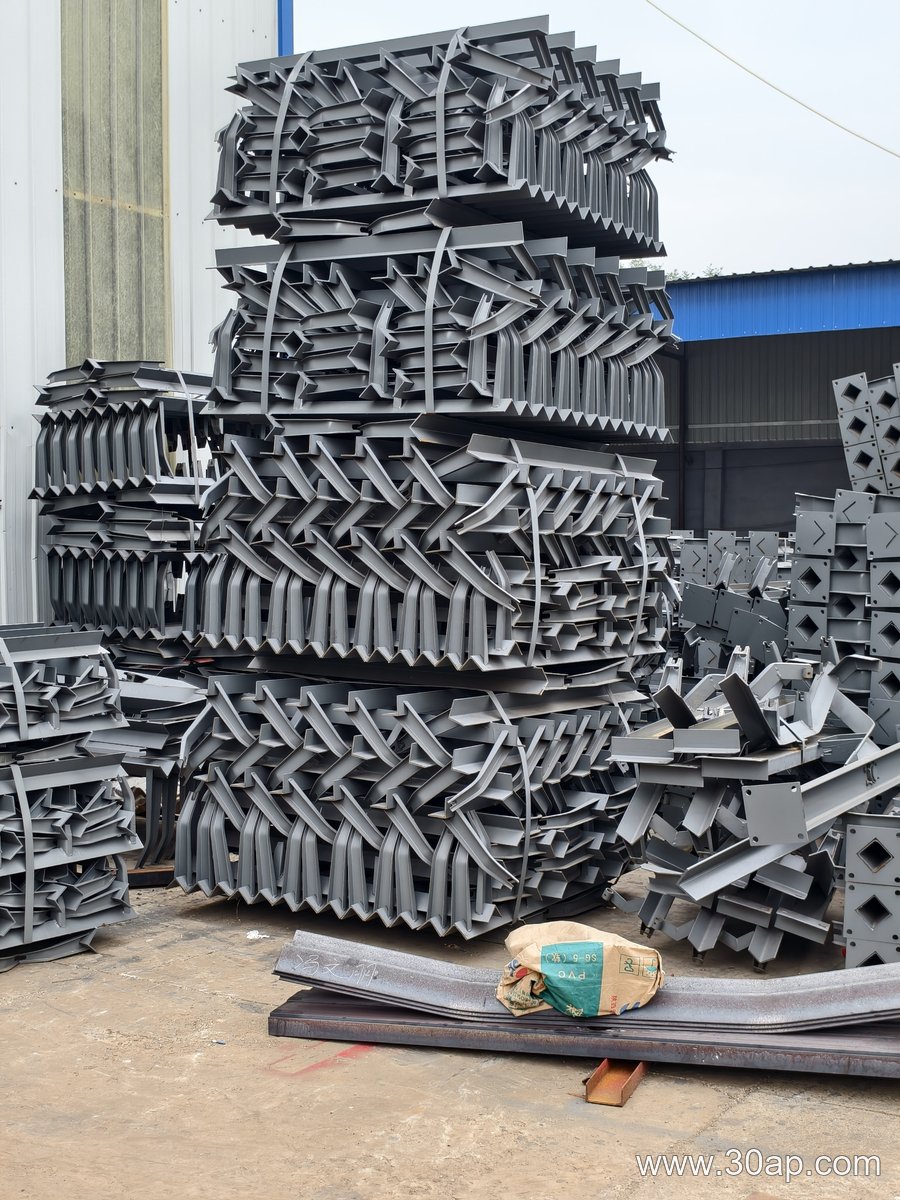
Practical checks before specifying
- Mount the conveyor bracket so pockets drain and do not face upward.
- Choose a sealed or shielded seat if dust is continuously airborne.
- Check bolt torque periodically, since packed fines reduce clamping force.
- Use a replaceable wear plate rather than letting the bracket body wear.
These measures are hypothetical examples, not fixed rules. The right conveyor bracket depends on the actual dust load and crusher layout.
How Does Cover Grade Abrasion Resistance Affect Conveyor Belt Selection for a General Manufacturing Line
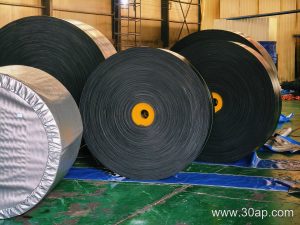
When specifying a conveyor belt for a general manufacturing line, engineers often face a trade-off between initial cost and service life. A higher abrasion-resistant cover grade reduces wear but increases upfront expense. This article explains the technical term ‘abrasion resistance’ and how it influences belt selection.
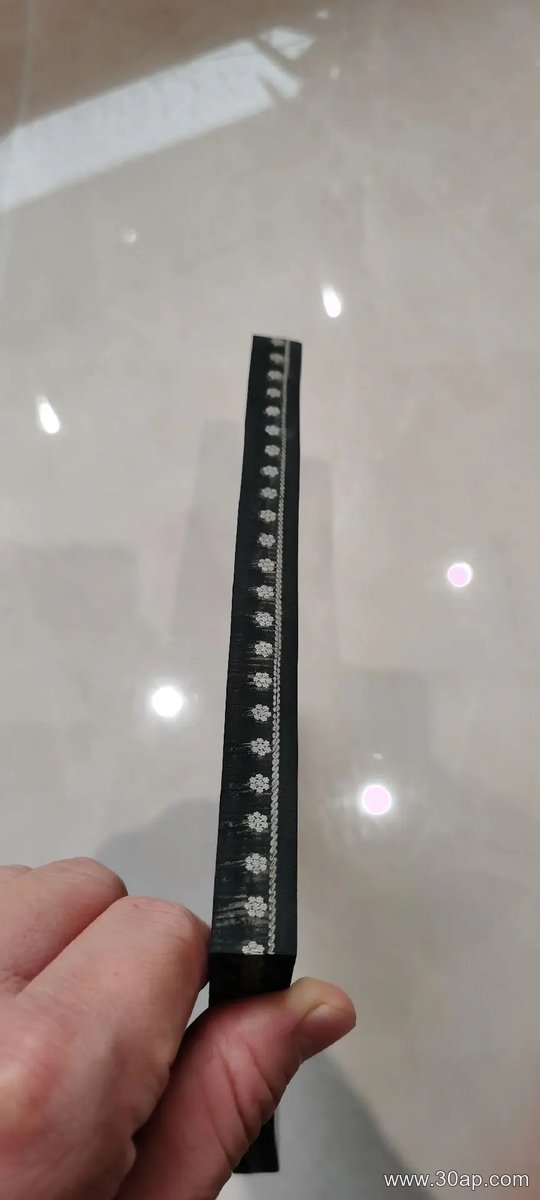
Understanding Abrasion Resistance in Conveyor Belt Covers
Abrasion resistance is measured by the volume loss of rubber under standardized abrasive conditions, often expressed as mm³. A lower volume loss indicates better resistance. In a general manufacturing line handling sharp or abrasive parts, a cover with higher abrasion resistance can extend belt life, reducing downtime and replacement frequency. However, such covers may be stiffer, affecting troughability and energy consumption. Engineers must balance these factors against the line’s duty cycle and material characteristics.
Setting the Hypothetical Constraint
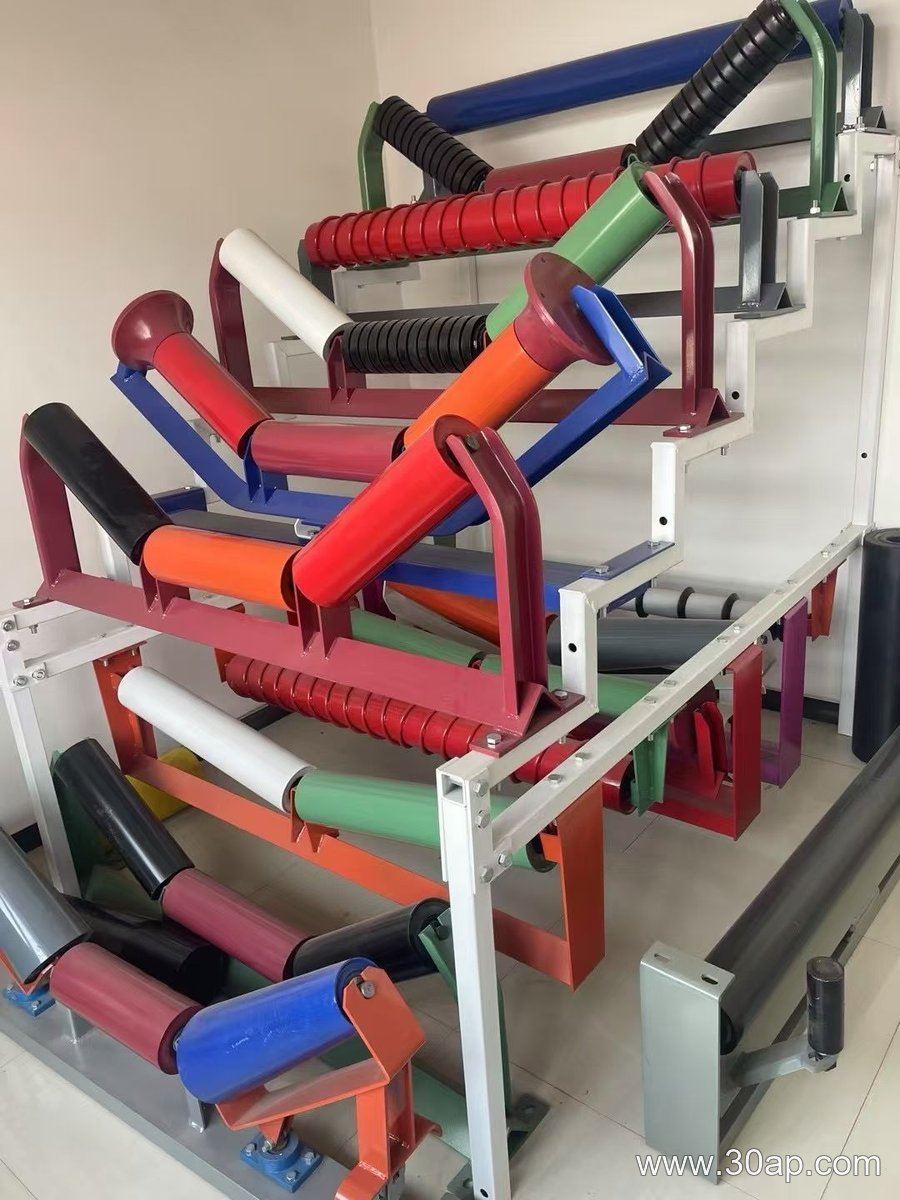
Assume a mineral-processing plant with a 1200 mm belt and an available idler roller only 400 mm wide. The roller is a parallel idler, not a full-width troughing roll. The question: can it support the belt without unacceptable sag or edge loading?
Engineering Check and Decision
A 400 mm idler roller under a 1200 mm belt concentrates load on the belt center. The belt edges overhang about 400 mm each side, creating unsupported spans. This raises belt stress and may cause material spillage. The idler roller bearing load also increases because the same belt tension acts on a narrower shell.
- Check belt sag: unsupported edges deflect, risking edge damage.
- Check roller deflection: a short shell may bend under concentrated load.
- Decision: reject the 400 mm idler roller for this duty; specify a full-width idler roller or add multiple parallel idlers across the belt.
What Is the First Sign That a Quarry Conveyor Pulley Is Losing Its Grip
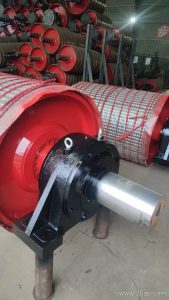
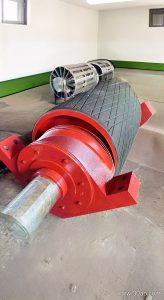
Is it a torn lagging or a belt that starts slipping? Actually, the first sign is usually a faint polished band on the pulley face where the belt no longer makes full contact. In a dusty quarry, fine grit works between the lagging and the belt, gradually reducing friction. This is not a sudden failure but a slow loss of grip.
Why does dust cause a conveyor pulley to slip?
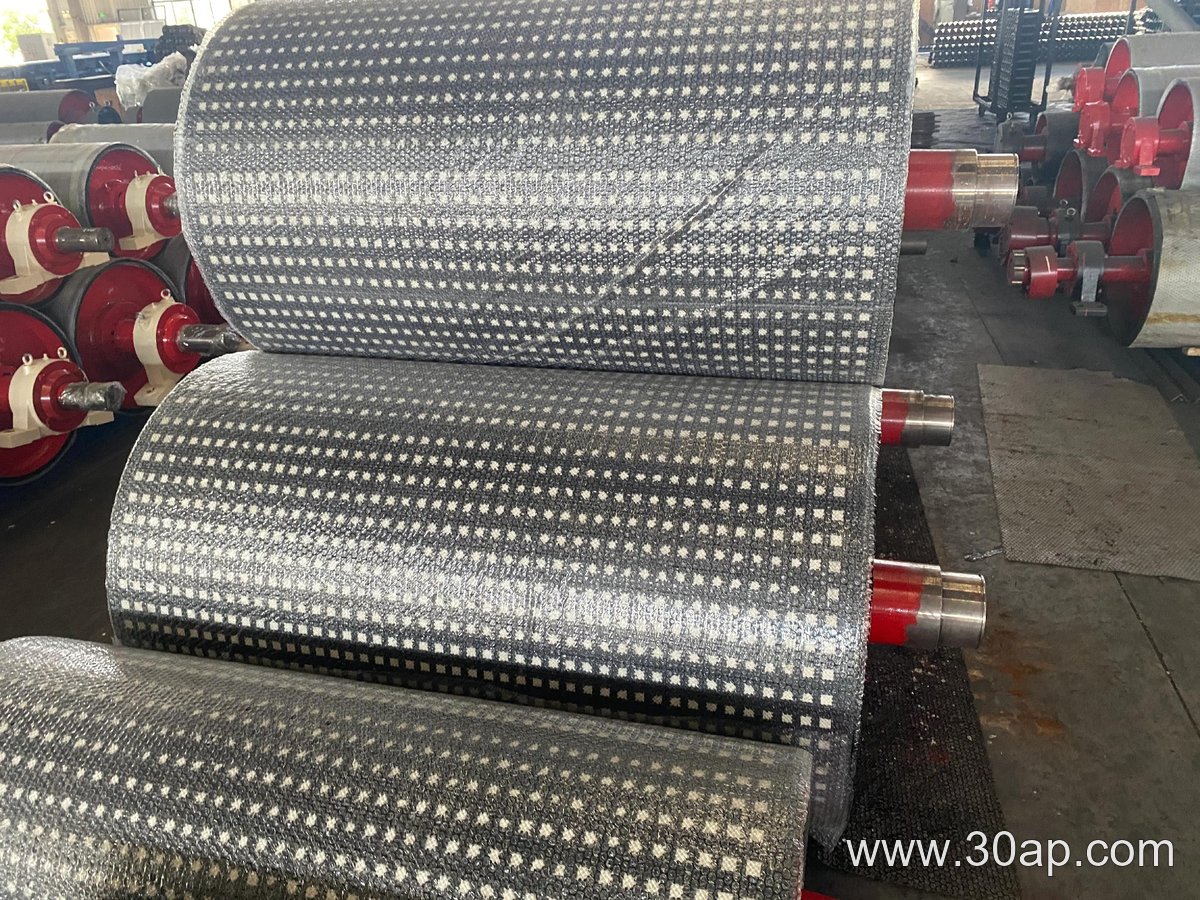
Dust acts like a dry lubricant. It fills the lagging grooves and creates a smooth layer. As the conveyor pulley rotates, the belt slides slightly, generating heat and wearing the lagging further. A common misconception is that only worn lagging causes slip. In reality, even new lagging can lose grip if dust packing is not addressed.
How can you check for this condition?
- Look for a shiny, polished stripe across the pulley face.
- Listen for a high-pitched squeal during startup.
- Feel for uneven temperature across the shell after shutdown.
If any of these appear, clean the lagging and consider a grooved pattern that sheds dust. This simple check prevents a small grip problem from becoming a full stoppage.