What Maintenance Checks Reveal Whether a Mineral Processing Conveyor Pulley Needs Replacement
A common misconception is that a conveyor pulley lasts until it seizes. In reality, wear and fatigue progress quietly, so scheduled inspection matters more than reactive repair.
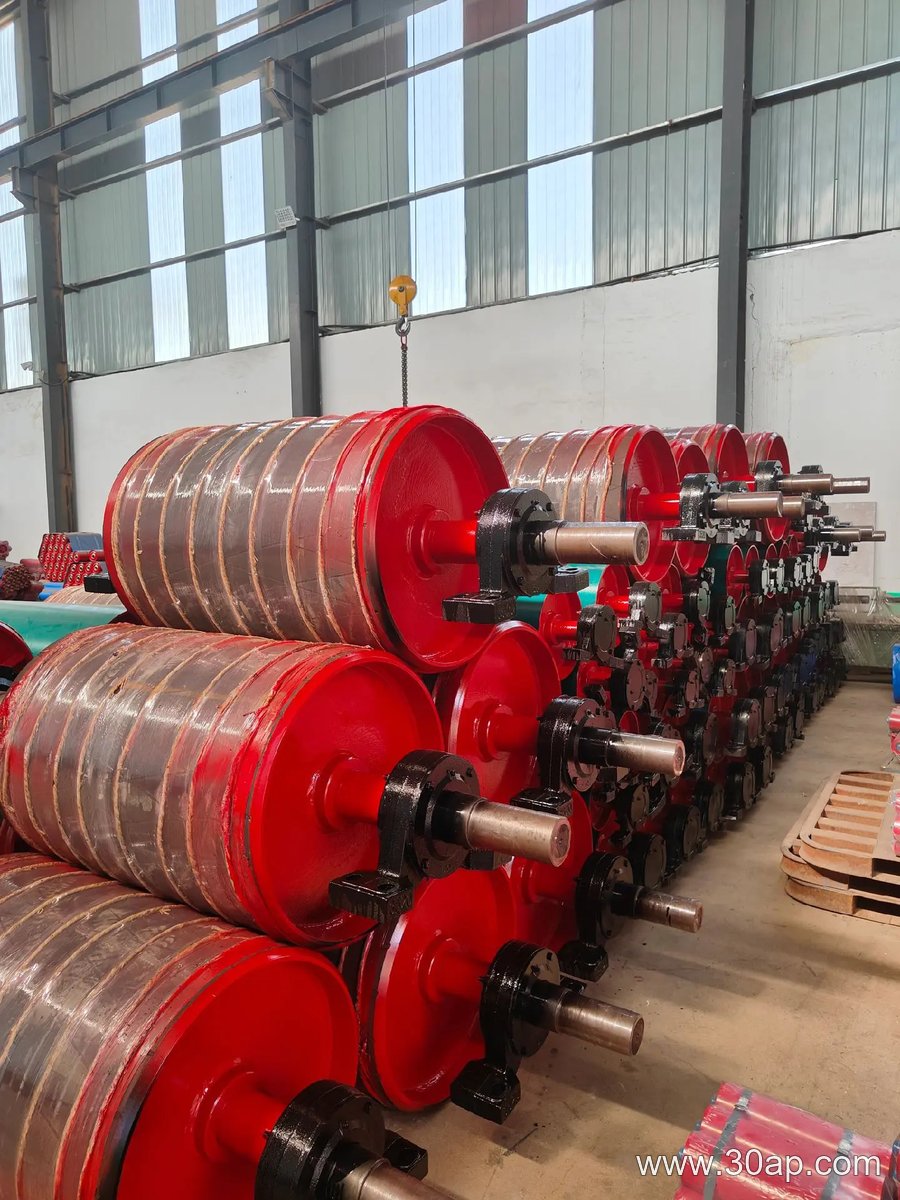
Inspection Points That Matter
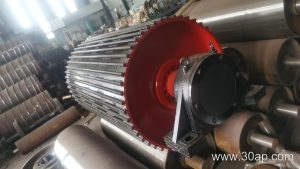
- Check lagging for glazing, grooves, or missing strips.
- Measure shell runout and listen for bearing noise.
- Inspect end discs and locking assemblies for cracks or fretting.
Preventive Maintenance and Replacement Signs
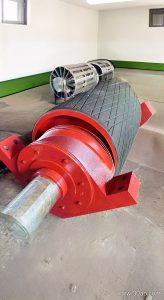
Lubricate bearings on schedule, re-torque fasteners, and keep material buildup off the shell. Replace the conveyor pulley when lagging is worn through, runout exceeds tolerance, or the shaft shows visible damage. These signs indicate the pulley can no longer maintain reliable belt traction.
Reading a Conveyor Bracket Specification Sheet
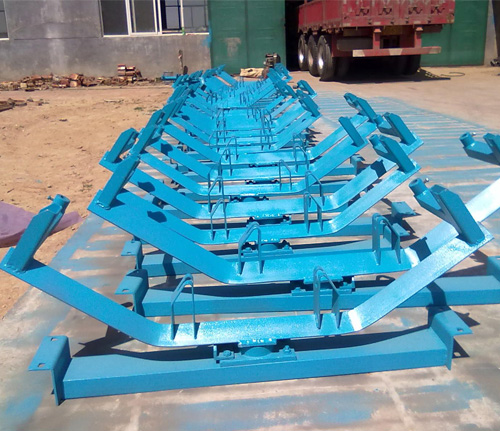
A conveyor bracket drawing lists fields such as load rating, hole diameter, and hole spacing. Each field describes one physical property, not a guarantee of performance in every line.
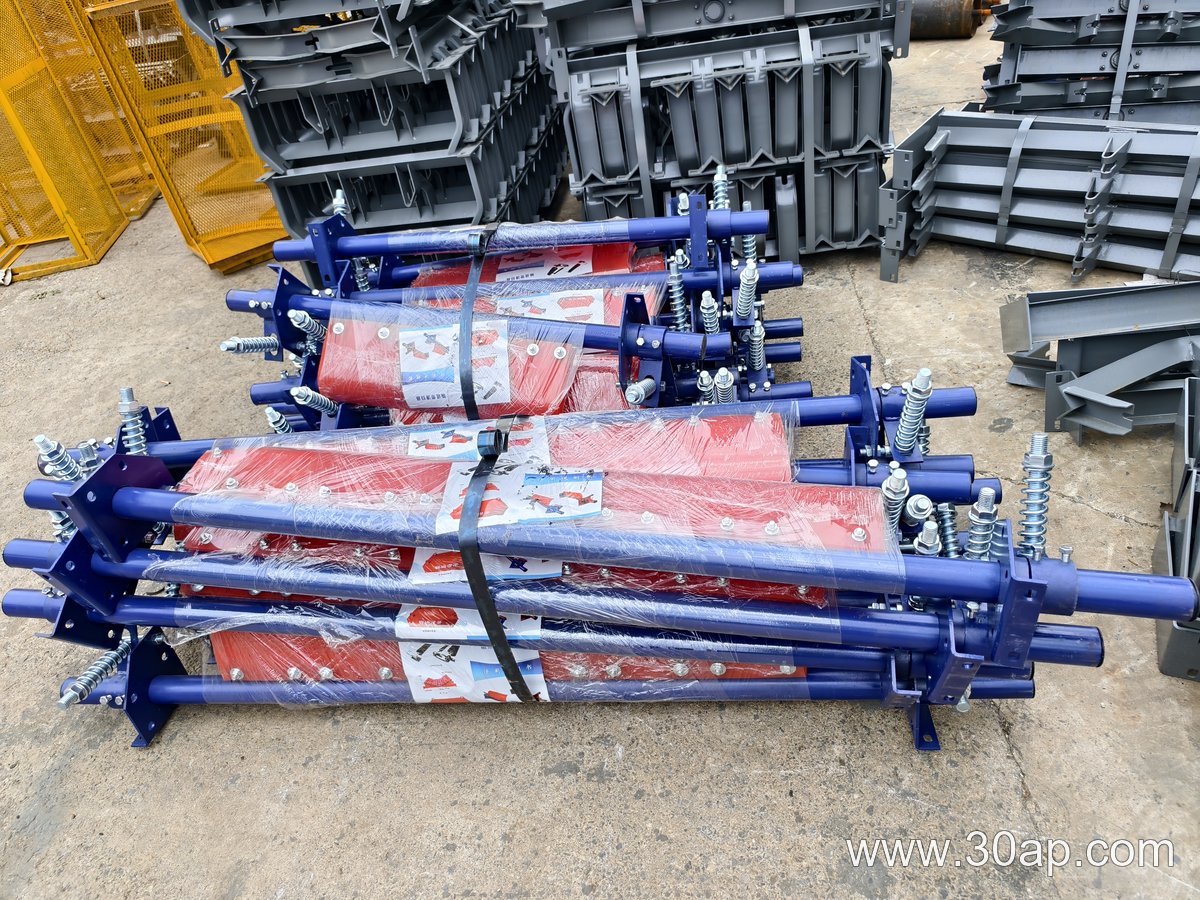
Common fields and units
- Load rating: stated in kilonewtons (kN) or kilograms-force (kgf); it reflects the bracket’s design capacity, not a test result for your layout.
- Hole diameter: millimetres (mm), matched to the mounting bolt.
- Hole spacing: centre-to-centre distance in mm.
- Material grade: an alphanumeric designation; confirm it against the drawing, not by assumption.
How to use the values
On a general manufacturing line, compare the bracket’s load rating with the calculated idler load, and check that hole spacing matches the stringer. If a field is blank or marked TBD, request clarification rather than inferring a rating.
When Should a Port Terminal Conveyor Belt Be Inspected for Wear Before Replacement
At a bulk-material port terminal, a conveyor belt moves thousands of tons daily, so inspection timing matters. Check splices, cover wear, and edge condition regularly.
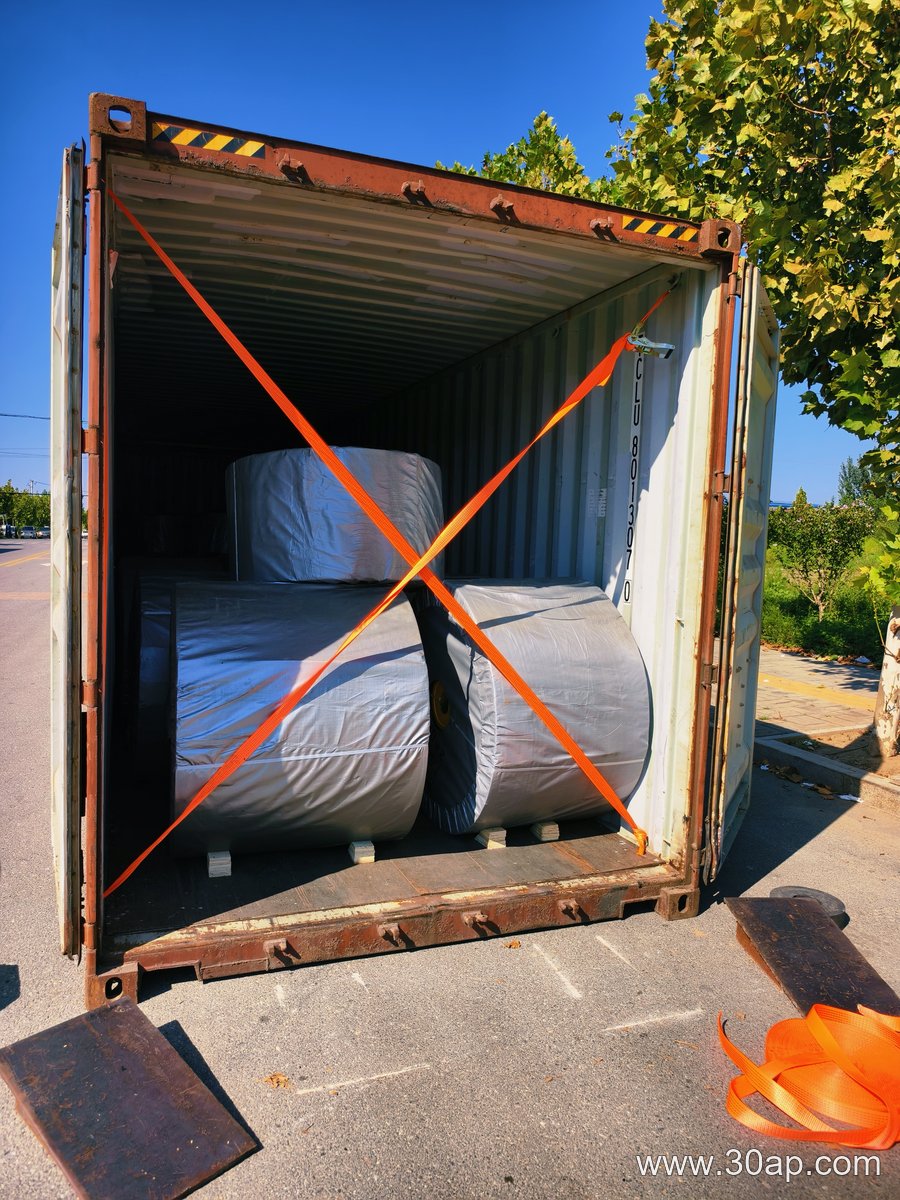
Inspection and Replacement Signs
- Inspect splices for separation or exposed cords.
- Measure cover thickness; replace when wear reaches the carcass.
- Look for edge fraying, gouges, or embedded tramp metal.
- Plan replacement when patching no longer holds.
How Do Material Choices for an Idler Roller Affect Performance on a Wet Outdoor Conveyor?
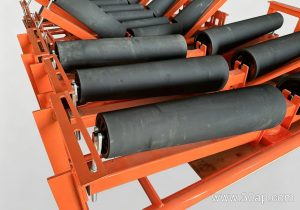
On a wet outdoor conveyor, an idler roller must resist corrosion and abrasion. The shell material is the first decision. Polymer shells resist water and chemicals but may soften in heat. Steel shells handle heavy loads but rust without coating. Stainless steel resists corrosion but costs more. Bearing seals and housing materials must also match the wet environment.
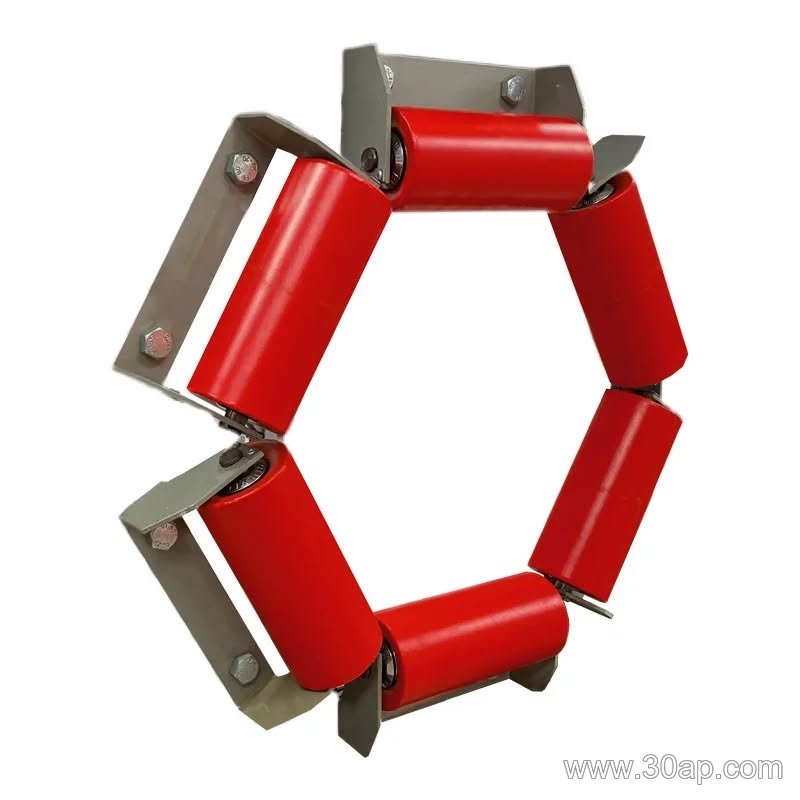
Shell Material Trade-offs
- Polymer: lightweight, corrosion-resistant, lower load capacity.
- Coated steel: strong, moderate corrosion resistance, coating can chip.
- Stainless steel: excellent corrosion resistance, higher cost and weight.
For a wet outdoor conveyor, a sealed polymer or stainless steel idler roller often works best, but load and temperature dictate the final choice. Always verify bearing housing material and seal type for water ingress.