Aggregate Handling Demands on a Conveyor Belt
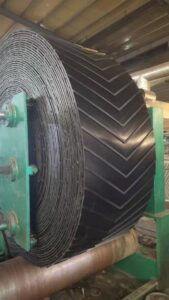
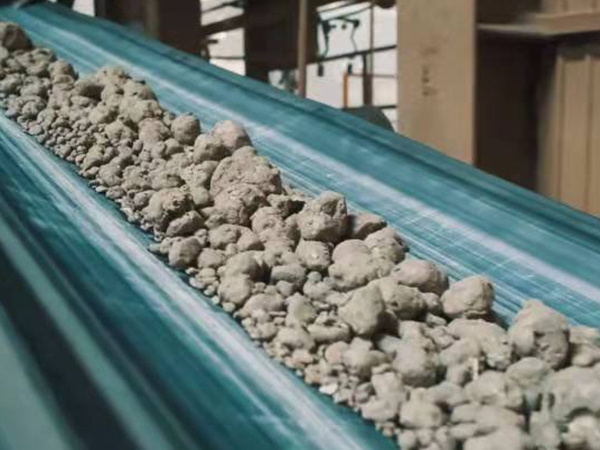
An aggregate processing plant subjects a conveyor belt to continuous impact from sharp, heavy rock fragments falling onto transfer points. Managing this application requires careful evaluation of top cover thickness, rubber compound resilience, and carcass ply count to prevent premature puncture and abrasive wear.
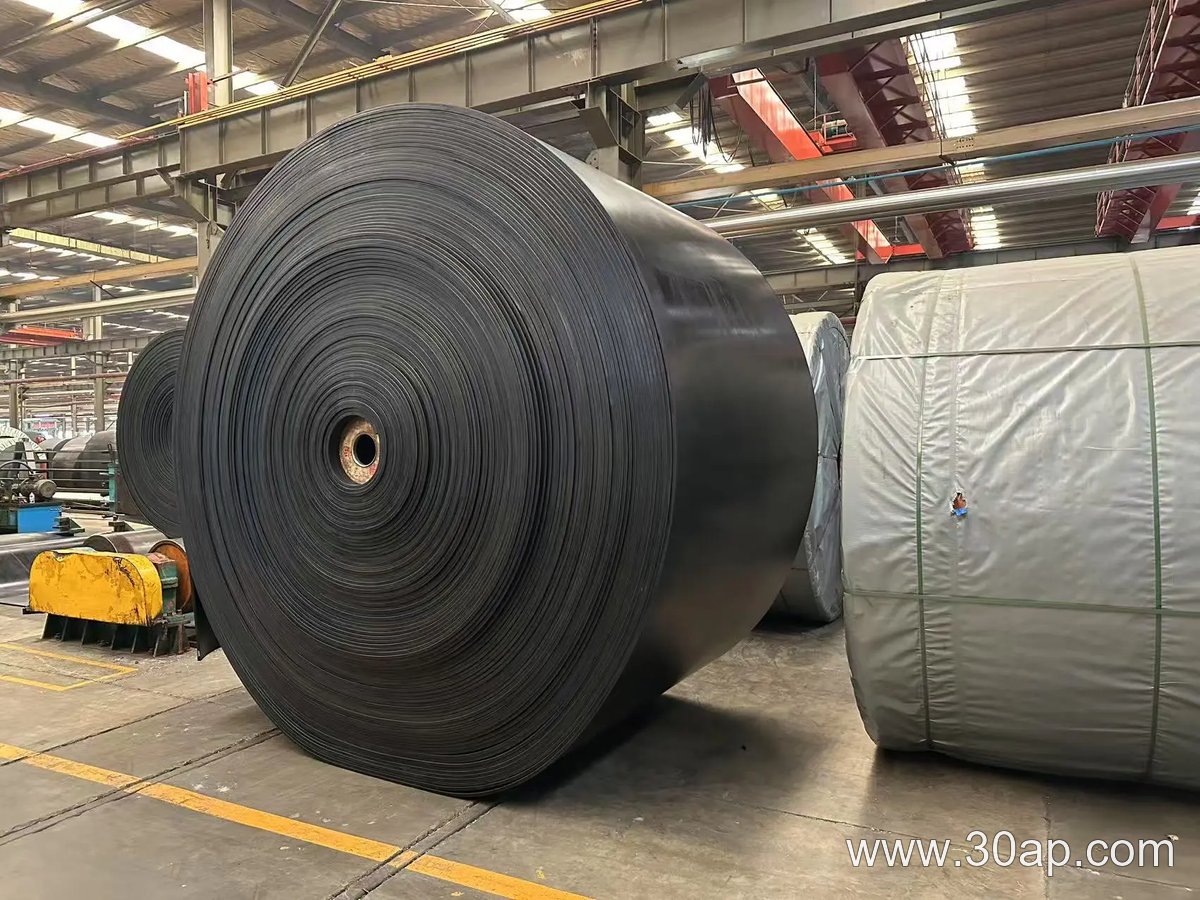
Key Factors in Aggregate Plant Layout
- Impact energy absorption at primary crusher discharge chutes
- Transverse flexibility for proper troughing under heavy stone loads
- Edge resistance against fraying from mistracking along long spans
Combating Wear on the General Manufacturing Line
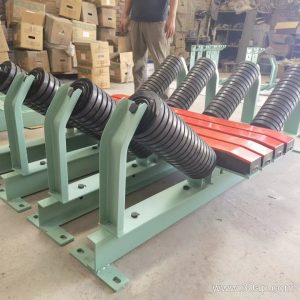
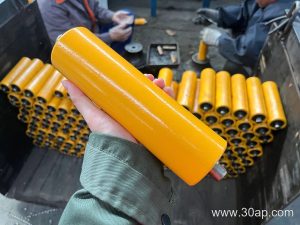
On a busy manufacturing line, an idler roller constantly faces abrasive friction from moving parts. To maintain reliable performance, engineers rely on surface-hardened steel or specialized polyurethane coatings. These protective layers prevent premature shell thinning and extend operating intervals without adding excessive rotational weight.
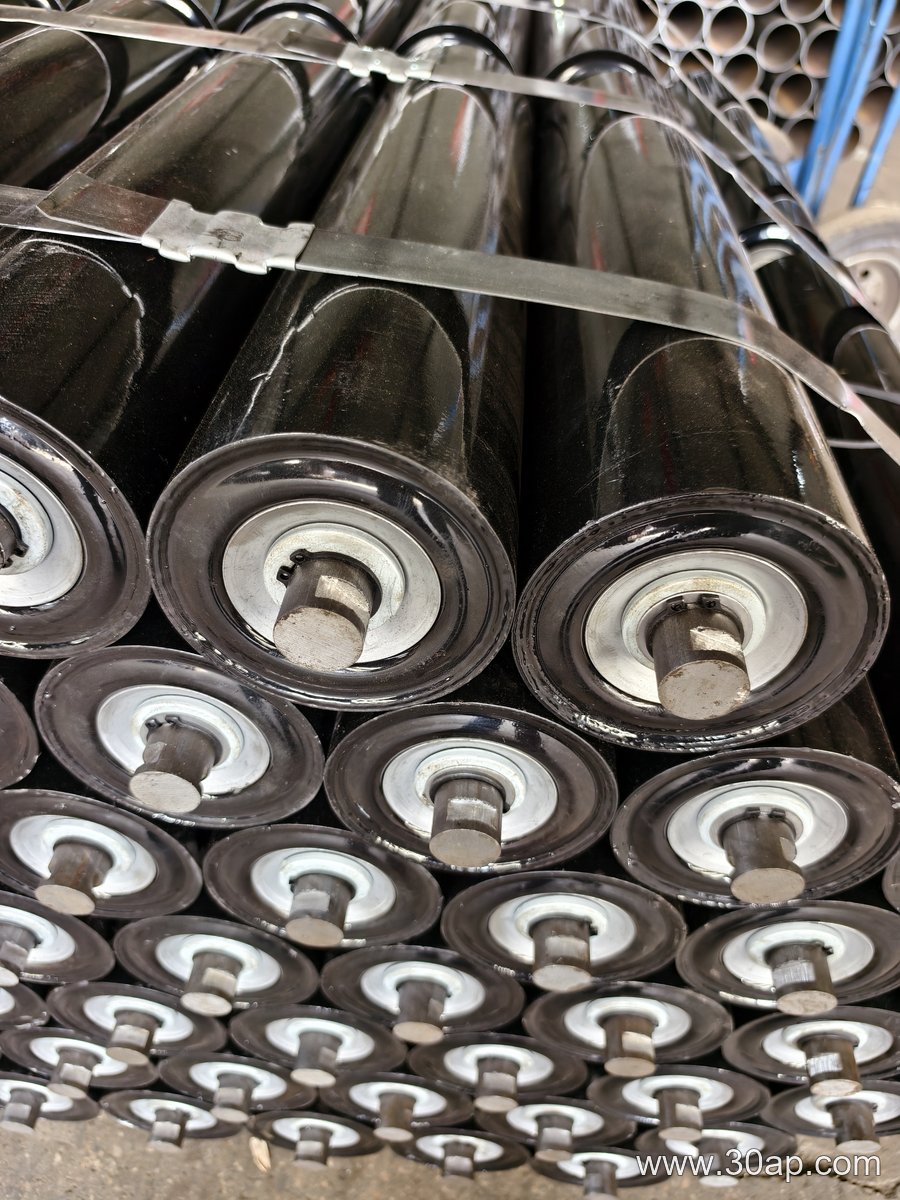
Selecting the Right Protective Coating
- Thick polyurethane covers absorb impact and resist particle abrasion.
- Induction-hardened steel shells handle high-load metal-on-metal contact.
- Proper material matching reduces overall maintenance downtime on the shop floor.
Material Selection Trade-Offs for a Cement Plant Conveyor Pulley
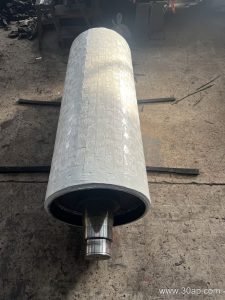
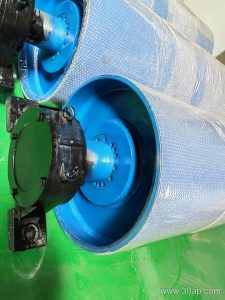
A cement plant conveyor pulley handles severe abrasive clinker and high belt tensions. Choosing the right construction material requires balancing mechanical strength, wear resistance, and cost. Structural carbon steels like ASTM A36 offer high yield strength and weldability for shells, but they wear rapidly under heavy sliding friction without hardfacing.
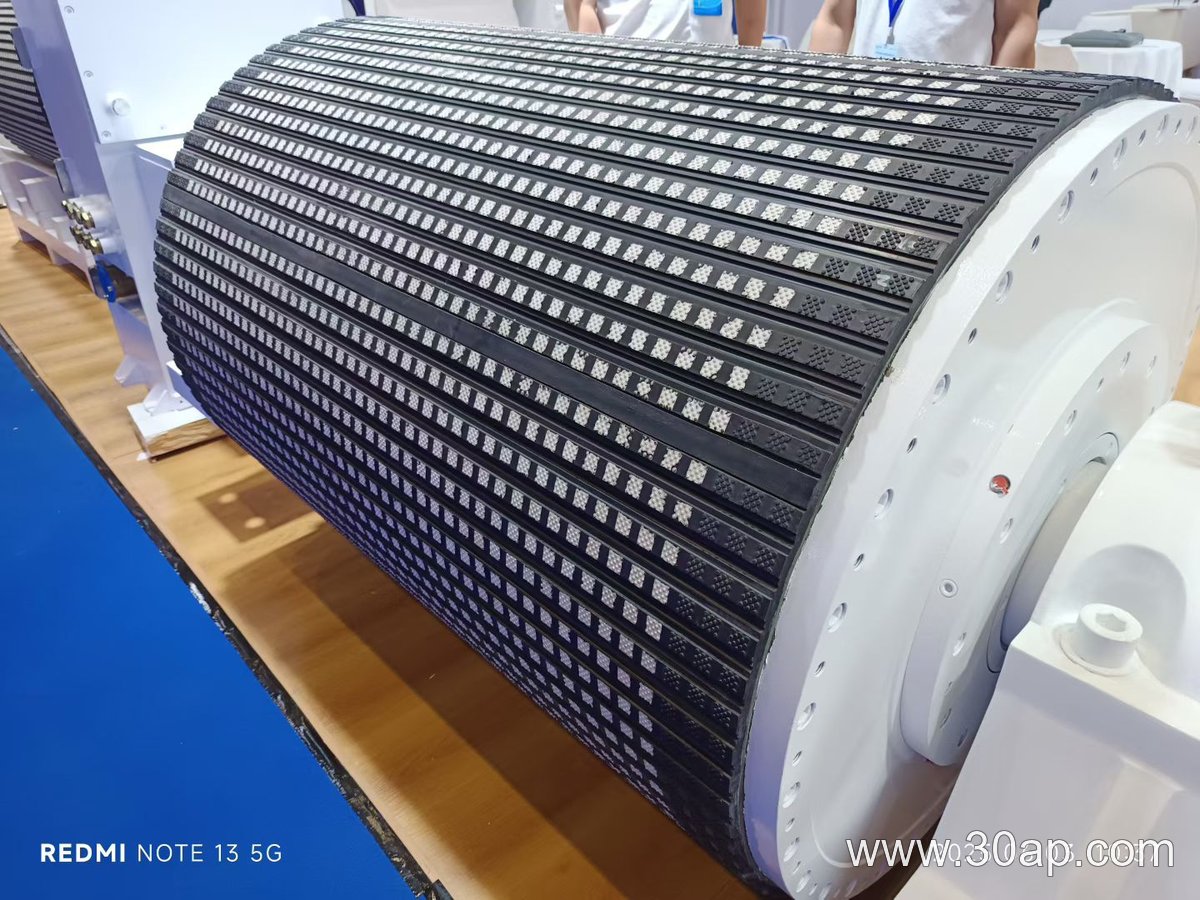
Alloy steels such as 4140 provide superior fatigue resistance for high-torque shafts, though they demand precise heat treatment to avoid brittle failure. Meanwhile, chilled cast iron provides exceptional surface hardness for lagging retainers but lacks impact toughness under sudden material surges.
Calculating Loads on a Conveyor Bracket in an Impact Zone
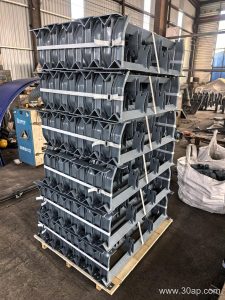
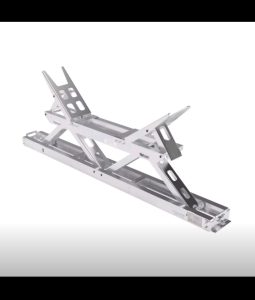
In a hypothetical quarry design project, evaluating a conveyor bracket requires analyzing static belt weight alongside dynamic impact forces from falling rock. We assume a 1,200 mm troughing idler assembly subjected to variable stone sizing.
The Engineering Calculation Method
Engineers calculate the total vertical load per conveyor bracket by combining dead load and impact factors:
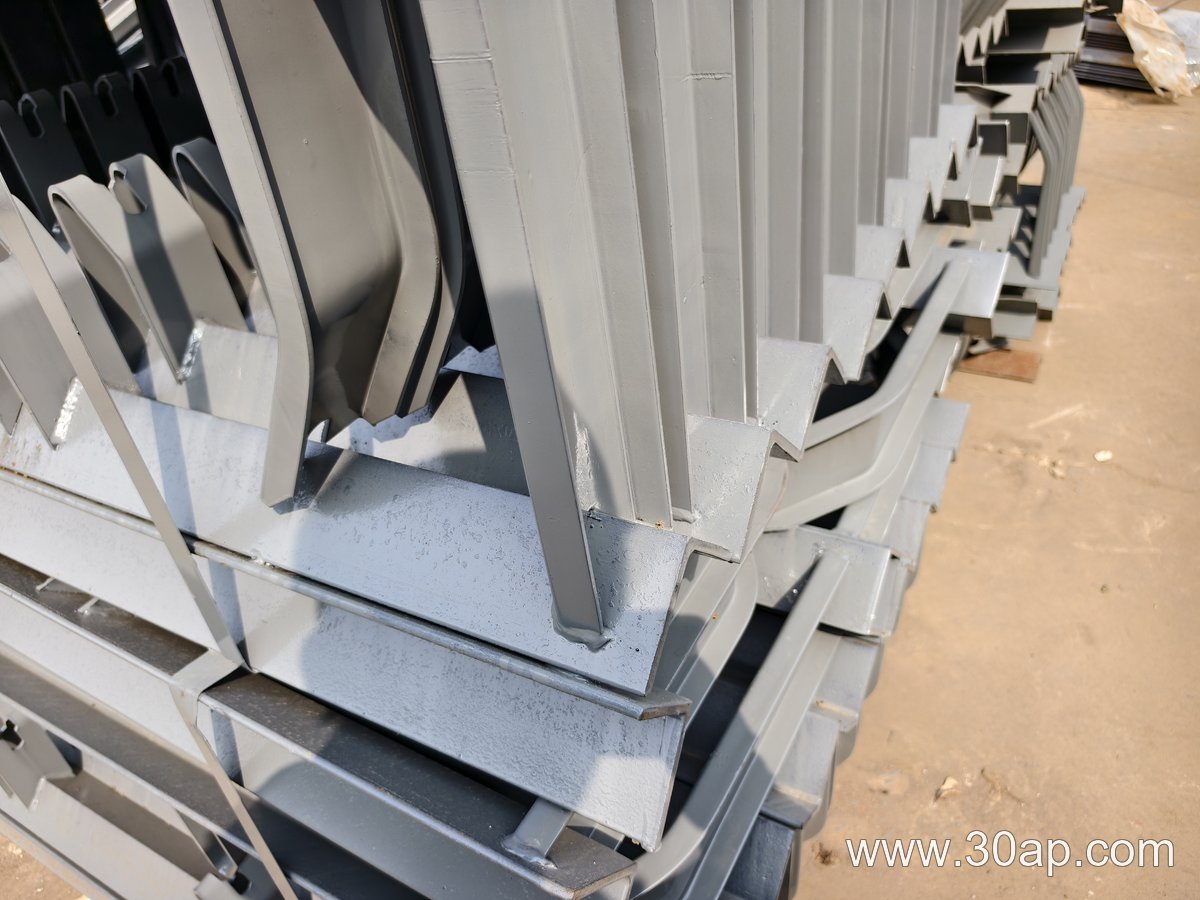
- Determine mass of idler rolls and framing supported by the bracket.
- Calculate proportional weight of the loaded belt section spanning adjacent brackets.
- Apply an impact factor multiplier based on drop height and material density.
Comparing this derived total against published yield limits ensures the chosen conveyor bracket maintains structural integrity under severe operating stresses.