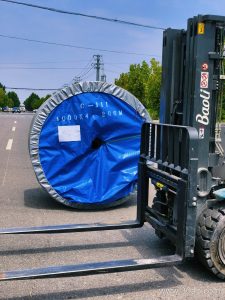
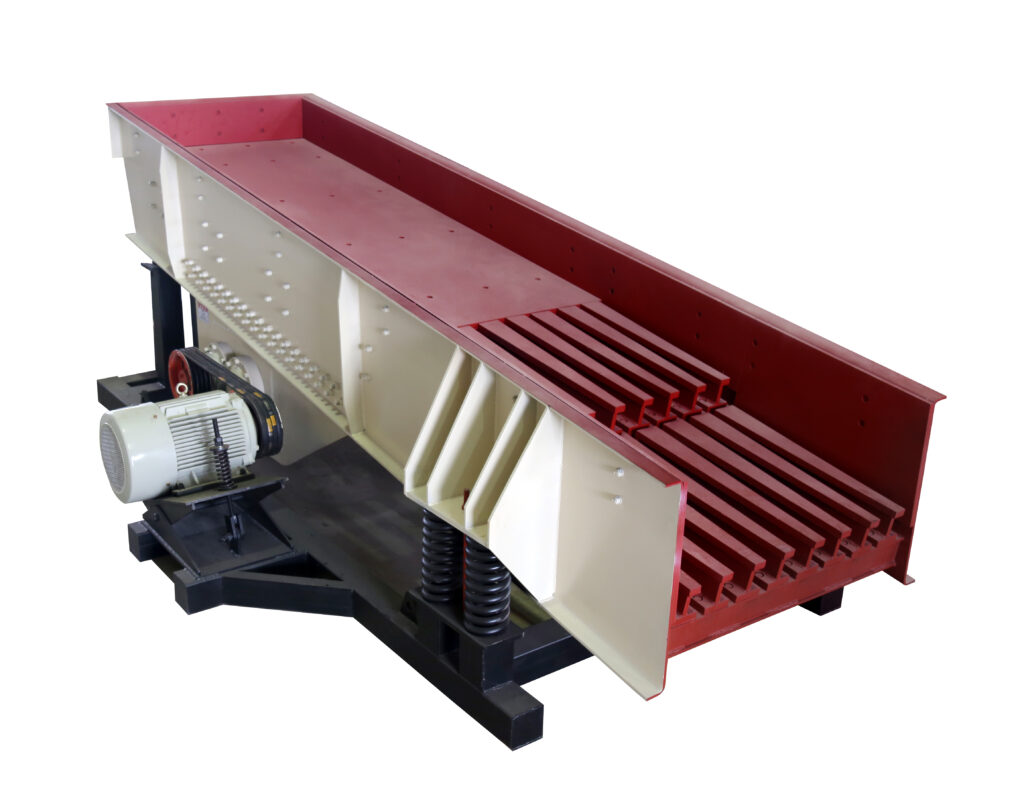
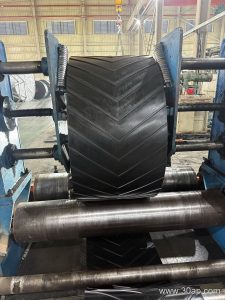
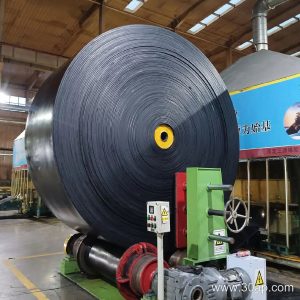
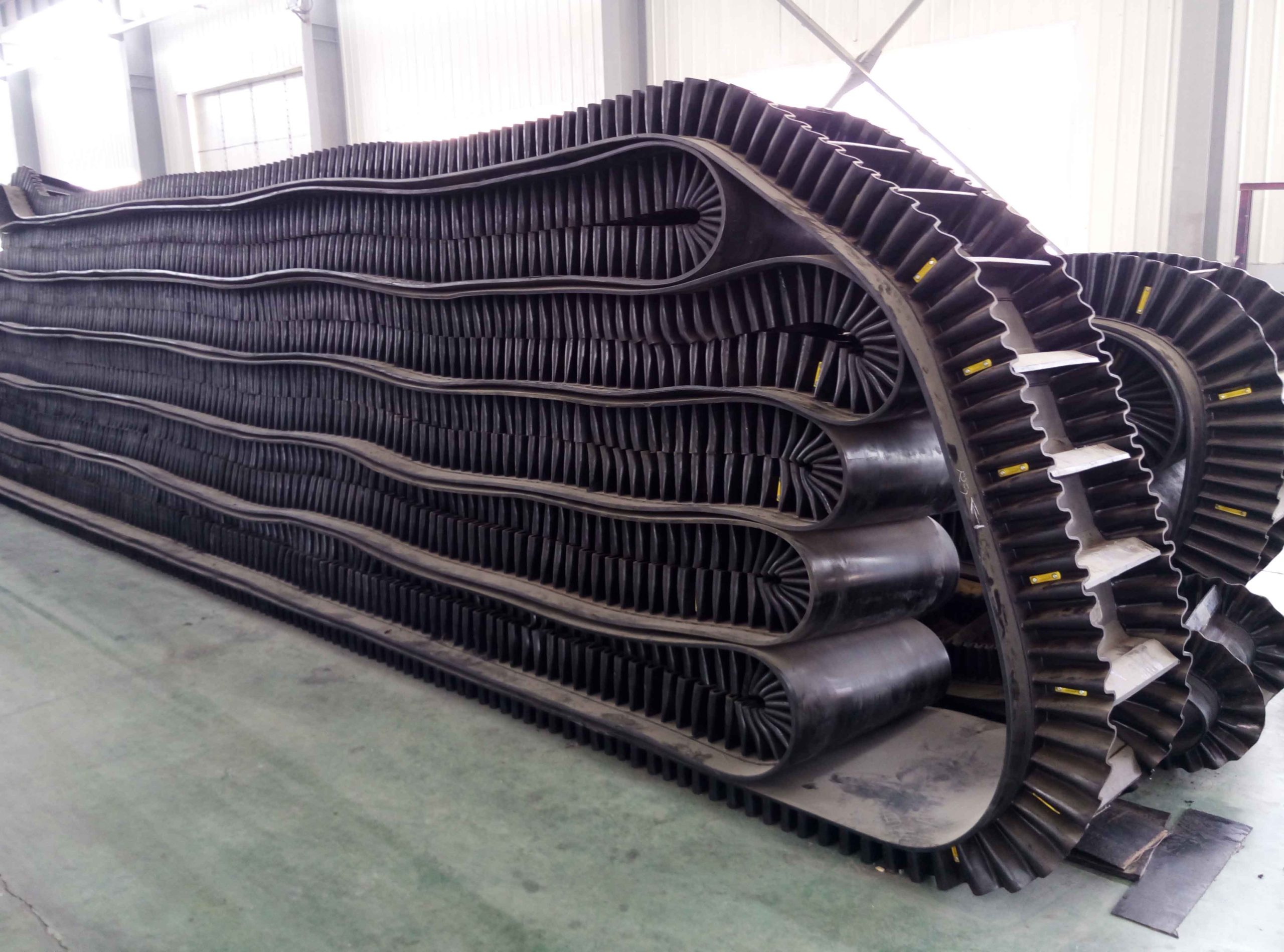
In a dusty quarry, a conveyor belt must withstand abrasive rock, grit, and impact. Yet two belts that look similar can differ widely in cost. What drives that difference?
- Material: Cover compound, carcass fabric, and rubber grade.
- Dimensions: Belt width, length, and thickness.
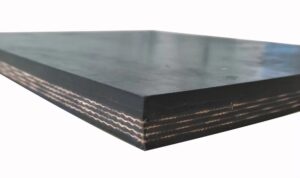
- Manufacturing: Ply count, splice method, and quality control.
- Freight: Weight, volume, and shipping distance.
Material Choices and Their Cost Impact
Abrasion-resistant covers cost more than standard rubber. Higher-grade carcass, such as EP fabric, adds strength but raises price. In a quarry, wear resistance may reduce replacement frequency, affecting total cost.
Dimensions and Manufacturing
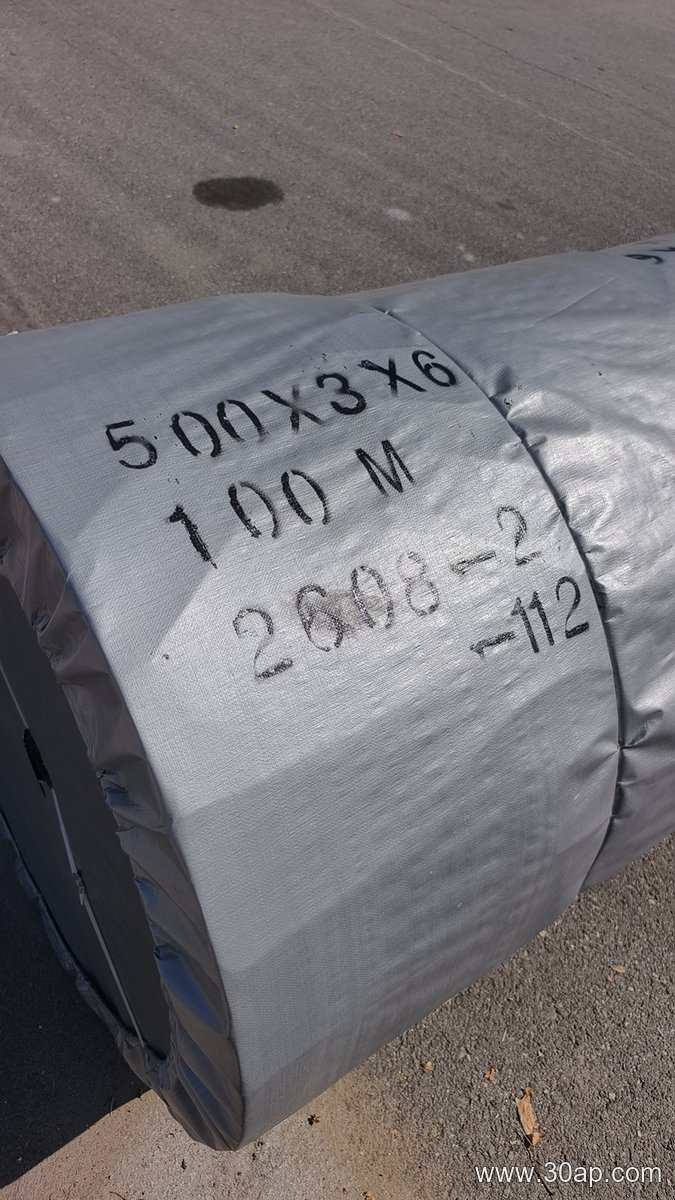
Wider, longer, or thicker belts use more material. More plies increase load capacity but add weight and cost. Splicing, whether vulcanized or mechanical, adds labor. Precision manufacturing reduces flaws but may cost more upfront.
Freight Considerations
Conveyor belts are heavy and bulky. Freight cost depends on weight, volume, and distance. A thicker belt may need special handling, increasing shipping expense. For quarry operators, local sourcing can cut freight but may limit options.
Comparing Steel and Polymer Idler Roller Materials at a Bulk-Material Port Terminal
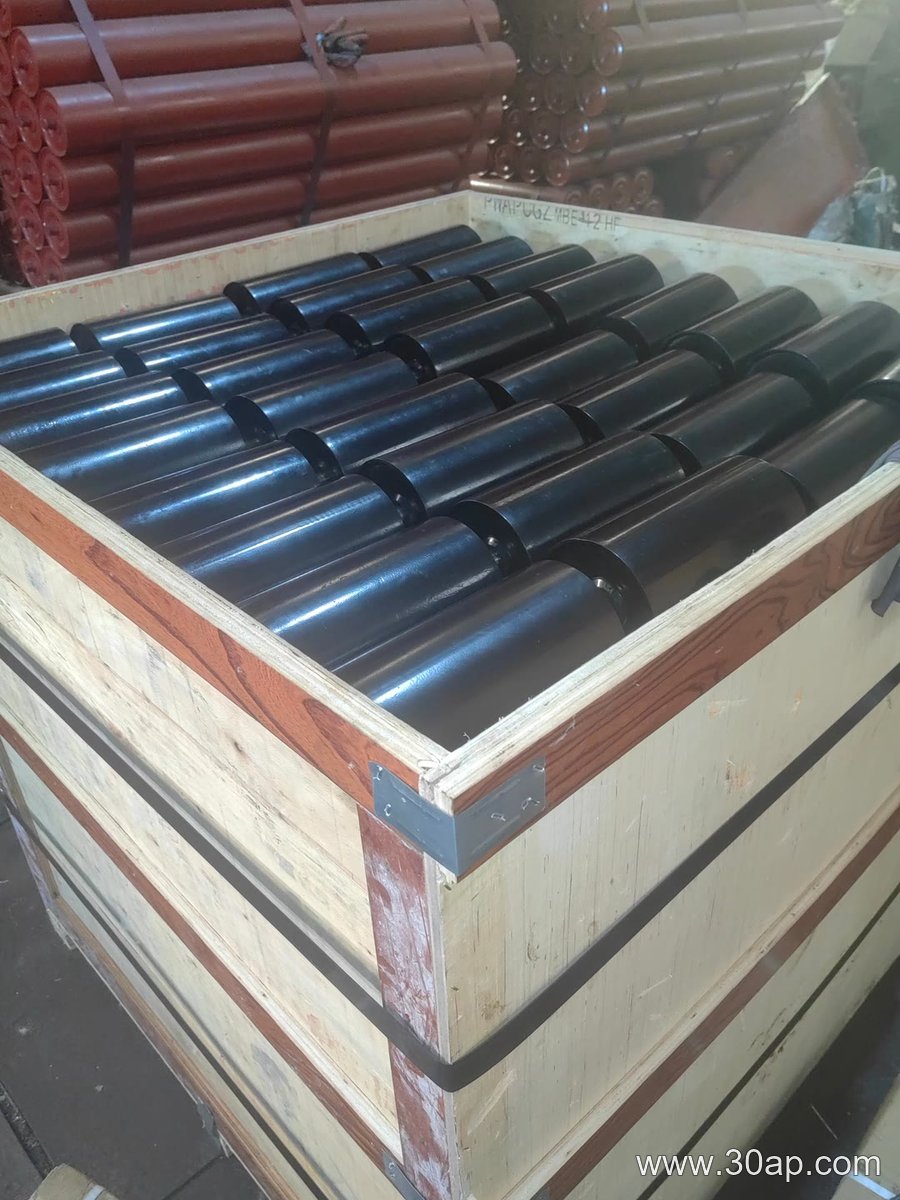
At a bulk-material port terminal, an idler roller faces salt air, abrasive ore fines, and continuous belt loads. Two common material choices are steel and polymer.
Application Fit vs. Purchasing Cost
- Steel idler roller: lower initial cost, high strength, but can corrode and seize in wet, salty conditions.
- Polymer idler roller: higher purchase price, lighter weight, better resistance to corrosion and belt wear.
Choose steel where loads are heavy and maintenance is frequent; choose polymer where corrosion and belt damage drive downtime. The trade-off is upfront purchasing cost against service life and replacement labor.
Conveyor Pulley Face-Off: Drive and Bend in Port Service
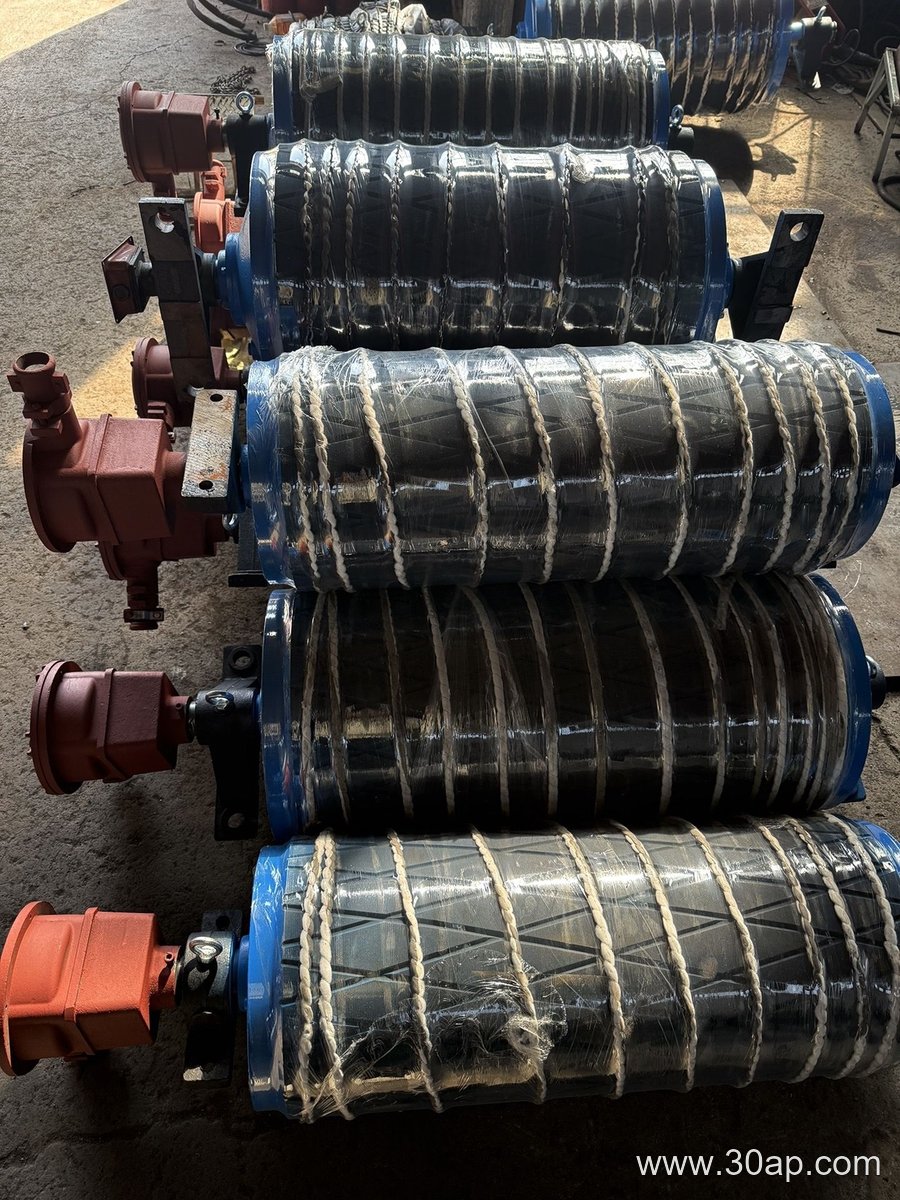
At a bulk-material port terminal, a conveyor pulley handles salt spray, abrasive ore, and high tension. Two common subtypes are the rubber-lagged drive pulley and the plain steel bend pulley. The drive pulley transmits torque and needs grip; the bend pulley changes belt direction and prioritizes low friction.
Benefits and Limits
The lagged drive pulley offers superior traction in wet conditions but costs more and can suffer lagging wear. The plain steel bend pulley is simpler, cheaper, and easier to clean, yet it may slip under heavy loads. Neither is universally better.
When to Choose Which
- Choose a lagged drive pulley for high-torque, wet, or inclined conveyors.
- Choose a plain steel bend pulley for dry, low-tension, or reversible belts.
Match the conveyor pulley to the duty, not the other way around.
From Steel Plate to Support: Making a Heavy-Duty Steel Conveyor Bracket
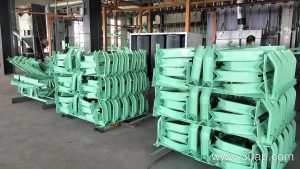
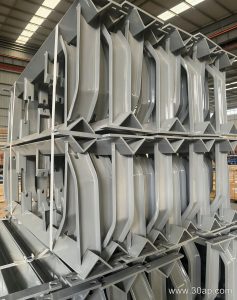
At a mineral-processing plant, a conveyor bracket must resist abrasive dust, vibration, and heavy loads. The manufacturing process directly affects how well it performs. Each stage builds quality into the finished part.
Cutting and Forming
Laser or plasma cutting sets the blank dimensions. Inaccurate cuts cause poor fit-up during assembly, leading to weak joints. Press braking then forms the bracket’s angles; springback must be controlled to keep mounting holes aligned.
Welding and Finishing
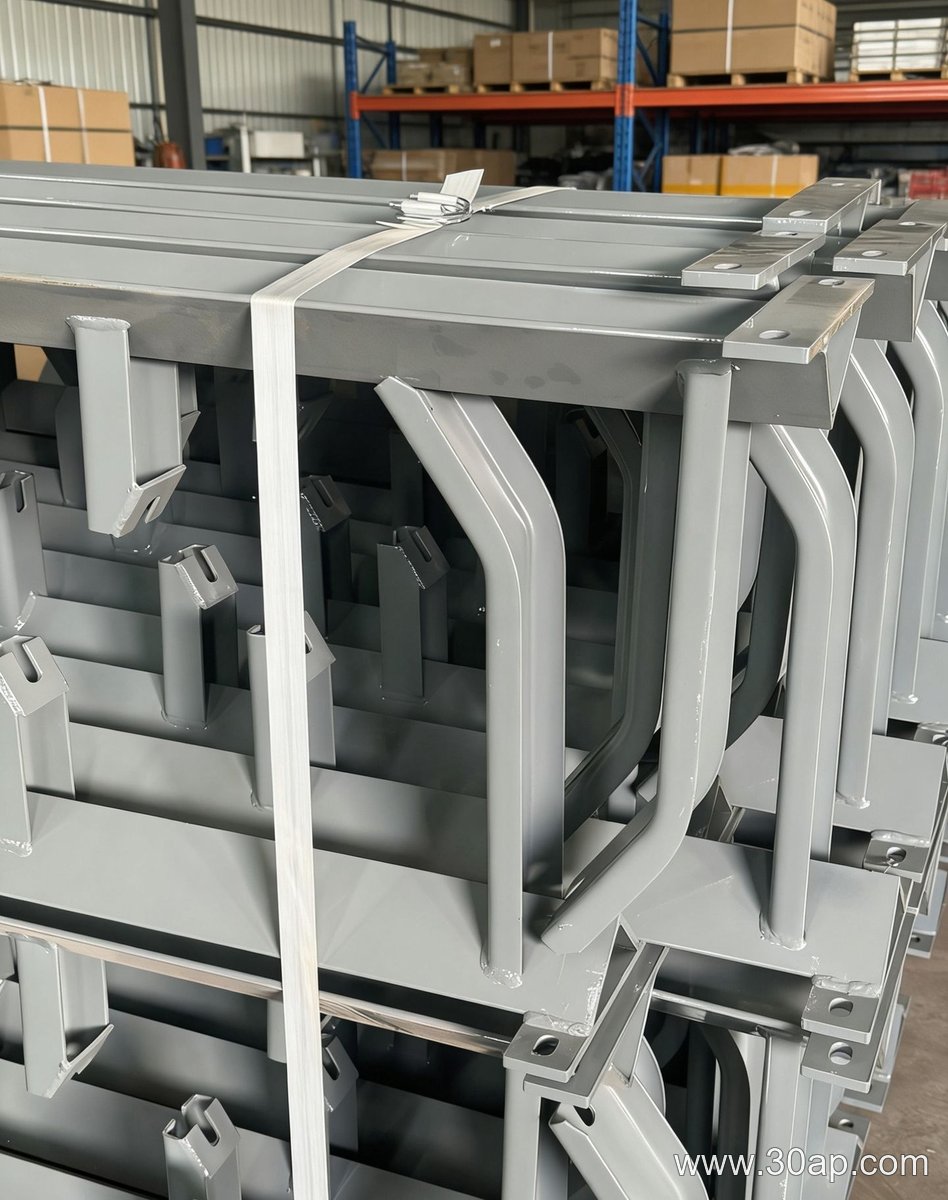
Welding joins the components. Proper sequence and heat input reduce distortion and residual stress. After welding, grinding smooths critical edges, and shot blasting prepares the surface for coating. A quality coating resists corrosion in wet or dusty conditions.
Inspection and Fit-Up
Final inspection checks hole positions, flatness, and weld quality. A bracket that passes these checks will install without forcing, maintaining belt alignment and extending service life. In a mineral-processing plant, this reliability reduces downtime.