Material and Dimensions: The First Cost Levers for a Conveyor Pulley
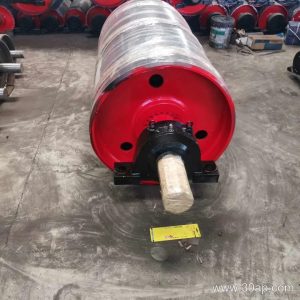
In a mineral-processing plant, a conveyor pulley must survive abrasive dust, heavy loads, and continuous duty. The cost of that pulley begins with two decisions: material and dimensions. Material grade affects raw material cost and machinability. A pulley made from standard carbon steel costs less than one built from an abrasion-resistant or stainless grade, but the cheaper option may wear faster in a dusty, wet environment. Dimensions—shell diameter, face width, shaft diameter, and wall thickness—directly increase the amount of steel, machining time, and handling effort. A wider face or larger shaft does not just add material; it may require bigger bearings, a heavier hub, and more robust end discs. In a mineral-processing plant, where belt tensions are high, these dimensions are driven by engineering calculations, not by cost alone. The goal is to avoid both under-design, which leads to premature failure, and over-design, which adds cost without adding useful life.
Manufacturing Method and Its Cost Impact
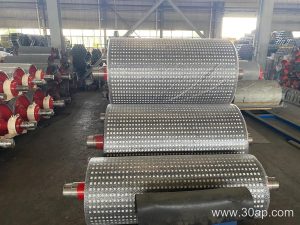
Manufacturing a conveyor pulley involves cutting, rolling, welding, machining, and balancing. Each stage adds cost in different ways. A shell rolled from a single plate and welded with full penetration costs more than a simple stitch-welded design, but it handles higher torque and fatigue better. Machining the shaft and hub to tight tolerances takes time on a lathe or milling machine. Dynamic balancing is another cost step, especially for high-speed pulleys. Lagging—rubber, ceramic, or polyurethane—adds material and labor cost, but it can improve traction and reduce belt slip. In a mineral-processing plant, the choice between a standard welded pulley and a heavier fabricated one often comes down to duty cycle: continuous operation with shock loads usually justifies the higher manufacturing cost.
Freight and Logistics: The Overlooked Cost Factor
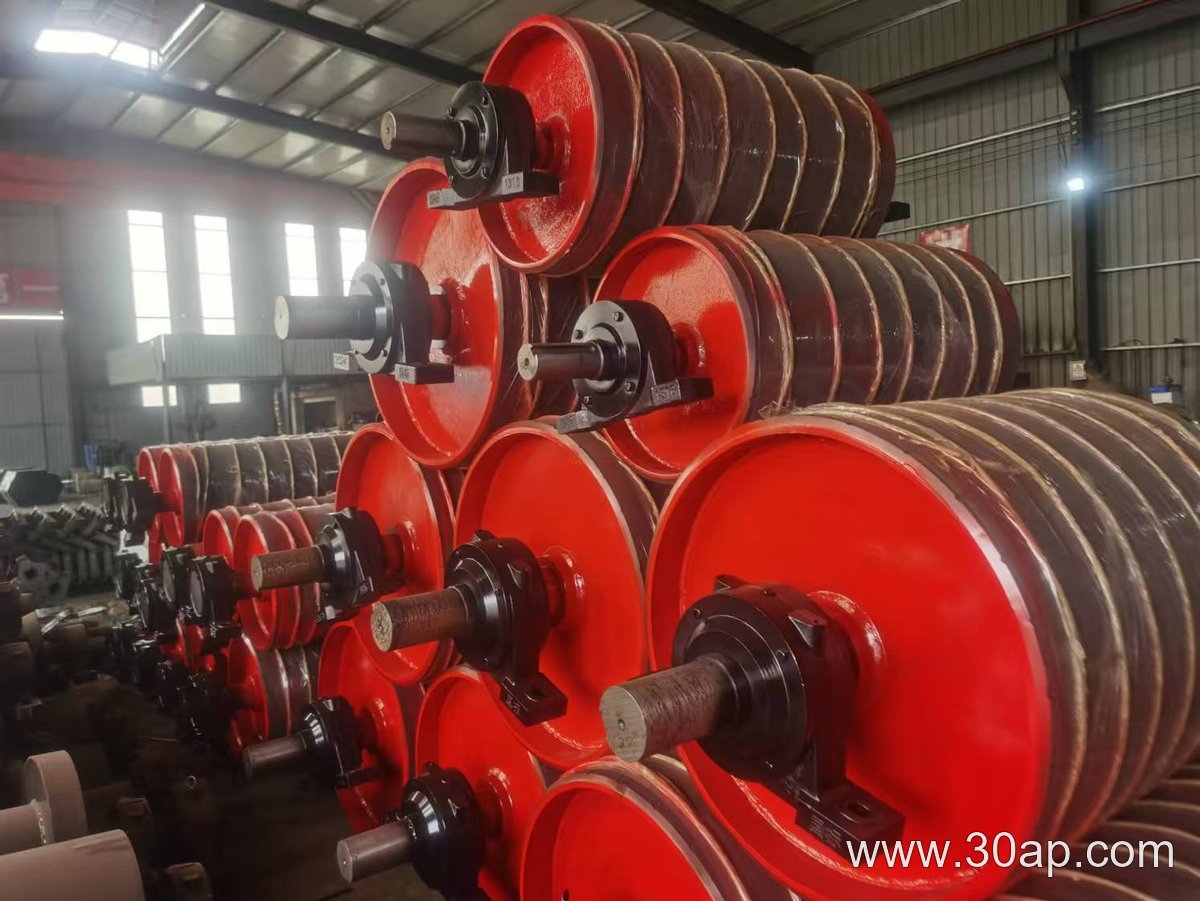
Freight is not just a line item; it can change the total landed cost of a conveyor pulley. A large-diameter, wide-face pulley is bulky and heavy. It may require special crating, a flatbed truck, or a crane for unloading. If the pulley is shipped overseas, ocean freight is charged by volume or weight, and the pulley’s dimensions may push it into a higher freight class. In a mineral-processing plant, receiving a pulley that is too large for the existing access route can force expensive rigging. Planning for freight early—by considering whether the pulley can be split into components or shipped in a standard container—can reduce cost without compromising performance. The cheapest pulley from a supplier may become the most expensive once freight, handling, and delays are included.
Should a Conveyor Bracket Be Welded or Bolted in a Dusty Quarry Application?
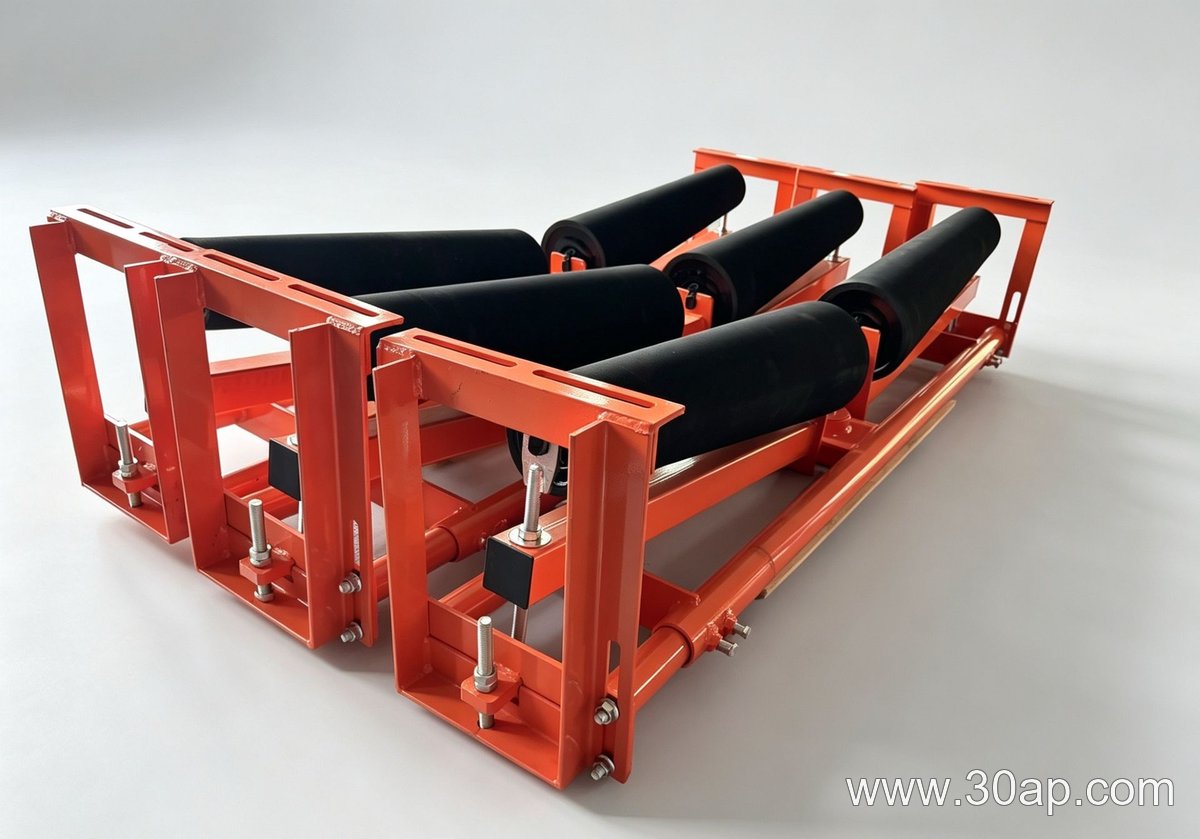
In a dusty quarry, where vibration and abrasive fines are constant, the choice between a welded and a bolted conveyor bracket is not merely a workshop preference. It affects installation speed, maintenance access, and long-term structural reliability. A welded conveyor bracket offers a stiff, monolithic connection that resists loosening, while a bolted conveyor bracket allows on-site adjustment and replacement without hot work. Neither is universally better; the right answer depends on how the bracket is loaded and how often it must be serviced.
How the Duty Cycle Influences the Connection Method
A conveyor bracket that supports idler rolls on a heavy-duty quarry conveyor experiences continuous dynamic loading. Welded joints distribute stress smoothly if the weld is properly sized and the heat-affected zone is controlled. However, welding on site introduces variables such as wind, dust, and operator skill. Bolted connections, by contrast, can be torque-controlled and inspected, but they rely on preload retention. In a vibrating environment, bolts can lose preload unless locking features or periodic re-torquing are included in the maintenance plan.
Engineering trade-offs to weigh
- Stiffness: A welded conveyor bracket usually provides greater rigidity, which helps maintain idler alignment.
- Serviceability: A bolted bracket can be removed individually, which is useful when a single support leg is damaged.
- Corrosion risk: Bolted joints create crevices where dust and moisture accumulate; welded joints eliminate that gap but may leave residual stresses.
- Installation conditions: In a dusty quarry, field welding may require fire watches and surface preparation, while bolting demands accurate hole alignment.
Practical Checks Before Choosing
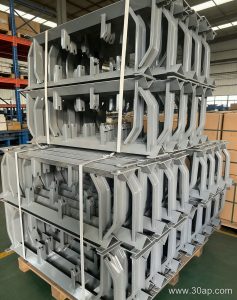
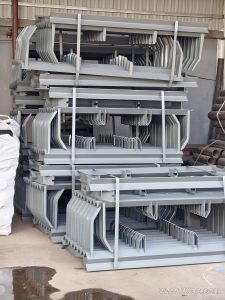
Start by confirming the bracket’s load path and the expected vibration amplitude. If the conveyor bracket is part of a modular support leg system, bolting may simplify future height changes. If the bracket is a fixed, permanent support under a high-impact transfer point, welding may be more appropriate. In either case, specify the surface finish and consider how abrasive dust will interact with the connection. A hypothetical project might use a bolted fixed conveyor bracket with hardened washers and a welded Q355 conveyor bracket for the primary impact zone; the mix depends on access and maintenance strategy.
FAQ
Can a bolted conveyor bracket loosen in a quarry? Yes, vibration can reduce bolt preload. Use appropriate locking methods and include torque checks in routine maintenance.
Is welding always stronger? Not necessarily. A poorly executed weld can be weaker than a correctly tightened bolted joint. Design and workmanship matter more than the method alone.
Conveyor Belt Material Trade-Offs in Wet Outdoor Conditions
A conveyor belt operating in a wet outdoor stockpile faces constant moisture, temperature swings, and abrasive bulk material. The choice of cover material and internal construction directly affects how long the belt lasts and how reliably it performs. This article examines common material options and their trade-offs, using a hypothetical wet outdoor conveyor to illustrate the decision process.
Rubber Cover Grades: Natural vs. SBR vs. Nitrile
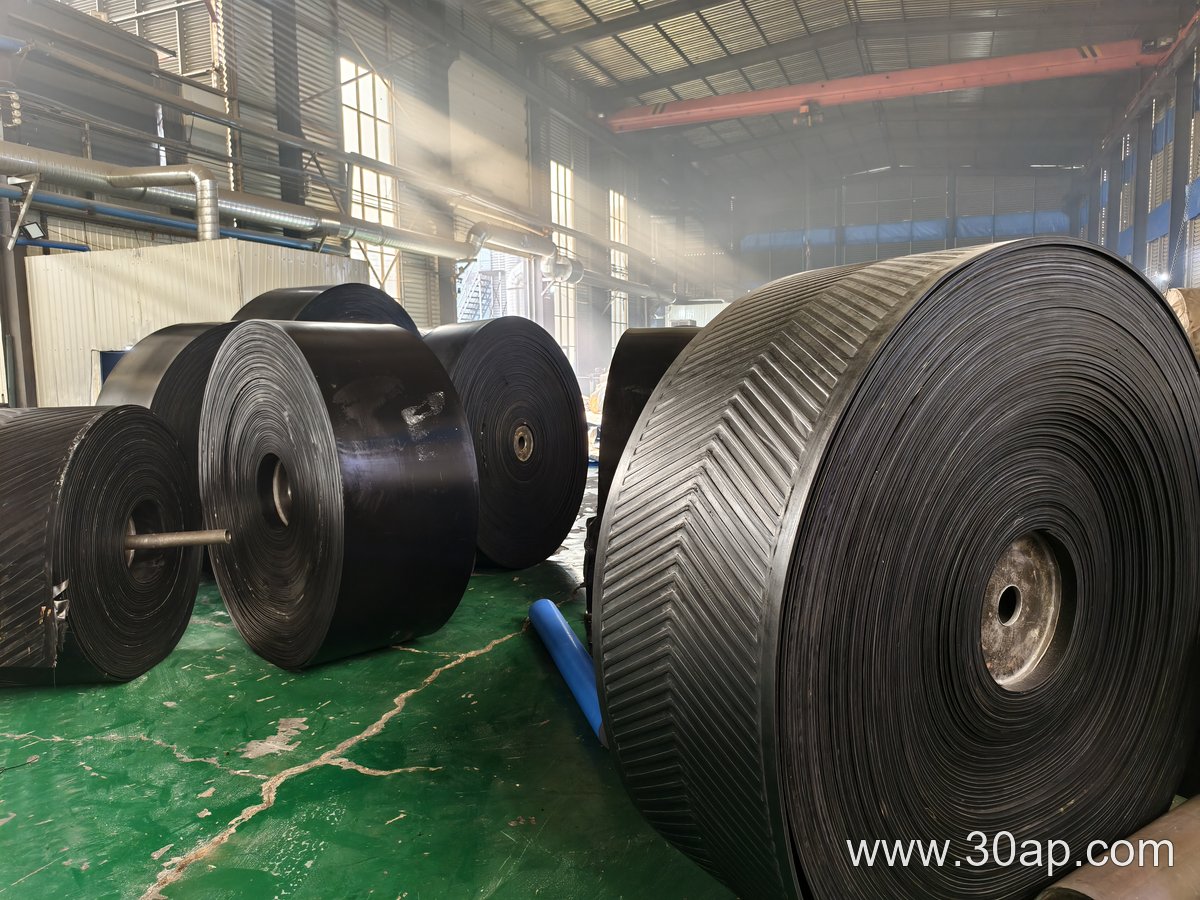
The cover is the conveyor belt’s first line of defense. Natural rubber offers excellent abrasion resistance and elasticity, making it a common choice for sharp, wet aggregates. However, it degrades faster under prolonged UV exposure and ozone. SBR (styrene-butadiene rubber) provides good abrasion resistance at a lower cost but has poorer resistance to oils and heat. Nitrile rubber excels in oily or greasy environments but is more expensive and slightly less abrasion-resistant than natural rubber. In a wet outdoor stockpile, natural rubber or a natural/SBR blend is often preferred for its balance of toughness and cost, provided UV protection is adequate.
Carcass Construction: Fabric vs. Steel Cord
The carcass provides strength and dimensional stability. Fabric plies (e.g., polyester-nylon) are flexible, resist impact well, and are easier to splice. They suit moderate tensions and are common in outdoor stockpiles. Steel cord belts offer higher tensile strength and lower elongation, ideal for long, high-tension conveyors, but they are heavier, require specialized splicing, and are more susceptible to corrosion if moisture penetrates. For a wet outdoor conveyor, fabric belts with proper edge protection may be more forgiving, while steel cord demands robust sealing against water ingress.
Trade-Offs and Practical Considerations
- Cost vs. durability: Higher-grade covers and steel cord increase upfront cost but may reduce downtime. In wet conditions, corrosion and hydrolysis can shorten life if construction is not suited.
- Flexibility vs. strength: Fabric belts handle smaller pulleys and impact better; steel cord belts handle higher tensions but need larger pulleys.
- Moisture resistance: Rubber compounds with low water absorption and protected carcass edges are critical outdoors.
No single material is best for every wet outdoor conveyor belt. The right choice depends on material size, moisture level, tension, and maintenance practices. A hypothetical example might use a 1400mm wide fabric belt with a natural rubber cover for a moderately abrasive, wet stockpile, but actual selection requires engineering analysis.
When a height limit dictates idler roller selection
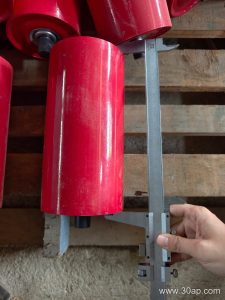
Imagine a hypothetical quarry conveyor that must carry 300 t/h of crushed aggregate on a 900 mm wide belt. The existing structure leaves only 500 mm from the belt line to the top of the frame. That single dimensional constraint—500 mm maximum height—drives every other choice about the idler roller, because a standard 152 mm diameter roller with a tall bracket may not fit. This is a parameter-driven selection problem, not a catalogue exercise.
Start with the constraint, then check the idler roller duty
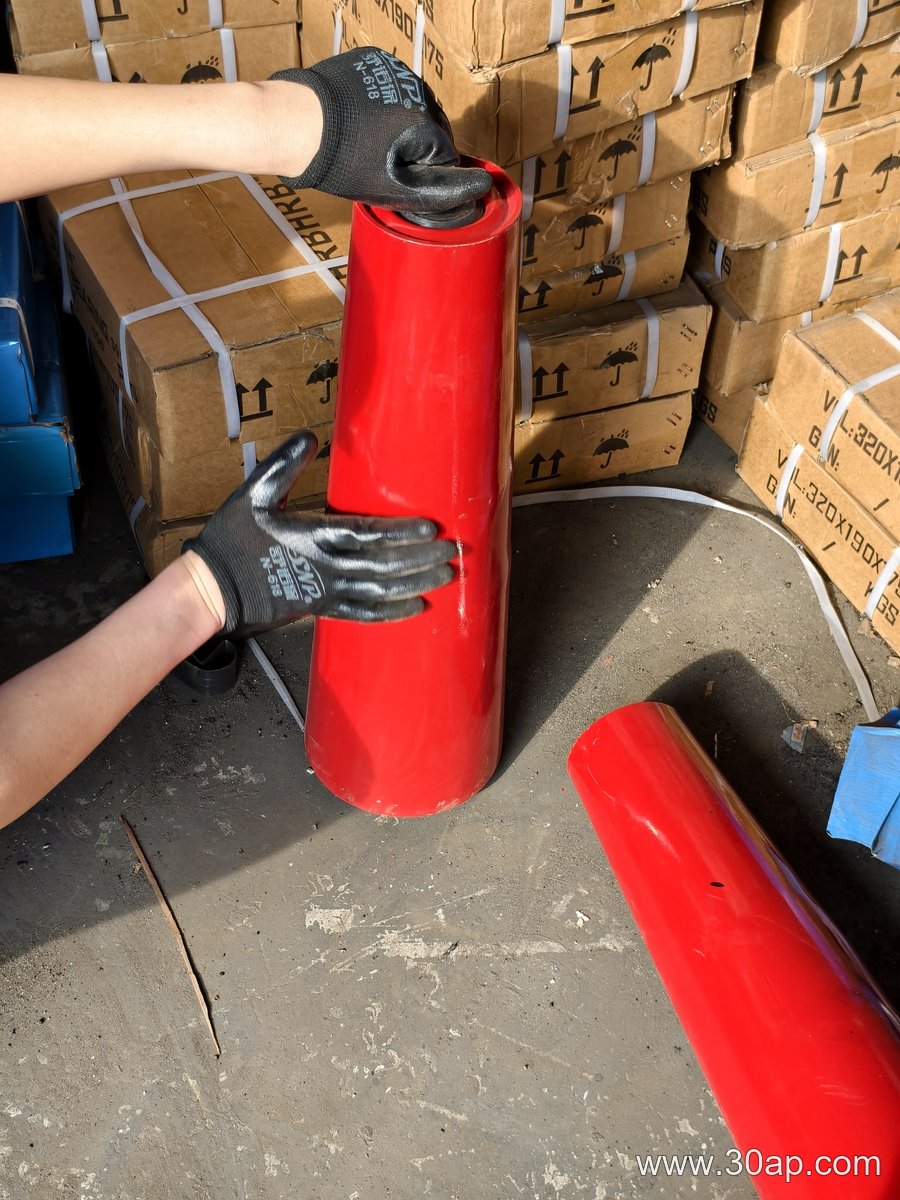
The 500 mm height limit forces you to consider a smaller diameter idler roller, such as 102 mm or 127 mm, and a low-profile mounting frame. But smaller diameter means higher rotational speed for the same belt speed, which affects bearing life and seal performance in abrasive dust. A compact checklist helps:
- Confirm the exact available height from belt underside to structure.
- Calculate required roller diameter from that height minus frame and bracket thickness.
- Check the resulting bearing speed and load rating for the 300 t/h duty.
- Choose a dust-resistant seal type suitable for quarry grit.
- Verify that the chosen idler roller still meets the belt width and trough angle.
Why the height limit changes bearing and seal choices
A 102 mm idler roller running at a typical belt speed of 2 m/s turns faster than a 152 mm roller at the same speed. That higher speed increases the risk of grease loss and dust ingress. In a dusty quarry, a labyrinth or contact seal is usually more appropriate than an open bearing cap. The smaller roller also has less internal volume for grease, so the relubrication interval may need to be shorter—or you may select a sealed-for-life idler roller designed for abrasive environments.
The practical outcome for this hypothetical project
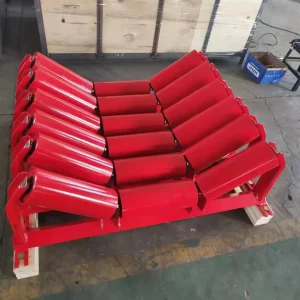
After working through the height constraint, the idler roller specification becomes a 102 mm diameter, 900 mm belt width, three-roll troughing set with low-profile brackets and labyrinth seals. The belt speed and load are checked against the bearing rating. This is not a universal answer; it is the result of one limiting dimension. In a different quarry with more clearance, a larger diameter idler roller might be the better choice for the same tonnage. The method stays the same: let the tightest constraint lead, then verify every other parameter against it.