What Drives the Cost of an Idler Roller?
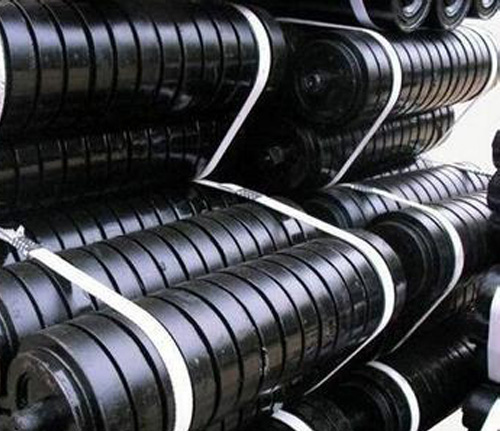
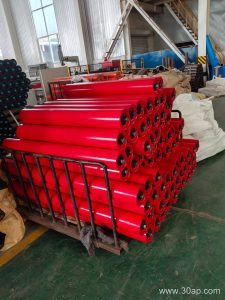
When budgeting for a conveyor line, a common question is: why do idler roller quotes vary so widely? A direct answer is that four main factors—materials, dimensions, manufacturing method, and freight—determine the final cost. Checking each factor against your application helps you compare offers fairly without assuming any specific price.
Materials: The Starting Point
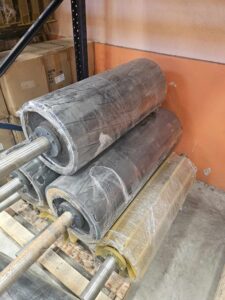
The tube, shaft, bearing housing, and seal materials set a baseline cost. A standard carbon steel idler roller costs less than one made from stainless steel or polymer. However, a stainless roller may last longer in a wet or corrosive general manufacturing line, reducing replacement frequency. Bearing type also matters: sealed precision bearings cost more than open bearings but resist dust and moisture better. When comparing quotes, list every material specified to avoid hidden differences.
Dimensions and Load Capacity
Larger diameter and longer face width generally require more material and stronger shafts, increasing cost. Wall thickness is another factor: a heavier wall adds stiffness for high loads but adds weight and expense. In a general manufacturing line, an idler roller that supports a light tote may not need the same dimensions as one under a heavy pallet. Specifying only the belt width and load without checking shaft deflection can lead to over- or under-designed rollers.
Manufacturing Method and Quality Control
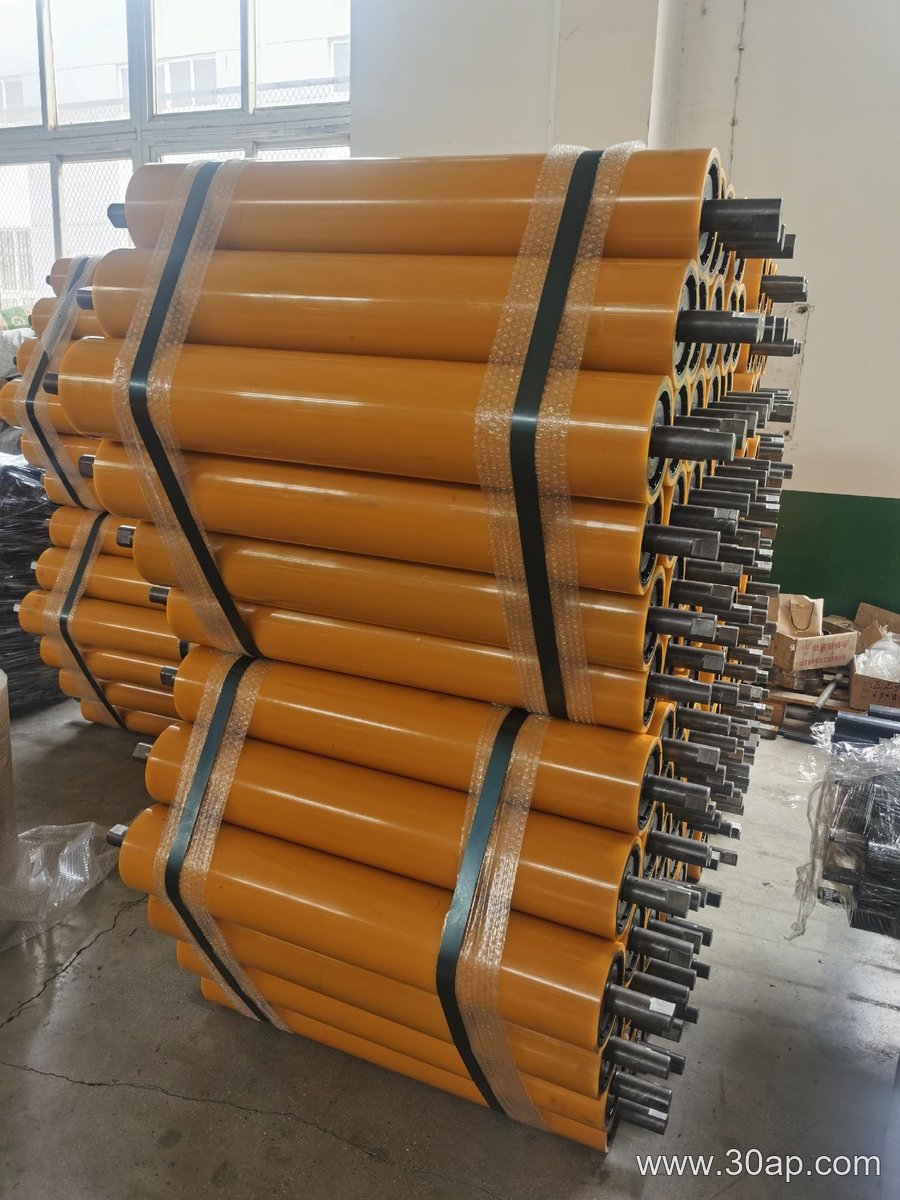
Manufacturing affects cost through labor, tooling, and inspection. A welded idler roller with machined ends costs more than a simple crimped design, but it often runs truer and lasts longer. Balance, runout, and concentricity checks add cost but prevent vibration and premature belt wear. Painting or coating adds another step. Ask whether the manufacturing process includes dynamic balancing or only static checks, as this changes both price and performance.
Freight and Logistics
Idler rollers are bulky and heavy relative to their value. Freight cost depends on package size, weight, distance, and mode. Shipping many rollers on a pallet is cheaper per unit than shipping a few in individual boxes. Import duties, handling, and last-mile delivery also add to the landed cost. When sourcing from a distant supplier, request a freight estimate early, because a low unit price can become expensive after shipping.
Balancing Cost and Fit
No single factor decides the best idler roller. A slightly higher material or machining cost may reduce downtime in a wet or dusty general manufacturing line. Use a checklist: material grade, dimensions, bearing seal, manufacturing tolerances, and freight terms. Compare total cost of ownership rather than unit price alone.
How Do You Read a Conveyor Pulley Specification Sheet?
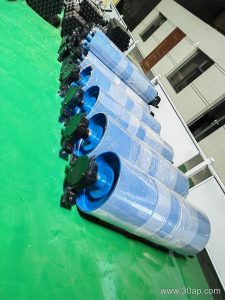
A conveyor pulley specification sheet is a set of labeled fields, each with a defined unit. Read it as a checklist of dimensions, loads and materials, not as a single rating. In a mineral-processing plant, where abrasive ore and fine dust are normal, the sheet tells you whether the pulley matches the belt width, shaft load and environment before you order.
Start with four checks: pulley diameter and face width against the belt; shaft diameter and bearing centers against the load path; lagging type and thickness against traction and wear; and material or surface treatment against corrosion and abrasion.
Diameter, Face Width and Belt Width
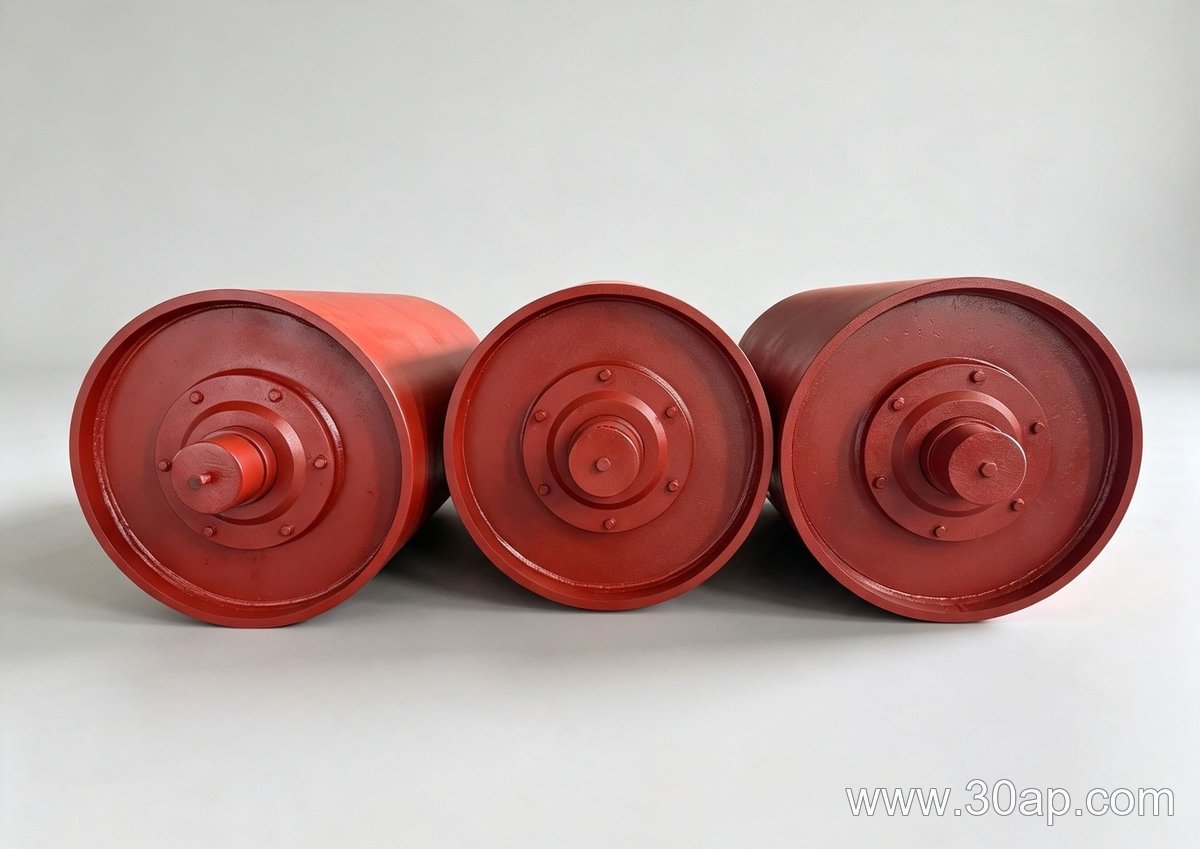
Diameter is given in millimeters or inches and is measured over the shell, excluding lagging unless stated. Face width is the cylindrical length of the shell. Belt width is a separate field. A face width slightly wider than the belt is common so the belt does not run off the edge, but the exact allowance belongs to the conveyor designer, not to a universal rule.
Shaft, Bearing Centers and Load Fields
- Shaft diameter: the journal size at the bearing seats, in millimeters.
- Bearing centers: the distance between bearing support points, which sets the bending span.
- Radial load: the force the pulley is designed to carry at the shaft, usually in kilonewtons.
- Torque or drive power: the transmitted duty at the drive pulley, in kilonewton-meters or kilowatts.
These fields interact. A larger shaft diameter or shorter bearing centers reduce bending stress for the same load. Do not read one field alone.
Lagging Fields
Lagging may be listed as plain rubber, ceramic rubber or diamond grooved. Thickness is given in millimeters. Hardness may appear in Shore A or D. For a head drive pulley in a wet, abrasive circuit, ceramic rubber lagging is often specified for grip and wear resistance; a bend pulley may use plain rubber. These are selection directions, not fixed ratings.
Materials and Surface Treatment
Shell and shaft material grades, plus any coating or painting system, indicate corrosion and abrasion resistance. A specification sheet should state the material standard and the treatment, but it does not certify performance by itself.
Reading the Sheet in Practice
Suppose a hypothetical mineral-processing plant lists a 1,000 mm belt, a 800 mm pulley diameter and a 1,200 mm face width. Check that the shaft diameter and bearing centers match the calculated load from the conveyor designer. Verify lagging type against wet or dry conditions. Confirm that every unit is consistent before comparing suppliers.
Conveyor Bracket Installation: A Step-by-Step Guide for Cement Plant Conveyors
When installing a conveyor bracket in a cement plant, the trade-off is clear: a bracket that is slightly misaligned may seem acceptable during a quick visual check, but it can cause belt mistracking, premature idler wear, and spillage once material flow begins. Proper installation is not about speed; it is about precision at every stage—from preparation to commissioning. This guide outlines the key steps to install a conveyor bracket correctly, using a hypothetical cement plant conveyor as an illustrative context.
Preparation: Before the Bracket Meets the Frame
Preparation begins with verifying that the conveyor structure is ready for the bracket. Check the frame for straightness and levelness; any distortion from welding or previous damage will transfer to the bracket. Gather the correct hardware, shims, and tools. Ensure the bracket matches the drawing—dimensions, hole patterns, and material grade. In a cement plant, dust and debris can accumulate on mounting surfaces, so clean these areas to ensure metal-to-metal contact. Mark the mounting positions according to the engineering drawing. If the bracket is a direct sale conveyor bracket manufacturer’s product, confirm that any supplied fasteners are compatible with the frame material to avoid galvanic corrosion.
Mounting: Secure but Not Over-Tightened
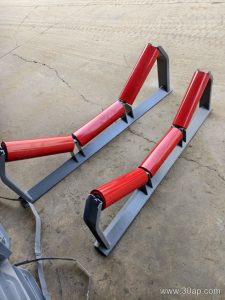
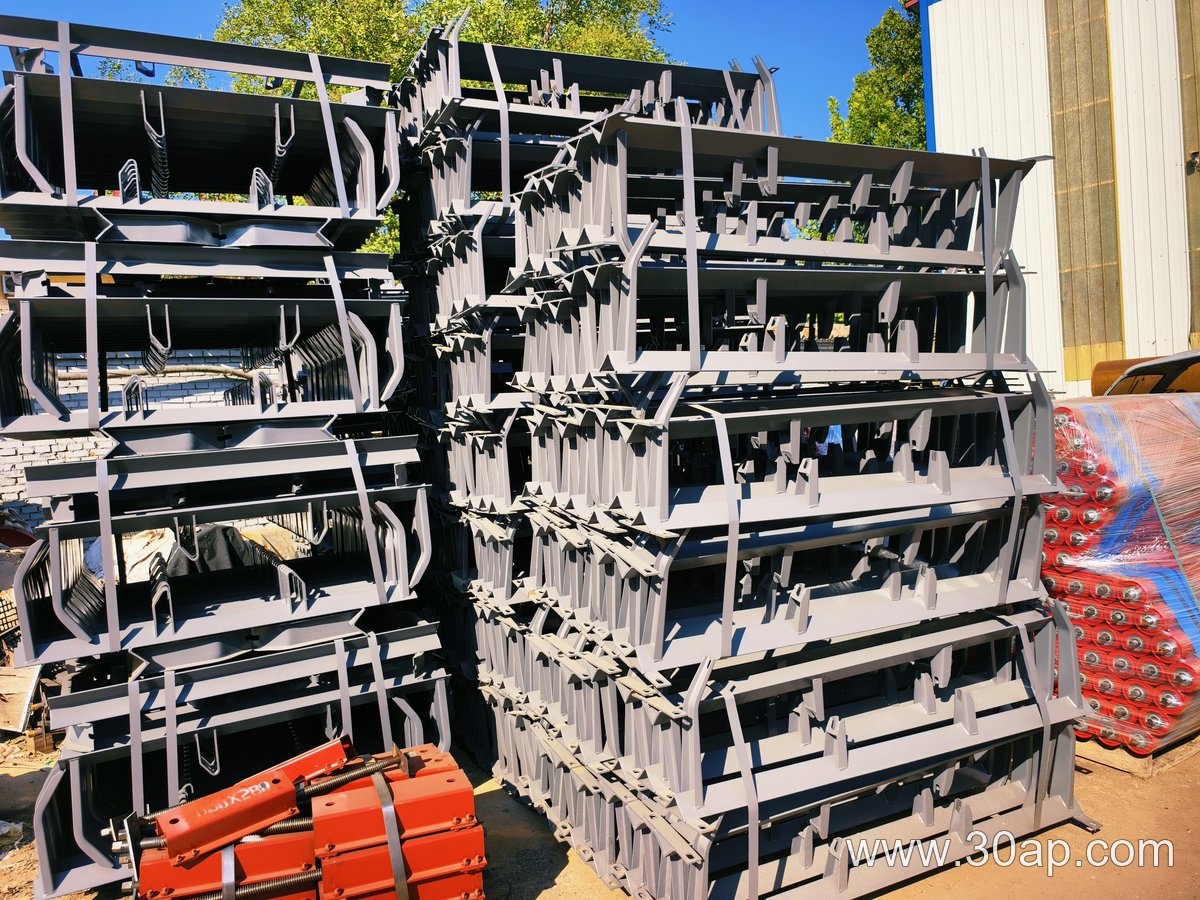
Mount the conveyor bracket using the specified bolts and torque values. Start with the bolts finger-tight to allow for adjustment. Use shims where necessary to achieve the correct elevation and tilt. Avoid over-tightening, which can deform the bracket or strip threads. For four-roll idler bracket installations, ensure all four mounting points are engaged before final tightening. Work sequentially, tightening bolts in a diagonal pattern to distribute load evenly. After mounting, recheck that the bracket sits flush against the frame.
Alignment: The Critical Step for Belt Tracking
Alignment determines how well the conveyor bracket will support the idler rolls and guide the belt. Use a laser alignment tool or a taut string line to check that the bracket is square to the conveyor centerline. The bracket face should be perpendicular to the belt travel direction. For troughing idlers, verify that the wing rolls are at the correct angle. Misalignment at this stage is a common cause of belt drift. Adjust the bracket position by loosening bolts slightly, tapping into place, and re-tightening. Repeat for each bracket along the conveyor, ensuring consistent alignment across the entire length.
Commissioning Checks: Before Full Load
After installation, run the conveyor empty for a short period. Observe the belt for tracking; it should stay centered on the idler rolls. Listen for unusual noises—rubbing, squealing, or knocking—which may indicate misalignment or loose hardware. Check that the bracket does not interfere with moving parts. Then, gradually introduce material load, monitoring belt behavior. If mistracking occurs, stop and re-align the bracket. Finally, after a few hours of operation, re-torque all bolts to the specified values, as vibration can cause loosening. Document the installation and any adjustments for future maintenance reference.
How to Specify a Conveyor Belt for a Mineral-Processing Plant Using Applicable Standards and Grades
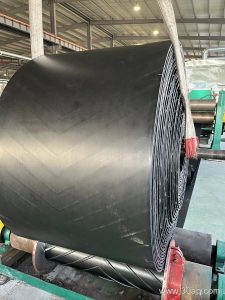
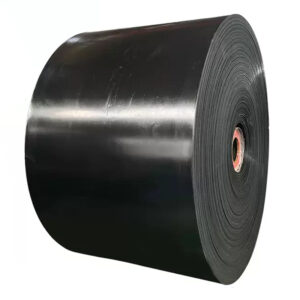
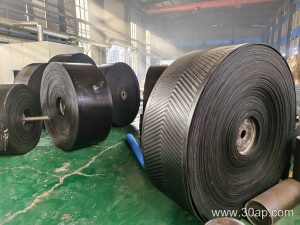
Many people assume that a conveyor belt is just a rubber band selected by width and length. In a mineral-processing plant, where crushed ore, dust, and heavy loads are constant, that misconception leads to premature failure. A conveyor belt is an engineered composite, and its suitability depends on standards and grades that define performance under specific conditions. This article explains the purpose and scope of relevant standards and grades, so you can ask better questions without assuming certification or inventing clauses.
Why standards and grades matter for conveyor belts
Standards provide test methods and accepted criteria for properties such as tensile strength, elongation, abrasion resistance, and flame retardancy. They do not, by themselves, guarantee a belt will work in every plant. Grades, on the other hand, are classifications within a standard or manufacturer system that group belts by performance level. For a mineral-processing plant, the goal is to match the grade to the duty: abrasive ore, high impact, or potential fire risk. A belt that meets a standard for general use may still be wrong for a primary crusher discharge.
Common standards and what they cover
International standards such as ISO 15236 and EN 12882 are often referenced for conveyor belts in bulk material handling. They describe dimensions, tensile strength classes, and cover properties. For example, ISO 15236-1 covers steel-cord belts, while EN 12882 addresses safety requirements for different belt types. In addition, ASTM D378 and D5963 provide test methods for abrasion and tensile properties. These standards help compare belts from different suppliers on a common basis. They do not replace a full engineering review of the conveyor system.
Understanding cover grades and their limits
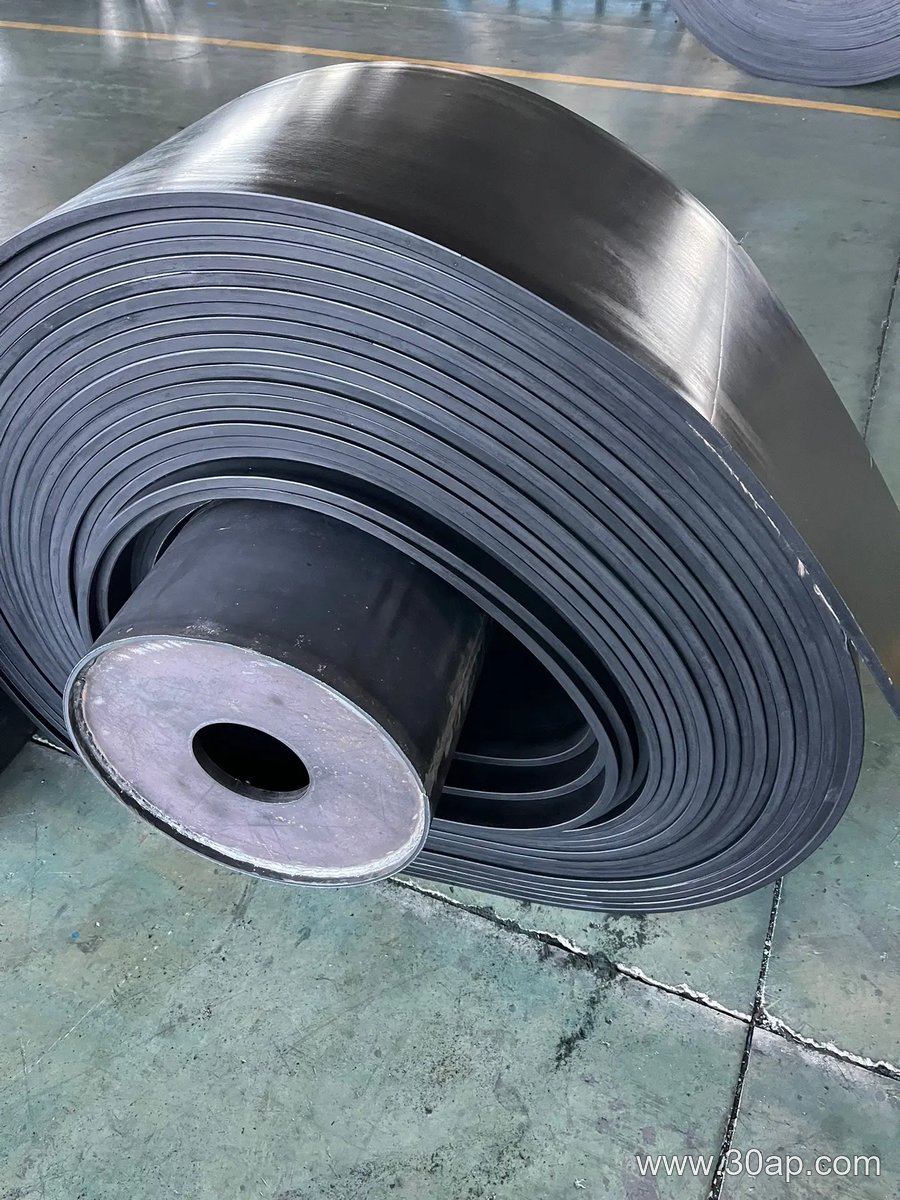
Cover grades are usually expressed as a letter or a class, such as DIN 22102 grades (e.g., Y, W, X) or RMA grades (e.g., Grade I, II). These grades indicate abrasion resistance and, in some cases, oil or heat resistance. A higher grade may last longer in abrasive service, but it is not automatically the best choice. For instance, a very hard cover can be more prone to cracking under flexing. In a mineral-processing plant, a grade with a balance of abrasion resistance and flexibility is often more practical for a long overland conveyor belt.
Flame retardancy: scope and realistic expectations
Flame retardant conveyor belts are governed by standards such as EN 12882 or MSHA’s 30 CFR Part 18 for underground mining. These standards define test methods for flammability, but they do not certify a belt for all fire conditions. A flame retardant grade reduces the risk of fire propagation, yet it cannot prevent ignition from a sustained heat source. In a mineral-processing plant, flame retardant belts are typically specified for enclosed galleries or areas with combustible dust. The standard’s scope is limited to the test conditions; it is not a guarantee of fire safety in every scenario.
How to use standards and grades in specification
- Identify the maximum lump size, drop height, and material temperature.
- Determine the required tensile strength based on the conveyor’s calculated tension.
- Select a cover grade that matches the abrasion and impact conditions.
- Check if flame retardancy is required by local codes or insurance.
- Request test reports that reference the applicable standard, not just a claim of compliance.
These steps help you avoid over- or under-specifying a conveyor belt. They also make it easier to compare offers from different suppliers on a like-for-like basis.
Frequently asked questions
Does a belt that meets a standard automatically fit my plant?
No. A standard defines minimum performance or test methods. Your plant’s duty cycle, layout, and environment determine whether that performance is sufficient.
What is the difference between a standard and a grade?
A standard is a document that specifies requirements or test methods. A grade is a category within a standard or a manufacturer’s system that indicates a level of performance, such as abrasion resistance.
Can I use a flame retardant conveyor belt in any area?
Flame retardant grades are designed to reduce fire propagation under specific test conditions. They are not a substitute for proper fire detection, suppression, or housekeeping. Always check local regulations for the intended application.
By focusing on the purpose and scope of standards and grades, you can specify a conveyor belt that matches the real demands of a mineral-processing plant without relying on assumptions or unverified claims.