Idler Roller Material Trade-offs in Cement Plant Conveyors
In a cement plant, an idler roller must survive abrasive dust, high loads, and temperature swings. Two common material choices are polymer (often HDPE or UHMWPE) and steel. Each presents a distinct balance between application fit and purchasing cost. This comparison helps procurement teams decide based on duty rather than upfront price alone.
Polymer Idler Rollers: When Light Weight and Corrosion Resistance Matter
Polymer idler rollers are typically lighter than steel, which reduces belt load and makes manual handling easier. They resist corrosion from washdown or humid conditions and can offer quieter operation. However, polymers may deform under high temperature or continuous heavy impact, and their load capacity is generally lower than steel. In a cement plant, polymer rollers suit lighter conveyor sections, secondary belts, or areas where corrosion is a bigger threat than abrasion.
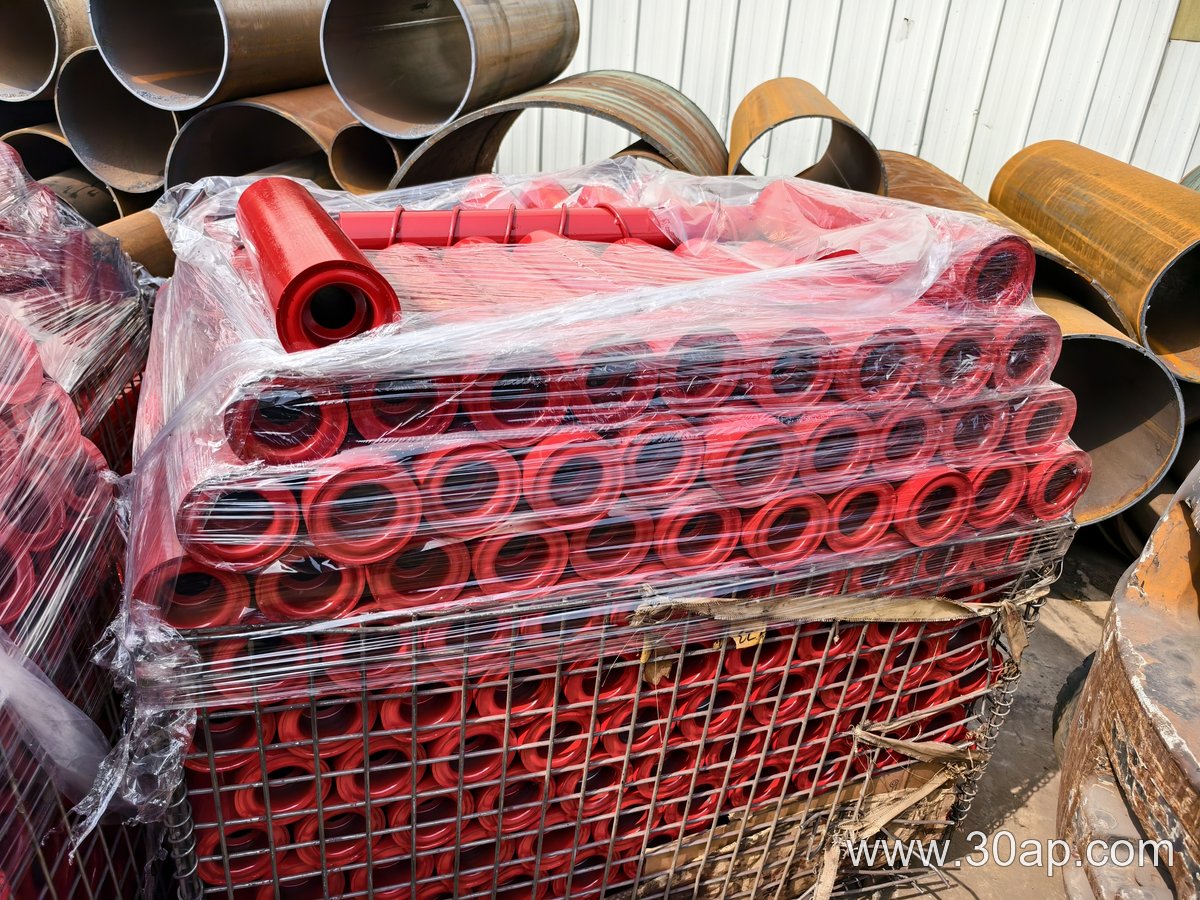
Steel Idler Rollers: Durability and Cost Structure
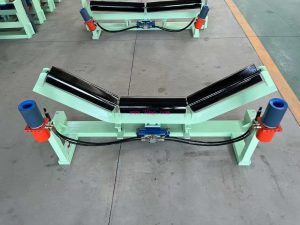
Steel idler rollers handle high radial loads and resist impact from large clinker lumps. They are often the default for primary haulage conveyors. The trade-off is weight, potential corrosion unless coated, and higher noise. Purchasing cost for steel rollers can be lower in raw material terms, but total cost depends on bearing quality, sealing, and replacement frequency. In dusty cement environments, steel rollers with effective labyrinth seals often outlast cheaper alternatives.
Balancing Application Fit and Purchasing Cost
- Load and speed: Steel rollers are preferred for high-load, high-speed primary conveyors; polymer rollers work on lighter duty.
- Environment: Polymer resists corrosion; steel needs coating or stainless options in wet areas.
- Maintenance: Lighter polymer rollers reduce handling effort, but steel rollers may tolerate more abuse.
- Upfront vs. lifecycle cost: A lower purchase price can be offset by shorter service life if the material does not match the duty.
For procurement, the key is to match the idler roller material to the actual conveyor segment. In a cement plant, that often means steel rollers on the main clinker line and polymer rollers on auxiliary or dusty but lower-load belts. A hypothetical evaluation might compare a 100 m conveyor with 20 idler rollers: choosing polymer where loads are under 50 kg per roller could reduce belt tension and energy use, while steel remains necessary for 150 kg per roller. These values are illustrative only; actual selection requires engineering review of load, speed, and environment.
Wing Pulley vs. Rubber-Lagged Drum Pulley: A Practical Comparison
In a mineral-processing plant, a conveyor pulley must survive abrasive ore, fine dust, and frequent washdown. Two common subtypes—the wing pulley and the rubber-lagged drum pulley—solve different problems. Choosing the wrong one can lead to belt misalignment, premature wear, or material buildup. This comparison outlines their benefits, limitations, and suitable conditions.
Wing Pulley: Self-Cleaning but Limited Grip
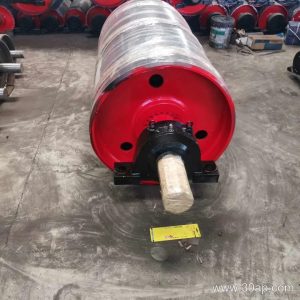
A wing pulley has angled steel fins welded around a central shaft. The open design sheds sticky material before it can pack between the pulley and belt. Benefits include excellent self-cleaning, reduced material carryback, and lighter weight than a solid drum. However, the fins offer less belt contact area, so traction is lower. Under high tension or wet conditions, the belt may slip. Wing pulleys also tend to vibrate more, and the exposed fins can bend if large tramp metal passes through. They suit the tail position on belts carrying damp, sticky ores where buildup is the main enemy.
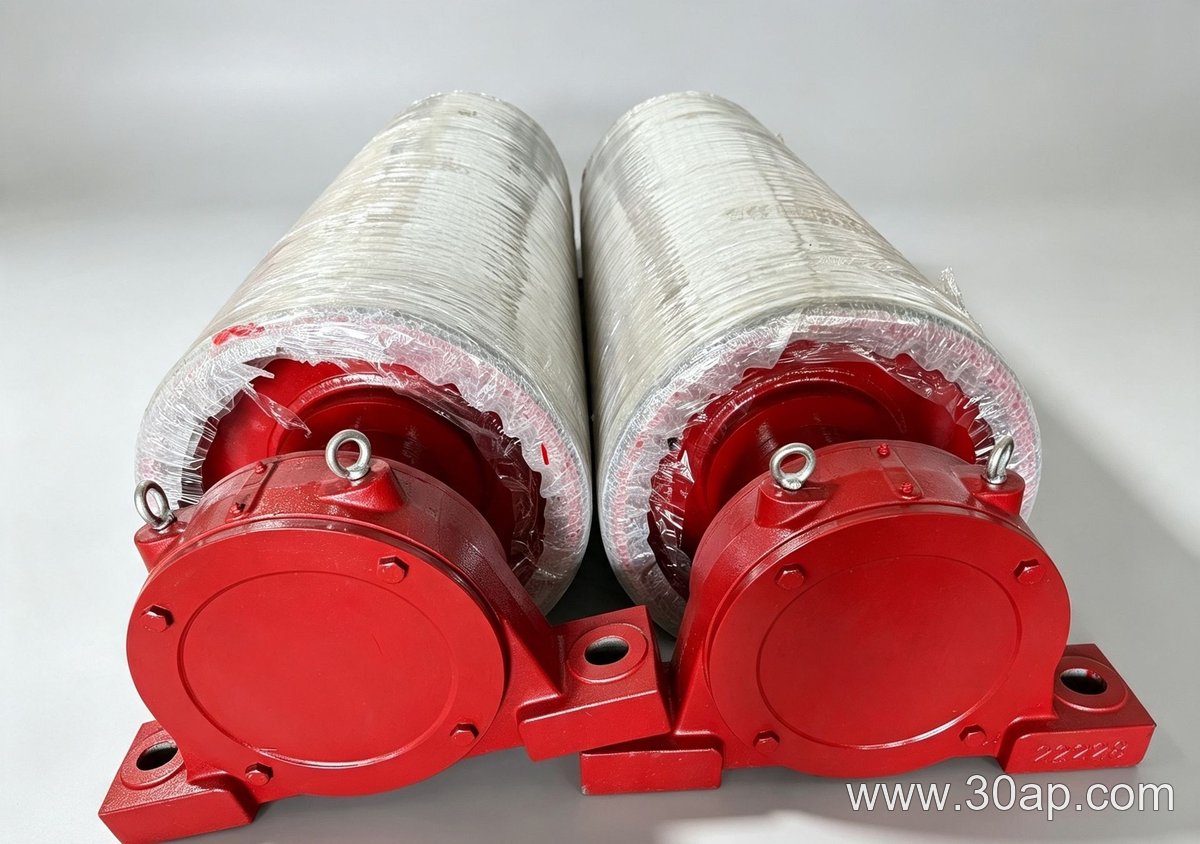
Rubber-Lagged Drum Pulley: High Grip but Requires Cleanliness
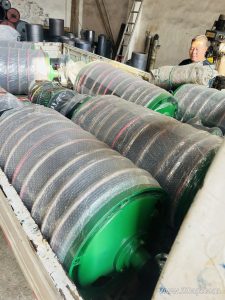
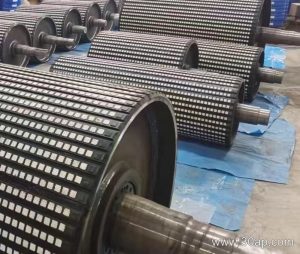
A rubber-lagged drum pulley is a solid cylinder covered with a rubber or synthetic lagging. The lagging increases friction, protects the pulley shell from abrasion, and reduces belt slippage. Benefits include higher torque transmission, quieter operation, and better belt tracking. Limitations: the smooth surface can collect wet, fine material, forming a slippery layer that defeats the lagging. Rubber also degrades faster in high heat or oil exposure. This pulley is best for drive positions on relatively dry, clean belts where maximum grip and long shell life matter.
Matching the Pulley to the Plant Condition
In a mineral-processing plant, the decision often comes down to position and material. For a hypothetical copper concentrator, a wing pulley might be chosen for the tail pulley on a wet, sticky ore belt, while a rubber-lagged drum pulley would serve as the head drive pulley on a drier, cleaner product belt. Neither subtype is universally superior; each trades one advantage for another. Consider belt speed, loading, moisture, and maintenance access before specifying a conveyor pulley. When in doubt, consult the pulley manufacturer with your actual operating data.
Why Manufacturing Steps Matter for a Conveyor Bracket in Wet Conditions
A conveyor bracket on a wet outdoor conveyor faces constant moisture, temperature swings, and abrasive runoff. Two brackets with identical dimensions can perform very differently if their manufacturing processes differ. The production stages—cutting, forming, welding, hole preparation, and surface treatment—directly shape how well the bracket resists corrosion, fatigue, and loosening over time.
Cutting and Forming: Setting the Starting Geometry
Laser or plasma cutting creates the flat pattern of a conveyor bracket. A rough cut edge with dross or micro-cracks can become a corrosion initiation site in wet service. Subsequent forming—typically bending or pressing—introduces residual stresses. If the bend radius is too tight relative to plate thickness, the outer fiber may develop small tears that later grow under vibration. A controlled bend radius and stress-relief where appropriate improve fatigue life.
Welding: The Critical Joint
Most conveyor brackets are welded assemblies. Weld quality affects both strength and corrosion resistance. Incomplete fusion, undercut, or porosity reduce load-bearing area and trap moisture. For a wet outdoor conveyor, welds should be continuous where water can collect, not intermittent stitch welds that leave crevices. Post-weld cleaning—removing slag and spatter—helps coatings adhere evenly.
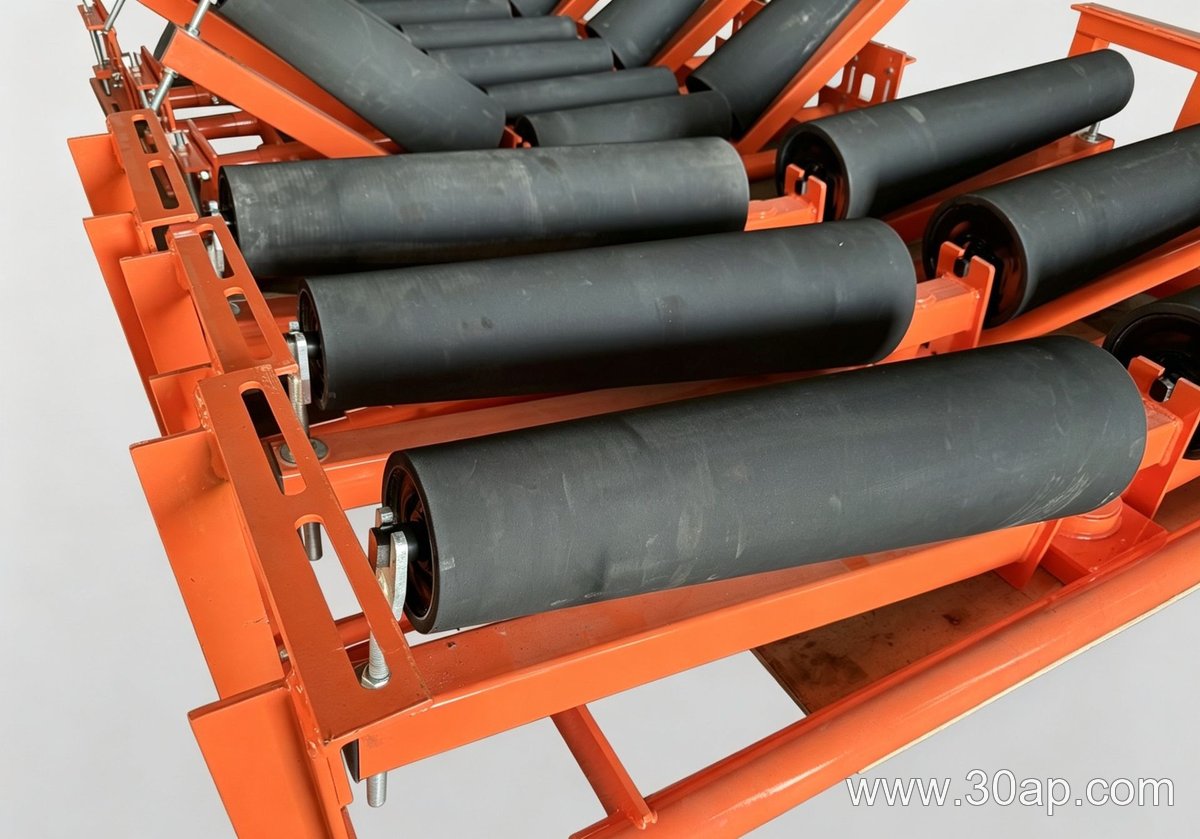
Hole Preparation and Fit-Up
Holes for mounting bolts are often punched or drilled. Punched holes can have a slight taper and a harder edge; drilled holes are more uniform. In either case, deburring matters. A sharp burr under a bolt head creates a stress riser and a gap where water sits. Proper deburring and chamfering allow the bolt to seat flat, improving joint stiffness and reducing the chance of loosening.
Surface Treatment: The Final Barrier
For wet outdoor service, hot-dip galvanizing or a suitable paint system is common. Galvanizing thickness and adhesion depend on surface preparation before dipping. Residual oil, rust, or weld fume can cause bare spots or flaking. A well-prepared conveyor bracket with uniform coating lasts longer because the coating sacrifices itself before the steel corrodes.
In summary, each manufacturing stage contributes to the finished quality of a conveyor bracket. For a wet outdoor conveyor, attention to cut quality, bend radius, weld continuity, hole deburring, and coating preparation is not optional—it is the difference between a bracket that survives and one that fails early. These examples are illustrative; actual project requirements should be confirmed with a qualified engineer.
What determines the cost of a conveyor belt?
If you are budgeting for a conveyor belt, the final figure is not a single list price. It is the sum of several interconnected choices: the cover compound and carcass, the belt’s width and length, the manufacturing method, and the freight required to move it to your site. Each factor can shift the total significantly, so understanding them helps you compare quotes fairly and avoid over- or under-specifying.
Material selection: cover compound and carcass
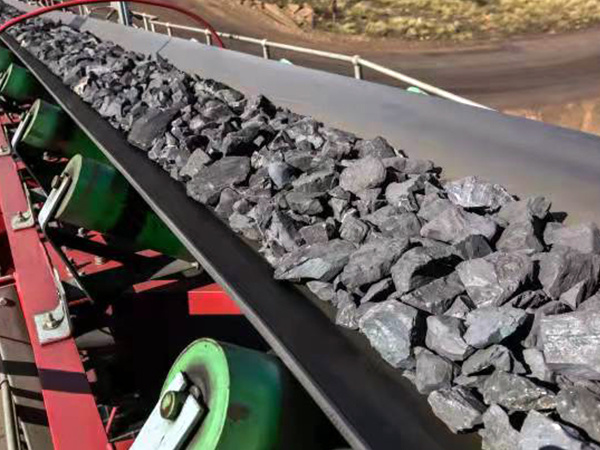
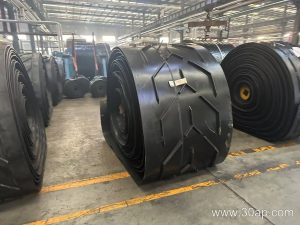
The material of the conveyor belt is the first major cost lever. A standard rubber cover suited to general conveying costs less than a heavy-duty, abrasion-resistant compound or a cold-resistant grade for outdoor use. The carcass—whether fabric plies, steel cord, or solid woven—also changes the base price. More plies or higher-tensile synthetic fabrics increase strength but add cost. For a wet outdoor conveyor, you might need a cover that resists hydrolysis and UV degradation, which typically carries a premium over a basic indoor belt.
Dimensions and construction
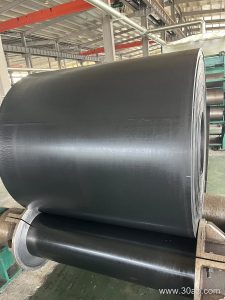
Width and length are obvious drivers: a wider or longer conveyor belt uses more raw material. Thickness matters too—thicker covers last longer in abrasive service but cost more per meter. The number of plies and the type of edge (cut edge vs. molded edge) also affect manufacturing complexity. A belt with a molded edge, for example, may cost more but offers better protection against fraying in wet conditions.
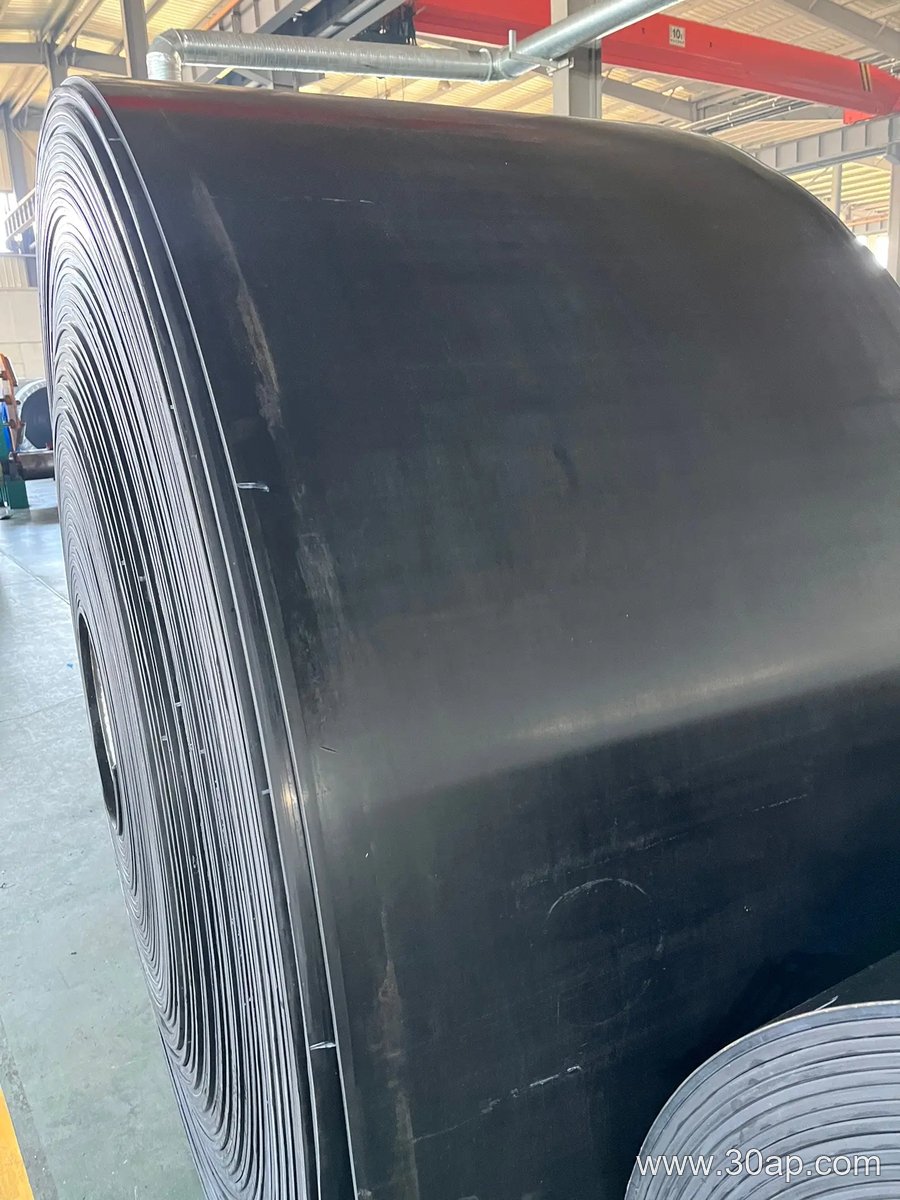
Manufacturing method and splice
How the conveyor belt is made influences labor and tooling costs. Vulcanized splices are stronger and more durable than mechanical fasteners, but they require specialized equipment and skilled labor, especially for on-site installation. A belt supplied in a continuous loop with a factory splice may cost more upfront but reduce downtime. Conversely, an open-ended belt shipped with mechanical fasteners is cheaper to produce but may need more frequent maintenance.
Freight and logistics
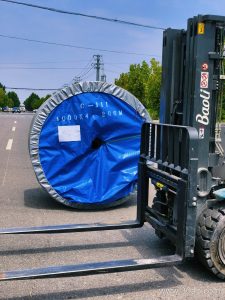
Freight is often overlooked. A heavy-duty conveyor belt is bulky and heavy; shipping costs depend on distance, weight, and whether the belt is coiled or crated. For a wet outdoor conveyor, you may also need moisture-resistant packaging, which adds cost. Import duties, handling, and the risk of damage in transit can further raise the landed cost. Always request a freight estimate alongside the belt price.
Practical checks before you buy
- Confirm the actual operating conditions: wet, outdoor, abrasive, or cold.
- Ask for the cover grade and carcass specification in writing.
- Compare quotes on a landed-cost basis, including freight and packaging.
- Clarify whether the splice is included and who performs it.
No single factor decides the cost of a conveyor belt. By understanding how material, dimensions, manufacturing, and freight interact, you can specify a belt that meets your needs without paying for unnecessary features.