Conveyor Belt Selection and Purchasing Guide
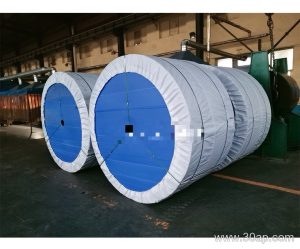
A conveyor belt is the core of any material handling system. Match cover compound, carcass, and splice to your load, speed, and environment.
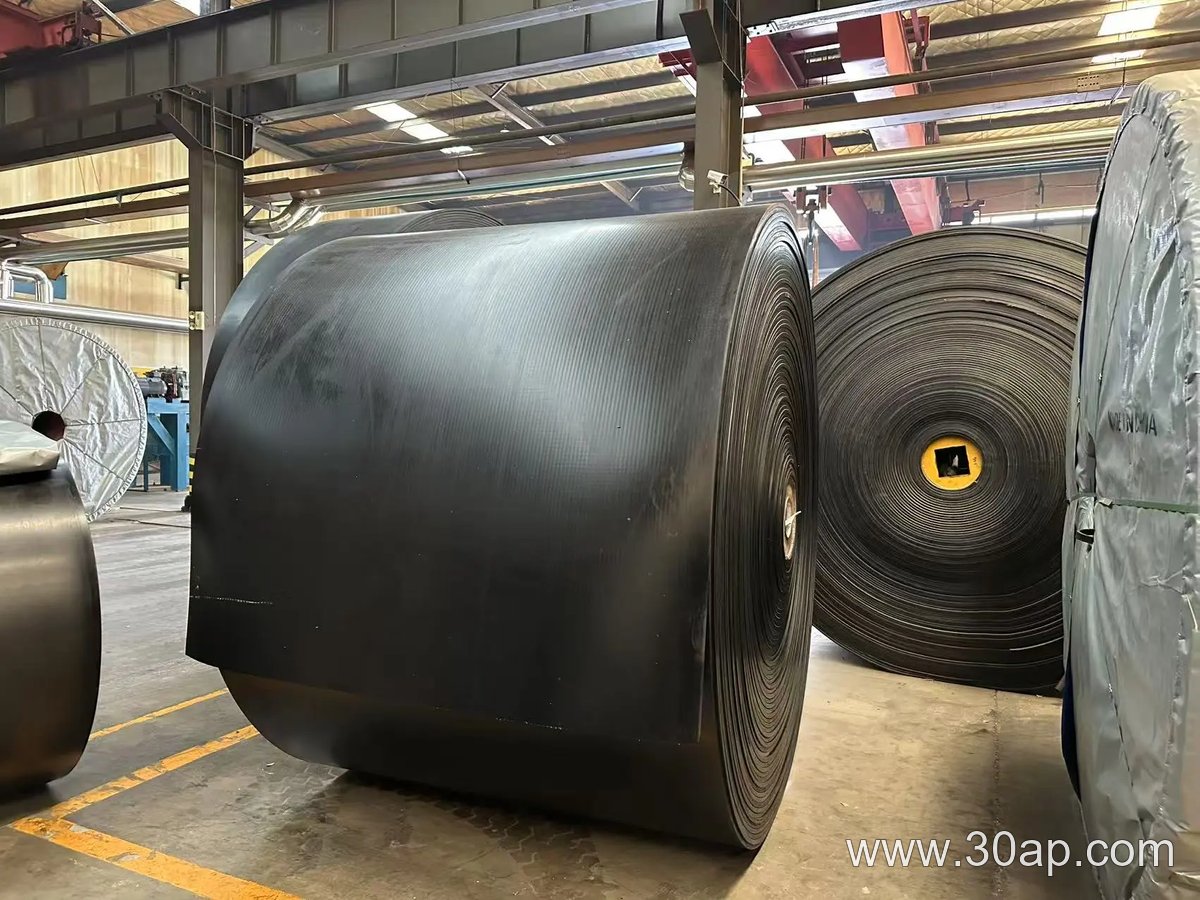
Key Selection Factors
- Load weight and belt width
- Temperature and chemical exposure
- Cleat, sidewall, or smooth surface
Purchasing Advice
- Verify tensile strength and elongation
- Confirm food-grade or fire-resistant ratings
- Request splice and pulley data
Buy from suppliers offering test reports, spare belts, and export packaging.
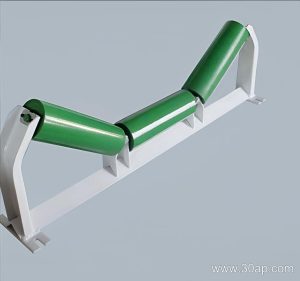
Idler Roller Selection and Purchasing Guide
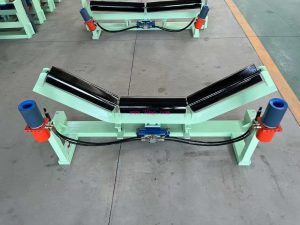
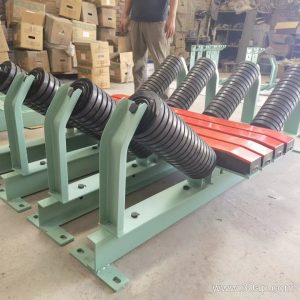
An idler roller is a free-spinning cylinder that supports and guides conveyor belts without driving them. Choosing the right unit reduces belt wear, downtime, and energy costs in bulk material handling.
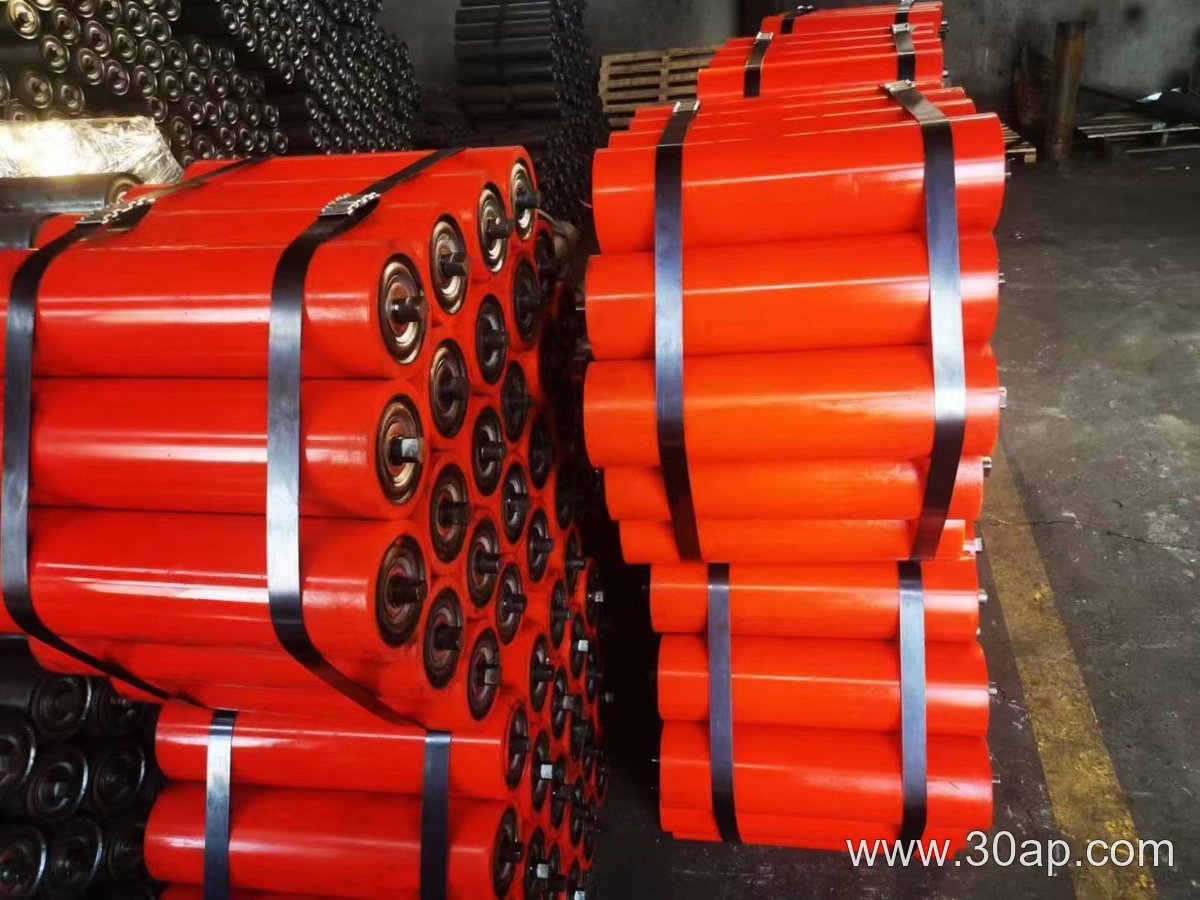
Key Selection Factors
- Load capacity and belt width
- Roller diameter and wall thickness
- Bearing type and sealing for dust or moisture
- Material: steel, stainless, or polymer
- Mounting style and shaft configuration
Purchasing Advice
Match the idler roller to your operating environment, verify dynamic load ratings, and request test data for bearing life. Standardized sizes simplify replacement and lower long-term inventory costs.
Conveyor Pulley Essentials
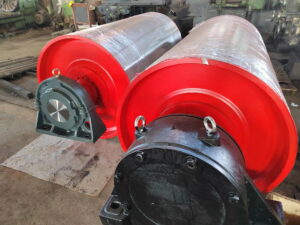
A conveyor pulley drives or redirects the belt, so choose drum, wing, or magnetic type by duty and environment.
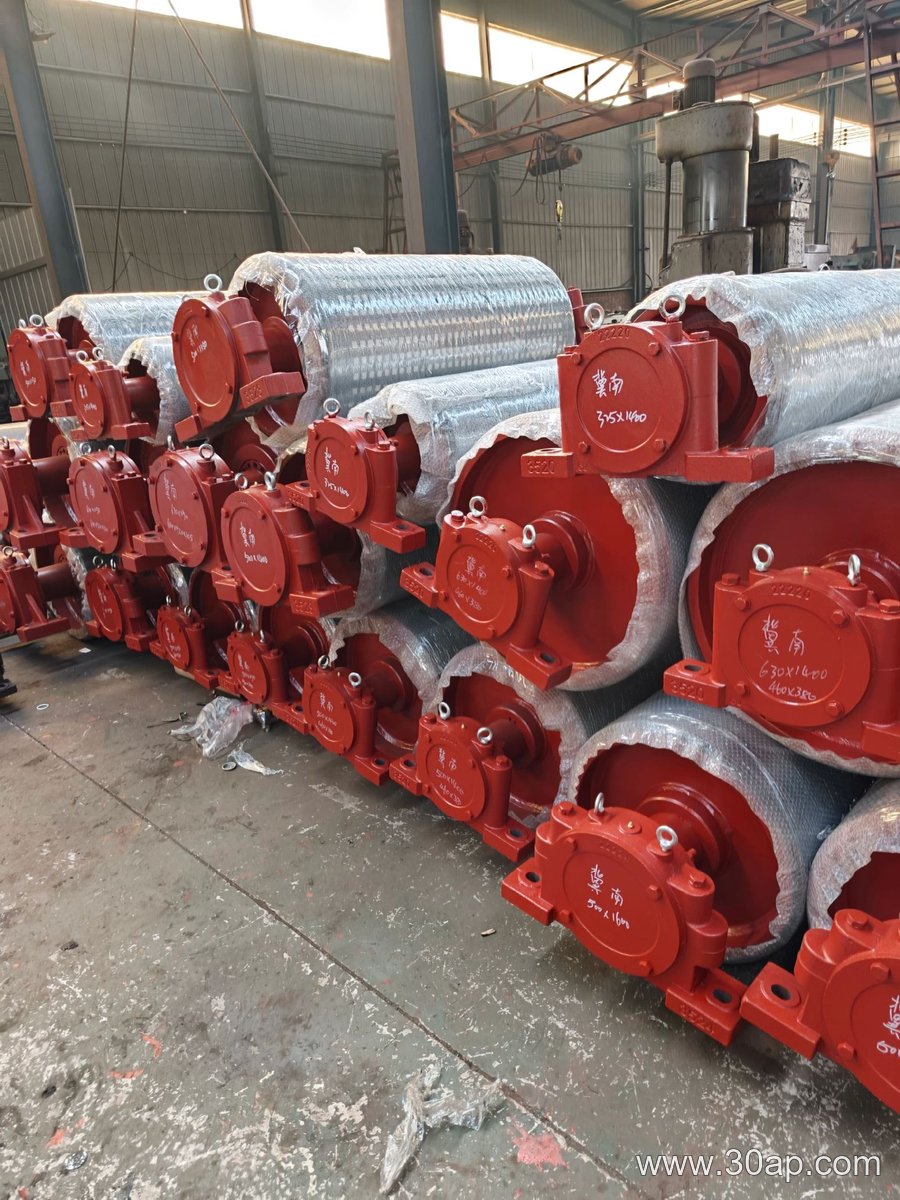
Selection Factors
- Match diameter, face width, and shaft to belt tension.
- Specify lagging for grip; use wing type for sticky material.
- Check balance, bearing fit, and corrosion protection.
Purchasing Advice
Request load calculations, weld certs, and dynamic balance reports. Compare lead time, warranty, and spare-part availability before ordering.
Conveyor Bracket: The Unsung Hero of Material Handling
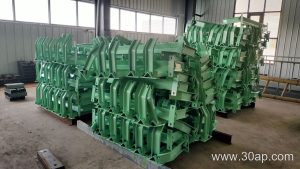
A conveyor bracket is the structural anchor that keeps rollers, idlers, and frames aligned under load. Choosing the right bracket prevents belt misalignment and costly downtime.
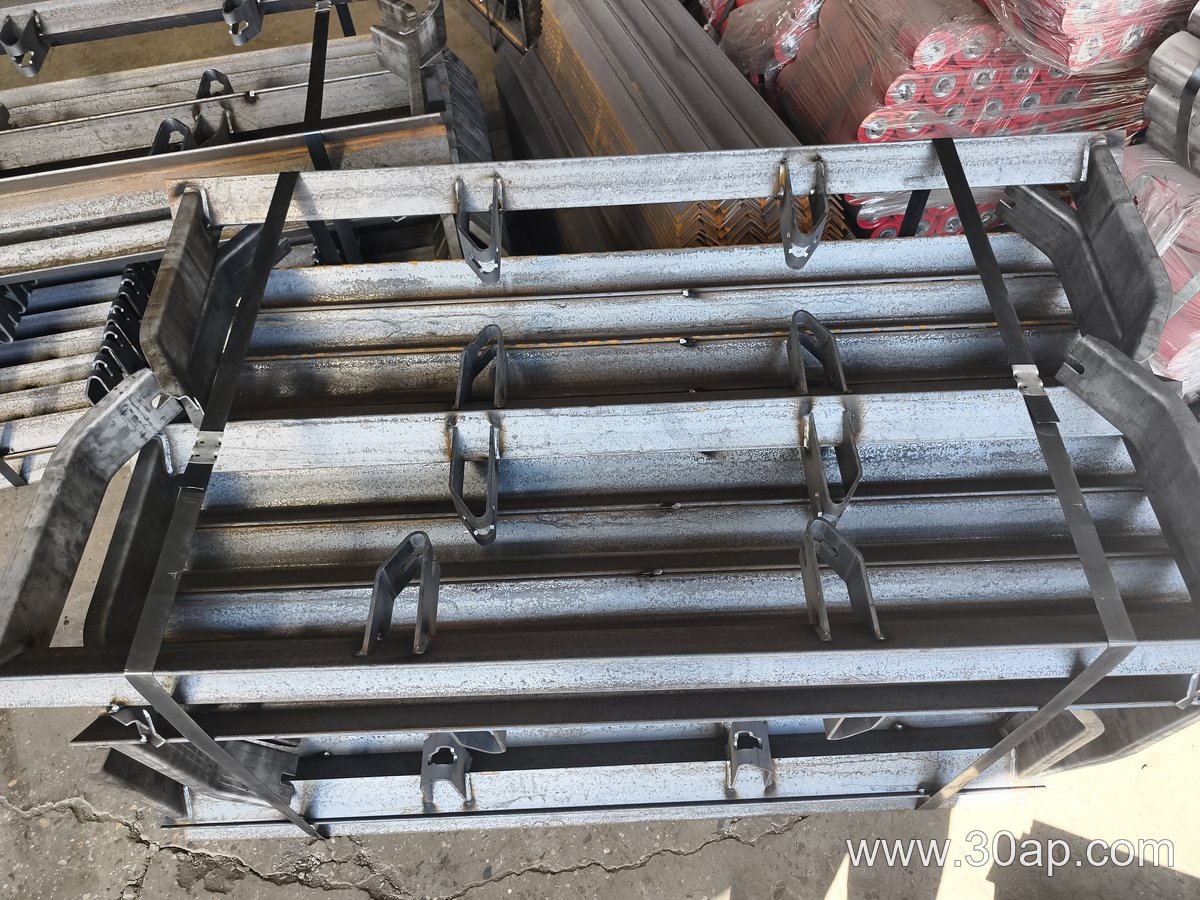
Selection and Purchasing Advice
- Match bracket material to your environment: mild steel for dry areas, stainless steel for washdowns, and galvanized for outdoor use.
- Verify load ratings and hole patterns against your conveyor frame and roller shaft diameter.
- Prefer adjustable brackets for easier tensioning and alignment.
- Check corrosion resistance and confirm compatibility with your belt type.
Buy from suppliers who provide dimensional drawings and batch traceability. A well-specified conveyor bracket extends service life and reduces maintenance.