Conveyor Belt Selection for Global Buyers
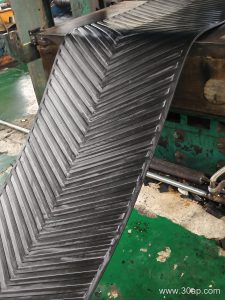
A conveyor belt is the core of any material handling system, so export buyers must match cover, carcass, and splice to the application. Check load weight, speed, temperature, and chemical exposure before ordering.

Key Purchasing Checks
- Confirm belt width, ply, and tensile strength.
- Select rubber, PVC, or PU cover for abrasion or oil resistance.
- Verify food-grade or fire-resistant certifications.
- Request splice type and pulley compatibility.
Export Advice
Order samples, confirm HS codes, and inspect edge quality. A well-specified conveyor belt reduces downtime and freight risk.
Idler Roller Basics
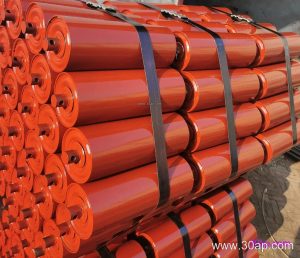
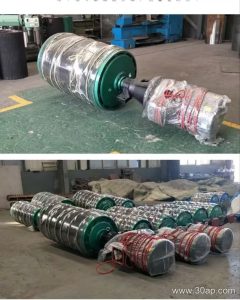
An idler roller supports and guides conveyor belts without driving them. Choose the right unit to cut downtime and belt wear.

Selection Factors
- Match roller diameter and length to belt width and load.
- Pick sealed bearings for dusty or wet sites.
- Use steel for heavy duty, polymer for corrosion.
Purchasing Advice
Verify load ratings, shaft tolerances, and grease type. Request test reports and spare-part availability before ordering.
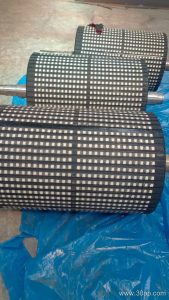
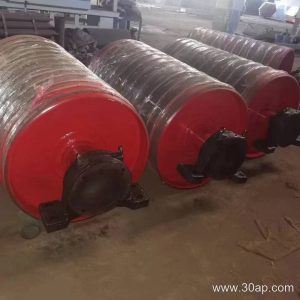
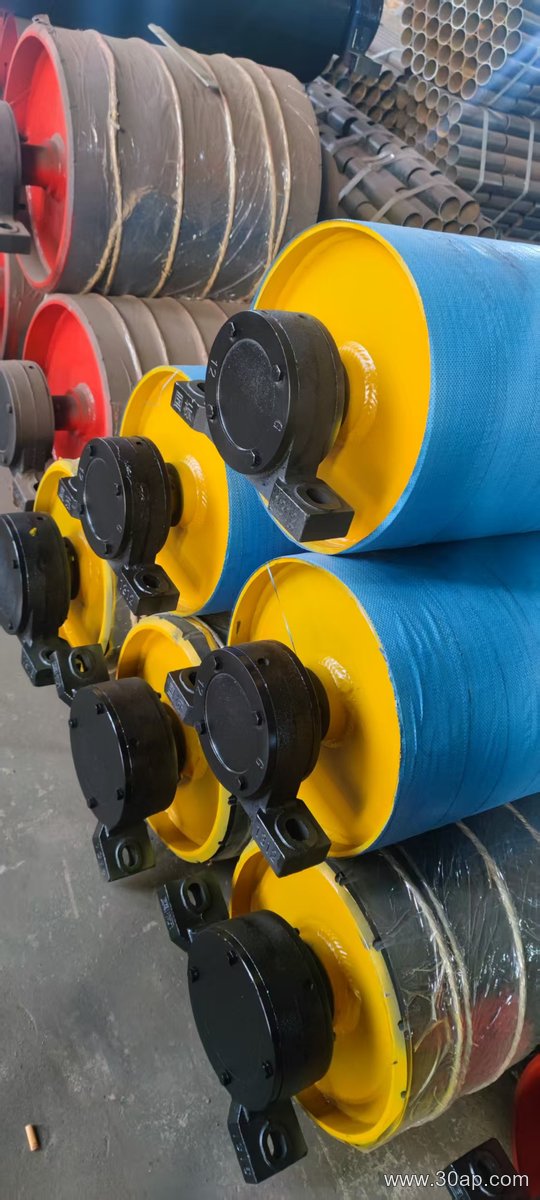
Conveyor Pulley: Core of Belt System Performance
A conveyor pulley drives and tensions the belt. Choose the right one for reliability.
Key Selection Factors
- Belt width and load capacity
- Pulley diameter and face length
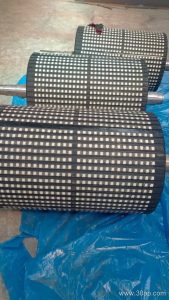
- Lagging type for grip
- Shaft and bearing fit
Purchasing Advice
Verify balance, runout, and weld quality. Match duty cycle and environment. Request load ratings and material certs before ordering.
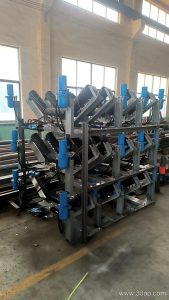
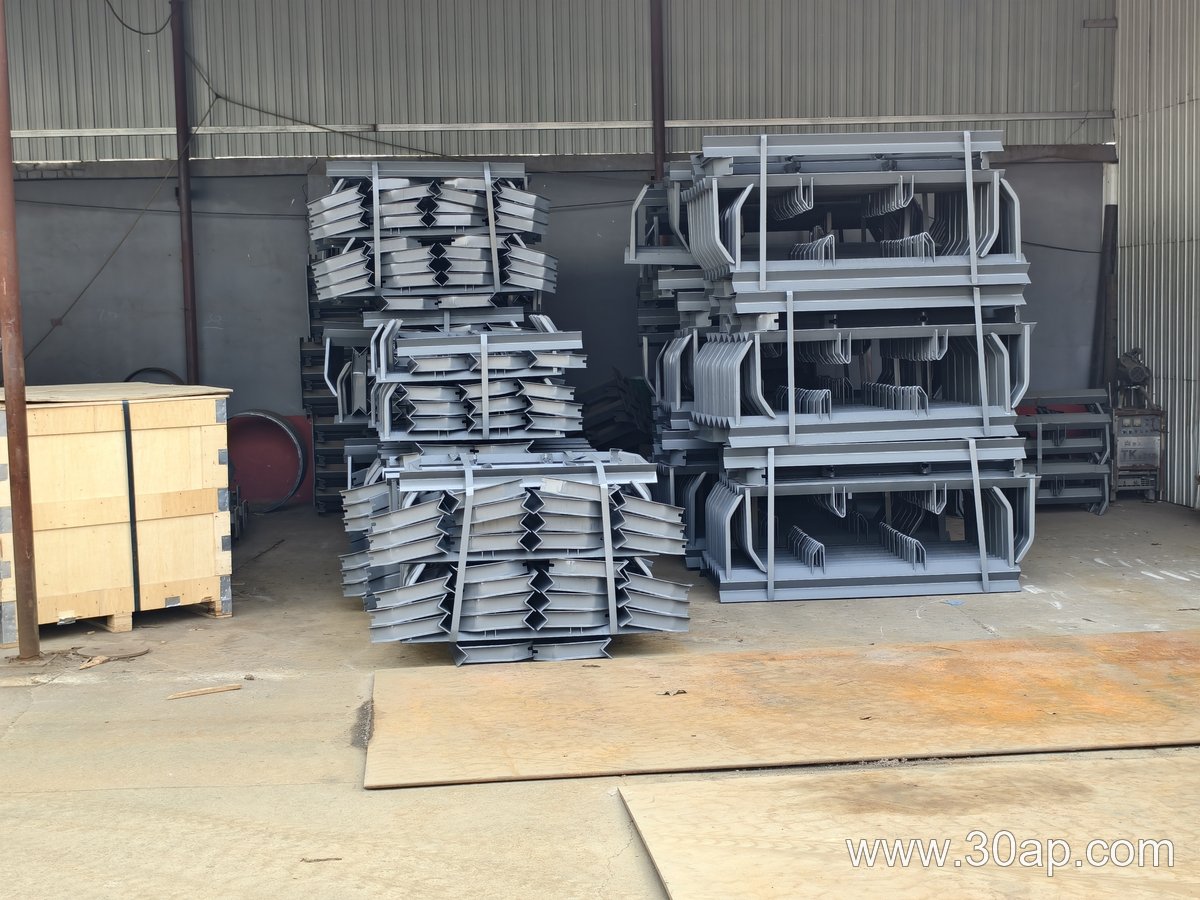
Why the Conveyor Bracket Matters
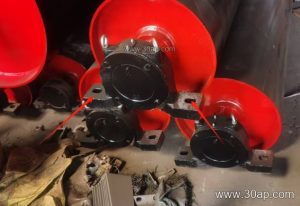
A conveyor bracket connects rollers, frames, and supports, directly affecting alignment, load capacity, and maintenance. Choose the right bracket for reliable, safe operation.
Selection and Purchasing Advice
- Match bracket material to load and environment: stamped steel for light duty, cast iron or stainless for heavy or washdown use.
- Confirm mounting hole pattern and roller shaft diameter.
- Check load rating and corrosion resistance.
- Prefer adjustable brackets for easy belt tracking.