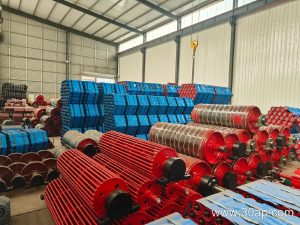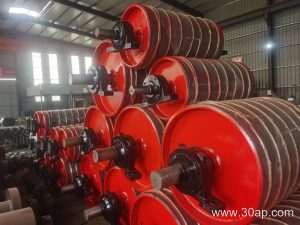
Conveyor Pulley Selection and Purchasing Guide
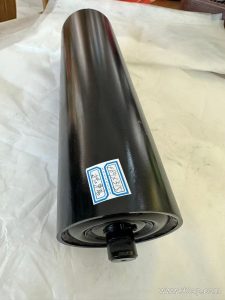
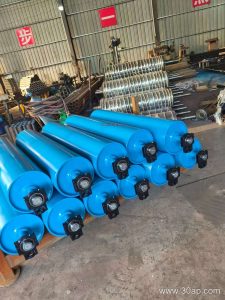
Choose the right conveyor pulley by matching drum diameter to belt tension, confirming shaft and hub fit, and specifying lagging for grip. For purchasing, request material certificates, dynamic balance reports, and bearing life calculations to ensure reliable, low-maintenance operation.
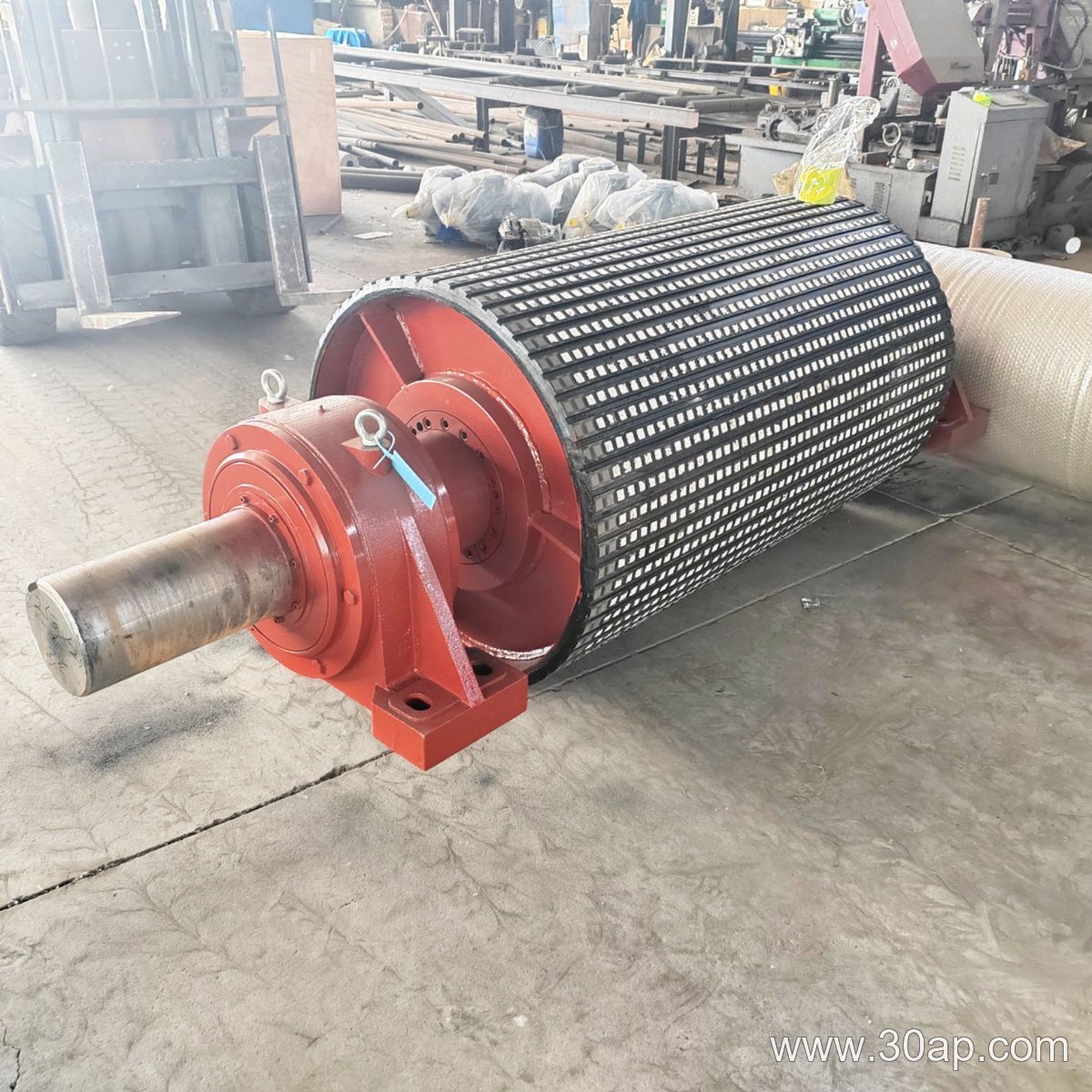
- Verify load and speed
- Select lagging type
- Check balance class
Conveyor Bracket Fundamentals
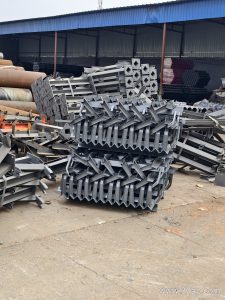
A conveyor bracket supports rollers, idlers, and frames, ensuring alignment and load stability. Choose mild steel for general use, stainless for washdowns, or aluminum for light duty.
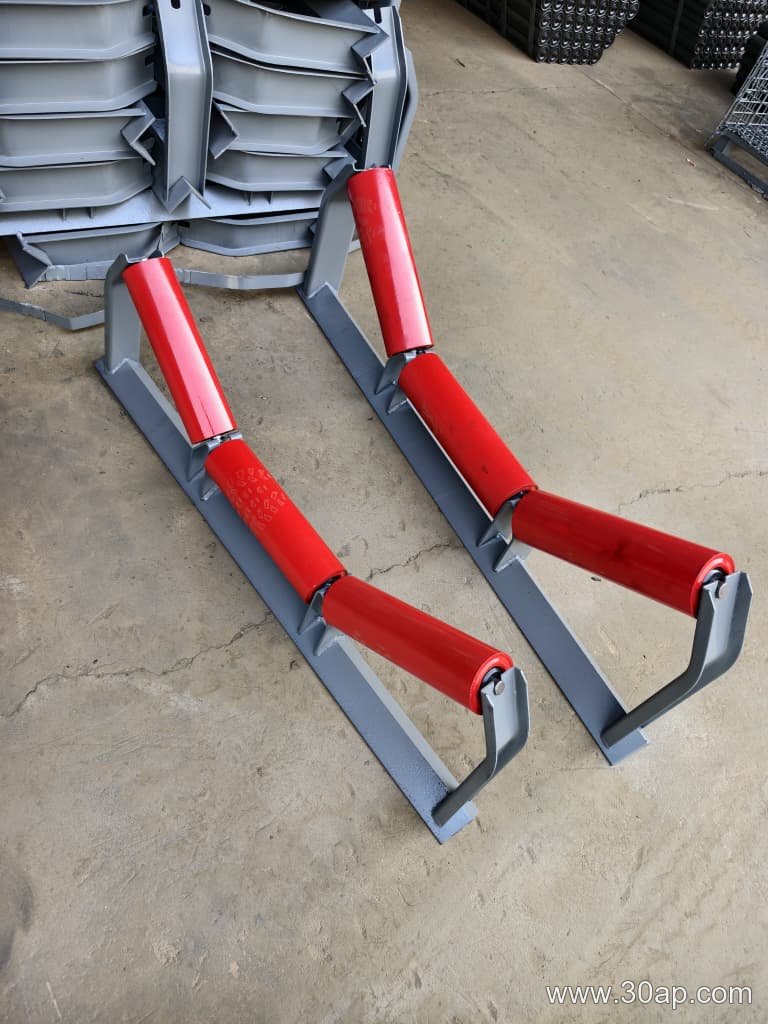
Selection Tips
- Match bolt holes and slot spacing to your conveyor frame.
- Verify load rating and corrosion resistance.
- Check adjustable vs. fixed designs for tensioning.
Purchasing Advice
- Order from suppliers offering dimensional drawings.
- Confirm material certificates and finish.
- Buy extras for wear replacement.
Conveyor Belt Selection and Purchasing Guide
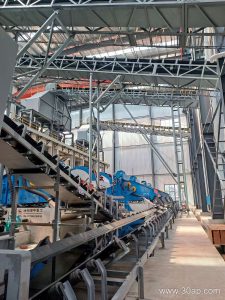
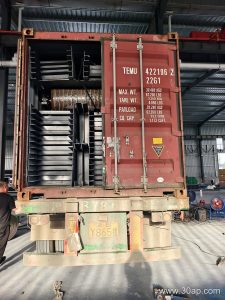
A conveyor belt is the core of any bulk handling line. Choose the right belt to cut downtime and export risk. Match carcass, cover, and splice to your load, speed, and environment.

Key Selection Factors
- Material: abrasion, oil, heat, or fire resistance
- Tension: EP, steel cord, or fabric rating
- Width, length, and pulley diameter
- Cleat, sidewall, or smooth surface
Purchasing Advice
Verify ISO and DIN compliance. Request test reports and a spare splice kit. Confirm roll length and lead time before ordering.
Choosing the Right Idler Roller
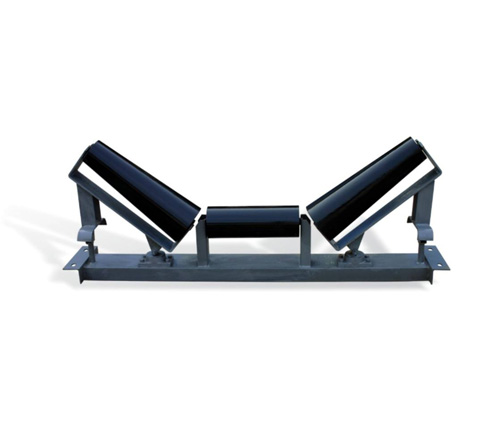
An idler roller supports and guides conveyor belts without driving them. Select based on load, speed, and environment.

Key Selection Factors
- Load capacity and belt width
- Bearing type: sealed for dust, open for clean areas
- Material: steel, stainless, or polymer for corrosion
- Roller diameter and wall thickness
Purchasing Advice
Verify shaft tolerance, dynamic balance, and IP rating. Request test data for radial runout and grease life. Buy from suppliers offering wear-resistant coatings and documented load curves.