What an Ore Crushing Conveyor Belt Tracker Does
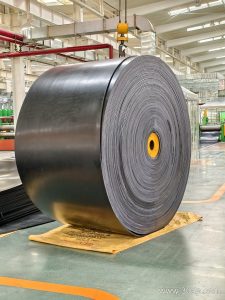
In a crushing circuit, the conveyor that carries run-of-mine ore from the primary crusher to the screening or stockpile area is under constant stress. Heavy lumps, uneven loading, and dusty conditions make belt misalignment a common problem. An ore crushing conveyor belt tracker, also known as a belt alignment tracking device, is a mechanical or hydraulic system that detects and corrects belt drift before it damages the belt edge, idler roller, or conveyor pulley. Unlike a simple training idler, a dedicated tracker reacts to lateral movement and guides the belt back to center. On a 1200mm wide conveyor carrying copper ore, for example, even a small offset can cause spillage and edge wear within hours. The tracker keeps the belt path stable so the Ore Conveyor Belt runs true.
How the Tracker Is Built and Installed
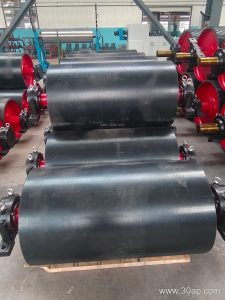
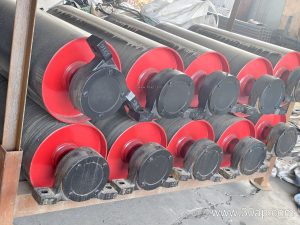
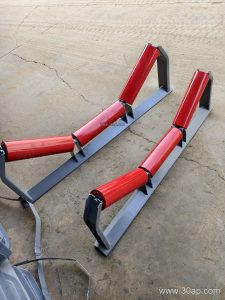
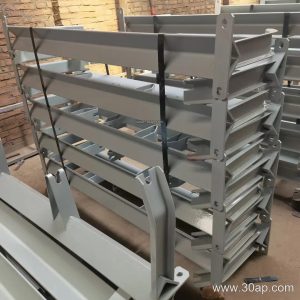
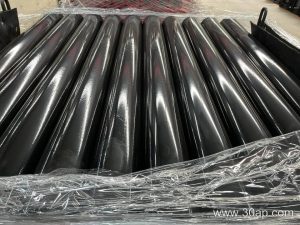
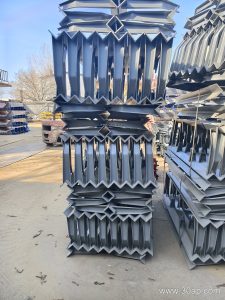
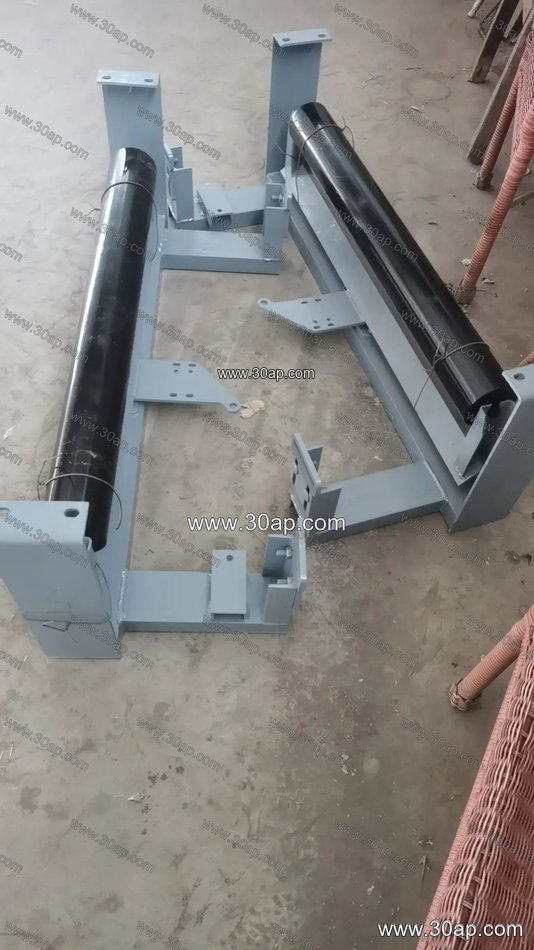
A typical ore crushing conveyor belt tracker consists of a sensing roller or vertical guide roller, a pivoting frame, a linkage or hydraulic cylinder, and a mounting bracket that attaches to the conveyor stringer. Some designs use a four-bar linkage for mechanical self-correction; others rely on a pneumatic or electric actuator with a sensor and PLC feedback. The tracker is usually installed on the carrying side, just after the crusher discharge, or on the return side before the tail pulley. It works together with the conveyor pulley, idler roller, and conveyor bracket to maintain alignment. For a 1400mm or 1600mm belt width, the tracker frame must match the belt width and the existing bracket spacing; the shaft diameter is determined by the pulley and bearing housing, not by belt width alone. A tracker should not be confused with a drive pulley, tail pulley, or bend pulley, which serve different functions in the conveyor drive and tensioning system.
Where Ore Crushing Conveyor Belt Trackers Are Used
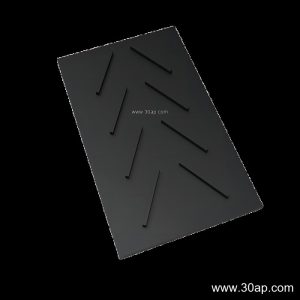
These trackers are found in mines, coal preparation plants, cement works, power station coal yards, steel plants, and quarry operations. In a gold mining plant, a tracker on the crusher discharge belt protects the downstream conveyor from edge damage caused by uneven ore feed. In a cement plant, a tracker on the clinker or limestone conveyor reduces spillage near the transfer point. The device is equally useful on a Heavy-Duty Mining Conveyor Belt carrying iron ore or on a Flame Retardant Conveyor Belt in an underground coal mining conveyor. When the belt is a Steel Cord Conveyor Belt or an EP Conveyor Belt, the tracker’s response must suit the belt’s stiffness and splice type. A chevron conveyor belt or corrugated sidewall conveyor belt may need a different roller contact pattern, so the tracker selection should account for the belt surface form.
Selection and Maintenance Notes for Buyers
Buyers should provide the belt width, belt speed, running direction, carrying or return side, conveyor structure drawing, and the observed misalignment pattern. A tracker for a 650mm belt is not interchangeable with one for a 2000mm belt. The number of trackers per conveyor depends on length and load, not on a fixed rule. Maintenance includes checking the sensing roller for free rotation, inspecting the linkage for wear, and confirming that the conveyor bracket and idler roller are secure. Before any adjustment, stop the conveyor, isolate the energy source, and lock out. Running inspections should be done from a safe observation point only. For harsh ore crushing duty, an Abrasion Resistant Conveyor Belt paired with a well-maintained tracker reduces downtime. When inquiring, specify the conveyor belt type, such as EP1000 or ST1600, and the site conditions so the correct tracker configuration can be proposed.