What an Adjustable Belt Tracking Frame Does
An adjustable belt tracking frame is a mechanical assembly that supports and guides a conveyor belt to keep it centered on its pulleys and idlers. Unlike a fixed frame, it allows maintenance staff to correct belt misalignment by adjusting the position or angle of carrying idlers or return rollers. This frame is often part of a broader 输送带纠偏器 system, but it focuses on local, manual correction rather than automatic sensor-driven control. In industries such as mining, coal preparation, cement, power plants, and aggregate quarries, a tracking frame helps reduce edge damage and material spillage caused by belt wander.
Construction and Key Components
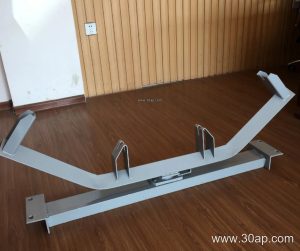
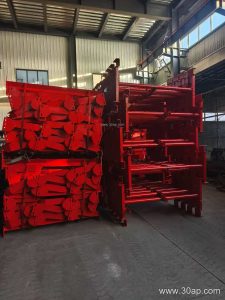
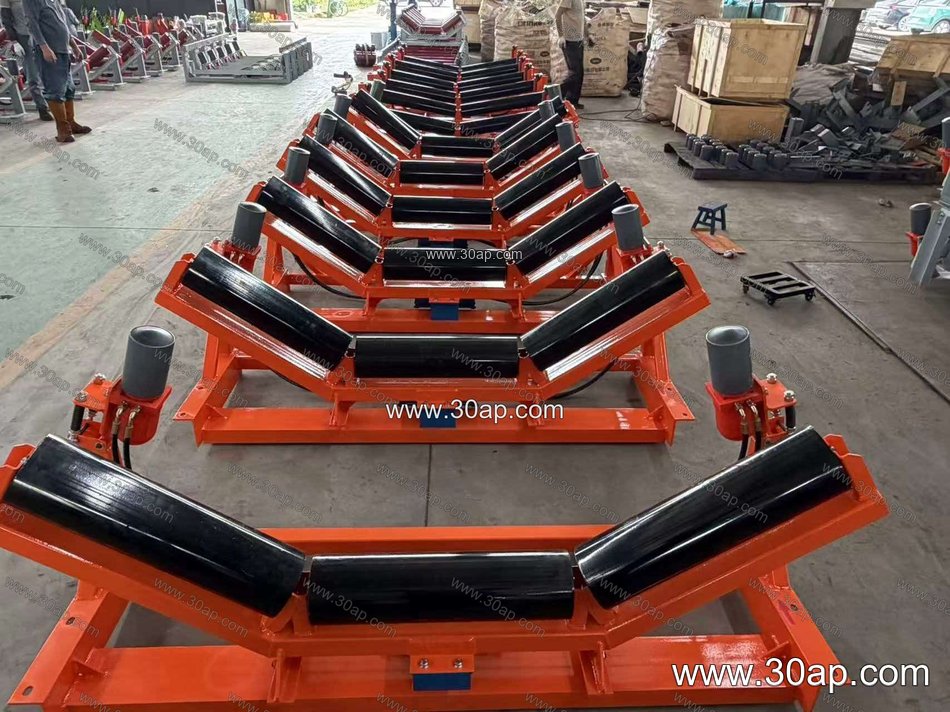
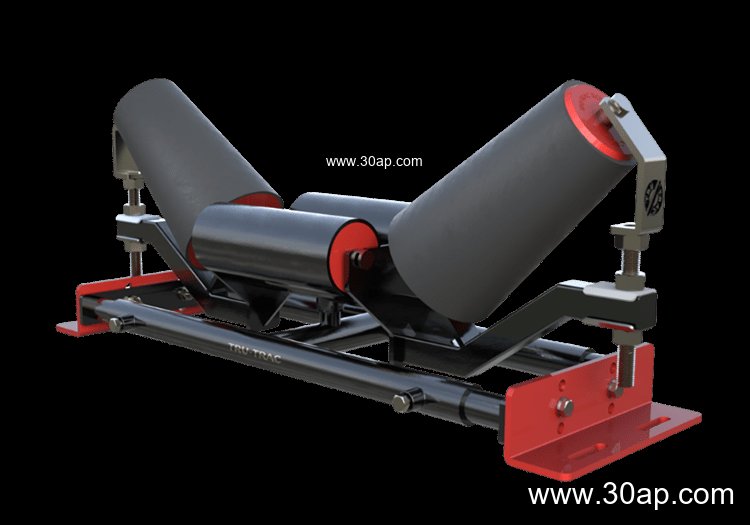
A typical adjustable tracking frame consists of a sturdy steel base, sliding or pivoting mounts, and at least one idler roller that contacts the belt. The frame includes adjustment screws, shims, or slotted holes that let technicians shift the roller angle or position. Some designs use a four-bar linkage to tilt a pair of rollers, while others rely on a simple pivot plate. The frame must be rigid enough to withstand the load of the conveyor belt and material, yet allow precise, repeatable adjustments. A conveyor bracket or mounting plate connects the frame to the main conveyor structure. The idler roller surface may be rubber-covered or plain steel, depending on the application.
Where It Fits in a Conveyor System
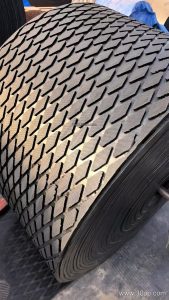
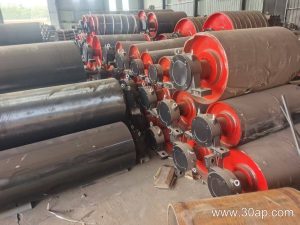
Adjustable tracking frames are commonly installed on the carrying side, just after the loading point, or on the return side before the tail pulley. They are not a substitute for proper pulley alignment or adequate tension. In a coal mining conveyor belt system, for example, a tracking frame can correct slight misalignment caused by uneven loading, but it cannot fix a bent conveyor pulley or a seized idler. Similarly, in a cement plant or power plant handling abrasive materials, the frame helps maintain belt centering while an abrasion resistant conveyor belt resists wear. The frame works alongside drive, tail, and bend pulleys, but it does not replace any of them.
Selection and Sizing Considerations
Buyers should match the frame to the belt width, the idler diameter, and the available mounting space. Common belt widths include 600 mm, 800 mm, 1000 mm, 1200 mm, and 1600 mm, but the frame size must be confirmed against the actual conveyor drawing. The table below lists example reference dimensions; these are not universal specifications and should be verified with the supplier.
| Belt Width (mm) | Typical Idler Diameter (mm) | Adjustment Range (mm) | Mounting Hole Spacing (mm) |
|---|---|---|---|
| 600 | 89–108 | ±20 | According to drawing |
| 800 | 89–133 | ±25 | According to drawing |
| 1000 | 108–159 | ±30 | According to drawing |
| 1200 | 133–159 | ±30 | According to drawing |
| 1600 | 159–194 | ±40 | According to drawing |
Note that belt width alone does not determine shaft diameter or idler length. The conveyor frame structure, belt speed, and load must also be considered. For heavy-duty mining conveyor belt applications, a reinforced frame with larger adjustment bolts may be necessary.
Installation and Maintenance Tips
Before adjusting the frame, stop the conveyor, isolate the energy source, and lock out the drive. Observe belt tracking during a controlled start-up from a safe distance. Adjust the frame in small increments, then run the belt to check the effect. Avoid over-adjusting, which can cause the belt to rub against the frame or training idlers. Regularly inspect the frame for loose bolts, corrosion, or accumulated material. In dusty environments such as a quarry conveyor belt or a coal mining conveyor belt system, clean the adjustment threads and apply a suitable lubricant. Remember that a tracking frame is one part of a complete alignment strategy that includes proper pulley crowning, adequate tension, and well-maintained idlers.
Buyer Checklist
- Confirm belt width and idler roller diameter from the conveyor drawing.
- Check the mounting position: carrying side or return side, and distance from pulleys.
- Verify the adjustment mechanism type (screw, shim, or slotted) and its range.
- Consider the environment: dust, moisture, temperature, and corrosion risk.
- Request the frame material and surface treatment (painted, galvanized, or stainless).
- Ensure the frame is compatible with the existing conveyor bracket and idler roller mounts.
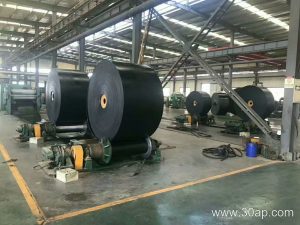
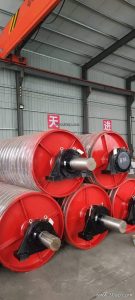
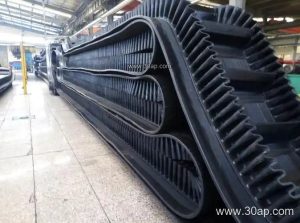
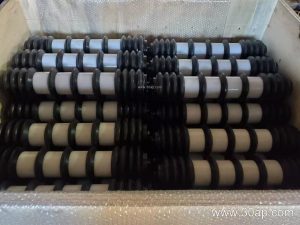
For more information on conveyor components such as 输送带, 托辊, and 滚筒, or to discuss a specific tracking frame requirement, contact our engineering team with your belt width, conveyor layout, and misalignment symptoms.