What a Conveyor Belt Steering Device Does
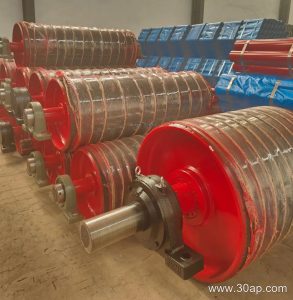
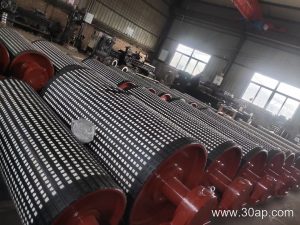
A conveyor belt steering device is a correction unit that detects or responds to belt misalignment and guides the belt back toward the centerline of the conveyor frame. In practice, the equipment is also called a belt alignment device, belt tracking unit, or 输送带纠偏器. It is not the same component as a drive pulley, tail pulley or bend pulley; those pulleys transmit power and set the belt path, while the steering device acts on tracking behavior along the carrying or return run.
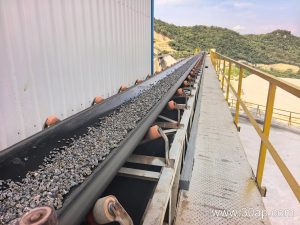
Misalignment shows up as edge wear, spillage, frame contact or an off-center belt at a transfer point. A steering device addresses that symptom, but it does not replace correct pulley alignment, square frames or proper loading. In a quarry, cement plant or coal handling system, the goal is a belt that runs steadily loaded and empty, forward and in reverse where applicable.
How the Unit Is Built
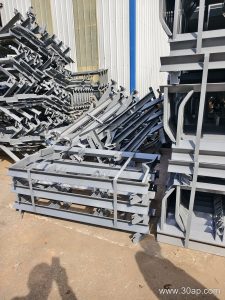
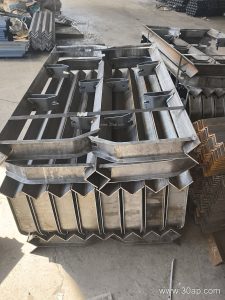
Most designs combine a detection element, a frame or pivot, and a correction roller or roller group. Mechanical types use self-aligning idler frames that swing when the belt edge pushes a guide roller. Hydraulic and electric variants use sensors, feedback and a control unit to move a correction roller or a short belt section. Four-bar and linkage designs convert a small detection movement into a controlled steering action. Each family differs in energy source, response behavior and control logic, so the name alone does not prove how a unit will perform.
- Carrying-side units act on the loaded strand; return-side units act near the tail area.
- Troughing and flat belt profiles need different roller shapes and clearances.
- Single-direction and reversible conveyors require different centering logic.
- Sensor-based systems may include PLC control, position feedback and alarms.
Distinguish detection from active correction. A misalignment switch that only alarms is not the same as a steering device that moves rollers. Likewise, dynamic balancing of a steering roller is unrelated to idler rotation balancing tests.
Where It Fits in Bulk Handling
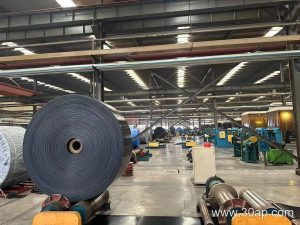
These units appear on belt conveyors in metal mines, coal preparation plants, power station coal yards, aggregate crushing lines, ports and bulk storage terminals. A 1200 mm wide conveyor carrying abrasive ore may need a rugged tracking frame on the return side, while a cement plant transfer conveyor with a skirted conveyor belt may need attention at the loading zone first. On a pipe conveyor belt or a corrugated sidewall conveyor belt, the steering approach must respect the belt’s special cross-section and cannot be copied from a flat belt layout.
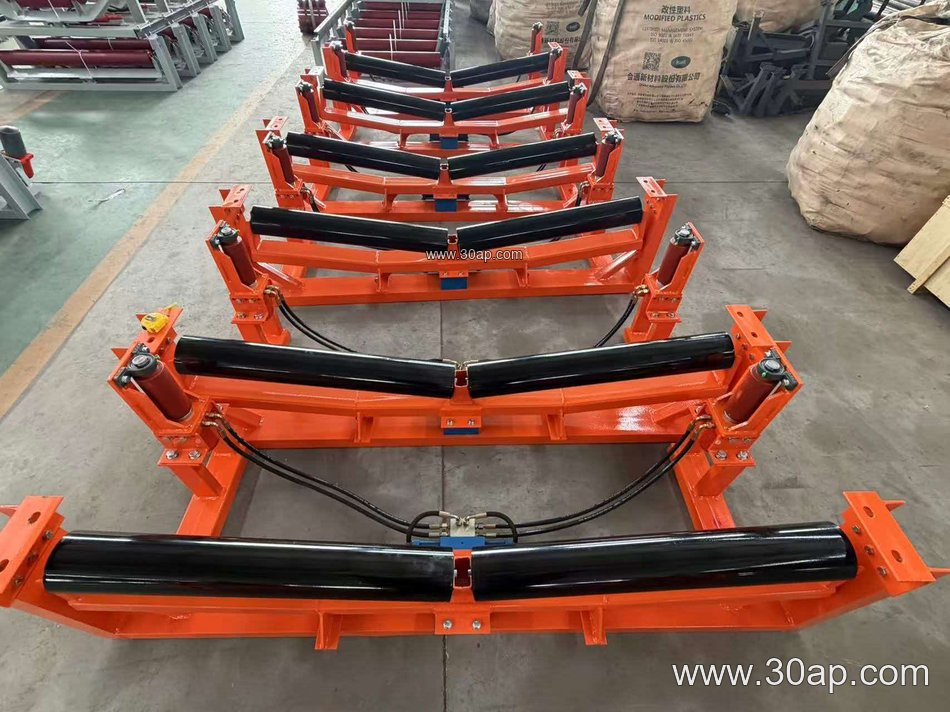
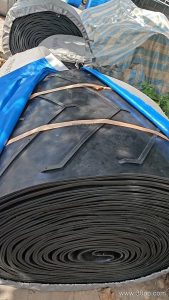
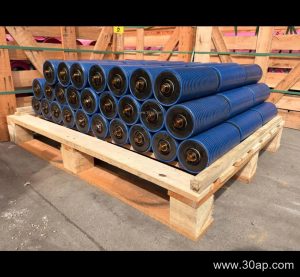
The surrounding hardware matters. A worn idler roller, a seized conveyor pulley bearing, a loose conveyor bracket or a skewed frame can all cause drift. Before adding a steering device, check pulley squareness, belt splice straightness, material build-up and roller freedom. Related belt choices such as EP conveyor belt, steel cord conveyor belt, flame retardant conveyor belt and abrasion resistant conveyor belt influence tension and stiffness, which in turn affect how the belt reacts to steering input.
Selection Details Buyers Should Confirm
No single size fits every conveyor. Belt width, speed, running direction, load, trough angle, frame dimensions and installation space all affect the choice. The table below shows typical reference points, not a universal matching rule.
| Item | Reference examples | Why it matters |
|---|---|---|
| Belt width | 800 mm, 1000 mm, 1200 mm, 1600 mm, 2000 mm | Sets roller length and frame clearance |
| Position | Carrying run, return run, head or tail area | Determines roller form and access |
| Direction | One-way or reversible | Affects centering logic |
| Belt type | EP, NN, steel cord, PVG800S, heat resistant | Influences stiffness and edge behavior |
| Control | Mechanical, hydraulic, electric, sensor-based | Sets response and maintenance needs |
Ask for the actual frame drawing, belt speed, material characteristics and a description of the drift pattern. State whether the problem is local or along the whole run, and whether it changes with load. A supplier cannot confirm roller diameter, shaft size, mounting pitch or unit quantity from belt width alone, and no one should assume that two devices of the same width are interchangeable.
Installation and Maintenance Notes
Stop the conveyor, isolate the energy source and prevent unexpected start-up before any adjustment or roller replacement. Observe belt behavior only from a safe position while running. Check the steering frame for free movement, worn bearings, bent guides and material build-up. Confirm that the belt is not over-tensioned to hide a tracking fault, and review loading centering, chute wear and skirt rubber clearance.
For a new project or a retrofit in a mine, cement works, steel plant or port, send the conveyor layout, belt specification, pulley and idler details, and photos of the misalignment. That information supports a practical steering solution rather than a guess based on width alone.