What a Conveyor Carrying Bracket Does on the Line
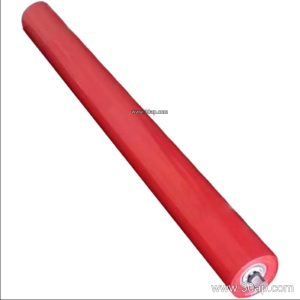
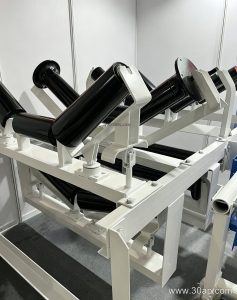
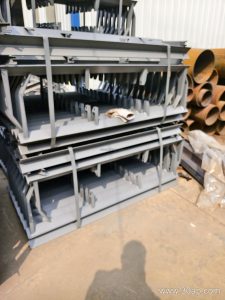
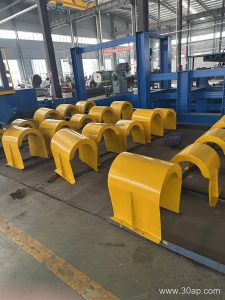
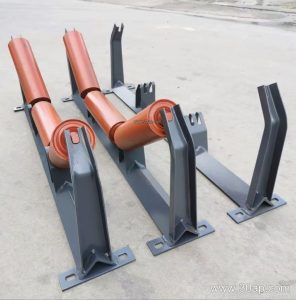
A conveyor carrying bracket is the steel frame that holds the idler rollers in the loaded section of a belt conveyor. It sets the trough angle, fixes the roller spacing and transfers the weight of the belt and material into the conveyor stringer. In a quarry, a coal preparation plant or a cement kiln feed line, this bracket is one of the quiet parts that decides whether the belt tracks straight or wanders.
The same component is often called a carrying idler frame or a troughing bracket. These are accurate equivalents for the same product. They are not the same as a return bracket, and neither should be confused with a conveyor pulley such as a drive pulley, tail pulley or bend pulley, which serve different duties at the ends and curves of the conveyor.
How the Bracket Is Built
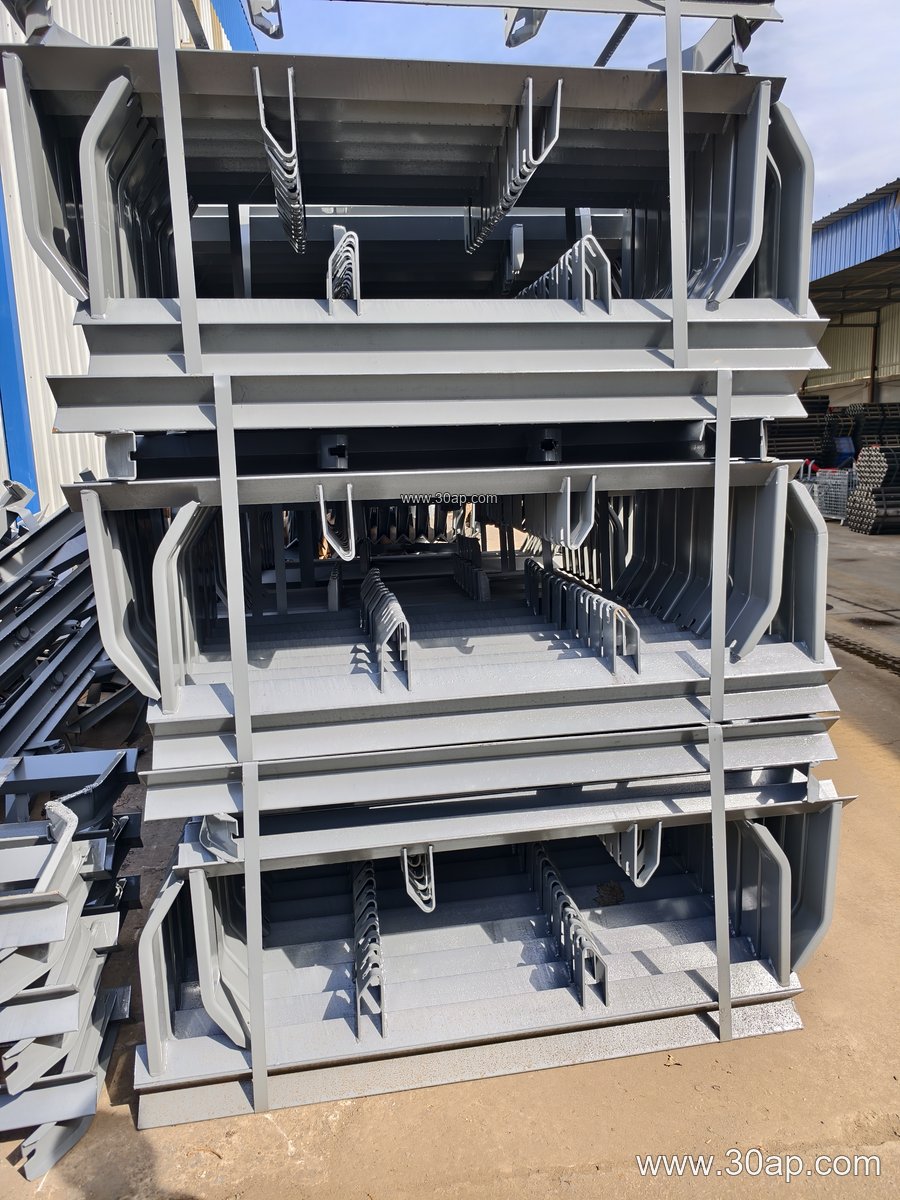
Most carrying brackets are fabricated from angle steel, channel steel or folded steel plate. The cross beam carries two or three roller seats, and the side wings are angled to form the trough. Welded gussets stiffen the corners, and the mounting holes are positioned to match the stringer spacing.
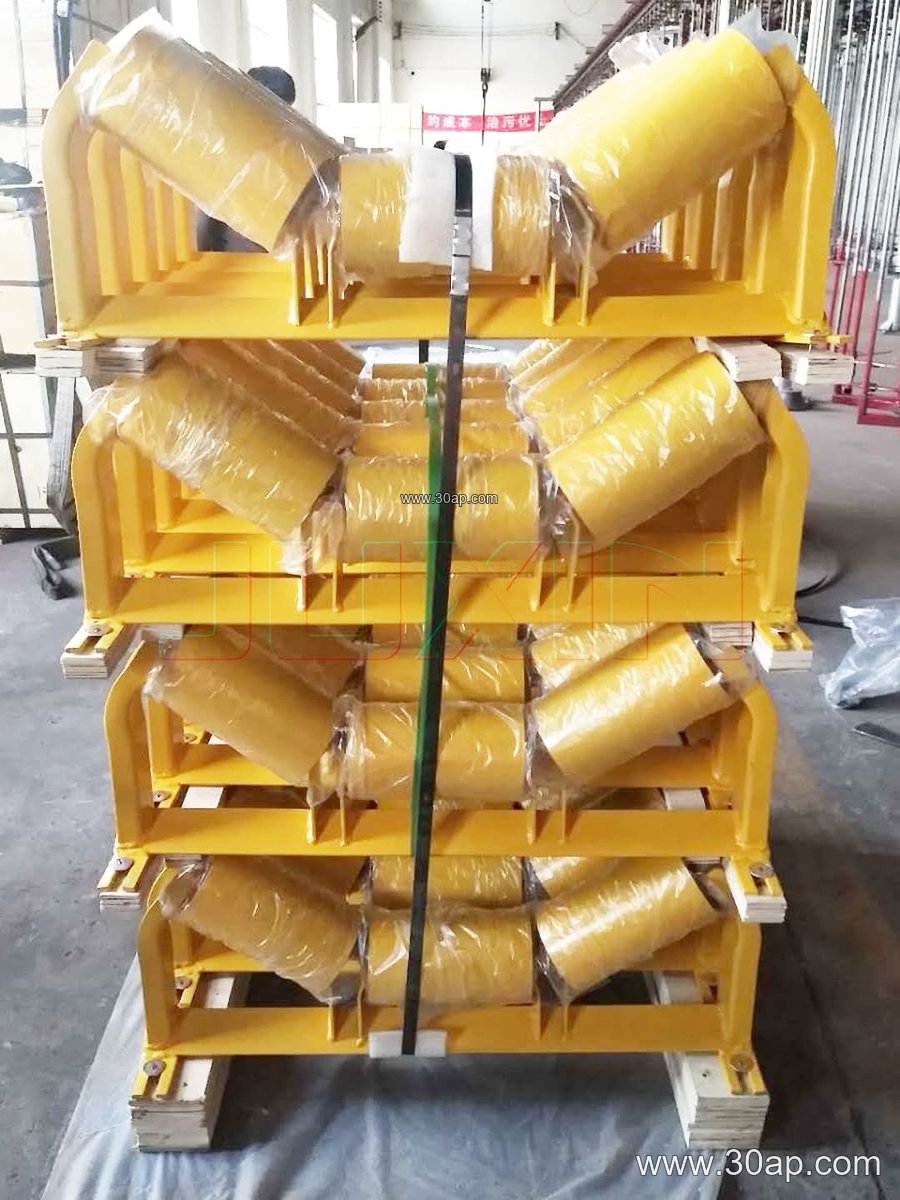
- Fixed troughing bracket: welded at a set angle, usually 20, 30, 35 or 45 degrees.
- Adjustable bracket: slotted seats allow the trough angle to be changed on site.
- Transition bracket: placed near the head or tail to ease the belt from flat to troughed.
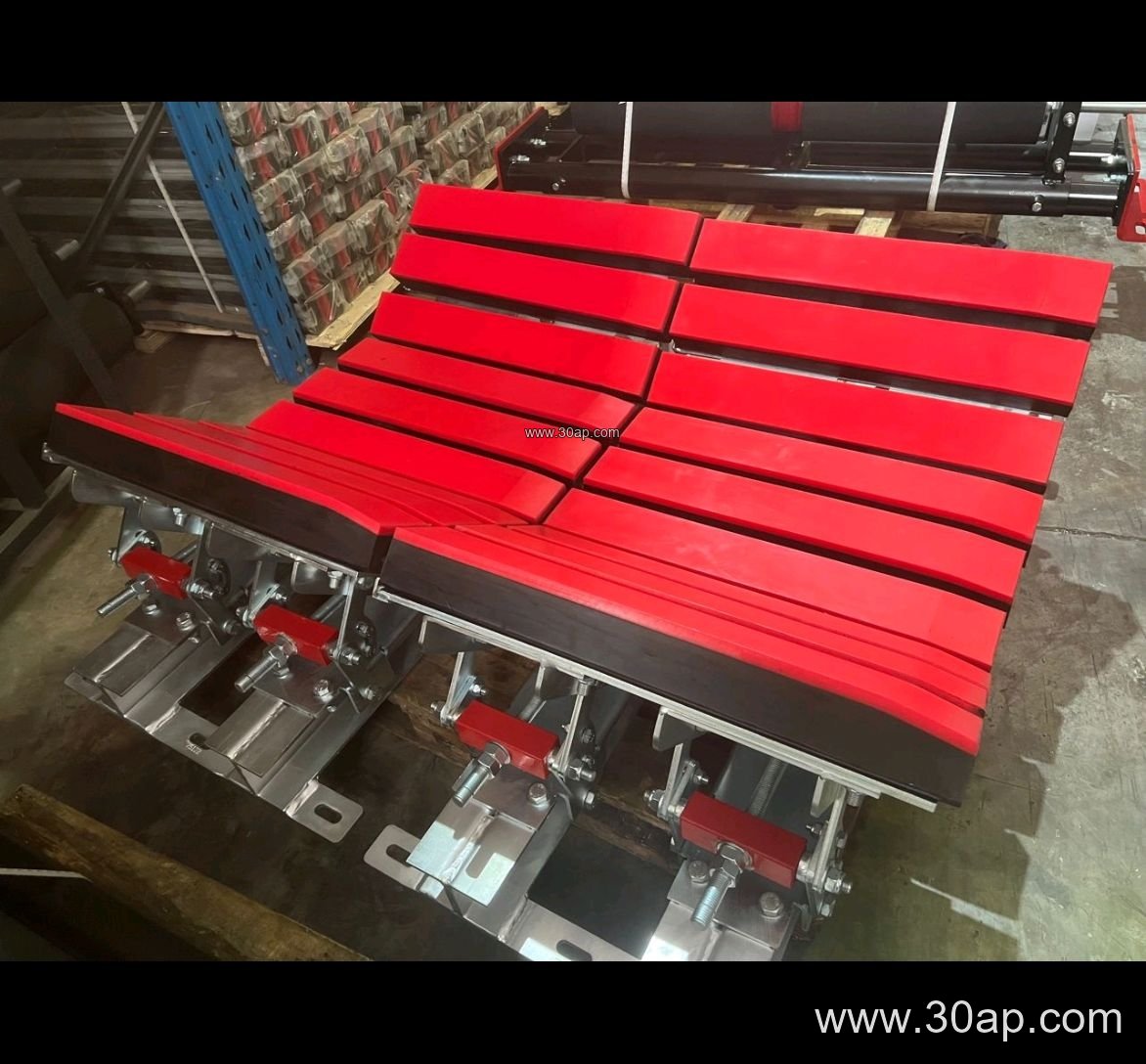
- Impact bracket: reinforced frame under the loading point, often paired with impact idlers.
Common roller diameters used with these frames include Ø89, Ø108, Ø133, Ø159 and Ø194. The correct match depends on belt width, load and speed, not on a single fixed rule. A B650 frame at 30 degrees with Ø89 rollers and a B1200 frame at 45 degrees with Ø133 rollers are both normal combinations, and neither size locks the other.
Where It Fits in the Plant
In a limestone mine or an aggregate crushing and screening line, carrying brackets support the conveyor belt through the long horizontal runs and the inclined lifts. In a power plant coal handling system, they hold the troughing idlers that keep a flame retardant conveyor belt or a fire resistant conveyor belt centred under the coal stream. In an iron ore or copper ore terminal, heavy-duty frames work with abrasion resistant conveyor belts and thick covers.
Ports and ship loading conveyors use wide frames for 1200mm, 1500mm or 1800mm belts, while tunnel spoil lines and fertilizer plants often use narrower B500 or B800 frames. The bracket itself is simple, but its alignment affects the whole conveyor, from the conveyor belt to the idler roller and the conveyor pulley.
Matching Bracket, Roller and Belt
Buyers should confirm the belt width, the required trough angle, the roller diameter and the mounting hole spacing before ordering. The table below shows typical reference combinations, not mandatory ones.
| Belt width | Trough angle | Roller diameter | Typical position |
|---|---|---|---|
| B500 | 20-30 degrees | Ø89 | Small transfer lines |
| B650 | 30 degrees | Ø89 | Sand and gravel lines |
| B800 | 35 degrees | Ø108 | Cement plant feed |
| B1000 | 35-45 degrees | Ø133 | Coal handling |
| B1200 | 45 degrees | Ø133 | Ore and port conveyors |
| B1400-B1600 | 35-45 degrees | Ø159 | Heavy bulk material |
A high abrasion resistant conveyor belt running at speed benefits from stable frames that resist vibration. A steel cord conveyor belt on a long overland route needs careful transition brackets so the belt is not over-stressed at the change from flat to trough. An EP conveyor belt or NN conveyor belt in a crusher line usually works with standard fixed troughing frames. For steep inclines, a chevron conveyor belt or corrugated sidewall conveyor belt may need extra clearance around the bracket and rollers.
Buyer Checklist and Maintenance Notes
Check the steel thickness, weld quality, hole pattern and surface treatment. Galvanised or painted finishes help in wet ports and wash-down plants. Ask whether the frame is fixed or adjustable, and confirm the roller seat size matches the chosen idler roller.
- Inspect for loose bolts and bent wings after heavy loading.
- Keep the frame square so the belt does not run off centre.
- Replace distorted brackets before they damage the belt edge.
- Use transition and impact brackets where the design calls for them.
Whether the plant handles coal, clinker, iron ore or grain, a well-chosen conveyor carrying bracket keeps the belt, the idlers and the pulleys working as one system.