What Is a Cold Resistant Conveyor Belt?
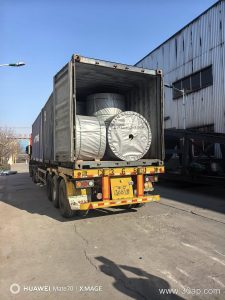
A cold resistant conveyor belt is a type of rubber conveyor belt designed to remain flexible and resist cracking in low-temperature environments. Unlike standard belts that may harden and become brittle when temperatures drop, this belt uses special rubber compounds and construction methods to maintain elasticity. It is essential in industries such as mining, coal, cement, power plants, and aggregate operations where conveyors operate outdoors or in unheated facilities during winter. For reliable material handling in freezing conditions, a cold resistant conveyor belt is the preferred choice. You can find quality cold resistant conveyor belt solutions at example.com.
Construction and Materials
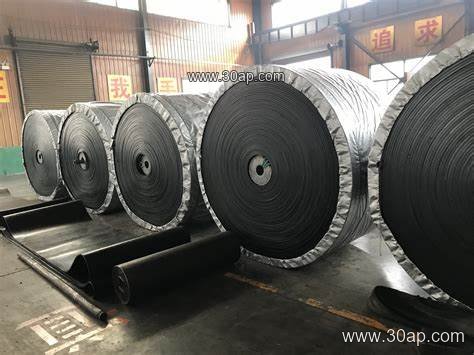
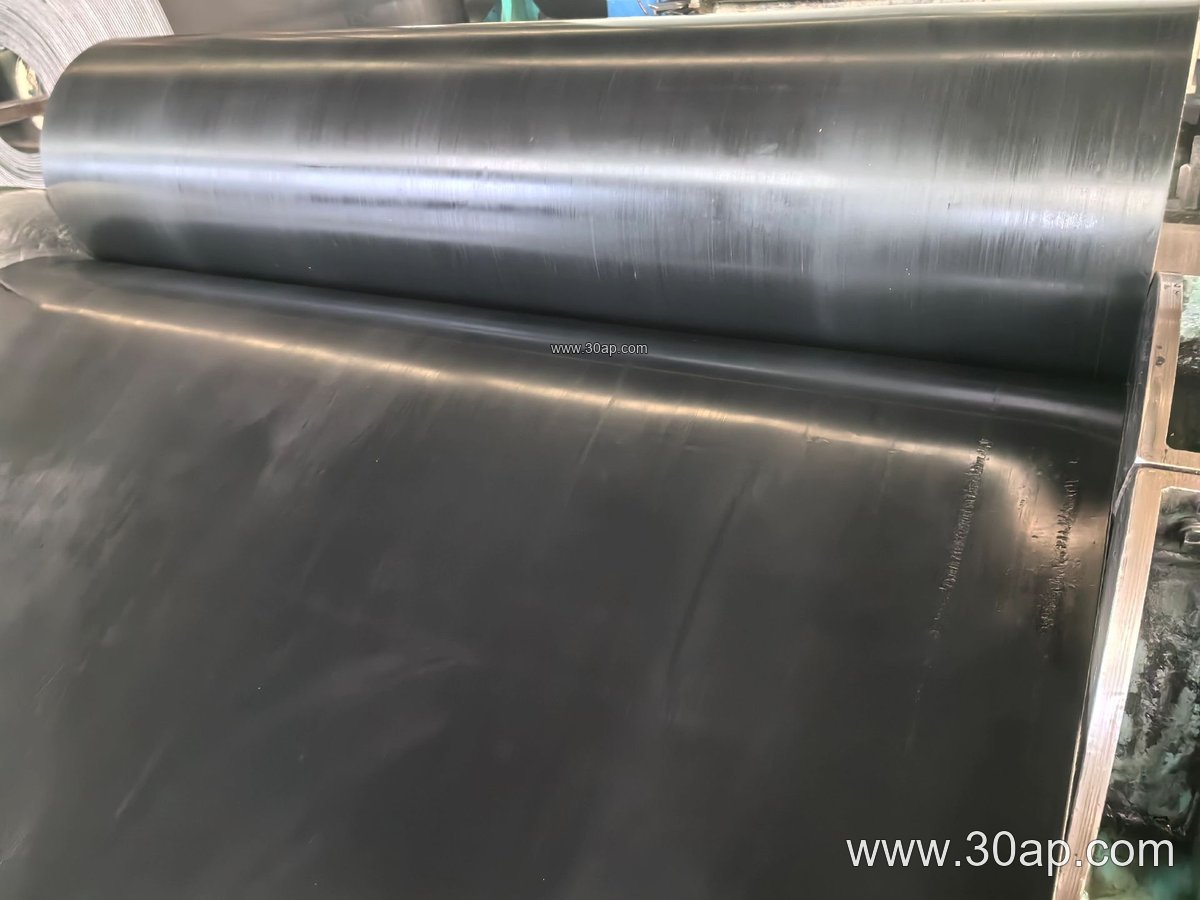
The cold resistant conveyor belt is built with a fabric core or steel cord reinforcement, similar to other conveyor belts, but with a cover rubber formulated to withstand low temperatures. Common carcass types include EP (polyester-nylon) and NN (nylon-nylon) fabrics, as well as steel cord for high strength applications. The cover compounds often incorporate polymers that resist hardening at temperatures as low as -40°C or lower, depending on the design. Multi-ply fabric core construction is typical for heavy-duty needs. The belt may also feature chevron or corrugated sidewall profiles for inclined conveying, but these are subtypes for specific applications. In cold climates, an endless conveyor belt joint may be preferred to avoid mechanical fastener issues. Proper selection of the cold resistant conveyor belt ensures minimal downtime and maintenance.
Key Features and Benefits
- Excellent flexibility at low temperatures, reducing the risk of edge cracking and premature failure.
- Resistance to hardening and embrittlement, maintaining troughability and tracking.
- Available with additional properties such as flame retardant, anti-static, or abrasion resistant covers for combined demands.
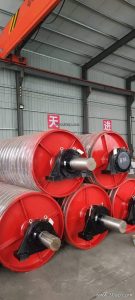
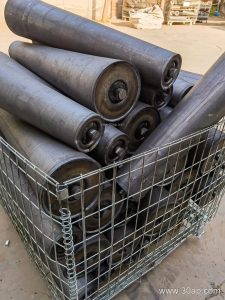
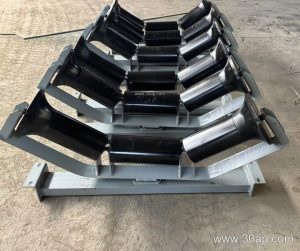
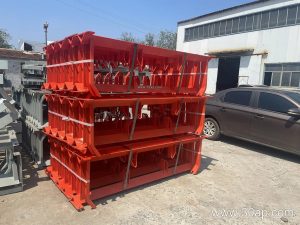
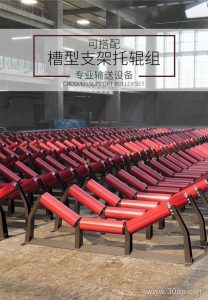
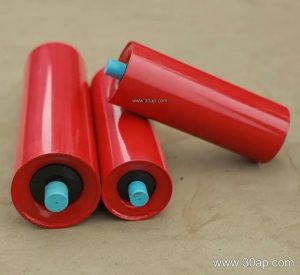
- Compatible with standard conveyor components like idler rollers, conveyor pulleys, and conveyor brackets.
- Suitable for both surface and underground mining conveyor systems in cold regions.
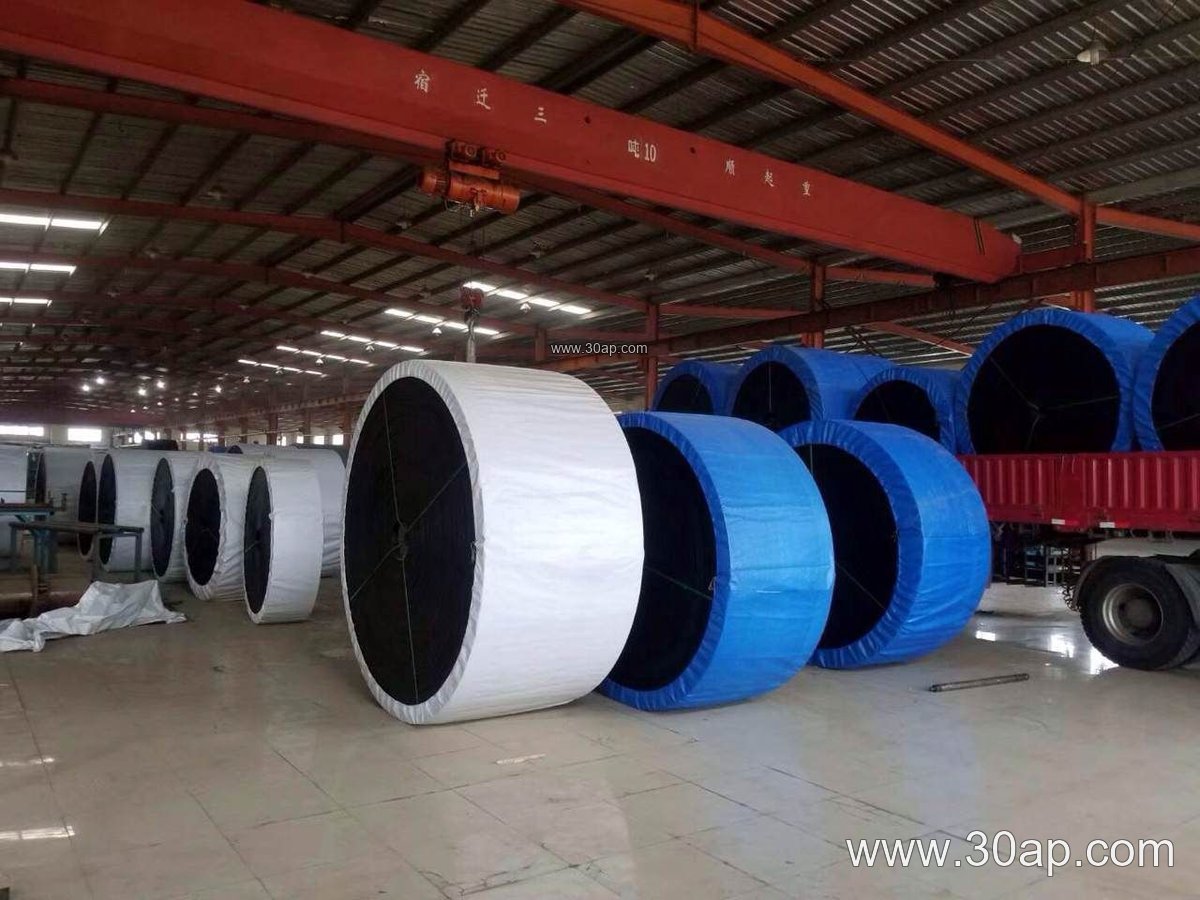
When specifying a cold resistant conveyor belt, consider the lowest operating temperature and the required strength. Common strength grades for fabric belts include EP200, EP315, EP400, EP500, EP630, EP800, EP1000, EP1250, EP1600, and EP2000. Belt widths typically range from B500 to B2000 mm. Cover thicknesses such as 4+2 mm, 5+2 mm, or 6+2 mm are often used, with carcass layers from 2 to 6 plies. These values are for reference; actual specifications should be confirmed with the manufacturer. For high-strength needs, steel cord belts like ST1000 or ST1250 may be considered, but the cold resistant variant ensures performance in freezing conditions.
Applications in Cold Environments
Cold resistant conveyor belts are widely used in open-pit mines, coal preparation plants, cement quarries, power stations, and sand and gravel yards in cold climates. They handle bulk materials such as coal, ore, limestone, and aggregates. In underground mining, where temperatures can be low and damp, these belts resist moisture and freezing. They are also found in port facilities and ship loading operations in northern regions. The belt works seamlessly with conveyor pulleys, idler rollers, and conveyor brackets to ensure smooth operation. For extremely cold applications, pairing with cold-resistant idler rollers and pulleys is recommended, though the belt itself is the critical component.
Selection and Maintenance Tips
Choosing the right cold resistant conveyor belt involves assessing the minimum ambient temperature, material load, and conveyor design. Verify the belt’s cold flexibility rating and ensure it matches the application. Consider the type of joint: vulcanized endless splices are often better than mechanical fasteners in cold conditions. Regular inspection for surface cracks, edge wear, and joint integrity is important. Keep the belt clean and avoid excessive tension. When replacing, check compatibility with existing conveyor pulleys and idler rollers. For mixed requirements, such as oil resistance or flame retardancy, specify a combined grade. Always consult the manufacturer’s data for exact temperature limits and strength ratings. A well-chosen cold resistant conveyor belt will deliver dependable service through harsh winters, reducing downtime and extending belt life.
For more information on cold resistant conveyor belts and related components like idler rollers and conveyor pulleys, visit example.com.