What a 2200mm Conveyor Belt Is
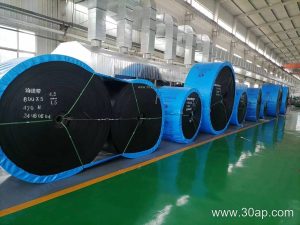
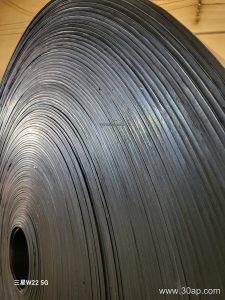
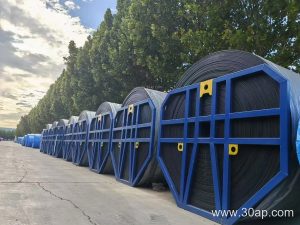
A 2200mm conveyor belt is an extra-wide belt designed for conveying large volumes of bulk material in a single pass. With a nominal width of 2200 millimeters, it sits at the upper end of standard belt widths and is typically specified where high throughput, wide material spread, or large lump sizes make narrower belts impractical. In mining, coal preparation, cement plants, power stations, ports, and large sand and gravel operations, this belt width helps reduce the number of parallel conveyor lines needed for a given capacity.
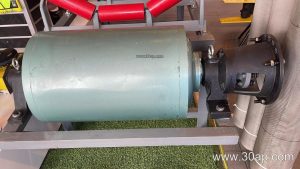
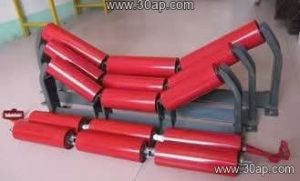
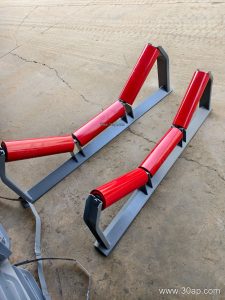
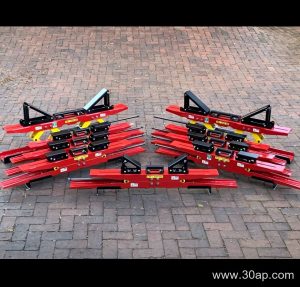
The product is still a conveyor belt in the ordinary sense: a continuous loop of rubber or polymer with a load-carrying cover, a bottom cover, and a reinforcing carcass. What changes at this width is the engineering around stiffness, tracking, splice quality, and support structure. A 2200mm conveyor belt is often paired with matching conveyor pulleys, idler rollers, and conveyor brackets sized for the belt and the load, but belt width alone does not define pulley or shaft dimensions. Those are determined by the full conveyor design.
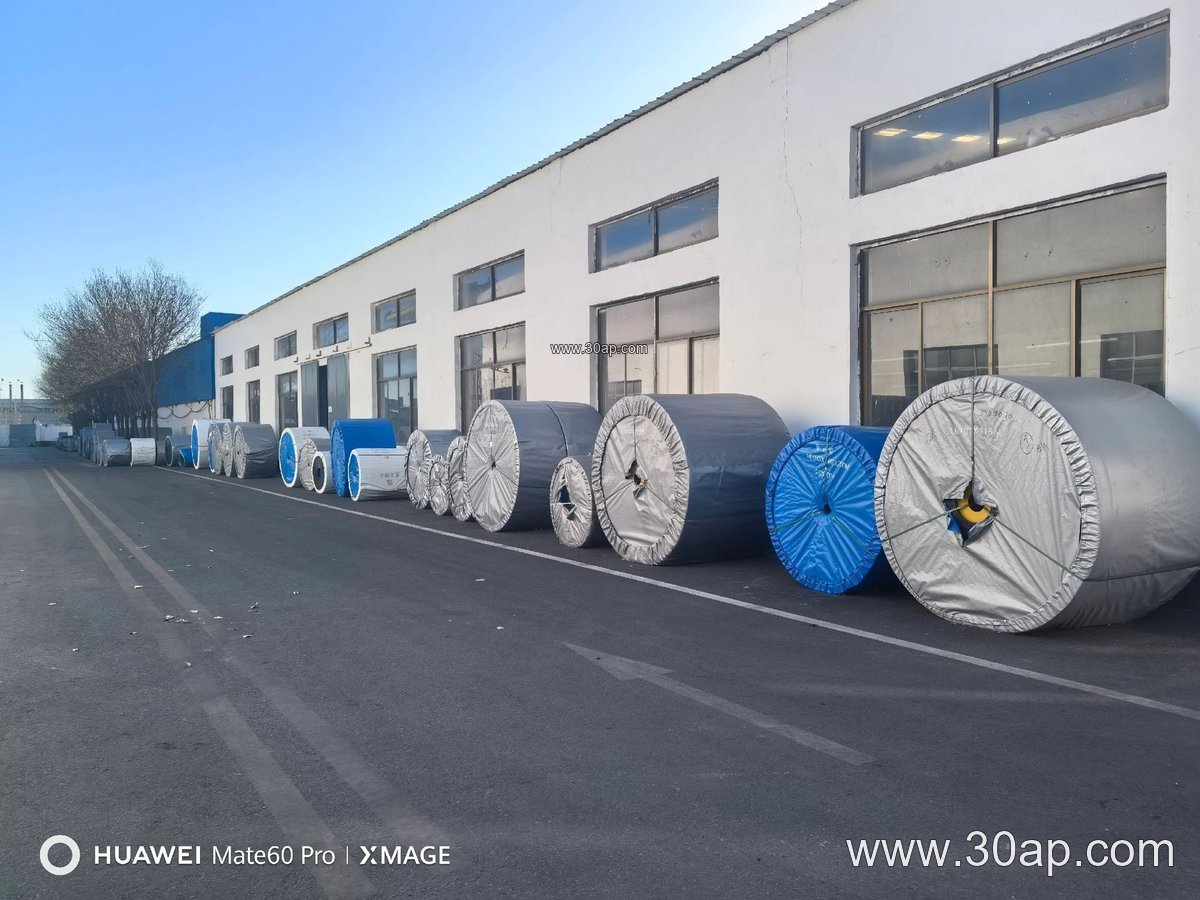
Construction and Common Configurations
Most belts at this width use a fabric core or steel cord carcass. Fabric cores are common in EP and NN constructions, where multiple plies of synthetic fabric carry tension. Steel cord belts use parallel steel wires for very high strength and long center distances. Cover compounds are selected for the duty: abrasion resistant for ore and aggregate, heat resistant for clinker and sinter, flame retardant for coal mining and underground work, oil resistant for certain industrial feeds, and cold resistant for outdoor installations in low-temperature regions.
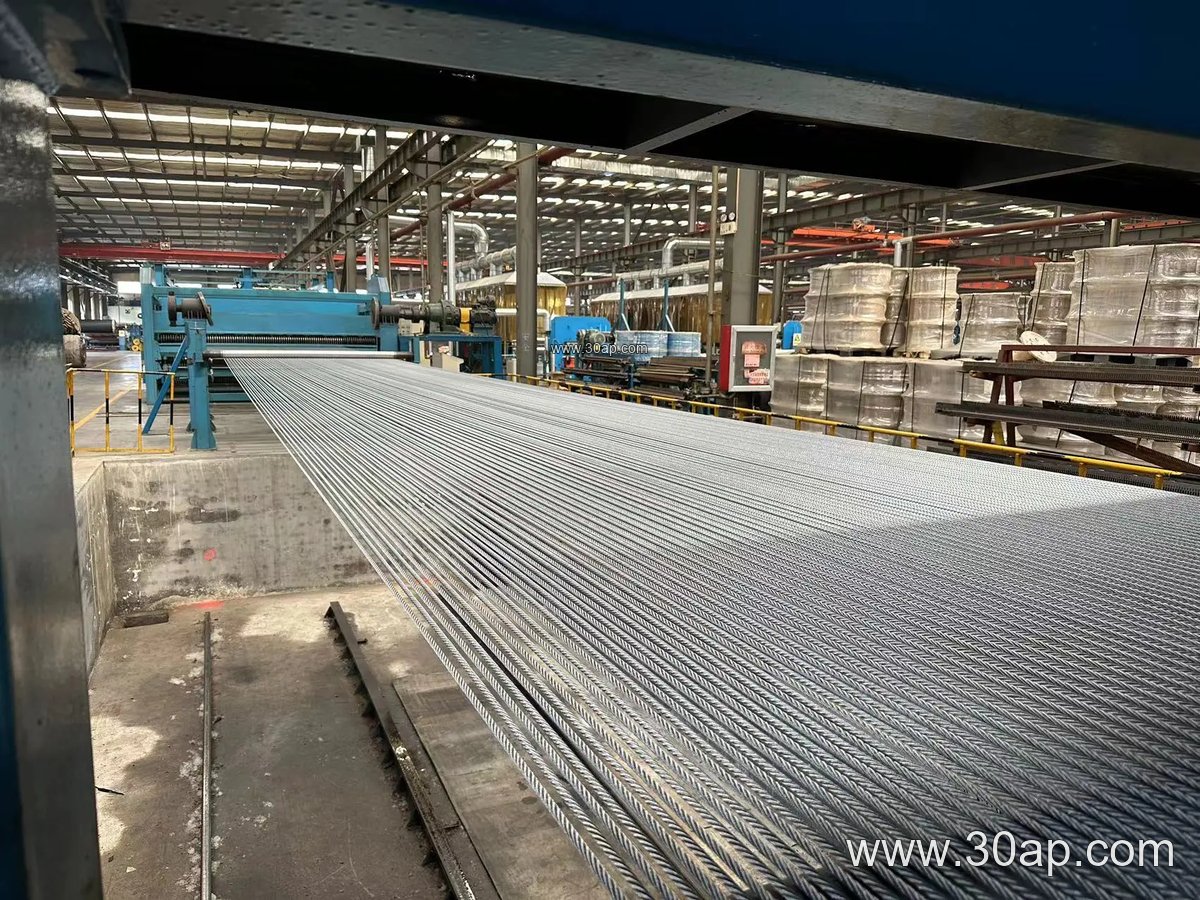
Typical reference values for wide belts are shown below. These are common ranges, not fixed rules, and final specifications should follow the conveyor design and the belt manufacturer’s data.
- Belt width: 2200mm nominal, often written as B2200
- Carcass types: EP fabric core, NN fabric core, steel cord
- Fabric strength grades: EP200 to EP2000 range, depending on tension
- Steel cord grades: ST1000 to ST3150 range for heavy-duty duties
- Cover thickness examples: 4+2 mm, 5+2 mm, 6+2 mm, 8+3 mm
- Ply count for fabric belts: commonly 2 to 6 plies
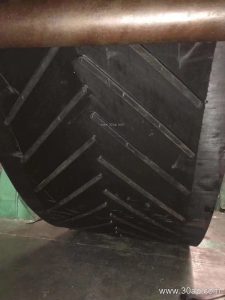
- Surface forms: plain, chevron, skirted, corrugated sidewall
For a 2200mm conveyor belt, the splice is a critical detail. Wider belts carry more tension across the joint, so vulcanized splices are usual in permanent installations. Belt edges also need attention because edge damage on a wide belt can propagate quickly.
Where This Width Fits
Large mining and quarry operations use wide belts to move run-of-mine ore, coal, and rock at high tonnage. A 2200mm conveyor belt can serve as a main haulage belt from a crushing station to a stockpile, or as a ship loading belt at a port terminal. Cement plants use wide belts for limestone and clinker transport, while power plants apply them in coal handling systems. In all these settings, the belt works with conveyor pulleys at the drive, tail, and bend positions, plus idler rollers that support the loaded strand.
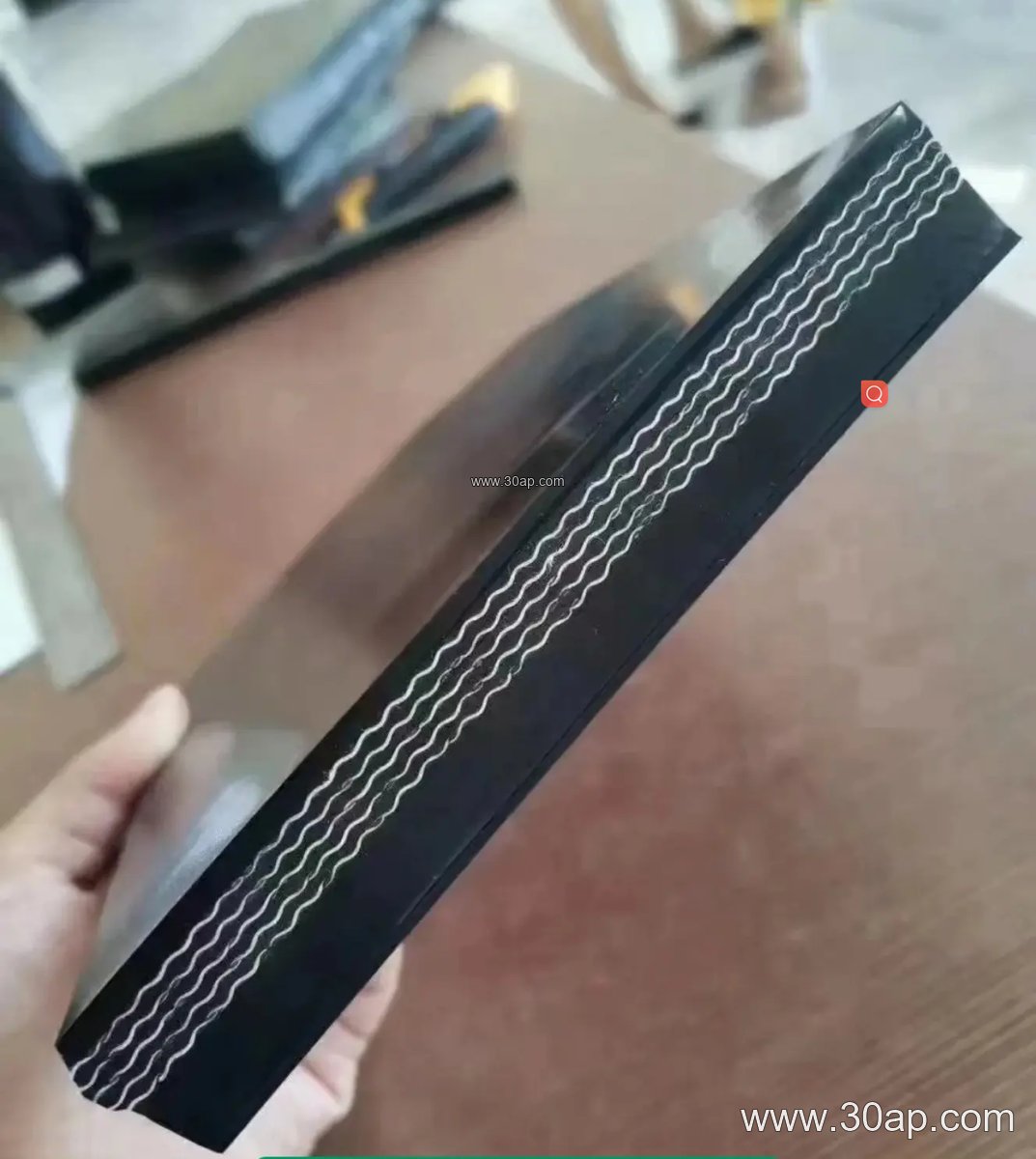
Specialty versions of the same product are common. A flame retardant conveyor belt is specified for coal mining and underground mining conveyor systems. A heat resistant conveyor belt suits cement and metallurgical duties. An abrasion resistant conveyor belt is a frequent choice for iron ore, copper ore, and quarry rock. Skirted and corrugated sidewall belts are used where material must be contained on steep inclines, while a pipe conveyor belt is a different concept entirely and should be evaluated as its own system.
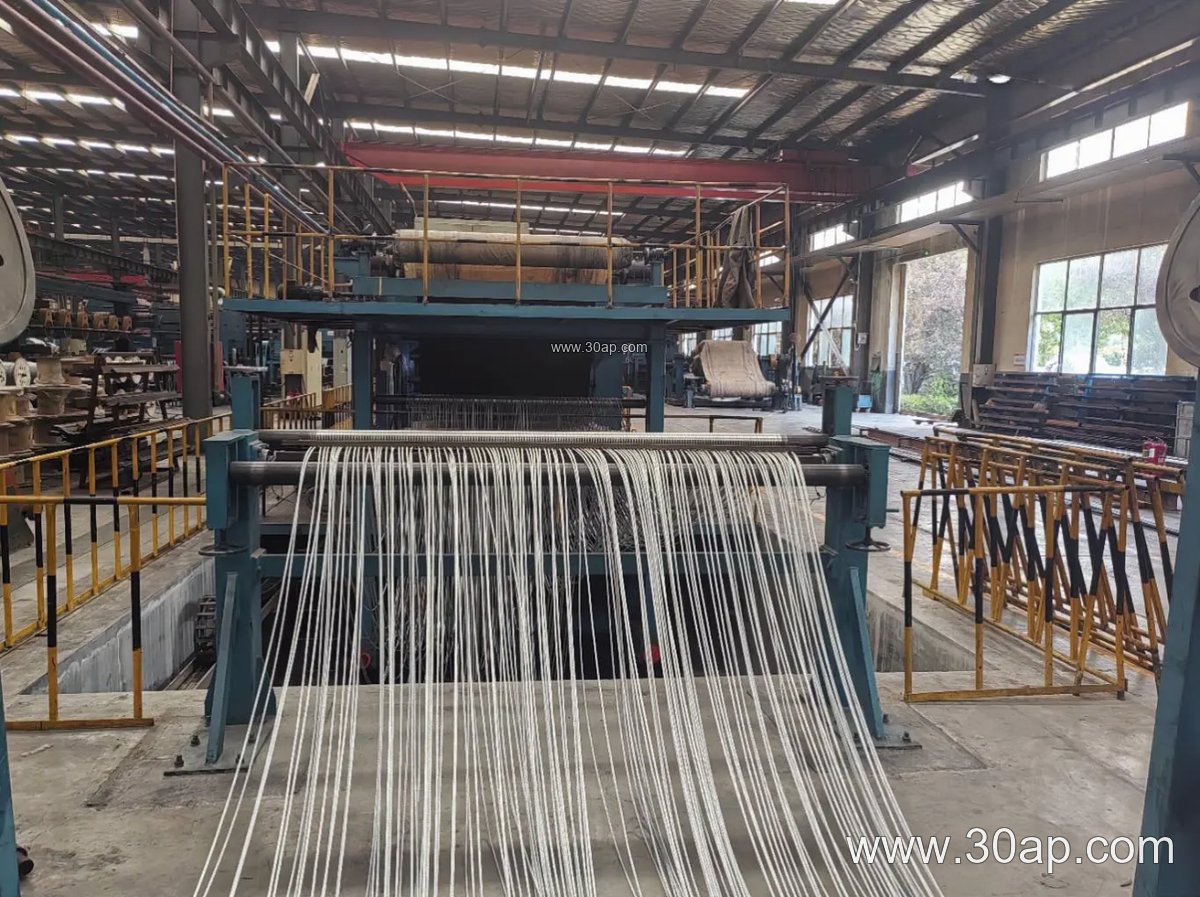
Selection and Buyer Checklist
Buyers should start with the required capacity, material lump size, bulk density, incline angle, and the conveyor’s calculated belt tension. From there, the carcass type and strength grade can be narrowed down. A 2200mm belt is not automatically required for every high-capacity line; multiple narrower belts may be more practical in some layouts. Conversely, a single extra-wide belt can simplify transfer points and reduce dust generation.
Ask for the belt’s cover grade, carcass construction, ply count or cord pitch, total thickness, and recommended splice method. Confirm that the conveyor pulleys, idler rollers, and conveyor brackets are rated for the belt width and the loaded belt weight. Check the minimum pulley diameters recommended for the carcass, and do not assume a fixed shaft size from the belt width. For replacement work, verify the existing pulley face width and take-up travel before ordering. For harsh duty, consider a heavy-duty mining conveyor belt specification with a high abrasion resistant cover.
Maintenance planning matters at this scale. Inspect belt edges, splice areas, and cover wear regularly; check idler rollers for seized bearings that can damage the belt; and keep the belt tracking correctly on the pulleys. A well-matched 2200mm conveyor belt, supported by properly sized components, gives long service in demanding bulk material handling.