What a Recycling Conveyor Belt Does on a Sorting Line
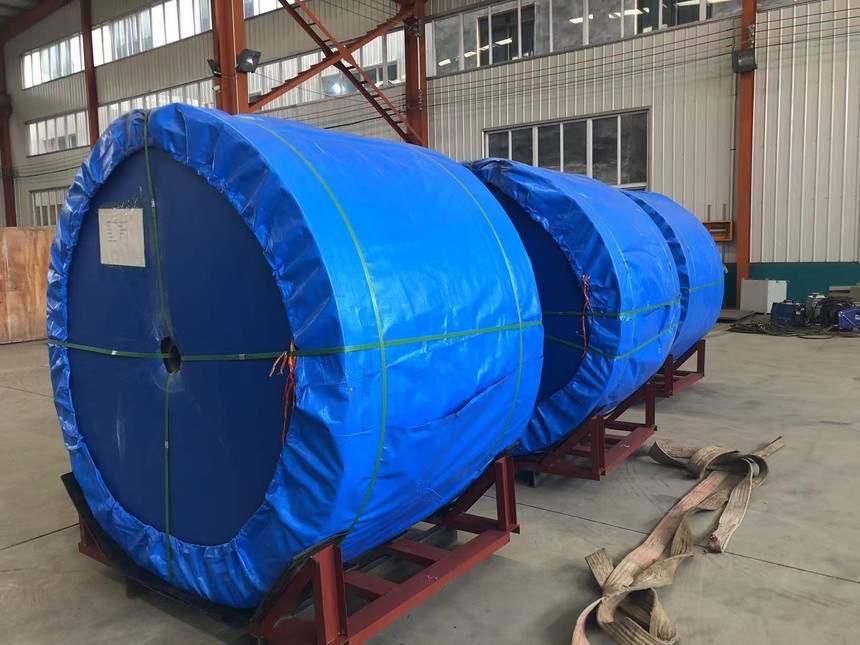
A recycling conveyor belt is the moving surface that carries mixed paper, plastics, glass, metals, demolition debris, or compost through a sorting and recovery facility. It is not a single universal product; it is a conveyor belt specified for the conditions of a recycling plant, where loads vary from light film and cardboard to dense rubble and wet waste. The belt must track well, resist cutting and abrasion, and tolerate frequent starts and stops on sorting lines.
The same product family appears under several accurate names, such as a bulk material conveyor belt or a heavy-duty conveyor belt, depending on the duty. For a recycling conveyor belt, the main choices are the cover compound, the carcass construction, and the surface profile. See rubbertopconveyorbelt.com Recycling Conveyor Belt for related product data to compare against your own line survey.
Construction and Common Belt Types
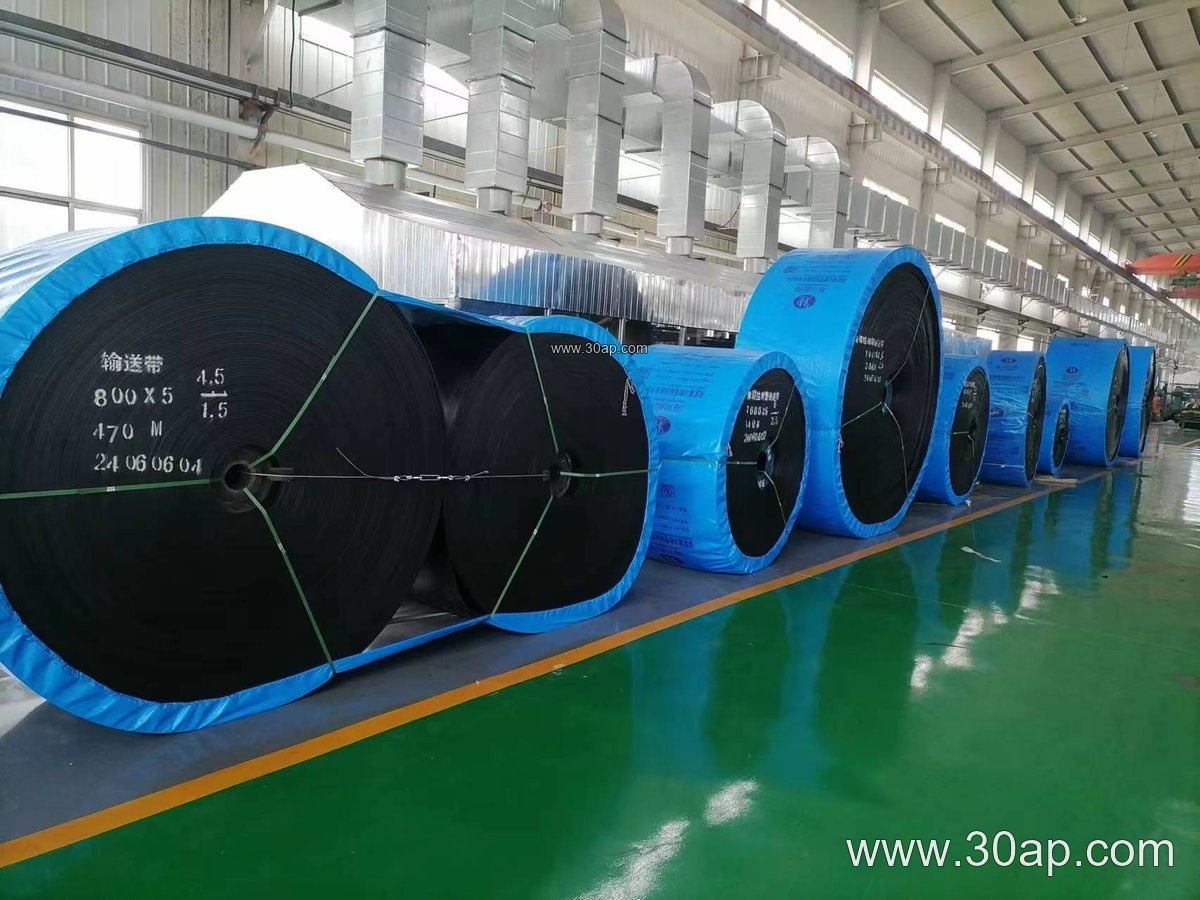
Most recycling belts use a fabric core with rubber covers. An EP conveyor belt with polyester-polyamide fabric is common because it offers low stretch and good troughing. An NN conveyor belt with nylon warp and weft is another option where flexibility matters. A multi-ply fabric core conveyor belt is used when the line carries sharp, heavy material and needs extra puncture resistance. For very long or high-tension runs, a steel cord conveyor belt may be considered, though it is less common in recycling than in mining duty.
Cover compounds are chosen for the waste stream. An abrasion resistant conveyor belt suits glass, rubble, and metal scrap. An oil resistant conveyor belt helps where lubricants or contaminated plastics are present. A flame retardant conveyor belt or fire resistant conveyor belt is relevant near shredders and dust collection zones. A heat resistant conveyor belt is used only where hot material enters the line. Anti-static properties may matter in dusty enclosures.
Surface Profiles and Special Forms
Inclined sorting and transfer points often use a chevron conveyor belt to prevent rollback. A corrugated sidewall conveyor belt or skirted conveyor belt can contain loose material on steep lifts. A pipe conveyor belt is used in some enclosed routes to control dust and spillage. These forms are alternatives for specific layouts, not replacements for a standard flat belt on horizontal sorting tables.
Typical Recycling Plant Applications
Recycling conveyor belts appear in municipal recovery facilities, construction and demolition waste plants, compost operations, e-waste lines, and plastics recovery. They also serve transfer stations and port-based recovery yards. Lines handling glass and aggregate often borrow designs from the quarry conveyor belt and aggregate conveyor belt sectors, while lines handling scrap metal may use a heavy-duty mining conveyor belt specification.
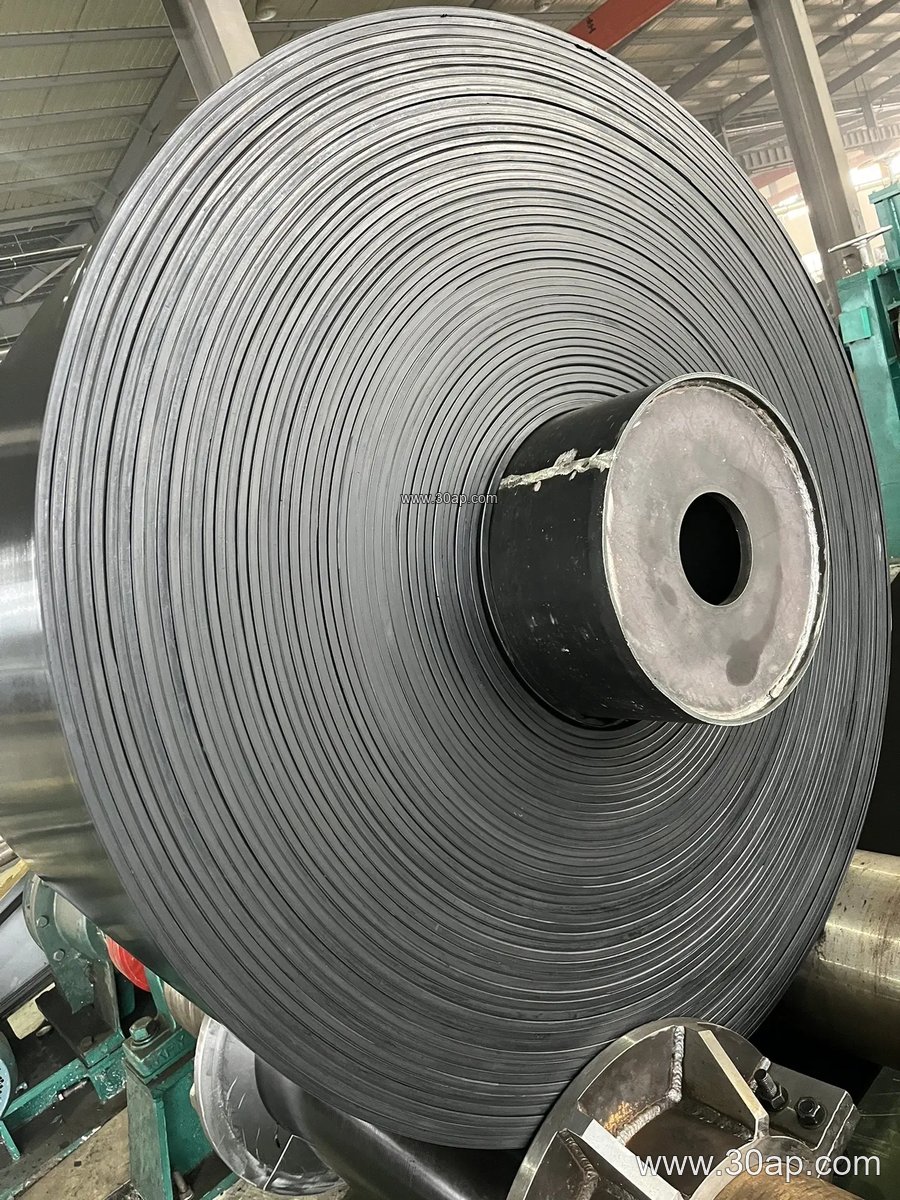
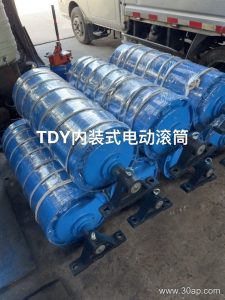
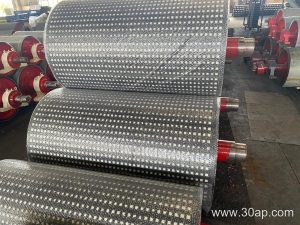
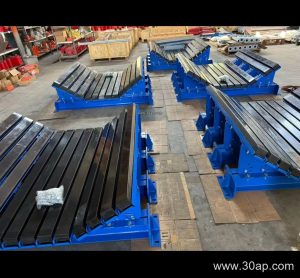
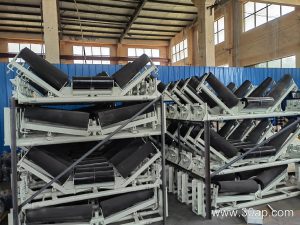
The belt works with supporting equipment such as idler rollers, conveyor pulleys, and conveyor brackets. Drive pulleys, tail pulleys, and bend pulleys each have a distinct role and are not interchangeable; the belt specification should be matched to the pulley diameters and the take-up arrangement chosen by the conveyor designer.
Reference Sizes and Strength Grades
Recycling belts are usually ordered by width, strength grade, cover thickness, and carcass layers. The table below lists common reference values; actual selection depends on the load, incline, and pulley layout.
| Parameter | Common reference values |
|---|---|
| Belt width | B500, B650, B800, B1000, B1200, B1400, B1600, B1800, B2000 |
| EP strength grades | EP200, EP315, EP400, EP500, EP630, EP800, EP1000, EP1250, EP1600, EP2000 |
| Cover thickness (top + bottom) | 3+1.5, 4+2, 5+2, 6+2, 8+3 mm |
| Fabric plies | 2 to 6 layers, typically |
Width and pulley diameter are not fixed pairs; a wider belt does not automatically require one specific pulley size. Shaft diameter is determined by the conveyor drive design, not by belt width alone. Ask the belt supplier to confirm the tension rating against your calculated operating tension.
Buyer Checklist Before Ordering
- Describe the waste stream, including sharp objects, moisture, oil, and temperature peaks.
- Confirm the belt width, strength grade, and cover thickness with the conveyor designer.
- State the incline so a chevron or sidewall form can be evaluated if needed.
- Check that idler rollers, conveyor pulleys, and conveyor brackets are sized for the belt and load.
- Ask for the recommended splice type and whether an endless conveyor belt is preferred for your line.
Maintenance matters as much as the initial specification. Keep the belt centered, check pulley lagging and idler rotation, and remove trapped metal before it cuts the cover. A belt that is correctly matched to the recycling duty will run longer and reduce downtime on the sorting floor.