What a Ceramic Lagged Pulley Does on a Belt Conveyor
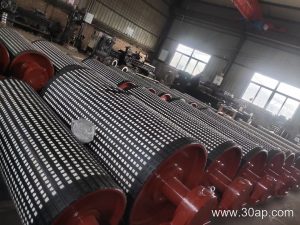
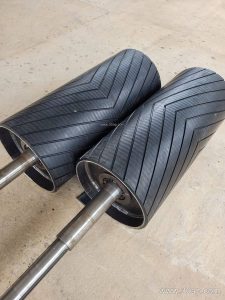
A belt conveyor ceramic lagged pulley is a drive or head pulley whose outer surface is fitted with ceramic tiles set in a rubber matrix. The ceramic studs bite into the underside of the conveyor belt, raising the available friction between pulley and belt. That extra grip matters most on high-tension drives, wet or muddy service, and inclined sections where slip would otherwise force the plant to reduce load or add a second drive. In a quarry, a limestone mine, or a coal preparation plant, a ceramic lagged pulley often lets the conveyor start under load without belt creep.
The same product is also called a ceramic lagging pulley or a ceramic rubber lagged pulley. It is not a tail pulley or a bend pulley by definition; those positions may use ceramic lagging only when the duty calls for it, and the drive pulley remains the main subject here.
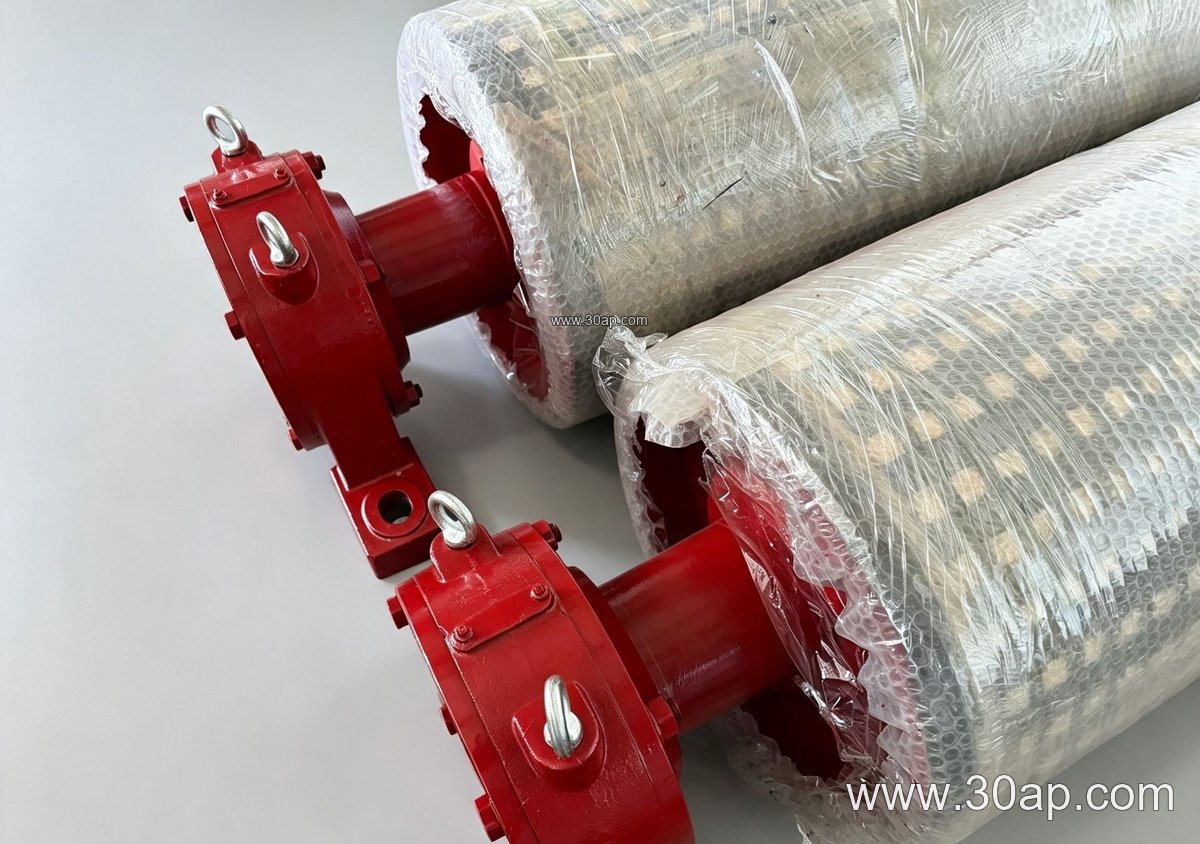
Construction and Surface Form
The pulley body is usually a welded steel drum with machined end discs and a shaft sized by torque and radial load, not by belt width alone. Ceramic lagging is applied as tiles or strips bonded to a rubber base, often in a diamond or square pattern with raised ceramic buttons. Common lagging thicknesses are 8, 10, 12, 15, and 20 mm, with 12 to 15 mm frequently chosen for heavy drive duty. The ceramic surface is harder than plain rubber and keeps its profile longer in abrasive slurry and wet conditions.
Plain, hot-vulcanized rubber, cold-bonded rubber, diamond, and herringbone lagging are still used where slip risk is low. Ceramic lagging is a step up when the coefficient of friction must stay high after thousands of hours of service. A ceramic lagged drive pulley should be matched to the conveyor belt it drives: a heavy-duty mining conveyor belt with a thick bottom cover tolerates the ceramic studs well, while a thin lightweight belt may need a smoother rubber face.
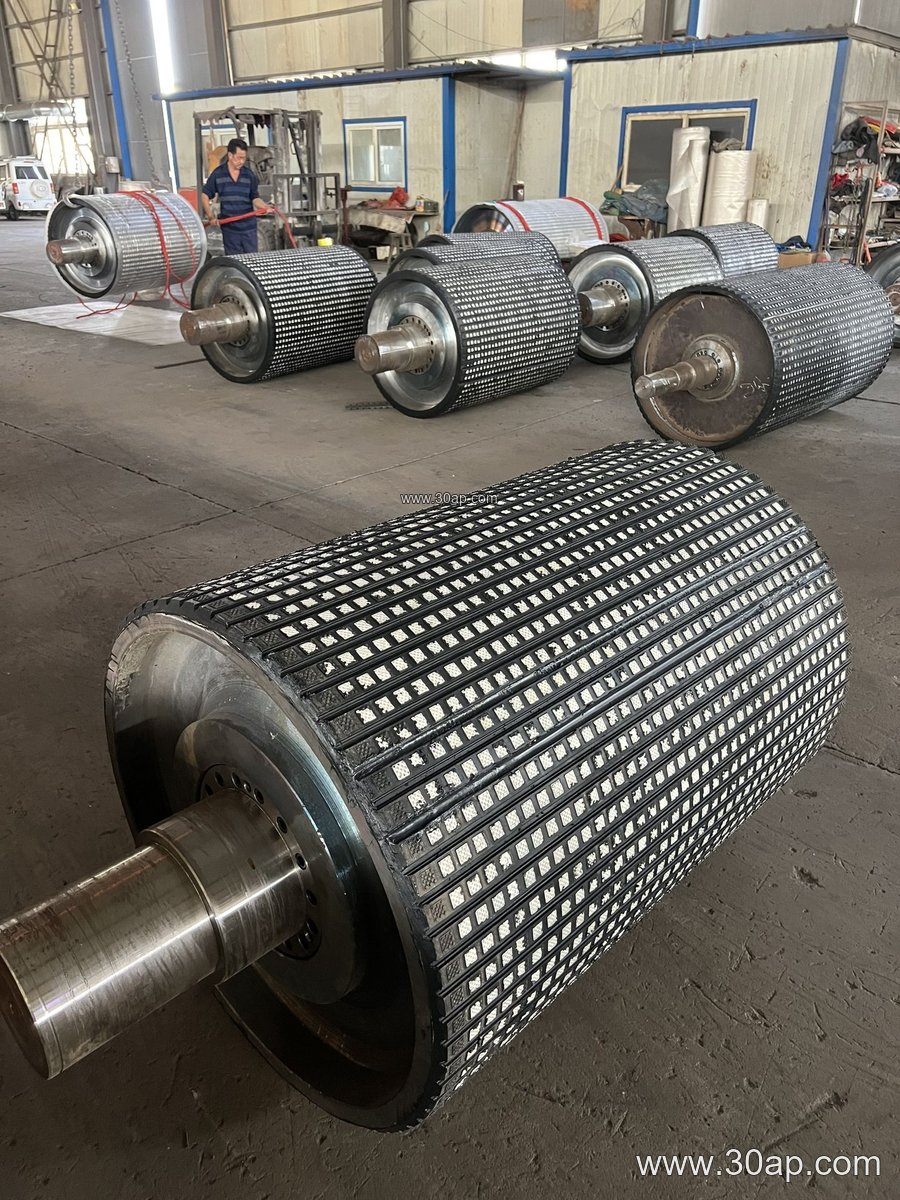
Where It Fits in the Conveyor Layout
Ceramic lagging is most often specified on the head or drive pulley of a main haulage conveyor. In a power plant coal handling system, a cement plant clinker line, or a port ship loading conveyor, the drive pulley sees the highest belt tension and the greatest risk of slip. A ceramic lagged pulley there can improve starting reliability without changing the gearbox. In a crushing and screening circuit, it may be used on the drive of a crusher conveyor belt where fines and moisture reduce friction.
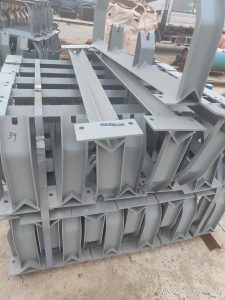
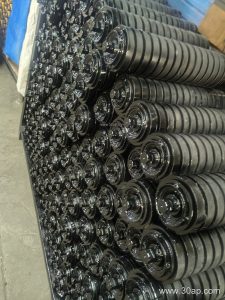
Other pulley positions have different jobs. A tail pulley guides the belt at the loading end and may use plain or rubber lagging. A bend pulley changes belt direction and usually carries lower tension. A take-up or tension pulley manages slack. Ceramic lagging is occasionally applied to these positions, but the drive pulley is the typical home for it. The pulley works together with the conveyor belt, idler roller, and conveyor bracket, so alignment and belt tracking should be checked before blaming the lagging for wear.
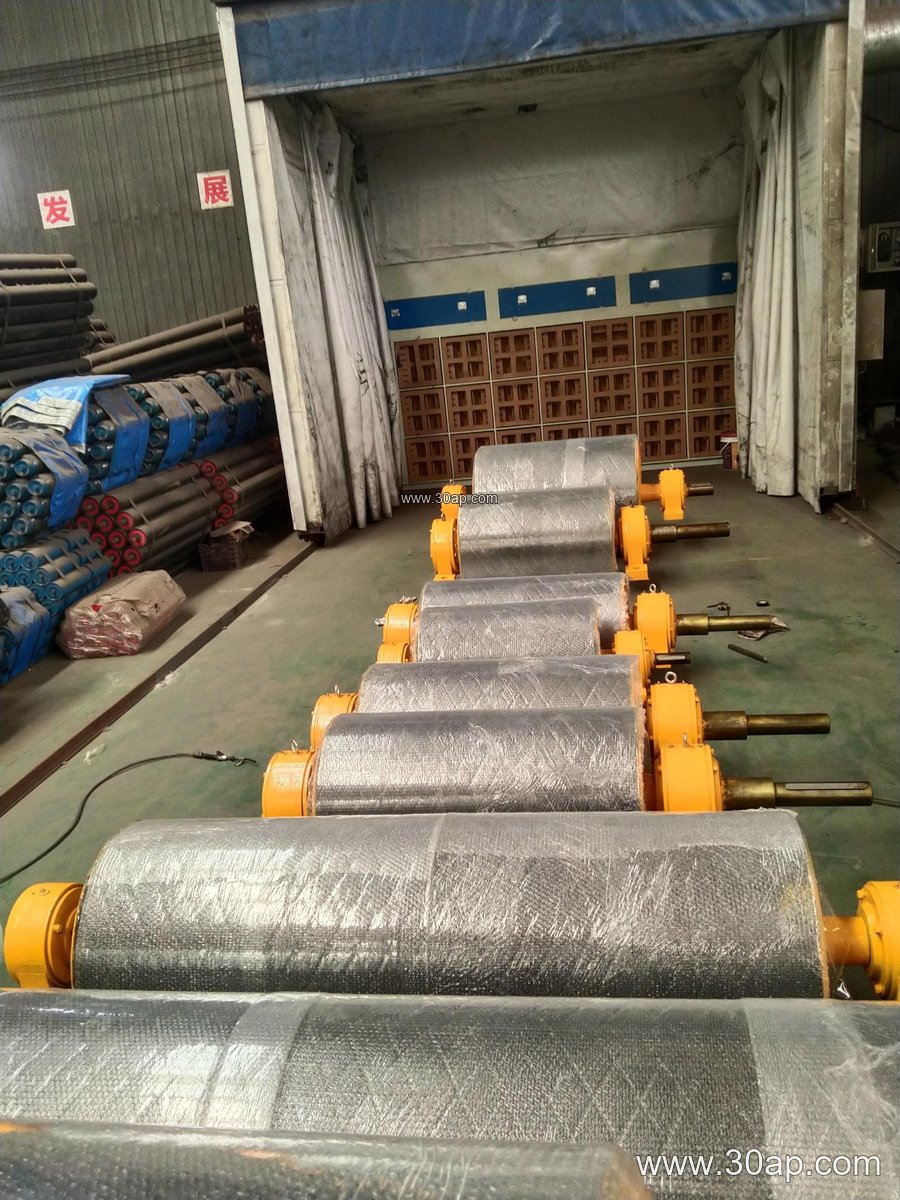
Sizing Notes for Buyers
Pulley diameter and face width follow the conveyor design, not a single rule. Face width is normally wider than the belt; for example, B800 may use a face around 950 mm and B1200 around 1400 mm. Diameter is selected from belt tension, shaft load, and the belt’s minimum pulley diameter recommendation. A B800 x Ø500 or B1200 x Ø1000 combination is common in medium-duty service, while a B1400 x Ø800 drive may appear in aggregate plants. Shaft diameter is set by torque and bearing load, with common sizes from Ø50 to Ø200 mm.
| Belt width | Typical pulley face width | Example diameter range |
|---|---|---|
| B500 | about 600 mm | Ø250 to Ø400 |
| B650 | about 750 mm | Ø315 to Ø500 |
| B800 | about 950 mm | Ø400 to Ø630 |
| B1000 | about 1150 mm | Ø500 to Ø800 |
| B1200 | about 1400 mm | Ø630 to Ø1000 |
| B1400 | about 1600 mm | Ø800 to Ø1250 |
These are common reference ranges, not fixed pairings. A ceramic lagged pulley can be supplied with a shaft sized for the actual drive torque, and the buyer should confirm the belt’s minimum pulley diameter before ordering.
Selection and Maintenance Points
- Confirm the drive tension and starting method; ceramic lagging helps most where slip risk is high.
- Check the conveyor belt bottom cover and minimum pulley diameter to avoid over-stressing the belt.
- Match lagging thickness to the duty; 10 to 15 mm is common for mining and cement service.
- Inspect ceramic tiles for chipping and rubber for glazing; worn lagging reduces friction.
- Keep the pulley face clean and aligned with the conveyor bracket and idler roller frames.
A ceramic lagged pulley is not a substitute for a correctly sized drive. It is a wear-resistant, high-friction surface that helps a belt conveyor start and run without slip in abrasive, wet, or heavy-duty service. For a coal mining conveyor belt, a quarry conveyor belt, or a cement plant conveyor belt, the choice should follow the actual tension and environment rather than a catalog default.