What a Mining Conveyor Idler Does Underground and Above Ground
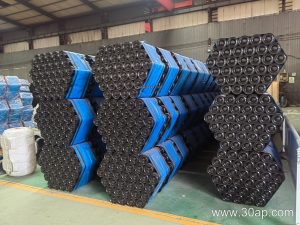
A mining conveyor idler is the rotating roller that supports the conveyor belt along its carrying and return runs. In a coal mine, a quarry or an ore handling plant, these rollers hold the belt in shape, keep material from spilling, and reduce friction so the drive can move tonnes of rock without tearing the belt. The idler roller is a small component in isolation, but on a long overland or underground conveyor it accounts for much of the rolling resistance and maintenance attention.
Because the working environment is abrasive and often wet, the idler has to be more than a steel tube on a shaft. Seals, bearing housings and shell thickness all matter as much as the roller diameter.
How the Roller Is Put Together
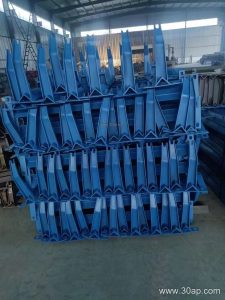
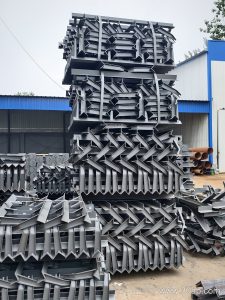
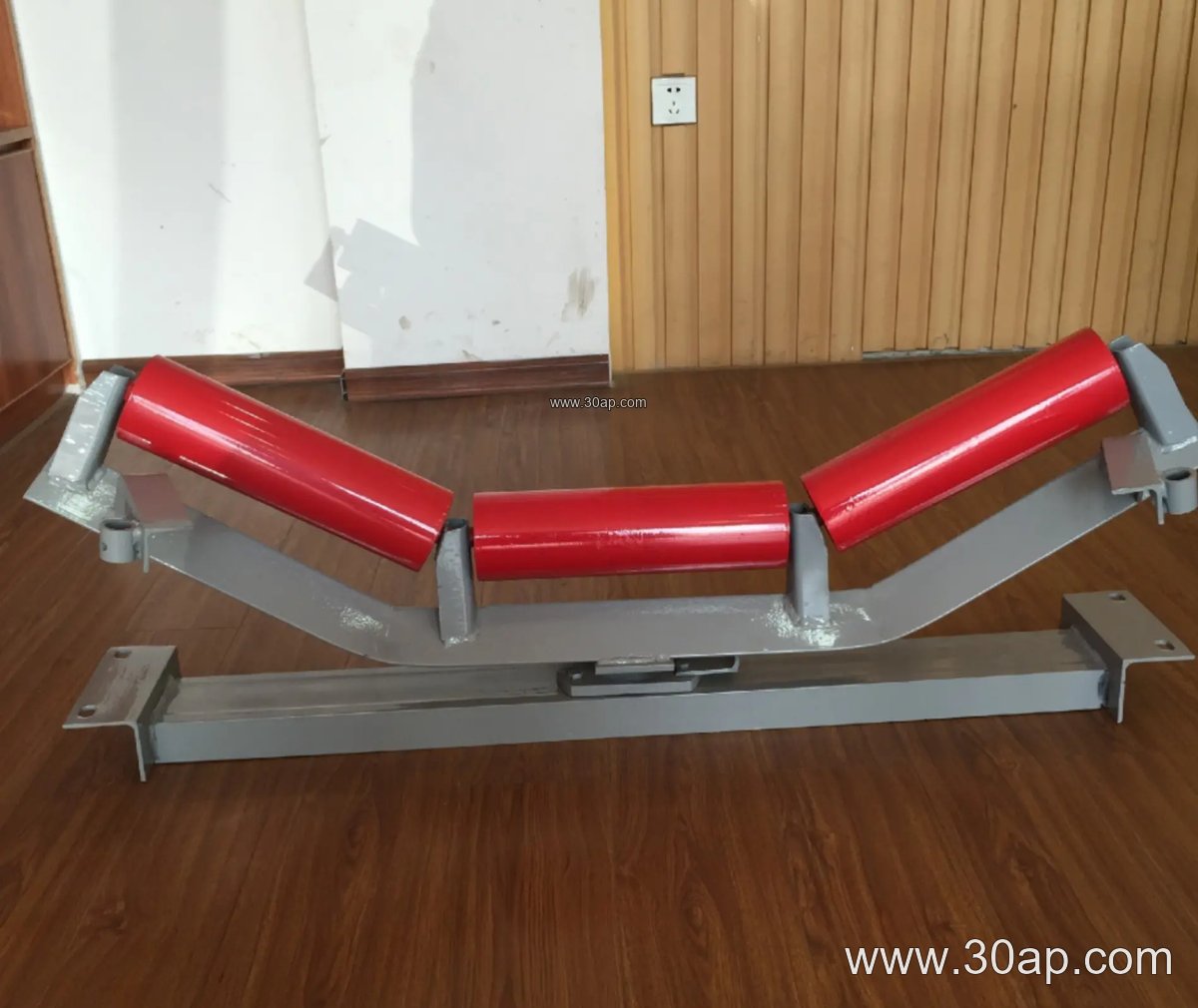
A typical station uses a set of three idlers in a trough, with two side rollers angled upward and a central roller flat or slightly raised. The angle, usually 20, 30, 35 or 45 degrees, sets how deeply the belt is cupped and therefore how much material it can carry without spilling.
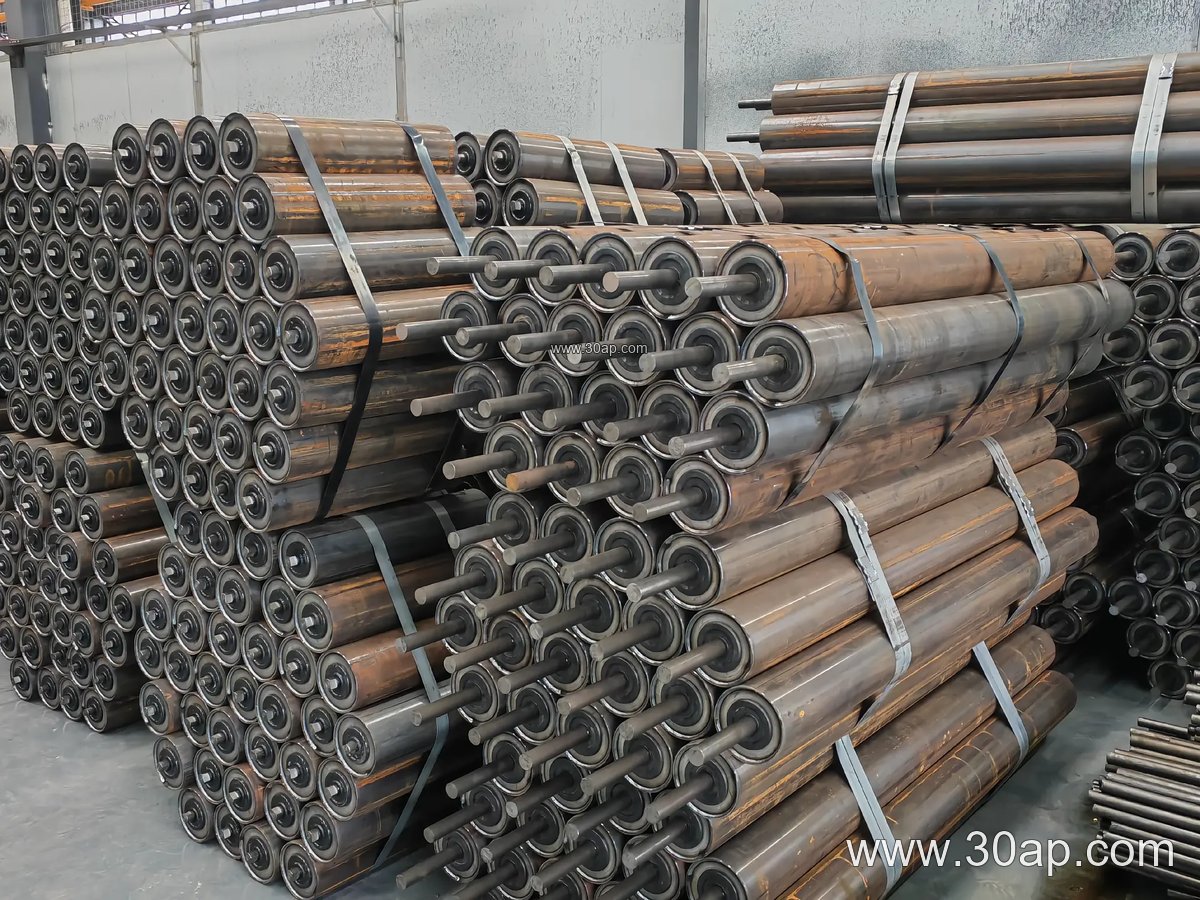
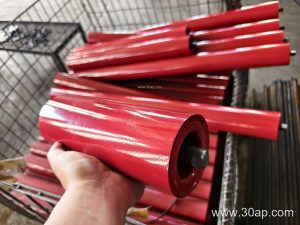
Each roller has a shell, a shaft, bearings and a sealing arrangement. Common shell materials include steel tube, nylon, ceramic and rubber rings. Bearing sizes such as 6204, 6205, 6305, 6306, 6308 and 6310 appear across the range, but the bearing is chosen with the load and speed, not simply with the roller diameter.
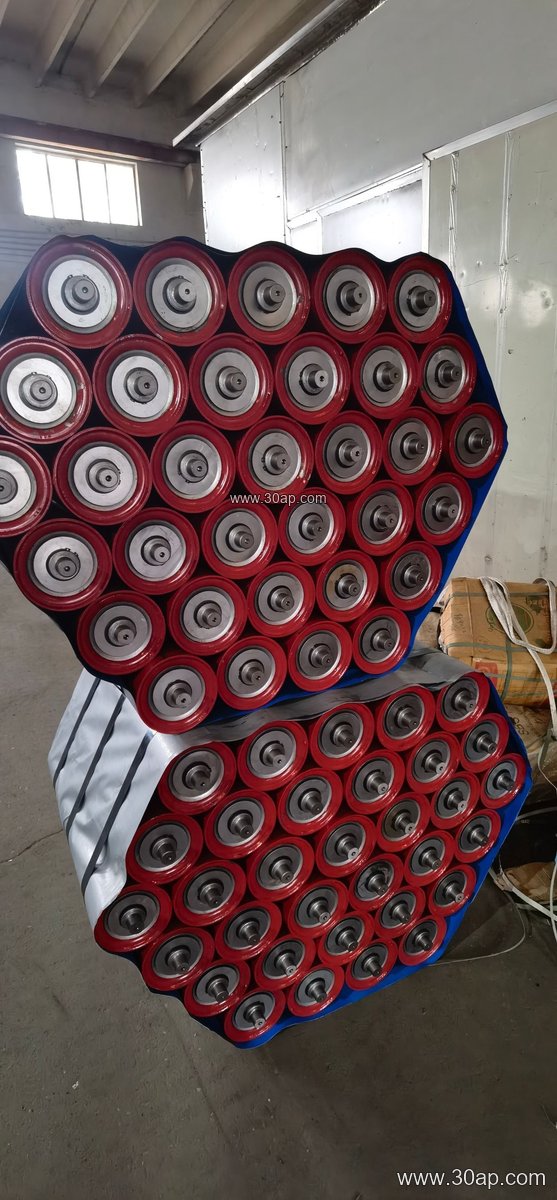
- Shell: steel, nylon, ceramic or rubber-ringed, depending on abrasion and impact
- Bearing housing: pressed or machined, with labyrinth or contact seals
- Shaft: sized by load and frame, not by belt width alone
- Roller length: follows belt width, trough angle and station type
Common roller diameters include Ø63, Ø76, Ø89, Ø102, Ø108, Ø127, Ø133, Ø159, Ø178, Ø194 and Ø219 mm. A larger diameter turns more slowly and can suit heavy loads, while a smaller roller keeps the belt line low. Belt widths from B400 to B2400 are handled by matching the idler length and frame, and a three-roll trough for B800 might use rollers around 315 mm long, while B1400 may call for roughly 530 mm. These are reference examples, not fixed pairings.
Where These Rollers Earn Their Keep
In a coal preparation plant or an underground drift, flame retardant and anti-static properties of the belt are critical, and the idlers must survive coal dust and wash-down. In an iron ore or copper ore terminal, the load is heavy and sharp, so impact idlers with rubber rings are often placed under the loading point to cushion the belt. A limestone quarry or aggregate line may use the same troughing idlers but with thicker shells to resist grit.
The belt itself is part of the same system. A steel cord conveyor belt or a multi-ply fabric core belt behaves differently over the same trough, and an abrasion resistant conveyor belt may tolerate a tighter curve than a standard cover. Matching idler spacing to the belt’s stiffness helps avoid sag between stations.
Choosing the Right Idler for the Duty
Buyers should start with the belt width, the material being carried and the tonnage per hour. From there, the trough angle, roller diameter and station spacing follow. Impact zones need cushioning rollers; the return run may use flat or V-shaped return idlers to train the belt. Transition idlers near the head and tail pulleys ease the belt from flat to troughed without over-stressing the edges.
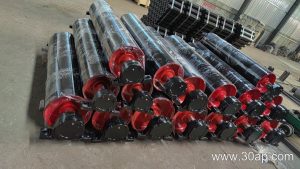
Sealing quality is often the difference between a roller that lasts years and one that seizes in months. Dust ingress destroys bearings quickly, so labyrinth seals and good grease retention deserve close attention. The frame, bracket and conveyor pulley alignment should also be checked, since a misaligned pulley can wear the belt edge even when the idlers are perfect.
Finally, keep spares consistent. Mixing roller diameters or shell types along one conveyor changes the belt line and can cause tracking problems. A simple maintenance schedule that checks for seized rollers, worn shells and loose brackets will usually cost less than a belt replacement.